As global buyers increasingly consider DDR5 technology, a thorough understanding of the DDR5 compatibility guide becomes essential. Industry reports indicate that DDR5 memory modules offer higher bandwidth and improved efficiency compared to their predecessors. According to a recent study by TechInsights, DDR5 can deliver speeds of up to 8400 MT/s, demonstrating its potential to enhance computing performance.
Experts highlight the significance of this compatibility guide. "To fully leverage the capabilities of DDR5, users need to ensure their systems support it," says Dr. Emily Chen, a renowned authority in memory technologies. Without proper compatibility, users risk investing in components that may not function optimally together.
The landscape of memory technology is evolving. Buyers often struggle to navigate compatibility challenges. Minor oversights can lead to significant issues in system build and performance. A comprehensive DDR5 compatibility guide can bridge this gap, ensuring informed decisions. Amid the excitement for DDR5, it’s crucial not to overlook these details.
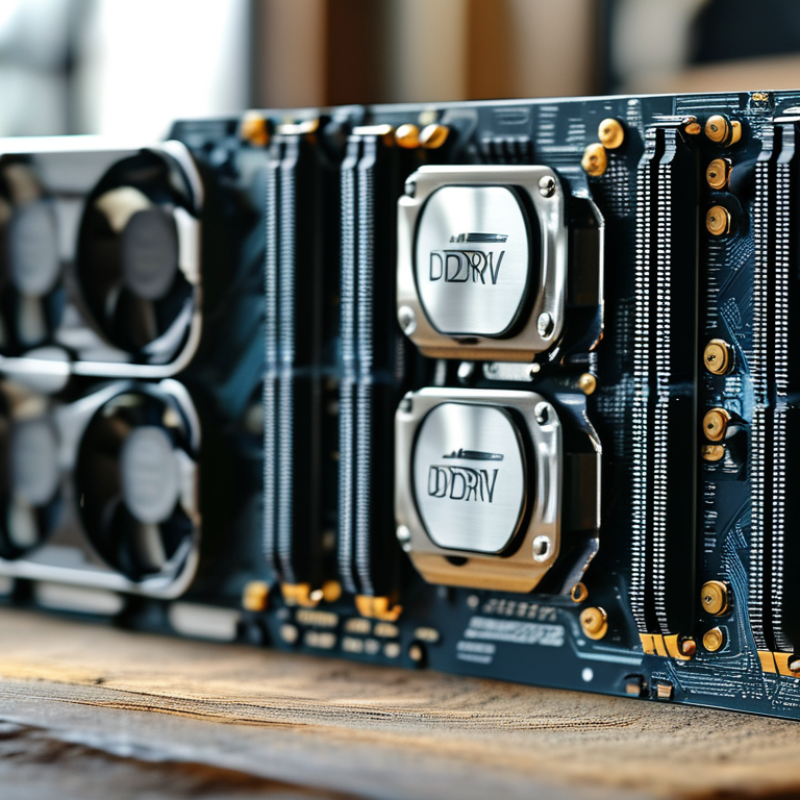
Understanding DDR5 Technology and Its Advantages
DDR5 technology represents a significant leap in the evolution of memory. Its benefits include increased speed and efficiency, enhancing overall system performance. Compared to its predecessor, DDR4, DDR5 offers faster data transfer rates, improved bandwidth, and lower power consumption. This makes it particularly advantageous for high-performance applications like gaming and content creation.
However, compatibility is a critical aspect. Not all systems can utilize DDR5. Users must check motherboard specifications, as older models may not support this new standard. The transition to DDR5 also raises concerns about potential initial costs. While it promises better performance, some may hesitate due to the need for new hardware. Balancing the advantages with the required investments can be a tricky decision.
As DDR5 technology matures, manufacturers are continually refining it. This evolution raises questions about longevity and future-proofing. Users might wonder if investing in DDR5 is wise when upgrades arrive rapidly. Ensuring that both current and future needs are met demands careful consideration. Embracing new technology often involves trade-offs, and DDR5 is no different.
Key Considerations for Selecting DDR5-Compatible Components
When selecting DDR5-compatible components, several key factors must be considered. DDR5 memory offers higher data rates and increased bandwidth, promising significant performance improvements. According to a report by Jon Peddie Research, the adoption of DDR5 is projected to grow by 100% annually through 2025. This rapid growth emphasizes the need for compatibility in purchasing decisions.
Memory speed and latency are critical aspects. DDR5 starts at 4800 MT/s, which is an upgrade from DDR4’s 3200 MT/s. However, this speed can vary based on the motherboard and CPU combination. If a user chooses a motherboard that only partially supports DDR5, they may not achieve optimal performance. The PCB design and trace length also influence signal integrity, impacting speed.
Another consideration is the voltage requirements. DDR5 operates at 1.1V, lower than DDR4’s 1.2V. This shift in voltage could affect power efficiency and thermal management. Users need to ensure that their cooling solutions are adequate. Buying components that do not meet these specifications could lead to unintended system instability. Hence, checking compatibility lists and using tools provided by motherboard manufacturers become essential in the selection process.
Assessing Motherboard Compatibility with DDR5 Memory
As DDR5 technology rapidly advances, understanding motherboard compatibility is essential for global buyers. DDR5 memory requires a compatible motherboard that supports the new architecture. Most existing motherboards designed for DDR4 will not support DDR5 memory. This significant shift highlights the importance of checking your motherboard's specifications before making a purchase.
Industry reports indicate that over 80% of recent motherboard models released in 2022 and 2023 now support DDR5. However, consumers should still verify compatibility details. Detailed specifications can usually be found on the manufacturer’s website. Always check for BIOS updates, as manufacturers often release updates to enable DDR5 support on existing boards.
Tip: When looking for a motherboard, aim for one that features multiple DDR5 slots. This setup provides better upgrade options down the line. Additionally, ensure that your power supply can handle the increased demands of DDR5 memory.
Tip: Review user forums and feedback. Real-world experiences can unveil hidden compatibility issues or performance bottlenecks. This practical insight is invaluable when selecting components for a high-performance build. The balance of advanced technology and practical compatibility is key for optimizing your system's performance.
Evaluating Processor Support for DDR5 Memory Standards
The transition to DDR5 memory marks a significant milestone in computing performance. Evaluating processor support for these memory standards is crucial for buyers. According to a recent report by IC Insights, DDR5 is expected to drive a 30% performance improvement over its predecessor, DDR4. This shift can profoundly impact gaming, data analysis, and machine learning applications.
Not all processors support DDR5. The adoption rate among CPUs remains a critical factor. A survey by Statista indicated that only about 25% of processors were compatible with DDR5 as of early 2023. This highlights a substantial gap. Buyers should verify their CPU’s specifications to ensure DDR5 support before making a purchase.
Potential issues arise with compatibility. Some systems require BIOS updates to utilize DDR5 fully. Meanwhile, investors need to consider motherboard compatibility. Many older models may not support the new standard. This can lead to additional costs and installation challenges, prompting potential buyers to reassess their upgrade strategies. Not every enthusiast might be ready for such a transition.
What is DDR5 Compatibility Guide for Global Buyers?
| Processor Family |
Socket Type |
DDR5 Support |
Max Memory Speed |
Max Memory Capacity |
| Processor Family A |
LGA 1700 |
Yes |
4800 MT/s |
128 GB |
| Processor Family B |
AM5 |
Yes |
5200 MT/s |
64 GB |
| Processor Family C |
LGA 1200 |
No |
N/A |
N/A |
| Processor Family D |
LGA 2011 |
No |
N/A |
N/A |
Global Market Trends and Availability of DDR5 Products
The global market for DDR5 products is rapidly evolving. As manufacturers ramp up production, availability is becoming more widespread. However, consumers should remain cautious. Not all DDR5 modules are created equal. Some may not meet the high-performance standards that enthusiasts expect.
Pricing is another critical factor. While DDR5 aims to offer better performance, it often comes at a premium. Buyers frequently face a gap between supply and demand, leading to fluctuating prices. This variability can complicate purchasing decisions. Many consumers find themselves weighing the benefits against their budgets.
Compatibility remains a concern. Not every device supports DDR5, leading to potential frustration. Buyers should research their motherboards and systems thoroughly. A detailed compatibility check can save time and money. Overall, while the prospects for DDR5 are promising, buyers need to stay informed and approach their purchases carefully.
Global DDR5 Market Trends and Product Availability
FAQS
: Focus on memory speed, latency, and voltage requirements. Optimal performance depends on the motherboard and CPU combination.
DDR5 starts at 4800 MT/s, which is significantly faster than DDR4’s 3200 MT/s.
DDR5 operates at 1.1V, lower than DDR4’s 1.2V. This affects power efficiency and thermal management.
No, only about 25% of processors were compatible with DDR5 as of early 2023.
Many systems require BIOS updates. Older models may not support DDR5, leading to added costs and challenges.
Pricing can fluctuate due to supply and demand gaps. This complicates purchasing decisions for consumers.
No, not all DDR5 modules meet high-performance standards. Some may disappoint enthusiasts.
Conduct thorough research on your motherboard and system compatibility before making a purchase.
DDR5 may offer about 30% better performance than its predecessor, DDR4, benefiting various applications.
While availability is increasing, not every module will meet expected performance. Caution is advised.
Conclusion
The "DDR5 Compatibility Guide for Global Buyers" provides essential insights into the evolving landscape of DDR5 technology and its associated advantages, such as improved speed and efficiency over previous generations. Buyers must consider key factors when selecting DDR5-compatible components, ensuring that their chosen motherboards are equipped to support the new memory standard, as well as evaluating whether their processors can handle DDR5.
Additionally, the article discusses global market trends and the availability of DDR5 products, aiding consumers in making informed purchasing decisions. By emphasizing compatibility across various components, the DDR5 compatibility guide serves as a valuable resource for those looking to upgrade their systems with cutting-edge memory solutions.

 Celtrix Memory