Understanding the difference between DRAM and SRAM is crucial for tech buyers. As industry expert Dr. Emily Chen asserts, "Choosing the right memory type can enhance performance significantly." The DRAM vs SRAM difference lies primarily in speed, cost, and application suitability.
DRAM (Dynamic Random-Access Memory) is slower and more affordable. It is commonly found in personal computers and servers. Conversely, SRAM (Static Random-Access Memory) offers faster access speeds but is more expensive. You often see SRAM in cache memory for processors. The trade-offs between these two types of memory can be significant and impact overall system efficiency.
Navigating this space can be confusing. Buyers often make missteps due to inadequate knowledge. Understanding specific needs is essential. Not all applications require the speed of SRAM, while others may find DRAM insufficient. Knowing when to choose one over the other can change the game. Exploring the DRAM vs SRAM difference leads to smarter purchasing decisions.
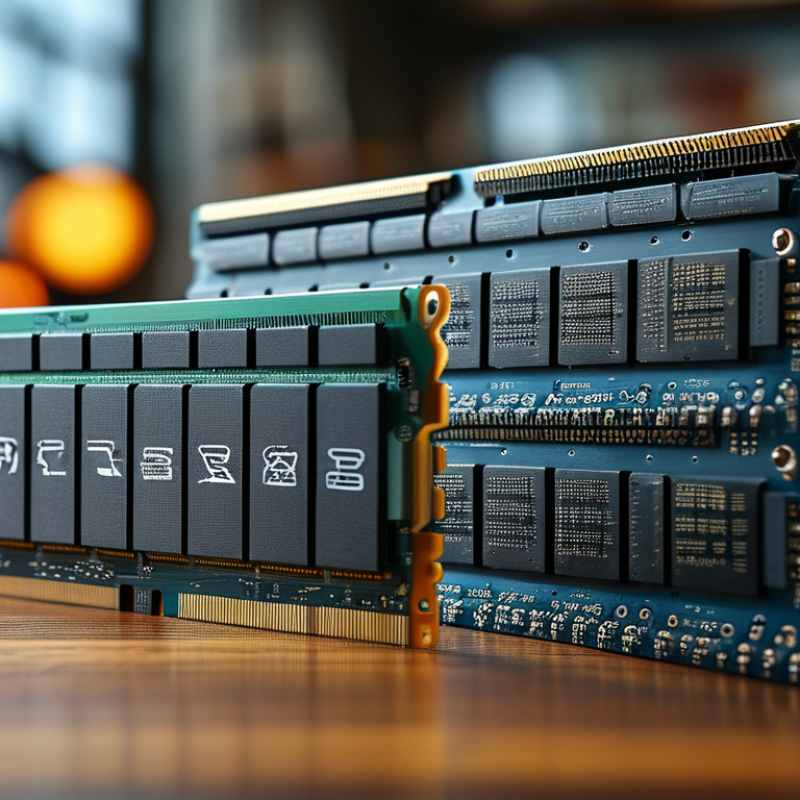
Key Features and Functions of DRAM and SRAM
Dynamic Random-Access Memory (DRAM) and Static Random-Access Memory (SRAM) serve distinct roles in computing. DRAM is widely used for its high density and cost-effectiveness. According to a recent industry report, DRAM accounts for nearly 75% of the overall memory market. Its structure allows it to store a bit of data in a cell consisting of a capacitor and a transistor. However, this also means it requires constant refreshing, which can slow down performance during high-demand tasks.
On the other hand, SRAM is faster and more reliable but comes with higher costs. Its design eliminates the need for refresh cycles. Each bit is stored using four to six transistors, resulting in a lower density. This complexity makes SRAM better suited for cache memory in processors. Recent studies show that SRAM's access speeds can reach up to 10 times that of DRAM. Despite its performance benefits, SRAM's cost can be a drawback, making it less suitable for large-scale applications like main memory.
The choice between DRAM and SRAM is critical. Buyers should consider their specific needs. While DRAM offers a greater storage capacity, it can struggle in real-time applications due to refresh delays. In contrast, SRAM excels in speed but at a premium price. As technology advances, understanding these distinctions will be key for effective memory management.
Comparison of Key Features of DRAM and SRAM
Comparative Analysis of Speed and Performance
When buyers evaluate memory options, understanding the differences between DRAM and SRAM is crucial. Both types serve unique purposes in computing, particularly in speed and performance. DRAM, or Dynamic Random Access Memory, provides high-density storage. It is slower than SRAM, mainly because it requires constant refreshing to maintain data. This refresh cycle can introduce latency, making DRAM less ideal for applications needing quick data access.
In contrast, SRAM, or Static Random Access Memory, offers faster speeds. It does not need refreshing, allowing for quicker access to data. This characteristic enables SRAM to be used in cache memory, where speed is critical. However, SRAM comes with higher costs and lower density compared to DRAM. This trade-off presents a challenge for budget-conscious buyers. Choosing the right memory depends on the intended application. High-performance systems benefit from SRAM, while devices that prioritize capacity may opt for DRAM.
Buyers must consider their specific needs. The trade-off between speed and cost can be tricky. It’s important to reflect on how each type of memory aligns with performance requirements. A clear understanding of these differences will aid in making informed decisions.
Power Consumption and Efficiency in DRAM vs. SRAM
When comparing DRAM and SRAM, power consumption stands out as a critical differentiator. DRAM typically consumes less power during idle states, making it more efficient in powering large data systems. Conversely, SRAM, which is faster, requires more energy due to its constant power supply to maintain data. This can lead to increased energy costs, especially in mobile devices.
Purchasing decisions often hinge on these distinctions. If you prioritize performance, SRAM offers speed but at the expense of battery life. This can be particularly problematic for portable devices. On the other hand, DRAM provides a balance between power efficiency and performance.
For buyers, understanding these differences is essential. Choose your memory type based on your needs. If your applications require high-speed access, consider the trade-off in power usage. For devices focused on energy savings, DRAM might be the wiser choice. Always analyze your specific requirements before making a decision. Each option has its merits and drawbacks, reflecting the diversity in computing needs.
Cost Factors and Market Considerations for Buyers
When considering memory types for technology needs, it's crucial to evaluate cost factors and market dynamics. DRAM tends to be cheaper per gigabyte. It is widely adopted in devices like PCs and smartphones. SRAM, on the other hand, is more expensive due to its complex architecture. Despite this, it offers faster speeds and lower power consumption, making it suitable for cash memory in processors.
Before purchasing, think about your specific requirements. DRAM is often the go-to for bulk storage. If speed is your priority, investing in SRAM could be worthwhile. However, the higher initial cost of SRAM could lead to budget considerations in larger projects. Assess your project's scope and performance needs carefully.
Check current market trends. Prices for DRAM can fluctuate significantly based on supply and demand. Keeping an eye on these trends is smart for budget-conscious buyers. It might be beneficial to wait for market dips before making bulk purchases. Understanding these factors helps to navigate the landscape effectively.
Understanding the Difference Between DRAM and SRAM for Buyers - Cost Factors and Market Considerations for Buyers
| Type |
Speed |
Cost per Bit |
Power Consumption |
Density |
Use Case |
| DRAM |
Moderate |
$0.002 per bit |
Low |
High |
Computers, Servers |
| SRAM |
High |
$0.01 per bit |
High |
Low |
Cache Memory, Mobile Devices |
Use Cases and Applications for DRAM and SRAM
DRAM and SRAM serve different roles in the world of memory. DRAM, or Dynamic Random Access Memory, is widely used in computers and mobile devices. It is cost-effective and provides ample storage capacity. Common applications include primary memory in laptops and desktops. DRAM is excellent for tasks that require large amounts of data. However, it is slower than SRAM and requires constant refreshing. This can affect performance in time-sensitive applications.
SRAM, or Static Random Access Memory, is faster and more reliable than DRAM. It is often used in cache memory for CPUs. SRAM retains data without needing constant refreshing. This feature makes it ideal for scenarios that demand quick access speeds, such as embedded systems in automotive and networking devices. Its higher cost limits its use to smaller amounts of data. Sometimes, users underestimate the importance of SRAM in high-speed processors.
Each type of memory has its strengths. Choosing between them depends on specific needs. Consider the balance between speed and capacity. Think about the space available. Sometimes, users may find that applications require both types of memory to achieve optimal performance. Understanding how and where to use each can lead to informed purchasing decisions.
FAQS
DRAM is cheaper per gigabyte and suitable for bulk storage in devices like PCs and smartphones.
SRAM is used in cache memory for CPUs, where quick access speeds are crucial.
The constant refreshing required by DRAM can introduce latency, making it less ideal for time-sensitive tasks.
Buyers should assess their specific requirements, balancing speed and cost against capacity needed.
Prices for DRAM can fluctuate greatly based on market supply and demand, requiring careful monitoring.
Investing in SRAM could be beneficial for speed, but its higher cost requires careful budget consideration.
A clear understanding helps buyers make informed decisions tailored to their performance needs.
Yes, some applications may require both types of memory for optimal performance.
Users often underestimate its importance in high-speed processors due to its higher cost.
Conclusion
In the exploration of the DRAM vs SRAM difference, it's essential to understand their key features and functions. DRAM (Dynamic Random Access Memory) is known for its high density and cost-effectiveness, making it suitable for applications that require large memory capacities. In contrast, SRAM (Static Random Access Memory) offers faster access times and better performance due to its static nature, though it typically comes at a higher cost and lower density.
The comparative analysis of speed indicates that SRAM operates significantly faster than DRAM, which is crucial for applications needing swift data processing. However, when considering power consumption, DRAM tends to have advantages in efficiency for larger memory configurations, while SRAM is typically more power-hungry in smaller capacities. Cost factors play a significant role in market considerations, as buyers must evaluate the balance between budget constraints and performance requirements. These insights guide users in making informed decisions about their specific use cases and applications for both types of memory, ultimately highlighting the importance of understanding the DRAM vs SRAM difference in practical scenarios.

 Celtrix Memory