In an increasingly digital world, understanding "What is DRAM memory" is vital for users of modern devices. DRAM, or Dynamic Random Access Memory, plays a crucial role in device performance. It stores data temporarily, allowing your computer or smartphone to access information quickly. Without sufficient DRAM, tasks may lag, affecting user experience.
Every time you open an application or run a process, DRAM is in action. It's like a workspace where your device crunches numbers and processes information in real-time. Insufficient memory can lead to a bottleneck, resulting in frustrating delays.
However, not all DRAM is equal. Different types exist, and the choice depends on the device's needs. For many users, the complexity of these options can be overwhelming. Balancing cost and performance often requires thoughtful consideration and understanding of specific device requirements. Thus, recognizing the significance of DRAM can help users make informed decisions when upgrading or purchasing new technology.
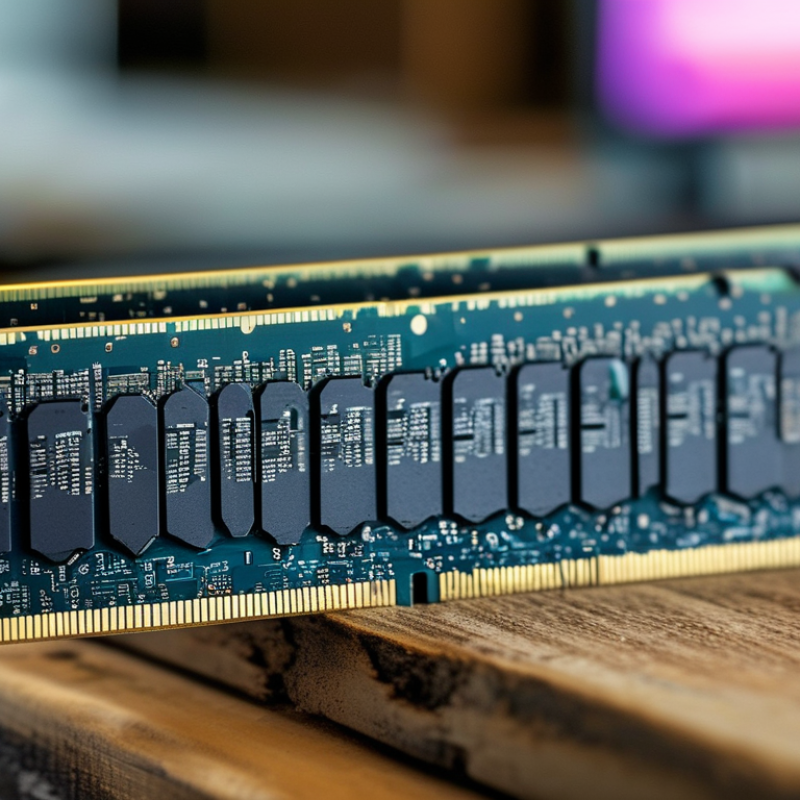
Dynamic Random-Access Memory, commonly known as DRAM, plays a crucial role in the functioning of digital devices. It serves as the temporary storage for data that the CPU actively uses. The speed and efficiency of DRAM memory directly influence the overall performance of devices, from smartphones to computers. When you open a file or run an application, the relevant data quickly loads into DRAM. This process enhances responsiveness. However, if your device runs low on DRAM, you may experience lag or slow performance.
Understanding DRAM's architecture reveals its complexity. DRAM consists of cells, each storing a single bit of data. These cells use capacitors and transistors, which make them faster but also volatile. This volatility means that data is lost when the power is turned off. While DRAM is essential, it’s not without flaws. Manufacturers are continually working to enhance its memory capacity and reduce power consumption. There is also a need for better heat management, as high temperatures can degrade performance. Reflecting on these aspects shows a balance between performance and reliability in DRAM technology.
M?
Each memory cell in DRAM uses a capacitor to hold a charge, representing a bit of data.
Data in DRAM is volatile and disappears when the power is turned off. This is a major limitation.
DRAM needs constant refreshing to maintain the stored data. This can impact performance a lot.
More DRAM generally leads to faster performance in applications, especially in gaming or video editing.
Insufficient DRAM can cause lag, slow load times, and stuttering, making multitasking frustrating.
Consider increasing your DRAM if your device feels slow. Regular updates can also help.
Some experts suggest exploring alternatives to DRAM for specific applications, as they might offer better performance.
While more DRAM can enhance performance, it may not be necessary for all users. Evaluate your needs.
Consider your usage. If your applications are demanding, look for devices with higher DRAM capacity.
DRAM memory, or Dynamic Random Access Memory, is a crucial component in modern computing devices, significantly impacting their performance and speed. Understanding DRAM memory involves exploring its fundamental structure and function, which allows it to store and rapidly access data. Unlike static memory types, DRAM requires constant refreshing to maintain data integrity, making it unique in how it operates.
The effectiveness of DRAM memory directly influences device performance, with faster DRAM contributing to quicker processing times and enhanced multitasking capabilities. Comparing DRAM with other memory types reveals its distinct advantages, such as higher density and lower cost per bit, alongside disadvantages like slower data access speeds. Overall, a comprehensive overview of DRAM memory highlights its vital role in determining the efficiency and capability of electronic devices today.

 Celtrix Memory