In the ever-evolving landscape of computer memory, understanding **how DDR5 improves performance** is crucial for both gamers and professionals. Recent industry reports show that DDR5 offers data transfer rates up to 8400 MT/s, compared to DDR4's maximum of 3200 MT/s. This significant leap provides improved bandwidth for intensive applications, enhancing overall system responsiveness.
As workloads grow increasingly demanding, the need for faster memory has never been more pressing. With up to 70% more bandwidth than its predecessor, DDR5 memory is already showing its potential in real-world benchmarks. For instance, gaming experiences see smoother frame rates, and content creation applications receive faster data processing speeds. However, many users may not realize the importance of optimizing their systems for this upgrade.
Despite these advancements, challenges remain. Compatibility issues with older motherboards can hinder performance gains. Moreover, the actual benefits depend on the specific applications being used. Thus, understanding **how DDR5 improves performance** is critical for making informed upgrade decisions. This deeper insight can ensure that users maximize their investment in next-generation technology.
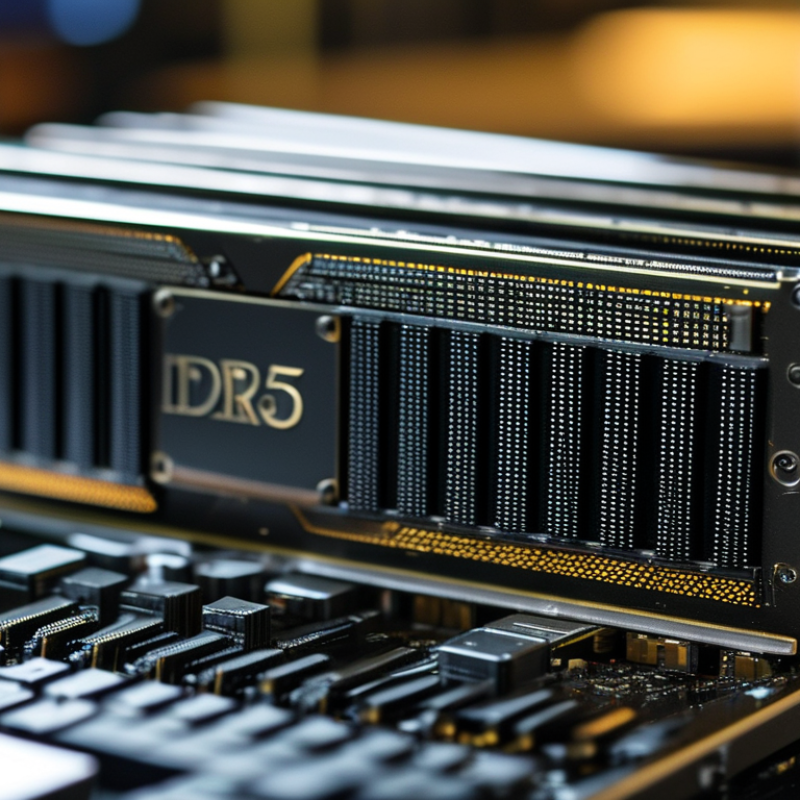
Understanding DDR5 Technology and Its Advantages
DDR5 technology is a significant leap forward in memory performance. It offers higher bandwidth and faster speeds compared to its predecessor. The latest performance reports indicate that DDR5 delivers up to 6400 MT/s, effectively doubling the amount of data transferred per pin. This enhancement is critical for high-performance applications, such as gaming and content creation.
Another advantage of DDR5 is its capacity scalability. Users can now find modules with densities up to 32 GB, and upcoming standards promise even larger sizes. This shift supports more applications and multitasking. Moreover, DDR5 features improved power efficiency. It operates at a lower voltage of 1.1V, compared to 1.2V in DDR4. This reduction results in less heat generation and improved battery longevity for laptops.
While DDR5 holds exceptional promise, the technology is not without its challenges. Compatibility issues can arise with older motherboards. Users must ensure their systems support DDR5 to avoid functionality problems. Analysts suggest that the transitional phase may take time, which could slow down widespread adoption. Embracing DDR5 requires careful consideration of current setups and future needs. It’s essential to weigh both the benefits and potential drawbacks before upgrading.
Increased Bandwidth: How DDR5 Transforms Data Transfer Rates
DDR5 memory is revolutionizing the landscape of computing with its remarkable bandwidth improvements. Traditionally, DDR4 memory operates at a maximum bandwidth of around 25.6 GB/s. In contrast, DDR5 dramatically increases this number to a staggering 51.2 GB/s. This enhancement facilitates smoother data processing, a crucial factor for high-performance applications and gaming experiences. As data demands surge, the increased bandwidth of DDR5 is essential for handling larger datasets efficiently.
One report from industry analysts indicates that DDR5 can provide up to 80% better performance in specific tasks compared to its predecessor. This is particularly significant for memory-intensive applications like video editing and 3D rendering. With the promise of enhanced speeds, users can expect faster load times and improved multitasking capabilities. However, it’s important to note that some users may not see these benefits immediately, as the full potential of DDR5 relies on system compatibility and software optimization.
The leap in data transfer rates not only enhances performance but also impacts system power consumption. DDR5 incorporates features like on-die ECC, which reduces power usage during data transfers. While this is beneficial, users need to consider that the overall effectiveness of these improvements can vary based on hardware configuration and workload types. Insight into these nuances is crucial for optimizing performance in real-world scenarios.
Top 10 Ways DDR5 Boosts Performance for Your Next Upgrade
| Feature |
Benefit |
Impact on Performance |
| Increased Bandwidth |
Allows faster data processing |
Up to 50% improvement in data transfer rates |
| Enhanced Data Rate |
Higher frequencies for better performance |
Increases memory speed by up to 25% |
| Improved Power Efficiency |
Lower voltage consumption |
Reduces energy costs by up to 15% |
| Higher Capacity DIMMs |
Now supports larger modules |
Enables up to 128GB per module |
| Improved Latency |
Faster access to memory |
Decreases latency by up to 10% |
| Dual-channel Architecture |
Increases data path |
Boosts performance significantly |
| On-die ECC Support |
Improved data integrity |
Safer data operations |
| Enhanced Prefetching |
Better utilization of memory bandwidth |
Improves application loading times |
| Improved Thermal Management |
Better heat dissipation |
Longer lifespan of components |
| Backward Compatibility |
Works with older systems |
Seamless upgrade path for users |
Enhanced Efficiency: Power Management Improvements in DDR5
DDR5 memory introduces significant advancements in power management, enhancing efficiency in numerous ways. One notable improvement is its lower operating voltage. DDR5 runs at 1.1V, compared to its predecessor, DDR4, which operates at 1.2V. This reduction translates to lower energy consumption, promoting better overall efficiency in devices.
Moreover, DDR5 features on-die ECC (Error Correction Code). This technology provides real-time error correction. It minimizes data corruption and enhances reliability, especially in critical tasks. Not only does this improve performance, but it reduces the need for excessive data reprocessing, saving both time and resources.
Consider a high-performance gaming setup. The impact of DDR5's efficiency is evident. Games require quick data access, and DDR5 delivers it while consuming less power. This balance is crucial for users seeking extended battery life in laptops or quieter operation in desktops. However, there's a caveat. While the benefits are clear, integrating DDR5 requires new motherboards and chipsets, which might not be readily available or could be costly. Users must weigh these factors against the advantages of upgrading.
Lower Latency: The Impact of DDR5 on Response Times
DDR5 memory is designed to lower latency, significantly improving response times in various applications. This advancement allows users to experience snappier performance during tasks like gaming, video editing, and data processing. With its reduced latency, DDR5 facilitates quicker communication between the CPU and RAM, leading to faster execution of commands. It essentially reduces the time it takes for data to travel, which is crucial for high-performance computing.
For those seeking a performance boost, consider upgrading to DDR5. Its architecture includes a dual-channel structure, which enhances data transfer rates. This means your system can access larger chunks of data simultaneously, reducing the wait time for loading applications or files. Less latency translates to an overall smoother user experience.
Tips for maximizing the benefits of DDR5 include ensuring your motherboard supports this memory type. Also, running memory-intensive tasks can highlight the advantages of lower latency. It’s important to evaluate your current setup, as not all systems may leverage DDR5's full potential. In some cases, a mismatch between components may hinder performance improvements. Reflecting on your specific needs can guide a more strategic upgrade.
Impact of DDR5 on Response Times
Scalability and Future-Proofing: DDR5's Role in Upgrading Systems
DDR5 memory represents a significant leap in performance, especially when considering future-proofing for system upgrades. According to the JEDEC Solid State Technology Association, DDR5 offers a bandwidth of up to 6400 MT/s, nearly double the earlier DDR4's maximum of 3200 MT/s. This increase is crucial as applications demand more data bandwidth for advanced tasks like gaming and content creation.
Moreover, DDR5 enhances scalability by supporting larger capacities per module. It can reach 64GB per DIMM, while DDR4 maxes out at 32GB. This means users can build systems capable of handling more demanding workloads. A study by the International Data Corporation (IDC) suggests that the demand for high-capacity memory will rise by 25% over the next few years, making DDR5 a logical choice for those looking to future-proof their setups.
However, there are considerations. Transitioning to DDR5 may require new motherboards, as DDR4 and DDR5 are not compatible. Budget constraints may also arise, as DDR5 modules are currently more expensive than their predecessors. These factors should be weighed before upgrading. Balancing cost against performance and future needs is vital for an informed decision.
FAQS
: DDR5 offers remarkable bandwidth improvements and lower latency, enhancing overall performance in computing tasks.
DDR5 dramatically increases bandwidth to 51.2 GB/s, while DDR4 maxes out at 25.6 GB/s.
DDR5 reduces loading times and improves multitasking, providing a smoother gaming experience.
Yes, ensuring your motherboard supports DDR5 is essential for realizing its full potential.
Not all users will see instant benefits. Compatibility and software optimization play crucial roles.
DDR5 reduces power usage during data transfers but effectiveness varies by hardware configuration.
Run memory-intensive tasks and evaluate your current setup for optimal performance.
Yes, tasks like video editing and 3D rendering show significant performance gains.
Reflect on your specific needs and check system compatibility to avoid performance mismatches.
Conclusion
DDR5 technology represents a significant leap in memory design, offering various advantages that collectively enhance system performance. One of the key benefits is increased bandwidth, which allows for faster data transfer rates. This improvement in throughput translates directly into enhanced overall system responsiveness and performance during demanding tasks. Additionally, DDR5 brings enhanced efficiency through power management improvements, reducing energy consumption while maintaining high performance.
Another notable aspect is the lower latency of DDR5, which minimizes response times, further contributing to a smooth and efficient user experience. Moreover, DDR5 is designed with scalability and future-proofing in mind, ensuring that systems can adapt to evolving technology demands. Ultimately, these features illustrate how DDR5 improves performance, making it an ideal choice for anyone looking to upgrade their system for better speed, efficiency, and longevity.

 Celtrix Memory