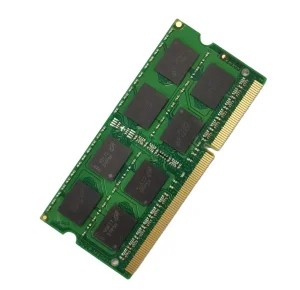
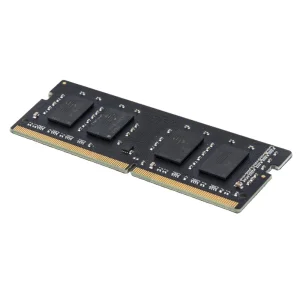
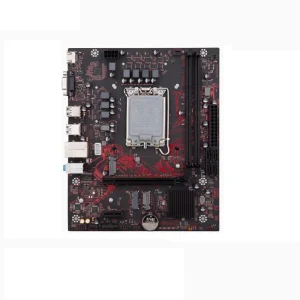
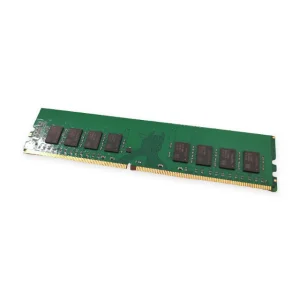
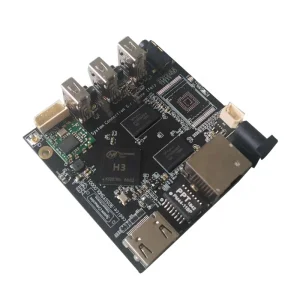
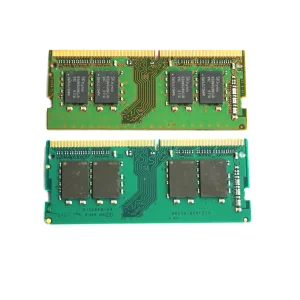
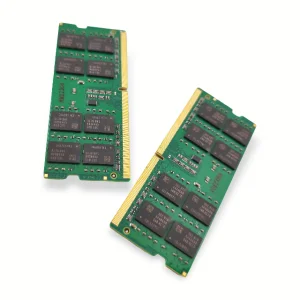
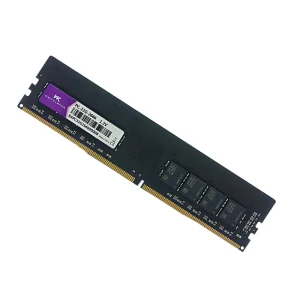
Explore our core high-frequency computing units, PCBA controllers, and enterprise-grade modular chip systems optimized for network switches, edge servers, and industrial control nodes.
A deep dive into regulatory frameworks governing industrial and enterprise-class data switches across global markets.
For modern network switches, compliance with the CE EMC Directive (2014/30/EU) is paramount. Our switch architectures conform strictly to EN 55032 (emission requirements) and EN 55035 (immunity requirements). This guarantees that the high-frequency differential signals passing through physical Layer 2 and Layer 3 interfaces do not emit disruptive electromagnetic radiation, ensuring signal integrity in dense data center environments.
Safety is the bedrock of industrial switch deployments. Our compliance protocols satisfy the CE LVD Directive (2014/35/EU) via testing under EN 62368-1. This standard covers hazard-based safety engineering, mitigating risks from high-voltage inputs, internal power supply conversions (AC-to-DC converters), thermal overloads, and electrostatic discharge (ESD) across PoE (Power over Ethernet) ports.
As part of our commitment to eco-conscious manufacturing, all materials, including PCBs, capacitors, chipsets, and lead-free solder pastes used in our SMT (Surface Mount Technology) assembly processes, are fully certified under the RoHS Directive (2011/65/EU) and its amendment (EU) 2015/863. This facilitates friction-free import customs clearance throughout EU member states.
Understanding how localized raw material access, advanced SMT assembly, and complete PCBA supply chains drive cost-efficiencies and technological innovations.
By leveraging state-of-the-art automated optical inspection (AOI), X-ray component counters, and multi-zone reflow soldering systems, network switch mainboards are fabricated with high physical tolerance, reducing solder joint defects to less than 10 PPM (parts per million).
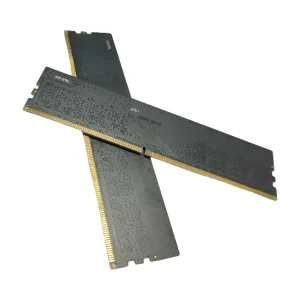
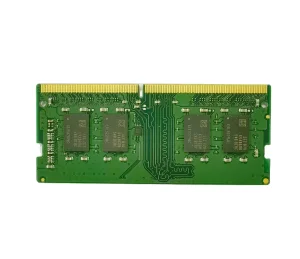
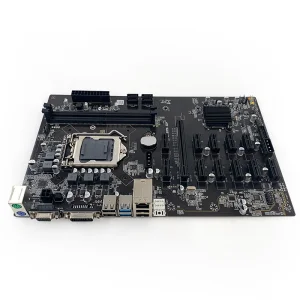
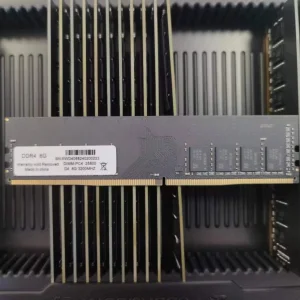
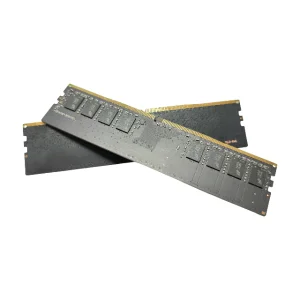
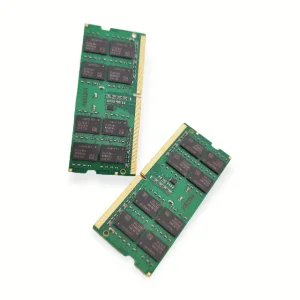
Operating out of the world’s leading electronics hub allows direct procurement of PHY chips, magnetics, capacitors, and DRAM modules (like the high-speed DDR4 memory and motherboard interfaces), minimizing component lead times and optimizing bill-of-materials (BOM) pricing.
With structured warehousing, localized customs hubs, and strong export experience, our products transition seamlessly from high-capacity ports to international destinations, cutting overall lead times down to standard industry-leading limits.
Procurement directors and system integrators face severe operational challenges. Here is how we mitigate risk and ensure seamless hardware provisioning.
We provide structural customizability spanning specialized rackmount enclosures (1U, 2U, desktop), port densities (5-port up to 48-port configurations), PoE allocation (802.3af/at/bt up to 90W per port), and firmware customization (Layer 2 Lite Managed, Layer 3 Enterprise Routing stack, Web GUI, CLI).
Tailored layouts matching space and thermal limits.
Optimal configuration of IC chipsets and DRAM buffers.
Quality assurance is backed by certified ISO 9001 guidelines. Our inspection protocols systematically verify every single production run:
Celtrix Memory Technologies Co., Ltd. is a professional DDR5 memory manufacturer dedicated to delivering high-performance DRAM solutions for global customers. Since its establishment in 2017, the company has focused on the research, development, manufacturing, and customization of premium memory products for consumer, industrial, enterprise, and embedded applications.
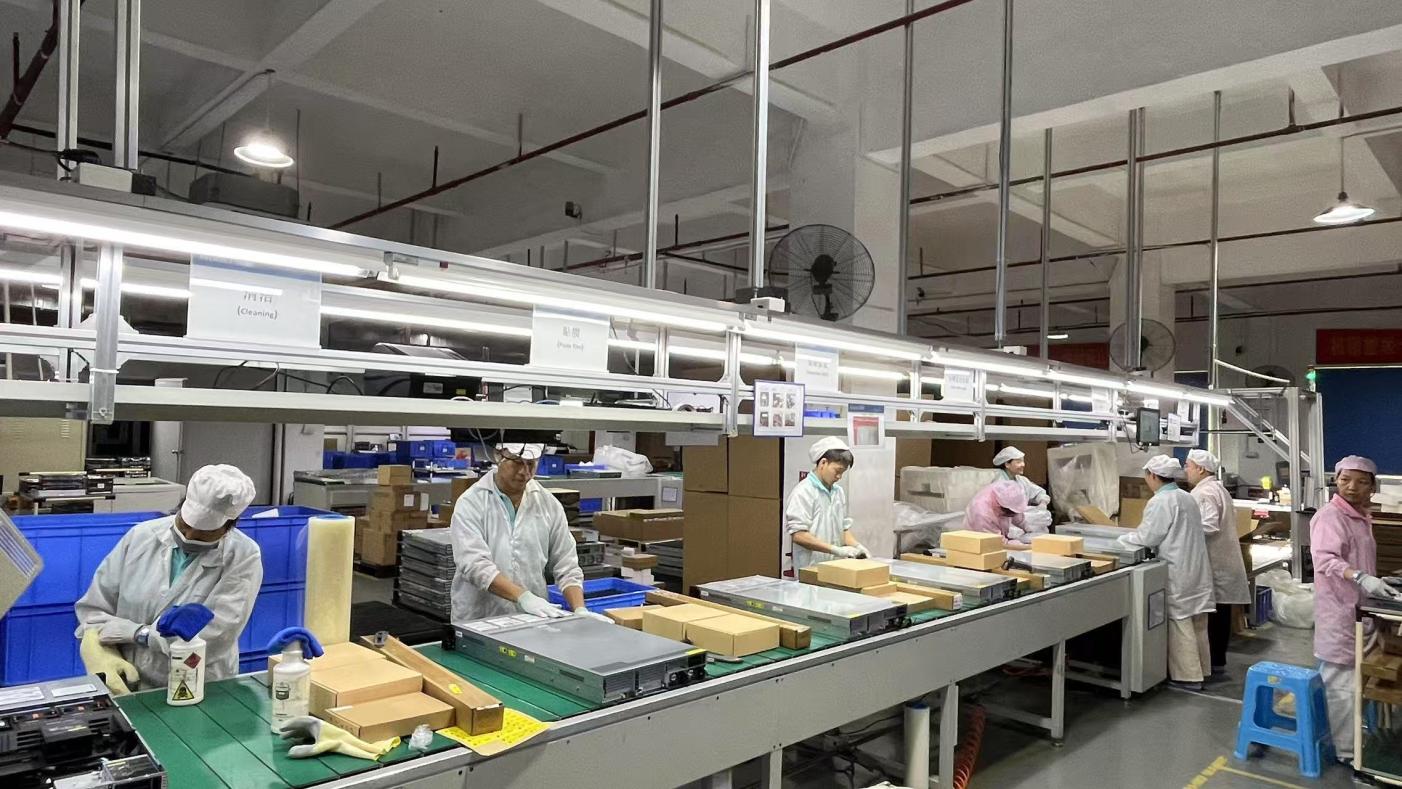
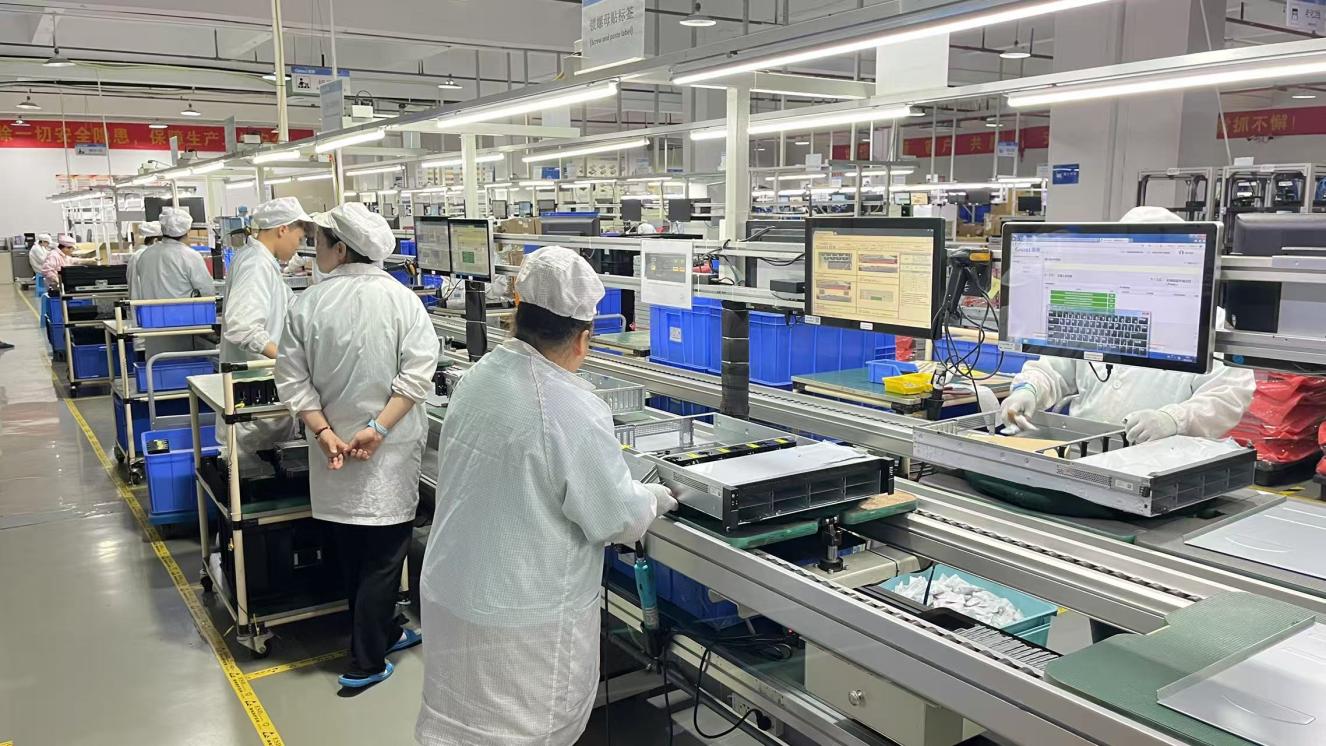
With a modern manufacturing facility covering 28,600 m², Celtrix integrates advanced production equipment, automated assembly lines, and strict quality management systems to ensure reliable product performance and consistent manufacturing standards.
The company has accumulated 9 years of industry experience and 7 years of export experience, serving customers across more than 50 countries. Our annual export revenue exceeds USD 23 million, supported by an efficient global logistics network and responsive customer service.
Our dedicated engineering team continuously develops advanced memory and processing solutions that meet the evolving demands of AI computing, gaming, industrial automation, and enterprise servers. Last year alone, we released 168 new products, supported by 142 R&D engineers.
Quality is the foundation of Celtrix. Every memory module, motherboard, and PCBA assembly undergoes comprehensive inspections throughout the production process, managed by a team of 56 QC Professionals.
Industry demands are changing as virtualization, cloud services, and artificial intelligence expand at the edge.
Traditional Gigabit Ethernet (1G) is facing bottlenecks. High-bandwidth WiFi 6/7 access points and network storage nodes demand switches with 2.5G, 5G, or 10G interfaces. This shift requires larger packet buffer memories and robust processing engines to prevent packet drop during peak workloads.
Next-gen pan-tilt-zoom (PTZ) IP cameras, smart LED lighting systems, and enterprise IoT devices require up to 90W of power over standard RJ45 networking cables. Providing clean power delivery across multi-port environments requires highly efficient thermal designs and specialized PCB structures.
Managed network switches are migrating away from static configuration tables toward centralized SDN controllers. Enterprise switches must support open-source orchestration APIs, SNMP, NetFlow, and OpenFlow, requiring high-reliability DDR memory allocations for dynamic tables.
Optimized switch configurations tailored for varying environments, from industrial manufacturing shop floors to remote edge data centers.
Industrial settings require switches built to survive wide temperature fluctuations (-40°C to 85°C), heavy vibration, and electrical noise. These devices often utilize DIN-rail mounts, redundant dual-DC power inputs, and passive cooling fins to guarantee 100% system uptime on manufacturing assembly lines.
Deploying high-definition IP security cameras across large municipal grids requires robust outdoor-rated PoE switches. These units include built-in 6KV surge protection on ports to survive lightning strikes, along with dual fiber optic SFP ports to facilitate long-distance data transmission back to central control centers.
Enterprise headquarters require high-speed Layer 3 distribution switches to coordinate traffic across internal departments, local network-attached storage (NAS) racks, and external clouds. These systems require high backplane bandwidth and robust RAM modules to manage dynamic IP routing tables without delay.
Get authoritative answers on hardware specifications, compliance processes, and engineering services.
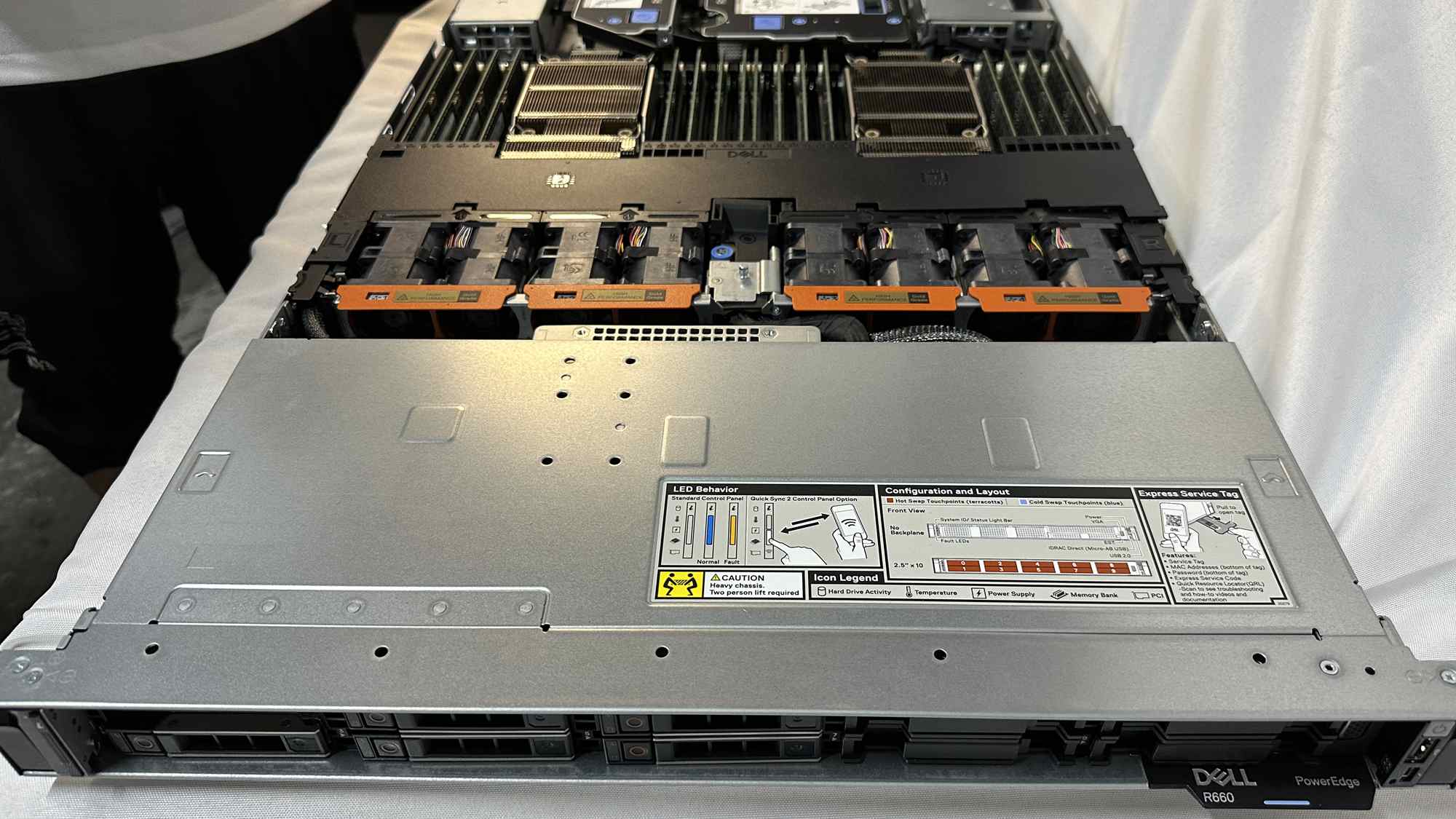
Maximize hardware reliability and processing capabilities with enterprise-grade components, server memory modules, and specialized PCB designs.
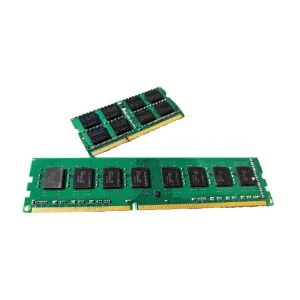
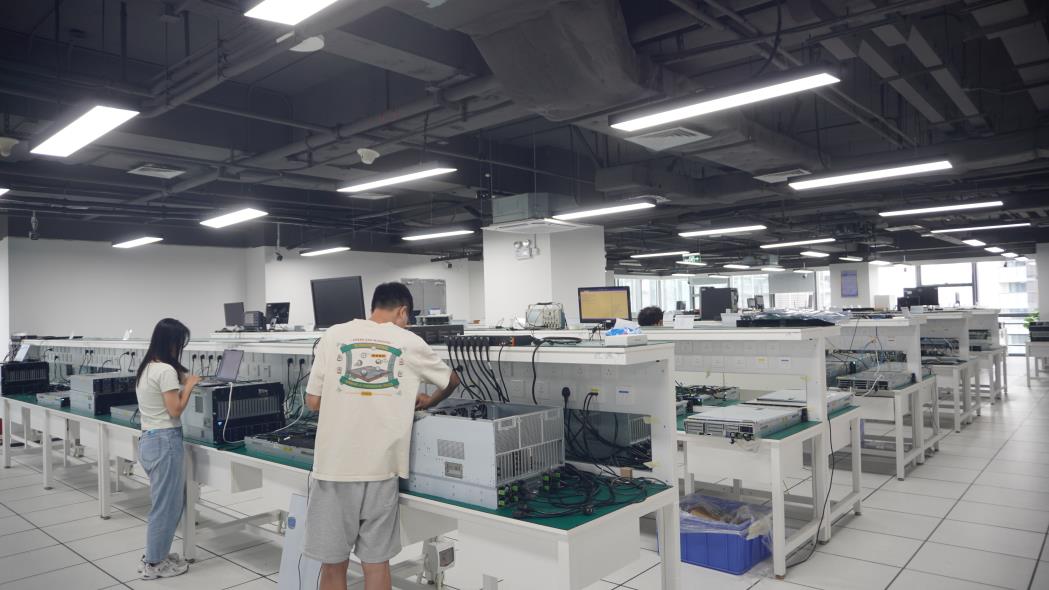
A look inside our 28,600m² manufacturing footprint, high-speed SMT placement areas, and automated testing facilities.

 Celtrix Memory