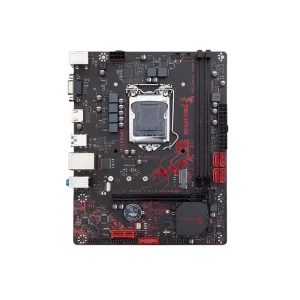
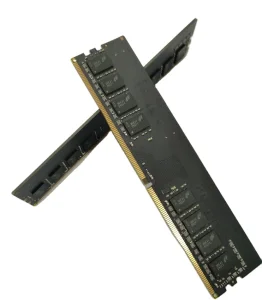
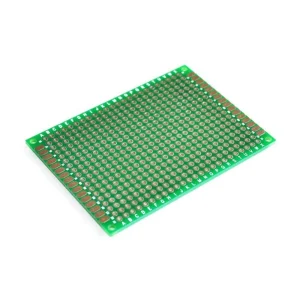
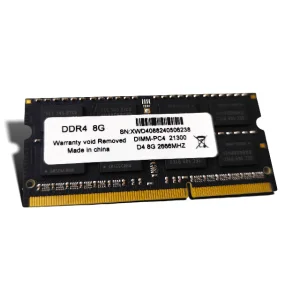
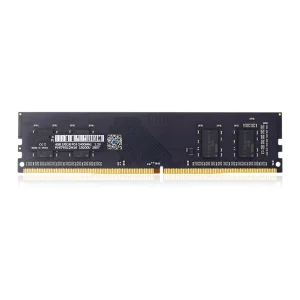
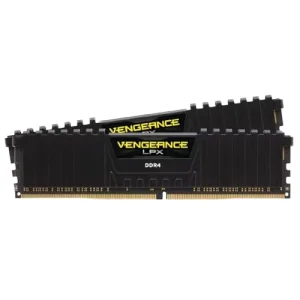
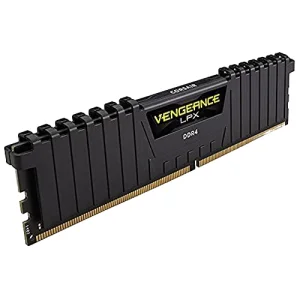
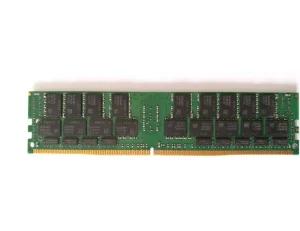
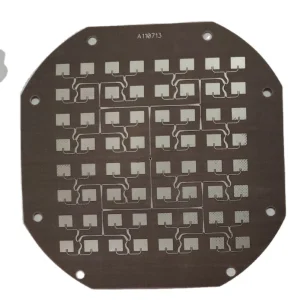
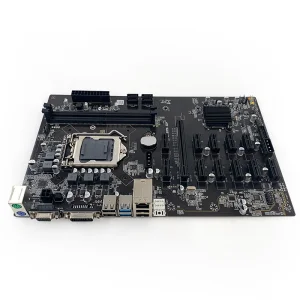
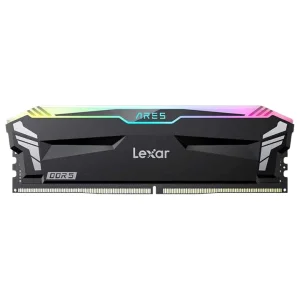
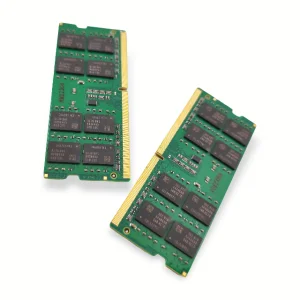
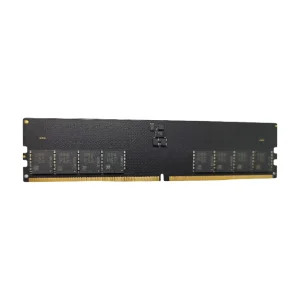
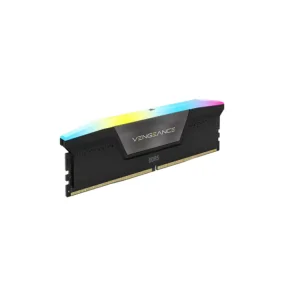
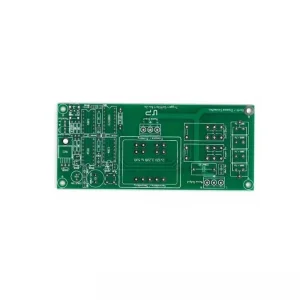
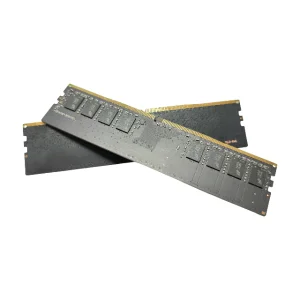
Discover our core collection of desktop components, high-density memory modules, and specialized PCB units engineered for high reliability.
Reliable energy conversion is the backbone of the digital, automated age. Standardizing power infrastructures with certified units protects critical electronics.
The global demand for high-efficiency, certified Power Supply Units (PSUs) has surged significantly with the rise of edge computing, automation, and enterprise database systems. Modern commercial architectures rely on highly stable voltage conversion to prevent hardware degradation. As industrial complexes upgrade to automated processing, the requirement for robust power architectures with strict CE certification becomes paramount.
Furthermore, standardizations like CE (Conformité Européenne) ensure that equipment meets stringent European safety, health, and environmental protection standards. For exporters and system designers, working with accredited Chinese manufacturing centers guarantees that the components can be smoothly integrated into enterprise infrastructures without regulatory bottlenecks.
| Industry Vertical | Standard Power Topology | Key Safety Compliance |
|---|---|---|
| Data Center & AI | Active PFC + LLC Resonant | CE EN62368-1, UL 60950 | Industrial Automation | DIN-Rail Switch-Mode | CE EN61000-6-2, SELV |
| Medical Equipment | Low-Leakage Isolated | IEC 60601-1, CE MDD |
| Telecom Systems | -48V DC-DC Converters | ETSI EN 300 386 |
How our components adapt to varying regional environments, operational criteria, and custom load demands.
Industrial systems operating in South American mining fields or mountainous European weather monitors require custom power components that withstand thin air, sub-zero cold, and voltage sags. Special potting materials and enhanced creepage distances are engineered into these high-altitude units to prevent electric arcing.
Modern computational loads fluctuate instantly from minimal to maximum draws. Working in tandem with advanced memory infrastructures like DDR5 arrays and high-frequency motherboards, our partners' high-grade power supplies utilize digital PMBus interfaces for real-time monitoring and dynamically stable power factor correction.
For European markets, strict ErP Lot 9 requirements demand that standby power states draw less than 0.5W. Our CE certified partner units leverage green-mode PWM controllers to dramatically curtail idle power wastage, complying fully with environmental directives and localized municipal guidelines.
Developing the next generation of smart power delivery and computing platforms to meet global efficiency targets.
Moving away from traditional silicon transistors, the adoption of Gallium Nitride (GaN) components allows the power supply switching frequency to double. This reduces passive component footprint, shrinks overall unit size by up to 40%, and pushes thermal losses down to historically low levels.
Future industrial networks will demand smart diagnostics. Power systems will integrate wireless IoT modules or standardized CAN bus protocols to report component degradation, thermals, and fan cycles directly to cloud dashboard systems for predictive maintenance scheduling.
Future iterations prioritize recycled aluminum chassis housings, biodegradable halogen-free PCBs, and components structured for easy sorting, dismantling, and reclamation at the end of their functional service life, meeting circular economy initiatives globally.
Why sourcing from optimized manufacturing corridors provides unbeatable economic scale, speed-to-market, and component integration.
China's component manufacturing sectors offer unparalleled advantages in terms of material clustering, localized raw sourcing, and specialized engineering talents. By centralizing operations near high-speed shipping ports and raw chemical processors, production lead times are shortened. The capability to transition from prototype design to full-scale mass production within days gives system integrators an immense competitive edge.
Furthermore, localized high-volume component synthesis lowers unit costs without compromising quality, ensuring access to CE compliant components that seamlessly interface with premium hardware platforms.
Pioneering top-tier component manufacturing and integrated solutions for global computing industries.
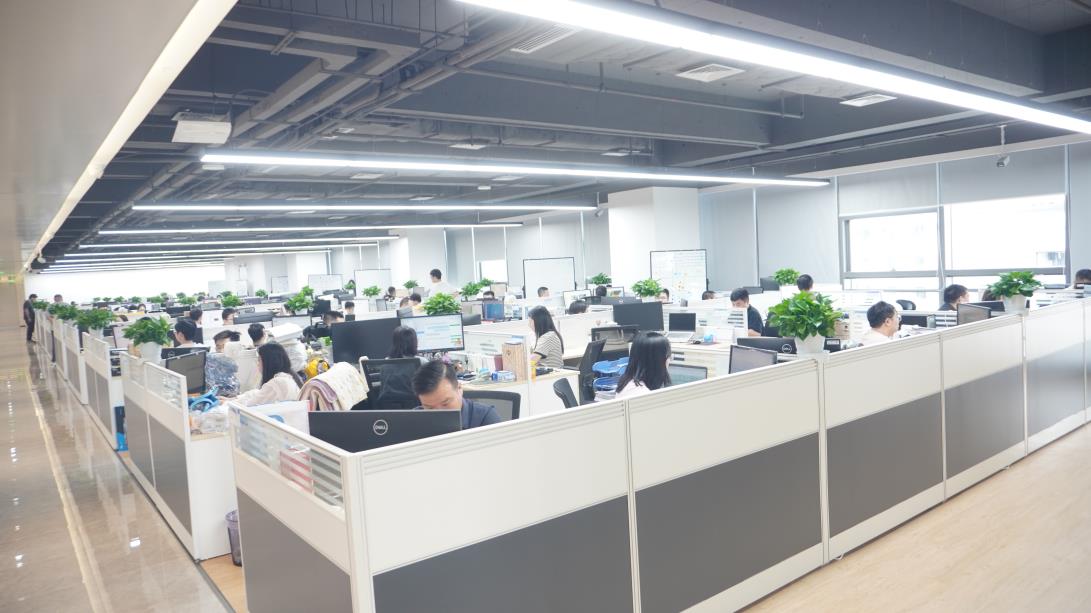
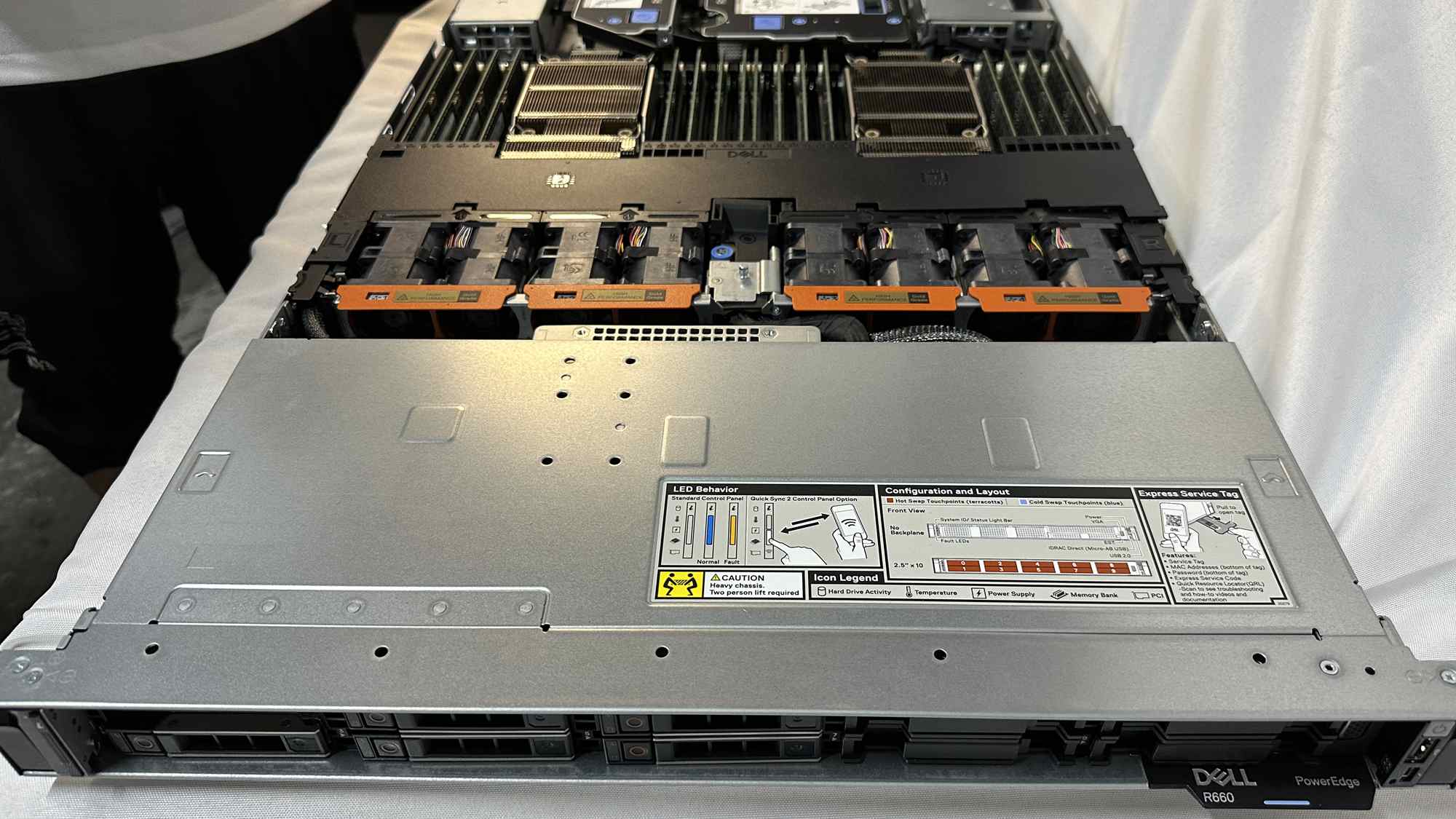
Celtrix Memory Technologies Co., Ltd. is a professional DDR5 memory manufacturer dedicated to delivering high-performance DRAM solutions for global customers. Since its establishment in 2017, the company has focused on the research, development, manufacturing, and customization of premium memory products for consumer, industrial, enterprise, and embedded applications.
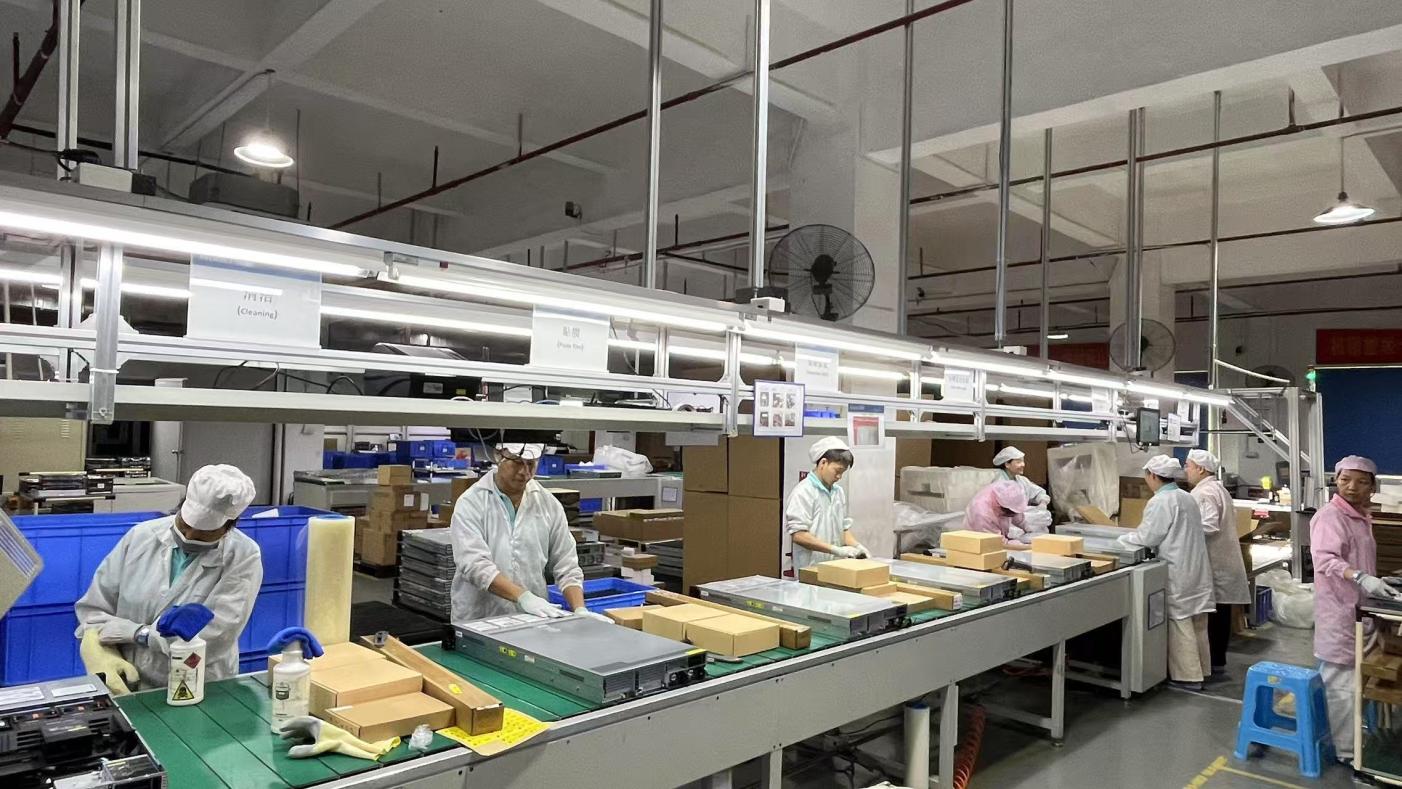
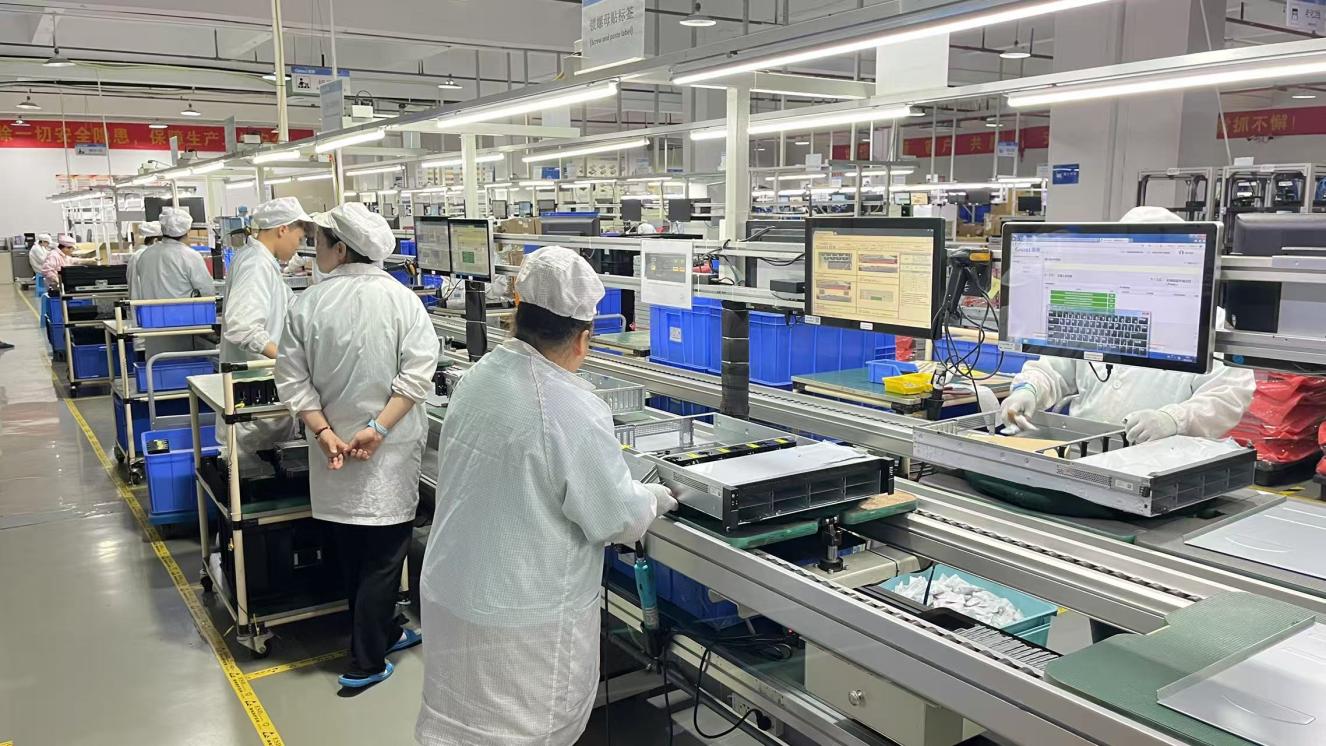
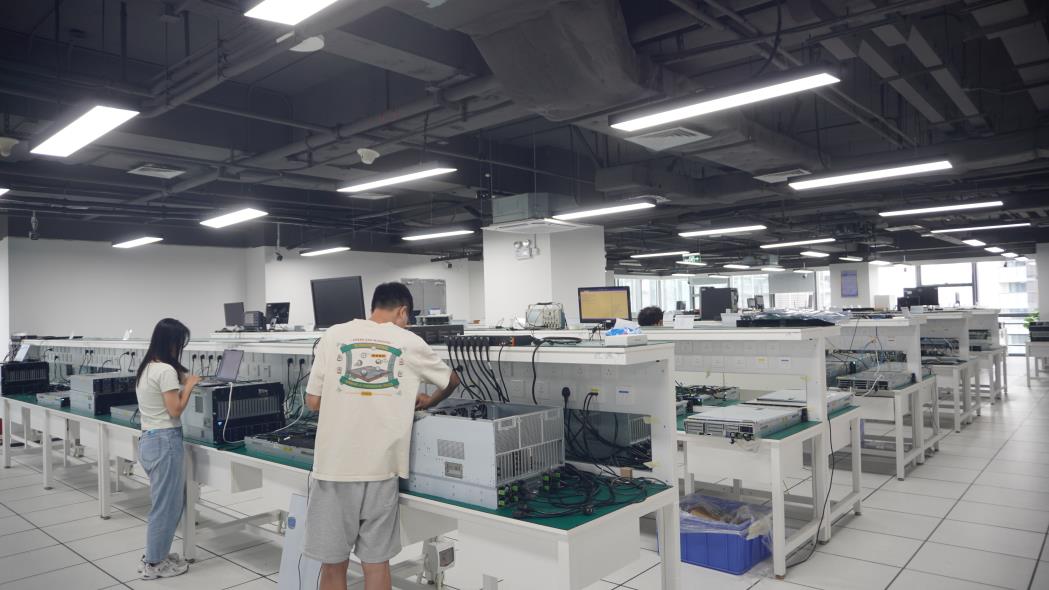
With a modern manufacturing facility covering 28,600 m², Celtrix integrates advanced production equipment, automated assembly lines, and strict quality management systems to ensure reliable product performance and consistent manufacturing standards.
The company has accumulated 9 years of industry experience and 7 years of export experience, serving customers across more than 50 countries. Our annual export revenue exceeds USD 23 million, supported by an efficient global logistics network and responsive customer service.
Quality is the foundation of Celtrix. Every DDR5 memory module and companion component undergoes comprehensive inspections throughout the production process:
Innovation is at the core of Celtrix's business strategy. Our dedicated engineering team continuously develops advanced electronics solutions that meet the evolving demands of AI computing, gaming, industrial automation, and enterprise servers.
Custom laser marking, custom heat spreader colors, customized corporate and private labeling options.
Capacity customization, PCB layout tuning, SPD programming, and thermal pad selection for special climates.
Retail blister packaging, anti-static tray packing, bulk shipping design, and high-impact logistics outer-boxes.
Navigating global trade frameworks with strict compliance verification, certifications, and technical consulting.
For importers doing business in the EU, the CE marking is not just a label—it is a legal passport. Power supply units must comply with several directives:
We provide localized technical documentation, test reports, and declarations of conformity (DoC) to expedite customs clearance. With partners across major trade zones, our clients receive on-demand diagnostic and replacement support, ensuring zero downtime in operational systems.
Discover more professional-grade memory strips, dual-sided boards, and motherboard platforms to complete your assembly needs.
Detailed technical responses to the most common inquiries regarding certification, engineering compatibility, and order fulfillment.
 Celtrix Memory