Engineered with high frequency control boards, robust components, and industrial-grade compatibility
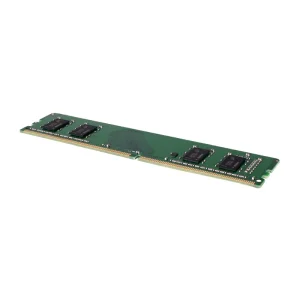
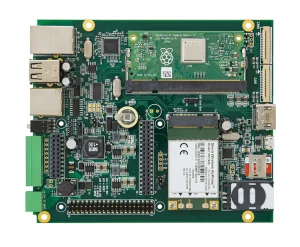
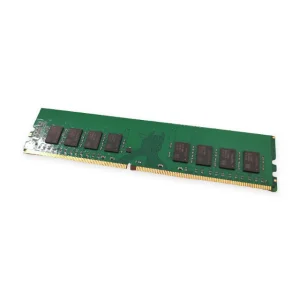
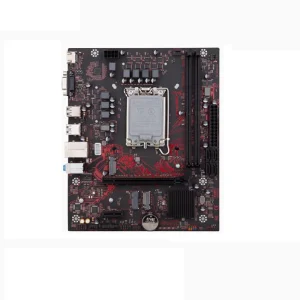
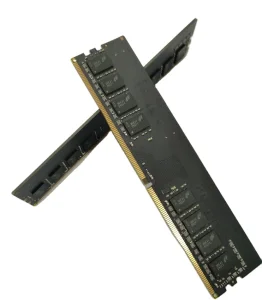
Unlocking robust high-bandwidth connectivity and secure power delivery at scale
For modern corporations importing computer peripherals into the European Economic Area (EEA), the CE marking represents more than just a regulatory hurdle. It is a mandatory badge of verification certifying that the equipment conforms to rigorous safety, health, and environmental protection frameworks. Specifically, USB hubs must align with three primary European Union directives:
"CE Certification ensures that high-capacity multi-port USB hubs mitigate electromagnetic interference, protect connected downstream hardware from surge spikes, and maintain thermal equilibrium under 24/7 continuous operation."
What procurement managers and systems architects must evaluate for zero-fault integration
Multi-port USB hubs must support intelligent power allocation via USB-PD 3.0/3.1 protocols. This prevents downstream voltage drops when drawing maximum load across memory, external SSDs, and mobile platforms simultaneously.
Built-in Electrostatic Discharge (ESD) protection lines (typically up to 15kV air and 8kV contact discharge) safeguard core chipsets like Genesys Logic or VIA Labs from damage caused by static electricity during hot plugging.
High-quality USB hubs leverage premium ICs featuring multi-transaction translators (MTT) instead of single-transaction translators (STT). This ensures legacy USB 2.0 devices do not bottleneck high-speed USB 3.2 data lines.
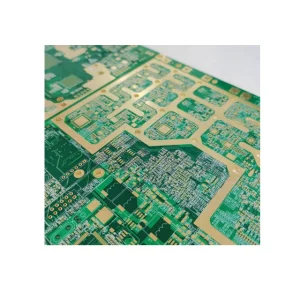
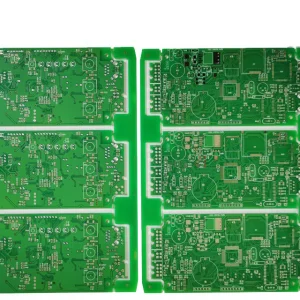
High-frequency high-speed USB hubs (supporting 10Gbps USB 3.2 Gen 2 or 40Gbps USB4) demand rigorous transmission line designs. Typical enterprise manufacturers utilize 4 to 6-layer FR-4 or Rogers mixed-pressure PCBs to achieve targeted differential impedance. Signal lines must match 90 ohms differential impedance for USB high-speed lines to minimize signal reflections, insertion loss, and crosstalk.
Under continuous operation in server racks or industrial enclosures, temperature management is critical. Manufacturers employ high TG (Glass Transition Temperature > 170°C) substrates, such as Shengyi or Rogers high-frequency material. This guarantees structural stability, preventing trace delamination under thermal stress and maintaining continuous data integrity for connected mission-critical storage modules.
Precision placement of microcontroller units (MCUs) and power management ICs (PMICs) requires high-end SMT lines. Precision reflow soldering, coupled with 3D Automated Optical Inspection (AOI) and X-ray validation, ensures there are no cold solder joints, bridge short circuits, or component misalignments that could compromise the hub’s performance during deployment.
A professional DRAM and hardware manufacturing powerhouse serving global enterprises
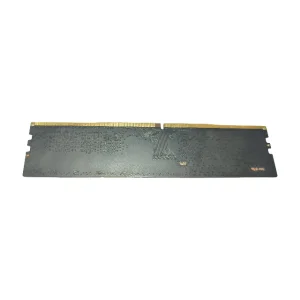
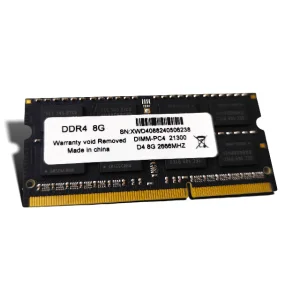
Celtrix Memory Technologies Co., Ltd. is a professional DDR5 memory and high-end hardware manufacturer dedicated to delivering high-performance DRAM solutions and complex hardware systems for global customers. Since its establishment in 2017, the company has focused on the research, development, manufacturing, and customization of premium memory and connectivity products for consumer, industrial, enterprise, and embedded applications.
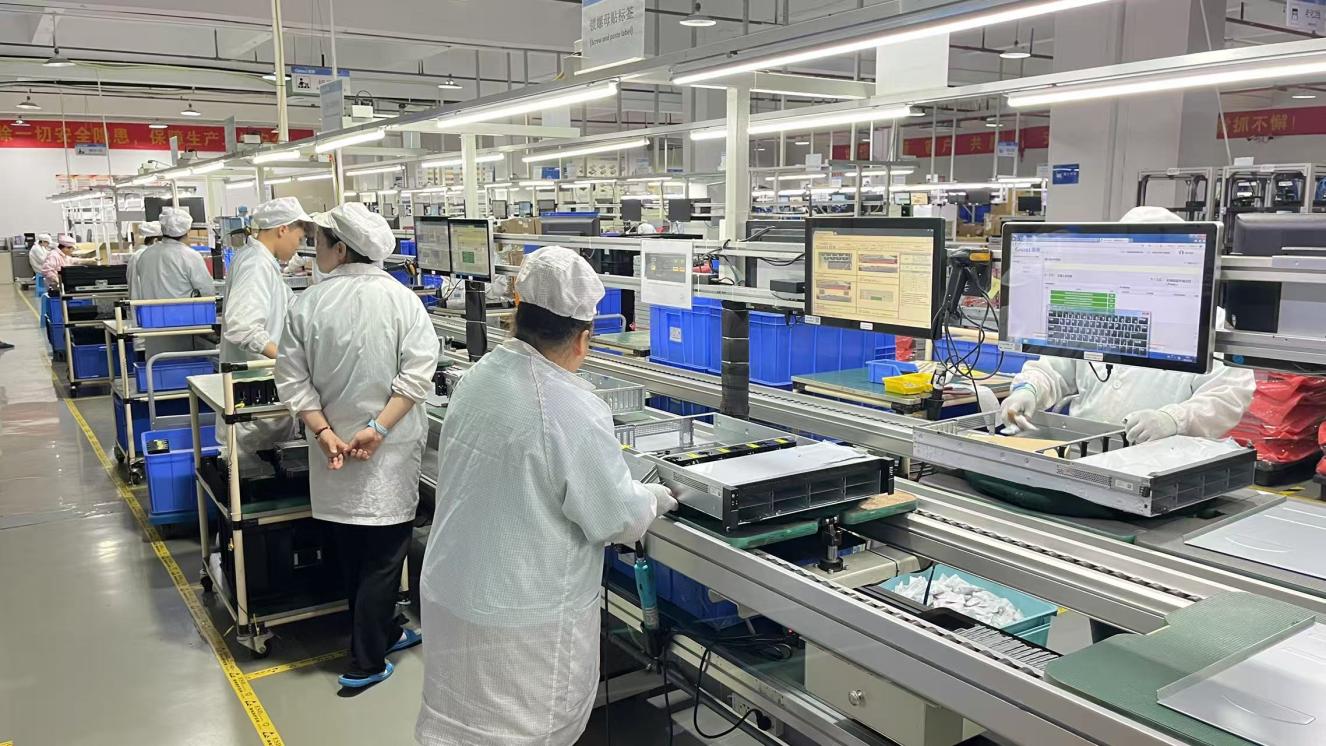
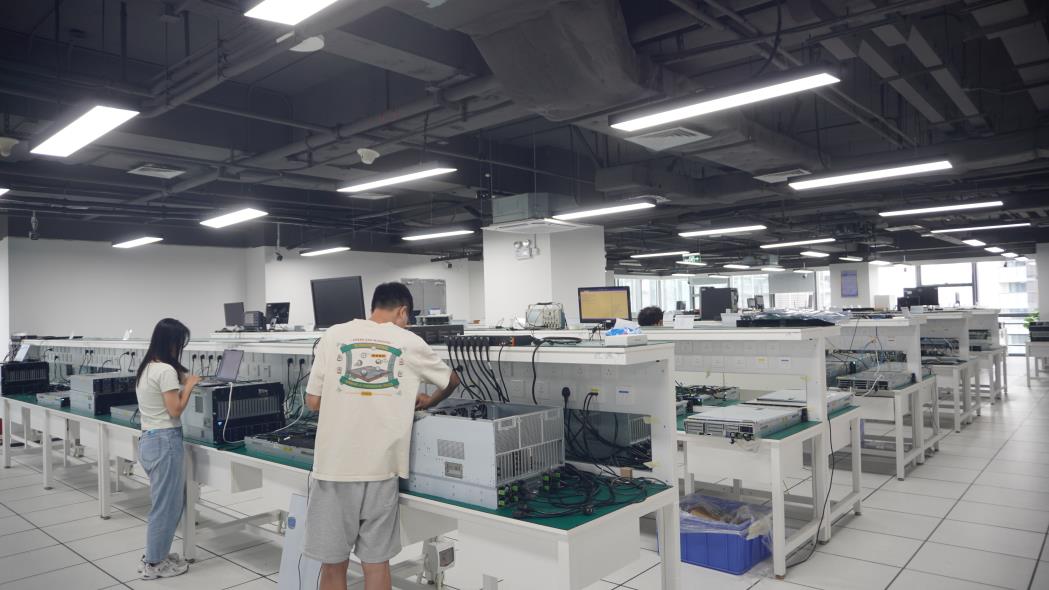
With a modern manufacturing facility covering 28,600 m², Celtrix integrates advanced production equipment, automated SMT assembly lines, and strict quality management systems to ensure reliable product performance and consistent manufacturing standards.
The company has accumulated 9 years of industry experience and 7 years of export experience, serving customers across more than 50 countries. Our annual export revenue exceeds USD 23 million, supported by an efficient global logistics network and responsive customer service.
Quality is the foundation of Celtrix. Every hardware assembly and high-speed memory module undergoes comprehensive inspections throughout the production lifecycle to guarantee absolute reliability:


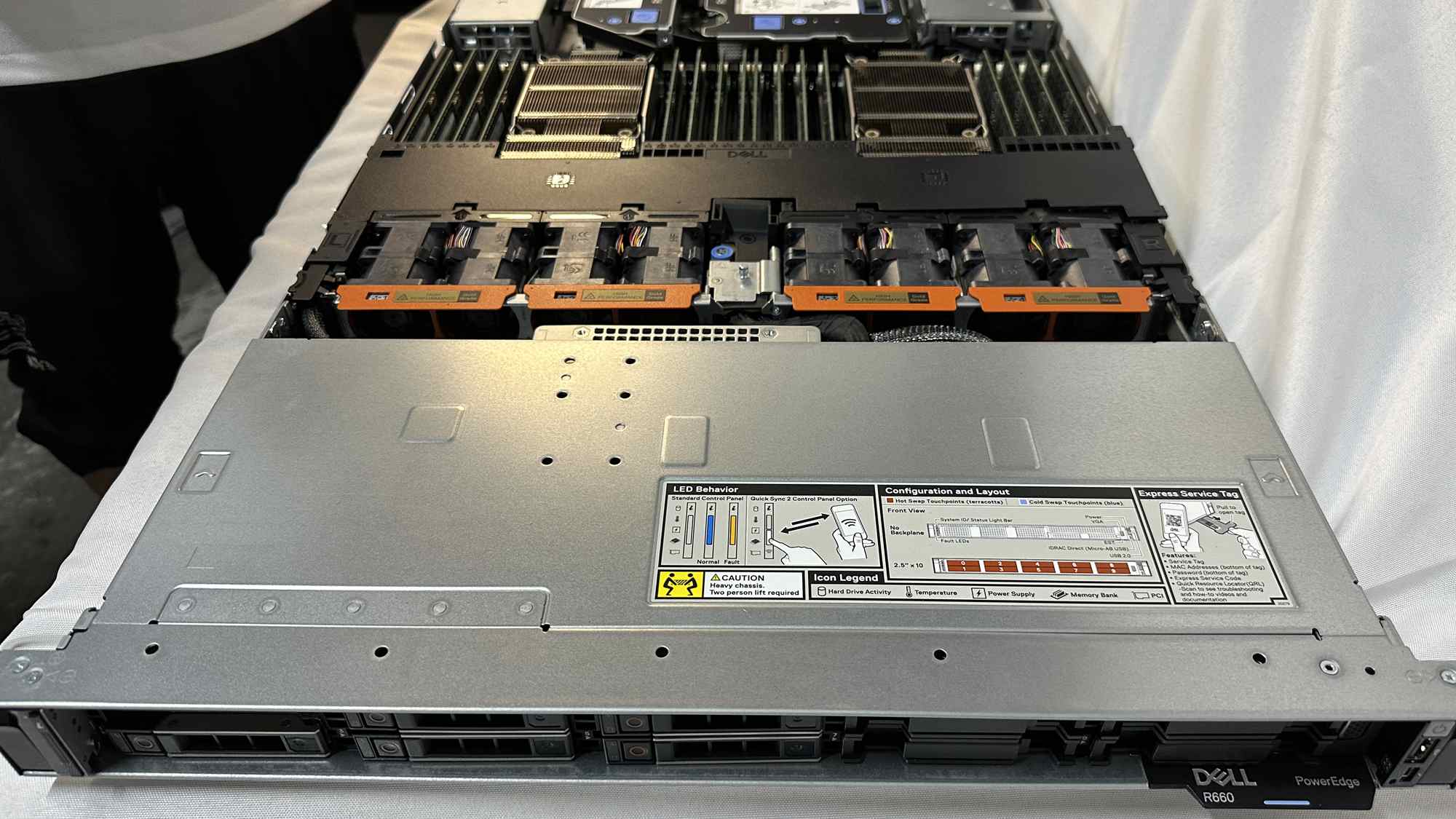
Adapting connectivity topologies to specialized operational conditions
For industrial control systems, USB hubs require DIN-rail mountings, wide-temperature support (-40°C to 85°C), and ruggedized galvanic isolation. This prevents ground loop currents from damaging vulnerable control PCs.
High-end developers and designers rely on multiple monitors, high-performance RAM modules, and fast SSDs. Our integrated USB hubs provide high-speed lanes combined with 100W Power Delivery to drive clean, single-cable desktop solutions.
Medical environments demand strict CE compliance alongside electromagnetic isolation to prevent interfering with sensitive patient monitoring systems. Sealed, easy-to-clean enclosures ensure hygiene compliance.
As data speeds continue to scale, the USB-C standard is transitioning rapidly towards USB4 and Thunderbolt 5. These protocols demand next-generation signal re-drivers to maintain signal integrity over longer distances. Celtrix is pioneering research into active optical USB cables and integrated GaN (Gallium Nitride) charging hubs to offer higher efficiency and density, reducing device footprints by up to 40% while doubling thermal dissipation capacities.
Expert technical insights regarding CE certification, USB Hub design, and enterprise procurement
CE certification guarantees that the USB hub adheres to EU safety, health, and environmental standards (specifically EMC, LVD, and RoHS). Without valid CE certification, products can be seized at customs, and businesses can face major liability issues if the equipment causes electrical or RF interference.
MTT (Multi-Transaction Translator) hubs feature dedicated translators for each port. This ensures that legacy USB 2.0 or 1.1 peripherals do not slow down the other ports on the hub. STT (Single-Transaction Translator) hubs share one translator across all ports, which can cause significant performance degradation when mixed devices are connected.
With our 142 R&D engineers, we offer extensive custom branding services, including custom laser logo engraving, capacity customization for embedded systems, custom heat spreaders, SPD programming, label designs, and customized retail packaging.
To prevent signal attenuation at high speeds (10Gbps+), we utilize high-quality active signal re-drivers or retimers within the PCB layout, combined with high-grade shielding and impedance control loops, ensuring zero-packet loss during high-speed data transfers.
Our USB Power Delivery hubs include built-in NTC thermistors. This enables the chipsets to monitor temperatures in real-time and dynamically throttle the charging output to prevent overheating if the internal temperature exceeds safe operating thresholds.
Factory-direct memory modules and multi-layer PCBs for industrial system integration
 Celtrix Memory