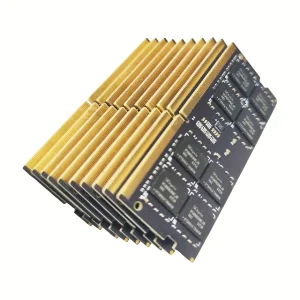
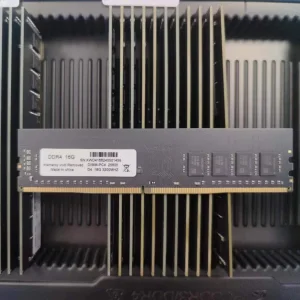
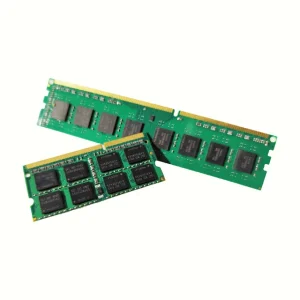
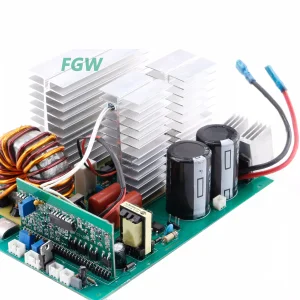
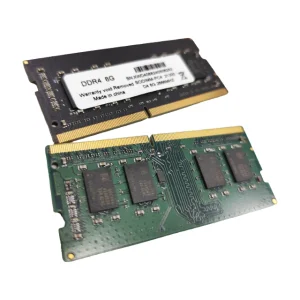
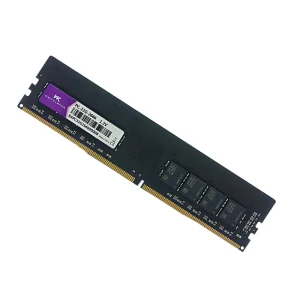
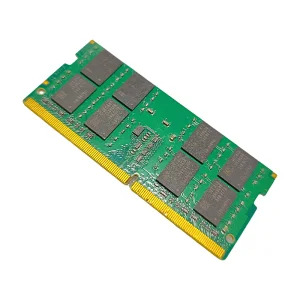
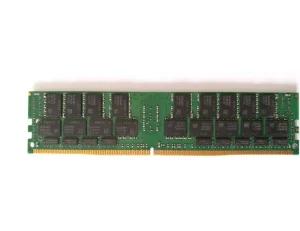
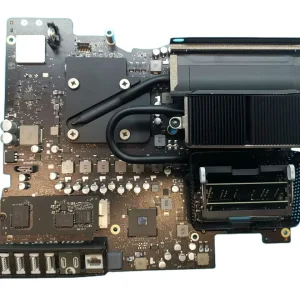
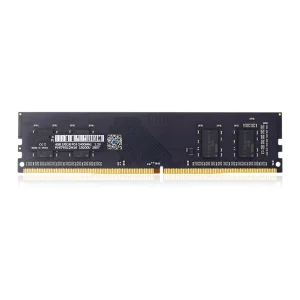
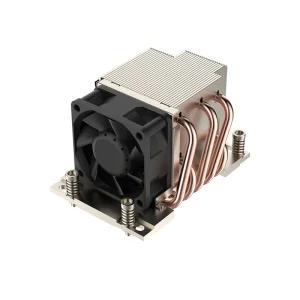
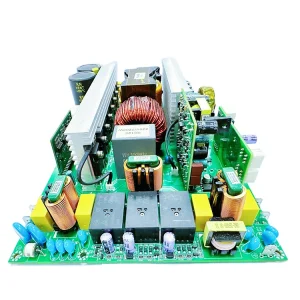
High-performance processing modules optimized for high-temperature and harsh industrial applications serving Chittagong's heavy marine and logistics sectors.
As the commercial capital of Bangladesh and the maritime gateway of the Bay of Bengal, Chittagong (Chattogram) handles over 90% of the country’s international trade. The concentration of manufacturing hubs within the Chittagong Export Processing Zone (CEPZ), the Karnaphuli Export Processing Zone (KEPZ), and the emerging Bangabandhu Sheikh Mujib Shilpa Nagar (BSMSN) has catalyzed an industrial revolution. From shipbuilding yards, petroleum refineries, and steel mills to automated textile industries and high-speed port logistics networks, modern machinery in Chittagong relies on robust embedded systems and high-density printed circuit boards (PCBs).
However, the local environment presents significant challenges. High relative humidity (often exceeding 80% during monsoon seasons), coastal atmospheric salinity, and severe thermal stress caused by 24/7 industrial operations require printed circuit boards that possess extraordinary thermal and mechanical stability. Standard FR-4 materials with a glass transition temperature (Tg) of 130°C to 140°C are prone to delamination, pad lifting, and board warping under these extreme conditions. For critical industrial systems in Chittagong, selecting High-TG PCBs (Tg ≥ 170°C to 180°C) is not just an upgrade; it is a necessity for operational safety and longevity.
As a leading High-TG PCB manufacturer and electronic manufacturing services (EMS) provider, we specialize in delivering high-frequency, multi-layer circuit boards engineered to withstand harsh sub-tropical marine climates. Our advanced PCB fabrication and PCBA processing ensure that critical infrastructure in Chittagong operates without interruption.
Glass Transition Temperature (Tg) defines the temperature threshold at which the base laminate matrix transitions from a hard, rigid, glass-like state to a flexible, rubbery state. When an operating system exceeds this critical threshold, the physical characteristics of the board undergo a rapid degradation. Below is a comparative breakdown of standard, medium, and high-TG materials:
| Thermal Property / Metric | Standard-TG PCBs | Medium-TG PCBs | High-TG PCBs (Our Specialty) |
|---|---|---|---|
| Glass Transition Temp (Tg) | 130°C - 140°C | 150°C - 165°C | 170°C - 180°C+ (e.g., Shengyi S1000-2, IT180A) |
| Decomposition Temp (Td) | ≤ 310°C | ≤ 325°C | ≥ 340°C - 350°C |
| Z-Axis Thermal Expansion (CTE) | 3.5% - 4.5% | 3.0% - 3.8% | 2.2% - 2.8% (Significantly lower trace stress) |
| T260 / T288 Delamination Time | < 30 minutes / N/A | ≥ 30 mins / ≥ 5 mins | ≥ 60 mins / ≥ 15 mins (Excellent lead-free reflow profile compatibility) |
| Thermal Shock Resistance | Moderate | Good | Excellent (Survives multiple thermal shock cycles -40°C to 125°C) |
A high Tg rating alone does not tell the full story. For high-reliability electronic assemblies, we must analyze the Decomposition Temperature (Td). Td is the point at which the organic resin matrix loses 5% of its total weight due to thermal chemical breakdown. When a high-TG substrate (Td ≥ 345°C) is subjected to lead-free soldering processes (which routinely peak around 260°C), it preserves its mechanical matrix integrity. This prevents copper traces from separating from the substrate and avoids internal micro-cracks in multi-layer structures.
Additionally, the Z-axis Coefficient of Thermal Expansion (CTE) is highly critical. Since copper has a lower CTE (approx. 17 ppm/°C) compared to standard epoxy resin (over 50 ppm/°C), thermal cycles cause mismatched expansion rates. High-TG laminates reduce the resin’s CTE in the Z-axis, minimizing tensile stress on the electroplated copper in the plated through-holes (PTH), ensuring consistent electrical continuity even during major temperature shifts.
When sourcing High-TG PCBs and complex PCB assemblies, industrial procurers in Chittagong look for a partner that bridges high technology with cost optimization. China-based electronics manufacturing stands out globally by providing an integrated ecosystem that local Bangladeshi manufacturers cannot replicate. Here is why partnering with our factory delivers unparalleled advantages:
By leveraging Chinese manufacturing scale, Celtrix Memory Technologies Co., Ltd. provides Chittagong’s industries with high-complexity PCBs at a fraction of the cost, complemented by swift shipping networks connecting Shanghai/Shenzhen ports to the Port of Chittagong directly, ensuring reliable delivery schedules.
A professional DRAM and High-TG PCB assembly manufacturer serving global industrial partners since 2017.
Celtrix Memory Technologies Co., Ltd. is a specialized high-performance hardware manufacturer dedicated to delivering premium DRAM solutions, multi-layer PCBs, and advanced electronic assemblies. Established in 2017, the company integrates top-tier material processing and rigorous testing procedures. We bring over 9 years of industry experience and 7 years of direct export experience to buyers in Chittagong, Bangladesh, and over 50 countries worldwide.
Our quality assurance flow complies strictly with the ISO 9001:2015 standard. Every component, from high-TG raw laminates to fully populated PCBA systems, undergoes rigorous testing including: Incoming Material Inspection (IQC), In-Process Quality Control (IPQC), Automated Optical Inspection (AOI), Burn-in and aging tests, compatibility testing, and final quality control (FQC) validation.
Our High-TG PCBs and PCBA assemblies are tailored to support the unique operating conditions of Chittagong's main economic activities:
Chittagong Port relies on automated container cranes, heavy-duty RTGs (Rubber-Tired Gantry), and complex terminal operating systems. The controllers powering these machines are constantly exposed to marine salt spray and vibrating diesel engines. High-TG multilayer PCBs are crucial to prevent thermal stress fractures in control microprocessors, ensuring the port operates smoothly without costly down-time.
The garment manufacturing sector in the CEPZ operates high-speed spinning and weaving machines continuously. These manufacturing lines run 24 hours a day under intense temperatures inside industrial facilities. Standard PCB controllers often fail prematurely due to thermal fatigue. Our High-TG PCB configurations are designed to withstand constant ambient temperatures exceeding 60°C inside sealed equipment enclosures, preventing manufacturing delays.
Bangladesh is actively expanding its solar power infrastructure. Photovoltaic inverters deployed in solar farms near Chittagong convert DC to AC under direct sun exposure, producing high internal heat. The thermal control boards within these inverters require a high-TG base laminate, combined with thick copper plating (up to 3oz or more), to safely carry high currents and maintain continuous energy production.
The global electronics market is moving toward high-frequency, high-density, and environmentally friendly solutions. As semiconductor integration increases, high-TG PCB fabrication has become a critical standard across several key developments:
First, the widespread adoption of lead-free soldering (demanded by environmental standards like RoHS and REACH) has significantly increased reflow temperatures. While traditional leaded soldering occurred at roughly 210°C, lead-free alternative alloys (such as SAC305) require temperatures between 245°C and 260°C. Standard FR-4 laminates undergo rapid thermal expansion at these levels, which can warp or damage the boards. Consequently, High-TG substrates have become the standard choice for multi-layer PCB assemblies, ensuring they can undergo multiple reflow cycles without damage.
Second, the rise of edge AI computing and high-density memory modules (like DDR5 and LPDDR5) requires extreme circuit density. As multi-layer counts increase to 12, 16, or even 32 layers, thermal dissipation becomes a major challenge. The high glass transition temperature ensures that internal layers expand at the same rate, preventing trace cracks. Additionally, high-frequency, low-loss materials are frequently combined with high-TG resins to support fast data transmission with minimal signal decay.
A glimpse inside our ISO 9001:2015 certified manufacturing plant, highlighting our automated SMT lines, advanced testing zones, and production efficiency.
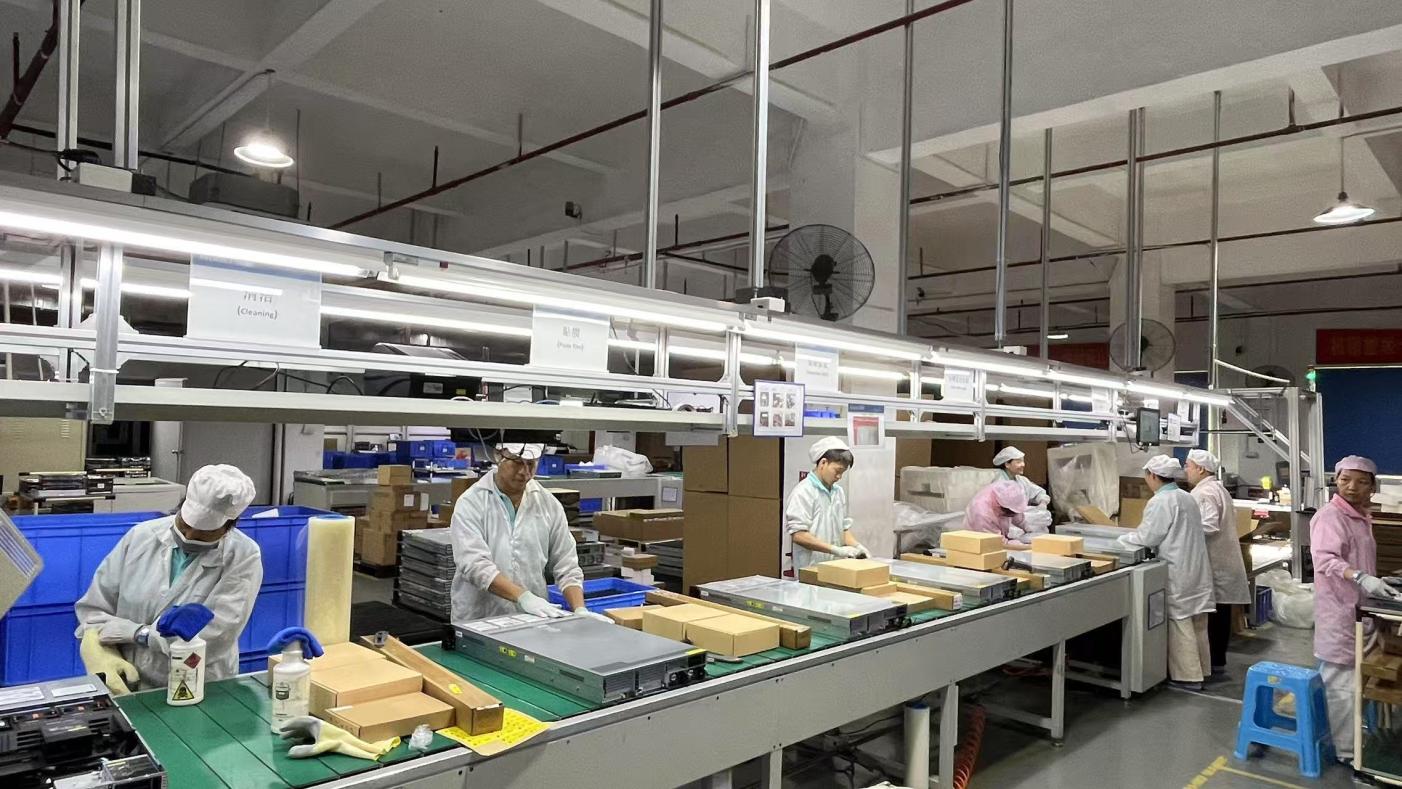
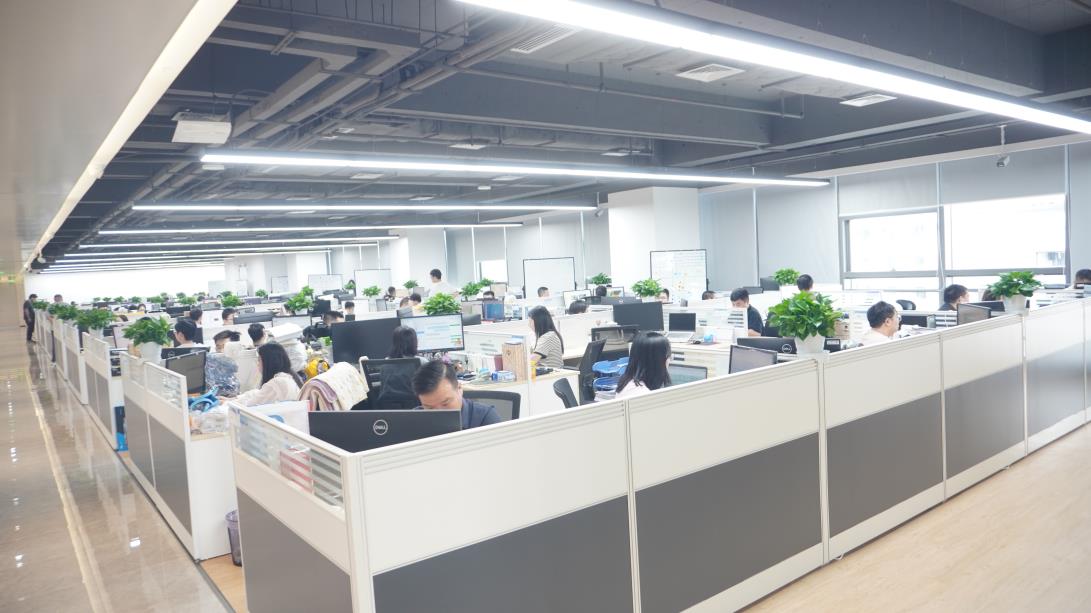
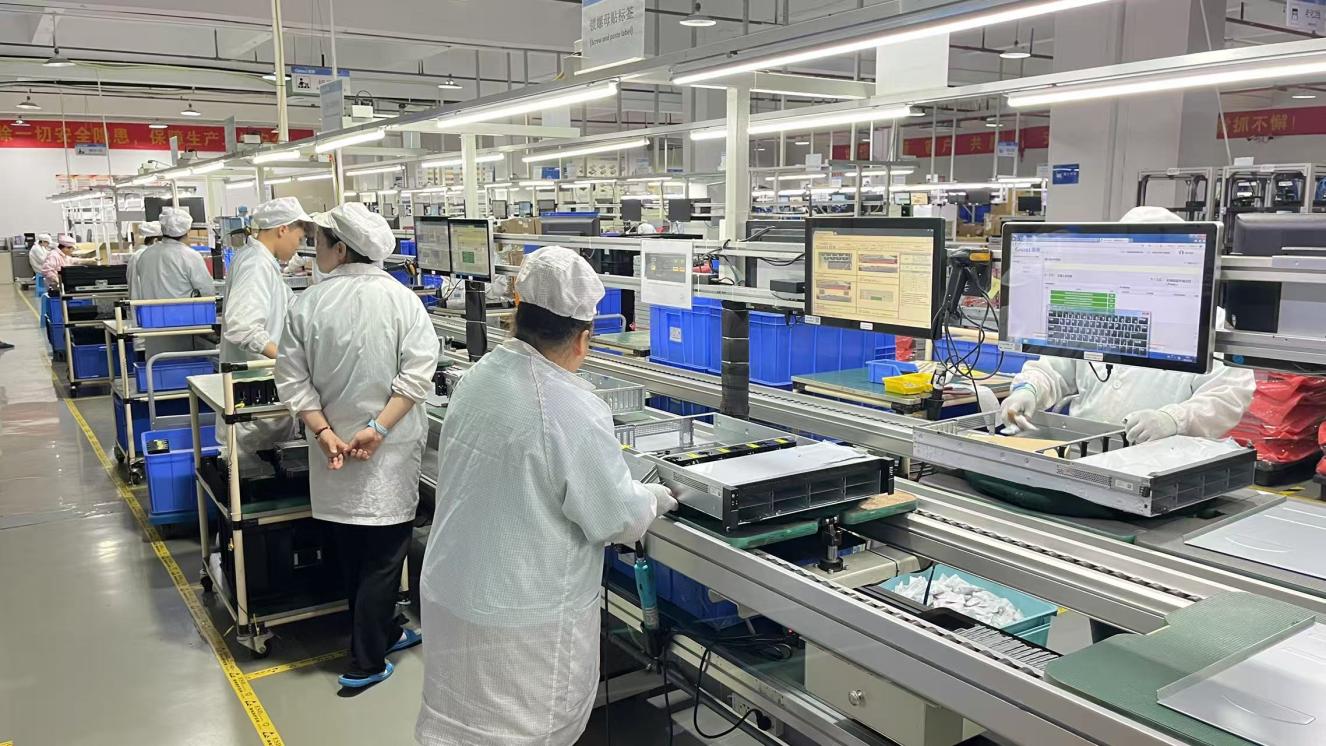
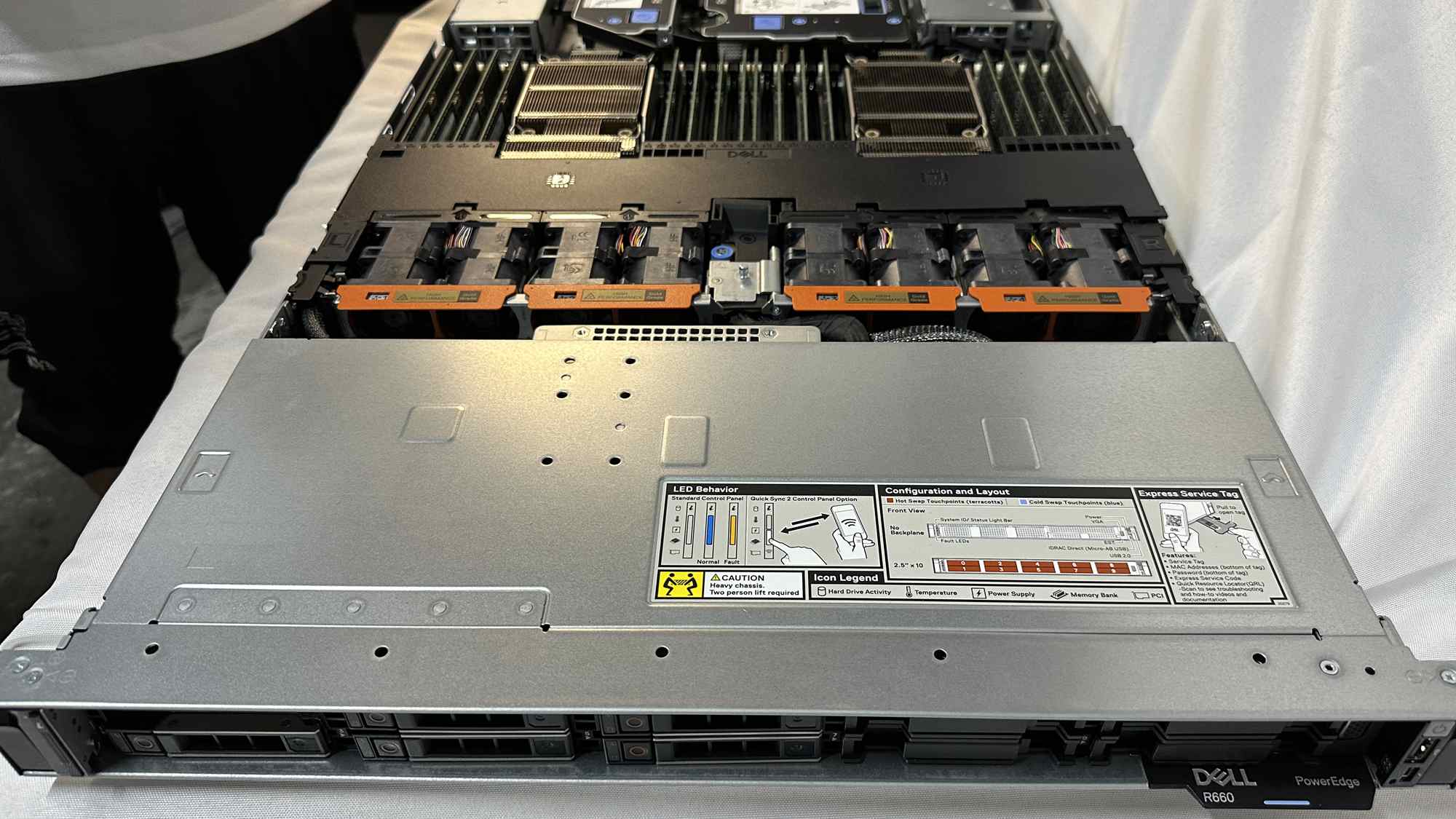
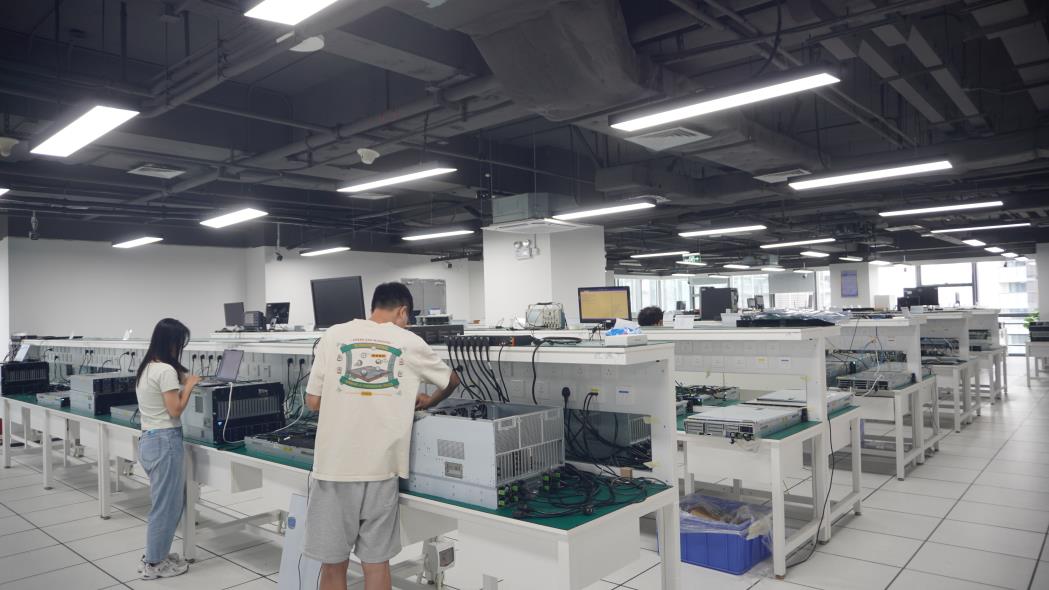
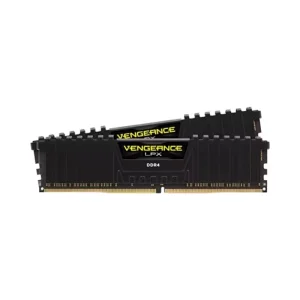
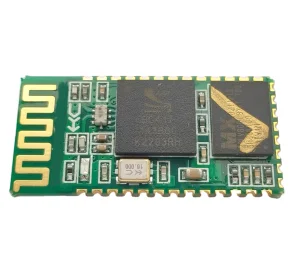
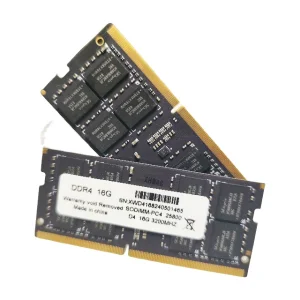
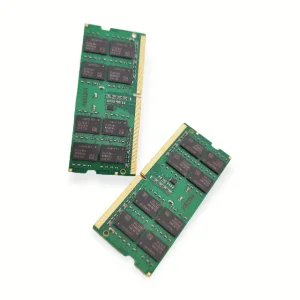
Browse our complete line of industrial memory modules, logic boards, and customized new energy PCBA components engineered for Chittagong's commercial and industrial enterprises.
Technical answers about High-TG printed circuit boards, custom assembly, and procurement logistics for businesses in Chittagong.
Get in touch today to receive custom stack-up advice, detailed quote estimates, and comprehensive DFM analysis for your industrial projects in Chittagong.
Send Inquiry Now Celtrix Memory