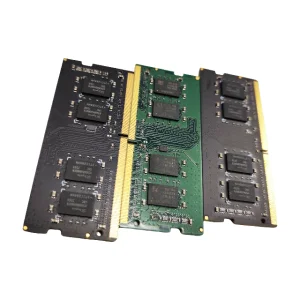
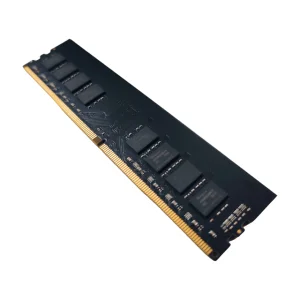
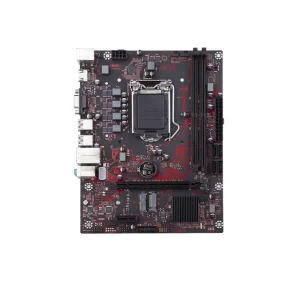
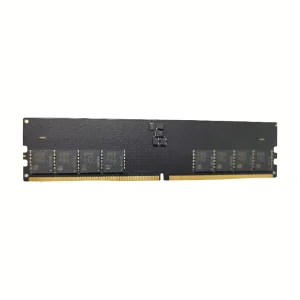
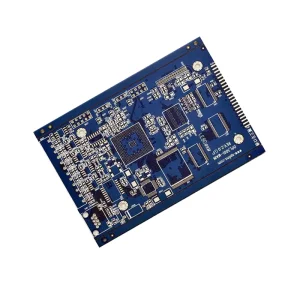
Engineered for high thermal dissipation and signal integrity to power Brisbane's local electronics innovations
A Comprehensive Technical Assessment of Supply Chain Resilience, Material Science, and Local Systems Design in Queensland
The Greater Brisbane area, spanning from the innovation incubators of Fortitude Valley to the heavy industrial zones of Eagle Farm and the manufacturing clusters at Eight Mile Plains, is undergoing a profound digital transformation. Anchored by the Queensland Government's Advanced Manufacturing 10-Year Roadmap, local enterprises are shifting from passive importers to active designers of complex electronic systems. Multi-layer Printed Circuit Boards (PCBs) represent the vital circulatory system of this movement, supplying required signal fidelity and mechanical durability to devices operating in harsh mining rigs, marine monitoring grids, and defense communications.
For engineers and procurement managers across Brisbane, selecting a multi-layer circuit board partner involves assessing both raw electrical properties and the structural stability of the partner's manufacturing base. To address these demands, Celtrix Memory Technologies Co., Ltd. blends decades of expertise in high-frequency motherboard layouts with industrial scale. This whitepaper analyzes the technology routes, local regulatory alignment, and factory capabilities that ensure reliable execution of multi-layer PCB builds.
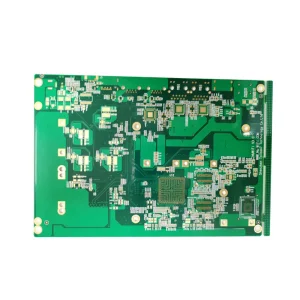
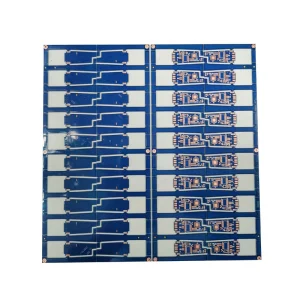
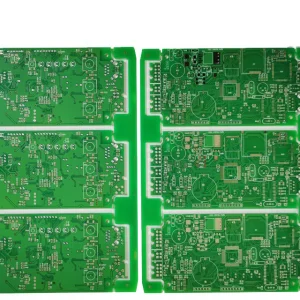
As electronic designs shrink, layout engineers face significant challenges from parasitic capacitance, cross-talk, and thermal management. A multi-layer circuit board (typically starting from 4 layers up to 32 layers for complex server environments) solves routing constraints by stacking ground, power, and signal planes separated by insulating dielectric materials.
Key technical vectors optimized by Celtrix include:
| Material Class | Dielectric Constant (Dk) | Glass Transition Temp (Tg) | Recommended Applications |
|---|---|---|---|
| Standard FR-4 | 4.2 - 4.7 | 130°C - 140°C | Consumer electronics, simple control boards |
| High-Tg FR-4 (IT-180A) | 3.9 - 4.3 | 170°C - 180°C | Automotive, industrial automation, DDR4/DDR5 motherboards |
| Rogers RO4350B | 3.48 | 280°C | RF Microwave communications, radar systems, high-speed telemetry |
| Polyimide (Flexible) | 3.2 - 3.5 | > 250°C | Aerospace, mining drill heads, high-vibration applications |
A deep footprint in manufacturing and quality engineering built over years of international supply partnerships
Operating within the Australian electrical framework requires strict adherence to safety and environmental standards. Designers must comply with the ACMA (Australian Communications and Media Authority) electromagnetic compatibility framework, ensuring that radiating emissions do not disrupt local telecommunications.
Celtrix supports local engineering efforts in Brisbane by providing:
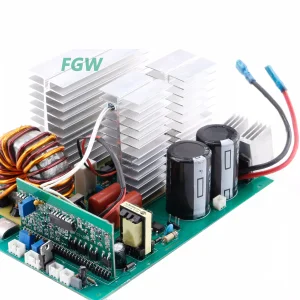
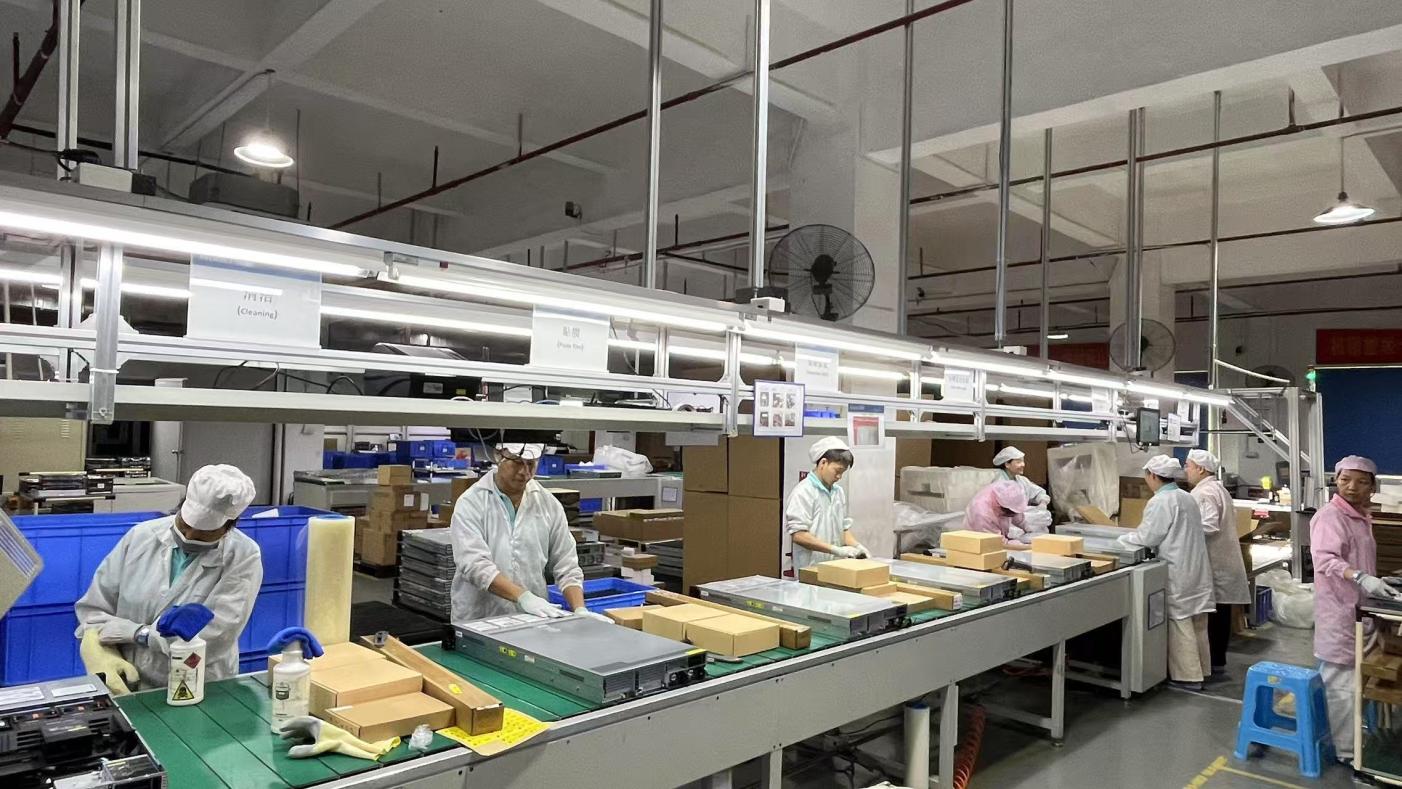
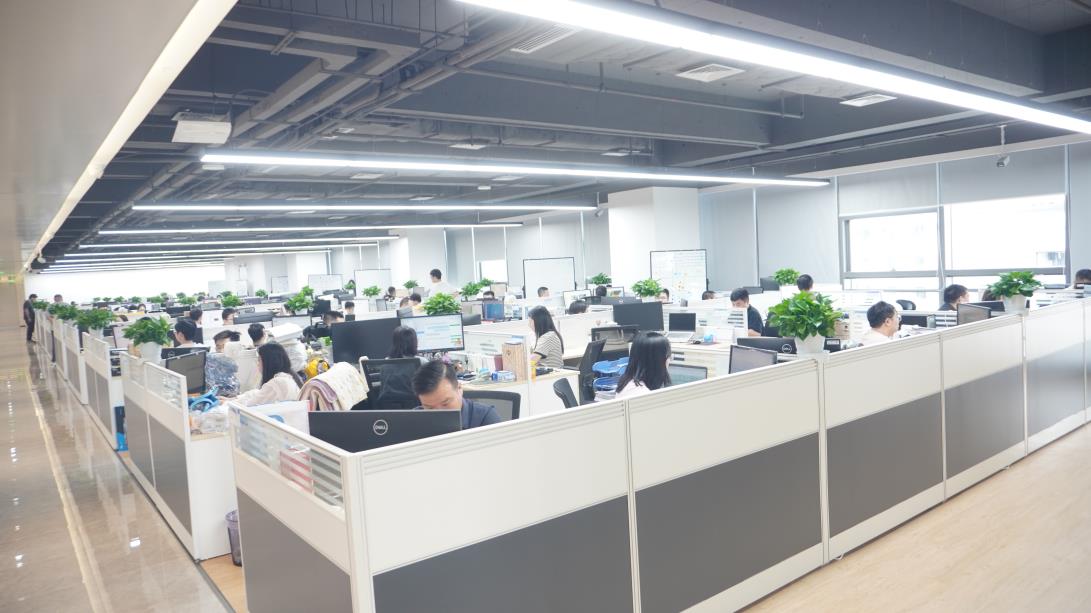
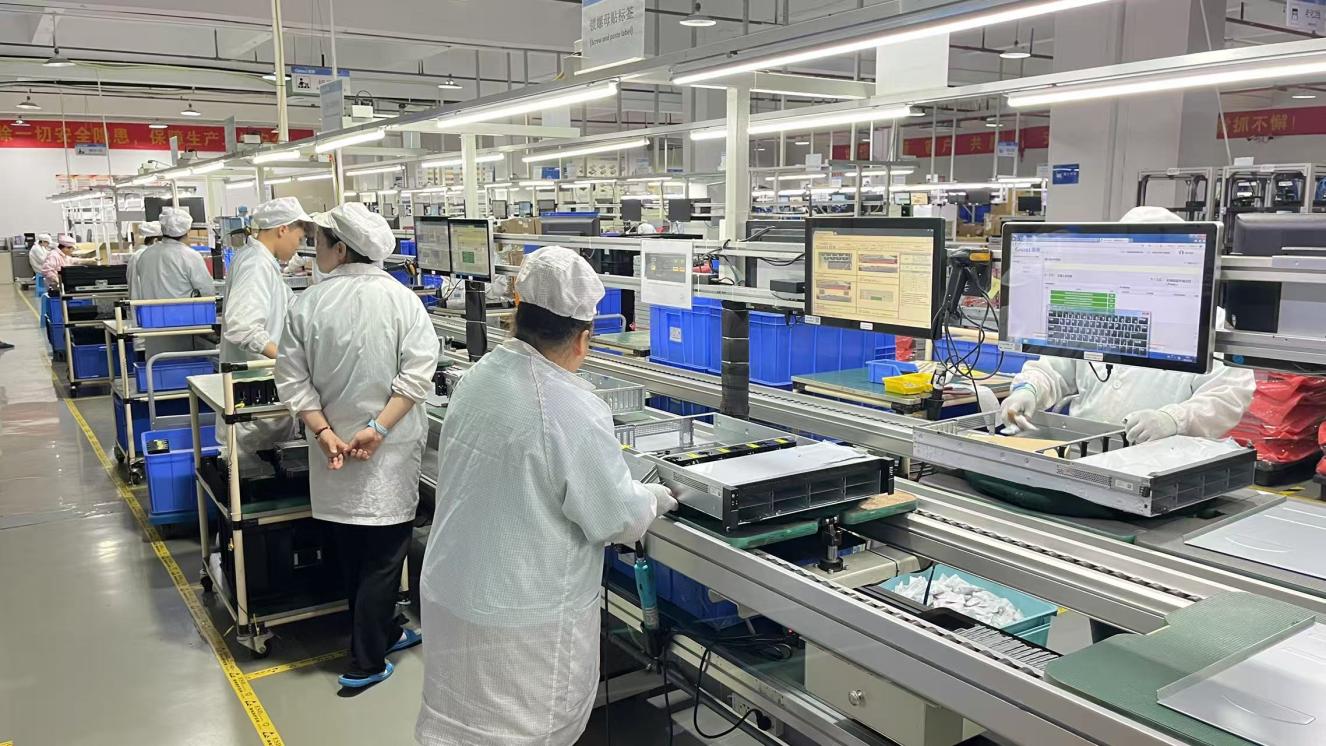
Brisbane OEMs frequently face bottlenecks when scaling from laboratory prototypes to commercial production volumes. Our modern manufacturing center in China acts as a direct extension of your local R&D lab. Spanning 28,600 m², the facility features automated pick-and-place lines, multi-zone reflow ovens, and 3D Automated Optical Inspection (AOI).
By utilizing advanced assembly tech, Celtrix supports rapid production of both prototype and high-volume multi-layer PCBs. This setup helps reduce lead times, allowing Brisbane-based systems integrators to secure components and scale manufacturing to meet project timelines.
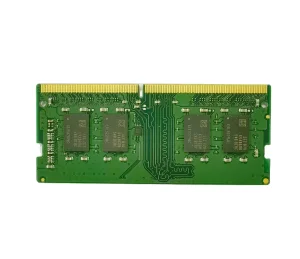
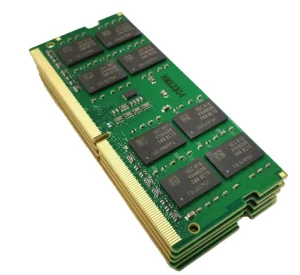
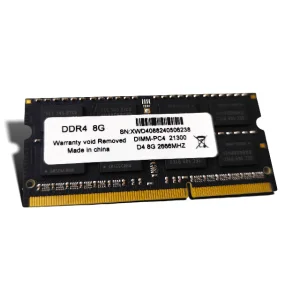
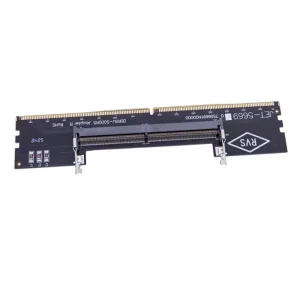
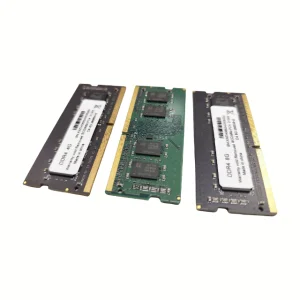
Reliable memory and adapter boards optimized for industrial PCs and edge devices in Brisbane's commercial networks
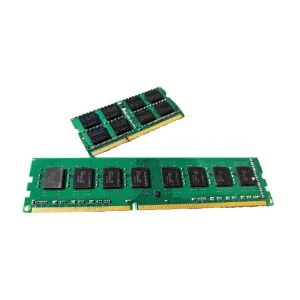
A professional DRAM and SMT manufacturing partner serving global markets since 2017
Celtrix Memory Technologies Co., Ltd. is a dedicated manufacturer delivering performance DRAM solutions and complex circuit assemblies for global customers. Since our establishment in 2017, we have focused on the research, development, and customization of premium memory products and printed circuit boards for consumer, industrial, enterprise, and embedded applications.
With a modern manufacturing facility covering 28,600 m², Celtrix integrates advanced SMT lines, automated optical inspection, and strict quality systems to support reliable performance. Backed by 9 years of industry experience and 7 years of export history, we serve customers in more than 50 countries. Our annual export revenue exceeds USD 23 million, supported by an efficient global logistics network and responsive customer service.
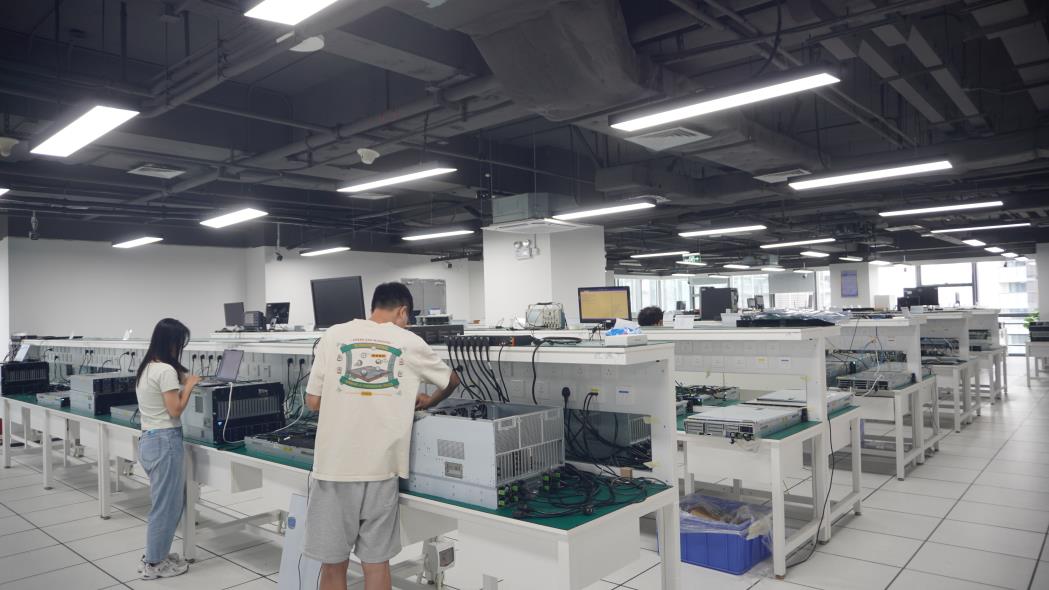
Every module undergoes comprehensive testing, including Incoming Material Inspection (IQC), In-Process Quality Control (IPQC), Automated Optical Inspection (AOI), Functional Testing, Burn-in, and Final Quality Control (FQC) to maintain consistent production quality.
Main markets include North America, Europe, Southeast Asia, South America, Middle East, and Oceania. We work with over 1,180 supply chain partners, brand owners, and system integrators worldwide.
Our 142 R&D engineers develop solutions for AI computing, gaming, and industrial automation. Custom options include Logo Printing, Capacity Customization, Heat Spreader Design, and Private Label Services.
Technical clarifications for engineers and procurement managers in the Brisbane market
Consult with our engineering team for high-reliability multi-layer PCBs and custom memory configurations.
Send Inquiry Now Celtrix Memory