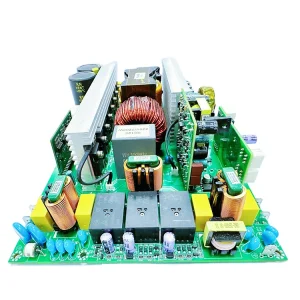
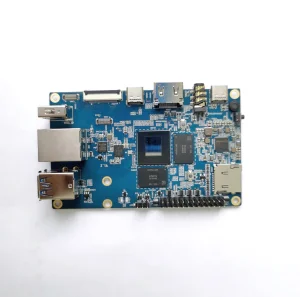
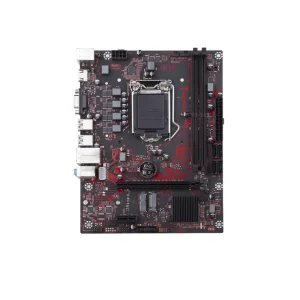
Engineered for RF performance, thermal stability, and edge processing capabilities. Custom solutions optimized for industrial developers in Lisbon and the Tagus Valley.
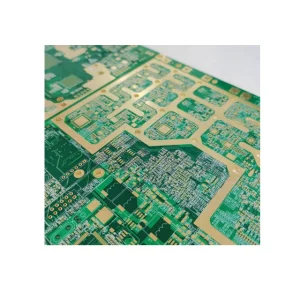
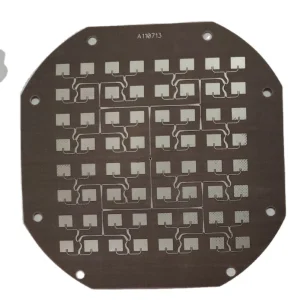
Lisbon has established itself as one of Europe's premier technology ecosystems. Often termed the "Silicon Valley of Southern Europe," the Lisbon metropolitan area—extending through Oeiras, Taguspark, and the wider Tagus Valley—is home to a burgeoning cluster of aerospace engineering companies, telecommunication R&D centers, IoT device manufacturers, and renewable energy startups.
This concentrated ecosystem demands advanced hardware components. The regional transition toward 5G densification, led by Portugal’s top telecom operators, and localized aerospace telemetry developments near Alverca, require radio frequency (RF) circuit boards capable of pristine signal integrity. Standard FR-4 substrates fall short at millimeter-wave (mmWave) frequencies due to high dielectric losses. Consequently, the local demand for specialized Rogers PCBs—laminates formulated with ceramic-filled PTFE or thermoset hydrocarbon materials—has surged.
By connecting Lisbon's localized hardware engineering demands with robust, scalable manufacturing, Chinese suppliers act as key partners. We provide the material expertise and engineering capabilities required to handle tight tolerance Rogers dielectric constant ($D_k$) and dissipation factor ($D_f$) constraints, helping Portuguese startups transition seamlessly from prototype to mass production.
Understanding why high-frequency applications rely on Rogers laminates instead of traditional FR-4, and how hybrid designs optimize cost and performance.
Rogers laminates, such as the widely specified Rogers RO4003C and RO4350B, differ fundamentally from FR-4. Standard fiberglass-epoxy (FR-4) displays significant dielectric variation and high loss tangents at frequencies exceeding 2 GHz. Rogers materials are engineered for minimal dielectric loss, rendering them indispensable for Lisbon's 5G antennas, radar systems, and aerospace sensors.
Manufacturing a pure multi-layer Rogers PCB is costly. To control expenses for startups and high-volume commercial runs, we specialize in **hybrid stackups**. By laminating Rogers high-frequency material only on the outer layers (where high-speed RF routing occurs) and utilizing cost-effective high-Tg FR-4 (like Shengyi FR4 TG170) for the inner structural and low-frequency signal layers, we reduce fabrication costs by up to 40% while preserving RF integrity.
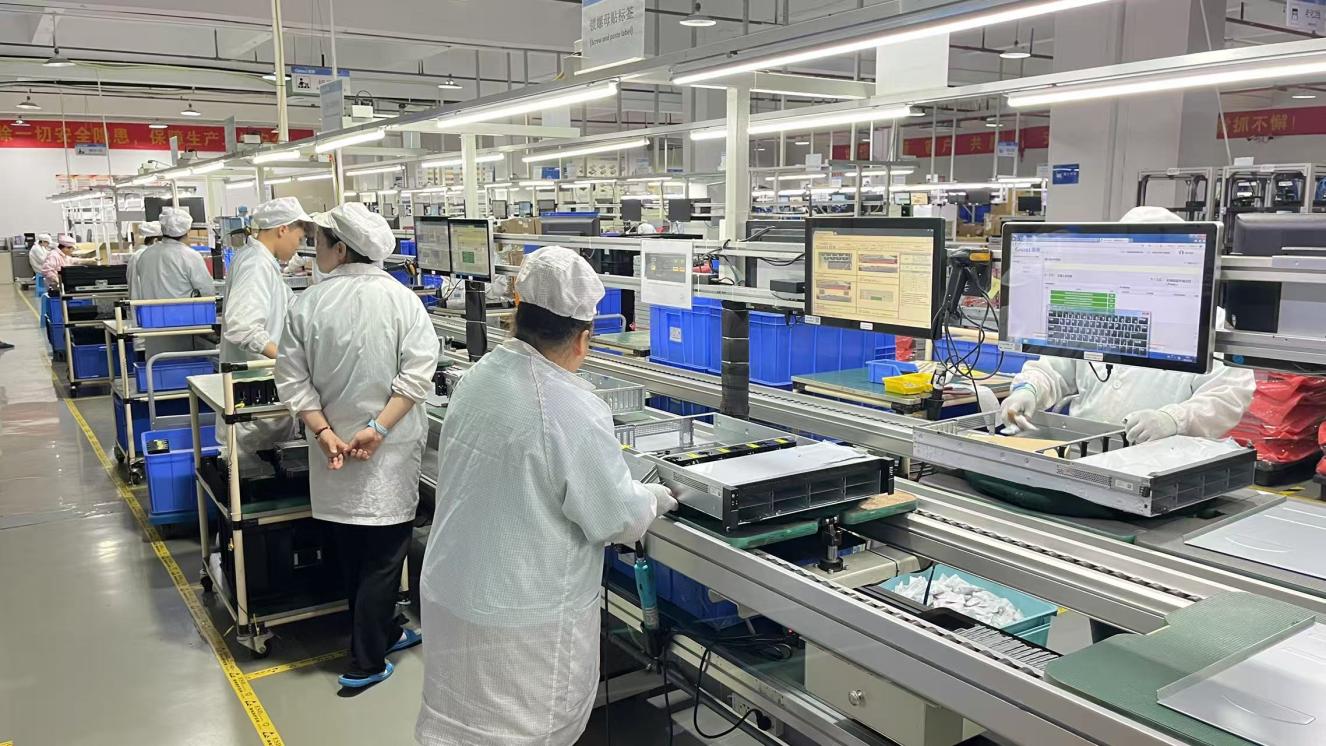
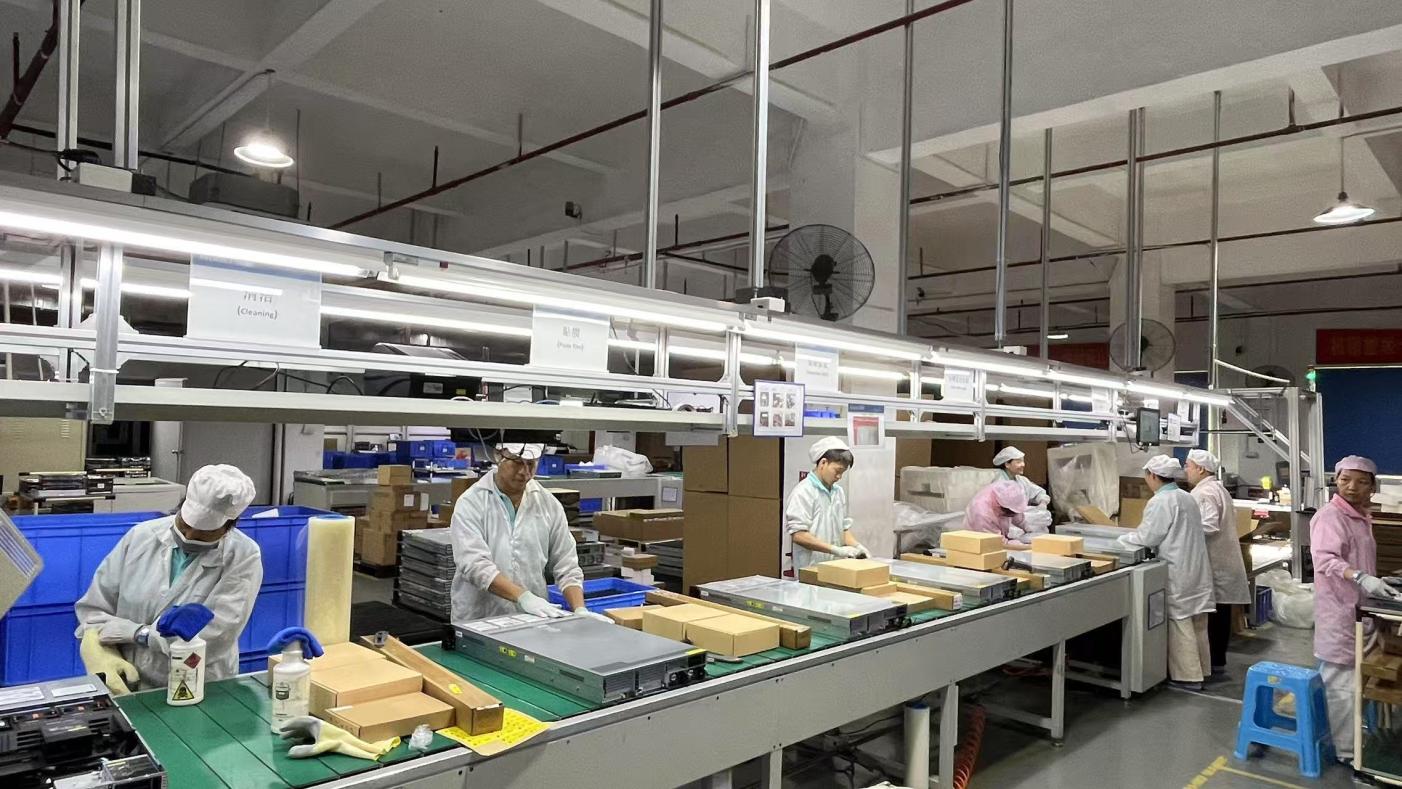
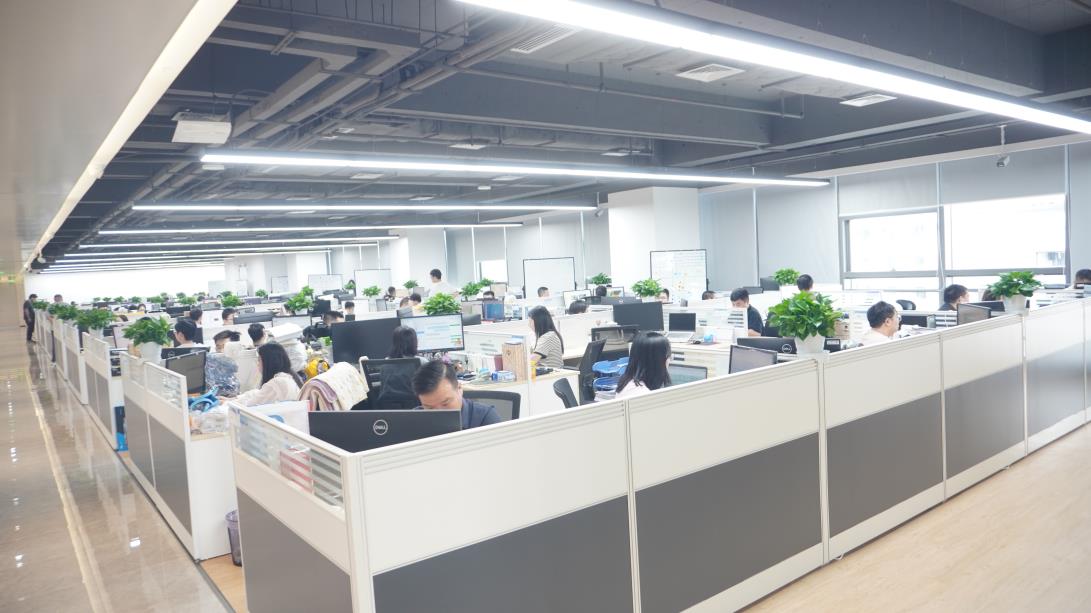
Procuring specialized high-frequency PCBs within Western Europe can present logistical bottlenecks, long lead times, and prohibitive costs. Partnering with a highly capitalized Chinese manufacturer like **Celtrix Memory Technologies** bridges this gap. Armed with modern facilities encompassing 28,600 m², we offer Lisbon-based design firms and OEMs the speed of fast-turn prototyping combined with mature supply chains.
Our comprehensive production and testing processes guarantee electrical compatibility and reliability. We execute Automated Optical Inspection (AOI), In-Process Quality Control (IPQC), and rigorous signal trace impedance tests on specialized high-frequency vector network analyzers. With over USD 23 million in annual export revenue, we manage global shipping pipelines, delivering finished PCBs from our facility directly to Lisbon or Porto within days.
Deploying high-reliability, high-frequency, and high-density hardware across Portugal's core technological growth sectors.
Portugal's telecom expansion relies on localized mmWave base stations and beamforming phased-array antennas. Rogers RO4000 series PCBs allow antennas to maintain consistent gain and minimal return loss across extensive operating temperatures, keeping urban networks running smoothly.
With satellite navigation and aerospace manufacturing developing around Lisbon's industrial fringes, high-frequency Rogers substrates (such as PTFE-based RT/duroid materials) provide the structural and electrical stability needed to survive extreme environmental pressure drops and temperature differentials.
Portugal's solar energy infrastructure requires robust power inverters. Our custom photovoltaic inverter PCBAs utilize thick copper and specialized thermal management substrates to handle high power conversion cycles, mitigating thermal runaway risks.
How we ensure precision engineering and seamless shipping for all high-frequency PCB manufacturing orders destined for Europe.
Our R&D team reviews Gerber files, focusing on layer alignment, trace geometry, and impedance requirements to optimize performance before production.
Rogers laminates undergo precise laser drilling and controlled hybrid bonding using advanced press machines to ensure structural reliability.
Every board is validated using AOI, flying probe electrical testing, and vector network testing to confirm RF specs match customer blueprints.
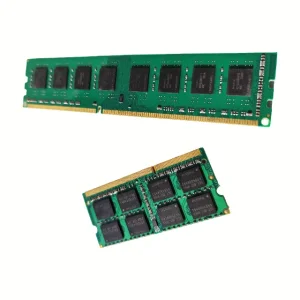
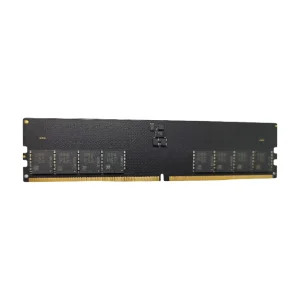
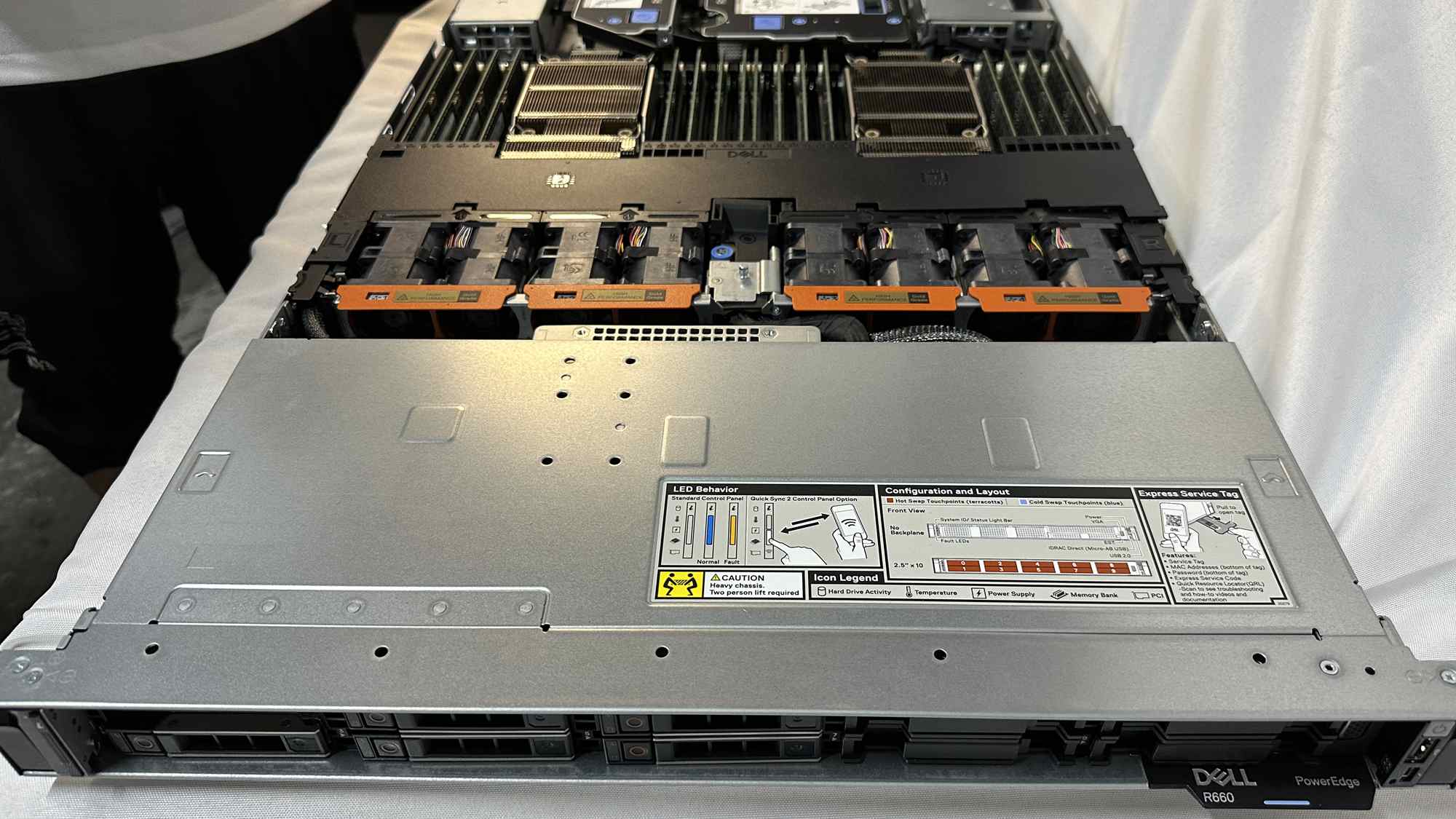
Complementing our high-frequency RF fabrication with OEM memory modules and computing platforms to deliver complete hardware integrations.
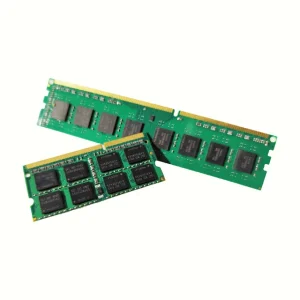
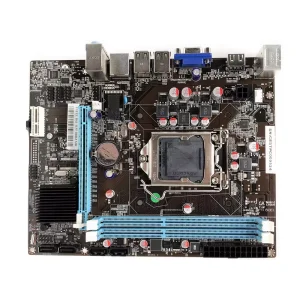
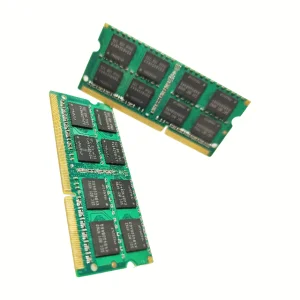
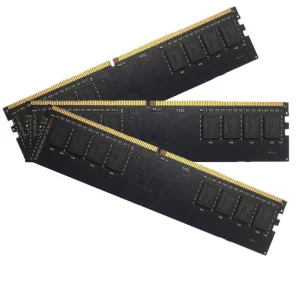
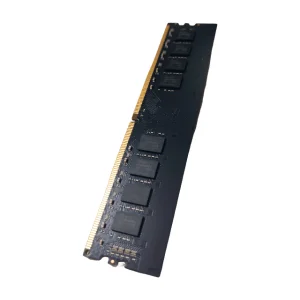
Established in 2017, Celtrix Memory Technologies Co., Ltd. has developed into a premier manufacturer of memory and integrated circuit substrates. Our 28,600 m² factory supports advanced SMT mounting, multilayer substrate assembly, and rigorous hardware validation to serve consumer, industrial, and enterprise operations worldwide.
With 9 years of industry experience and 7 years of exporting history, we support over 1,180 clients globally, including system integrators, distributors, and OEMs. Beyond memory modules, we leverage our manufacturing partnerships to offer high-frequency PCBs, including Rogers and Taconic stackups, ensuring your hardware satisfies strict RF performance demands.
Our quality control protocols comply with the ISO 9001 standard. Supported by 56 QA professionals, every hardware batch undergoes Incoming Material Inspection (IQC), In-Process Quality Control (IPQC), Automated Optical Inspection (AOI), high-temperature aging tests, and final compatibility verification before leaving our facility.
Technical insights into the design of high-frequency hardware systems operating under ambient thermal stress.
Lisbon's coastal environment presents unique challenges for electronic installations. High seasonal ambient temperatures combined with marine humidity can accelerate copper oxidation and dielectric drift on standard PCB substrates.
At frequencies higher than 10 GHz, electrical losses cause signal degradation and generate local heat spots on the board. Rogers RO4000 series substrates feature a thermal conductivity of 0.6 to 0.8 W/m/K—significantly higher than typical FR-4 laminates. This allows heat to dissipate more effectively from high-power RF chips, preventing signal drift and keeping operations within safe thermal thresholds.
At high frequencies, current concentrates along the outer edges of trace conductors (known as the *skin effect*). The roughness of the copper foil-dielectric boundary directly impacts signal loss.
To combat this, we offer Rogers substrates with low-profile copper foils, combined with optimized surface finishes like Electroless Nickel Immersion Gold (ENIG) or Immersion Silver. These finishes shield copper traces from coastal corrosion while maintaining the flat surface needed to preserve high-speed signal integrity.
Get clear answers to common questions about sourcing Rogers PCBs, custom stackups, and hardware compatibility.
At frequencies above 2 GHz, FR-4 exhibits high dielectric losses, which degrade signal strength and cause thermal dissipation issues. Rogers and Taconic laminates provide a stable dielectric constant (Dk) and a low dissipation factor (Df), ensuring clean signal transmission and reliable thermal performance in demanding RF environments.
Hybrid stackups laminate expensive Rogers materials only on outer layers where high-speed RF routing is required. Structural and low-speed signal layers are routed on standard, high-Tg FR-4. This approach reduces overall board material costs while maintaining critical RF path performance.
We follow IPC Class 2 and Class 3 guidelines. All production runs undergo Incoming Material Inspection (IQC), In-Process Quality Control (IPQC), Automated Optical Inspection (AOI), flying probe electrical testing, and high-frequency network analysis to verify impedance control parameters.
Prototypes are typically fabricated within 3 to 5 days, while volume production runs require 10 to 15 days. Express air freight routes deliver finished components from our warehouse to Lisbon (Humberto Delgado Airport) or Porto within 4 to 7 business days.
Get in touch with our engineering team today to review your Gerber layouts, discuss hybrid material stackups, or request a volume production quote.
Submit Project Details Celtrix Memory