Advanced high-frequency Rogers laminates and high-speed memory hardware engineered for Bucharest's telecom, automotive radar, and enterprise server clusters.
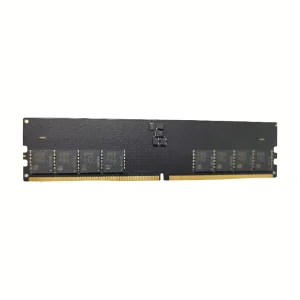
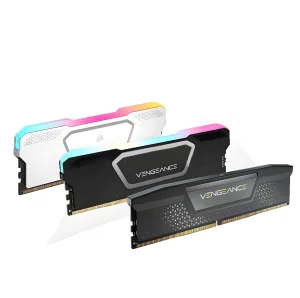
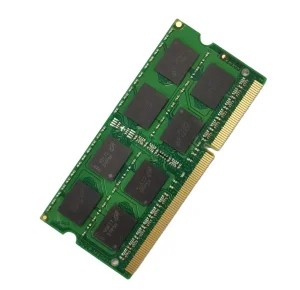
Bucharest, Romania, has evolved into one of Eastern Europe’s most dynamic epicenters for information technology, industrial automation, telecommunications, and defense electronics. Driven by world-class engineering talent, strategic European Union connectivity, and aggressive digital transformation investments, the greater Bucharest metropolitan region—including key tech clusters around Măgurele Science Park and the Pipera Innovation Hub—demands high-reliability hardware that operates flawlessly under challenging electrical and thermal parameters.
As 5G microwave backhaul infrastructure expands across Romania and automotive tier-1 suppliers in Bucharest accelerate development on 77GHz millimeter-wave (mmWave) autonomous radar sensors, the demand for specialized Rogers High-Frequency Printed Circuit Boards (PCBs) has surged exponentially. Standard FR-4 laminates are no longer sufficient to support signal frequencies operating well above 6 GHz due to excessive dielectric loss, phase distortion, and thermal degradation.
By integrating cutting-edge Rogers high-frequency substrate fabrication with advanced memory module SMT assembly, we empower OEM partners, telecom integrators, and defense contract manufacturers in Bucharest to achieve unprecedented bandwidth density, thermal stability, and ultra-low insertion loss.
Understanding the physics of signal propagation, dielectric stability, and thermal dissipation in ultra-low loss substrate materials.
Rogers ceramic-filled hydrocarbon and PTFE laminates maintain a tight dielectric constant tolerance (e.g., ±0.04 for RO4003C), drastically reducing phase velocity variations across high-frequency RF circuits in mmWave applications.
With dissipation factors as low as 0.0013 at 10 GHz (RT/duroid 5880), Rogers substrates eliminate signal attenuation and dielectric heating, enabling maximum power transfer efficiency for microwave transmitters in Bucharest.
Matched Coefficient of Thermal Expansion (CTE) along the X, Y, and Z axes closely aligns with copper, preventing plated through-hole (PTH) barrel cracking during extreme thermal cycling in outdoor installations.
| Material Grade | Dielectric Constant (Dk @ 10GHz) | Dissipation Factor (Df @ 10GHz) | Thermal Conductivity (W/mK) | Primary Industrial Application in Bucharest |
|---|---|---|---|---|
| Rogers RO4003C | 3.38 ± 0.05 | 0.0027 | 0.71 | 5G Small Cells, Automotive Radar, Cellular Antennas |
| Rogers RO4350B | 3.48 ± 0.05 | 0.0037 | 0.69 | Base Station Power Amplifiers, Wireless Infrastructure |
| Rogers RT/duroid 5880 | 2.20 ± 0.02 | 0.0009 | 0.20 | Airborne Defense Radar, Satellite Communications (SatCom) |
| Rogers RO3003 | 3.00 ± 0.04 | 0.0010 | 0.50 | 77 GHz Automotive Collision Avoidance Radar |
| Standard FR-4 (High-Tg) | 4.30 - 4.70 | 0.0150 - 0.0200 | 0.25 - 0.30 | General Consumer Electronics, Low-Speed Signal Logic |
Navigating global electronics procurement requires a delicate balance between absolute hardware reliability and strict cost efficiency. While European local suppliers often face capacity constraints and extended lead times for specialized high-frequency laminates, China’s Industry 4.0 manufacturing ecosystem provides an unbeatable combination of speed, scale, and technical precision.
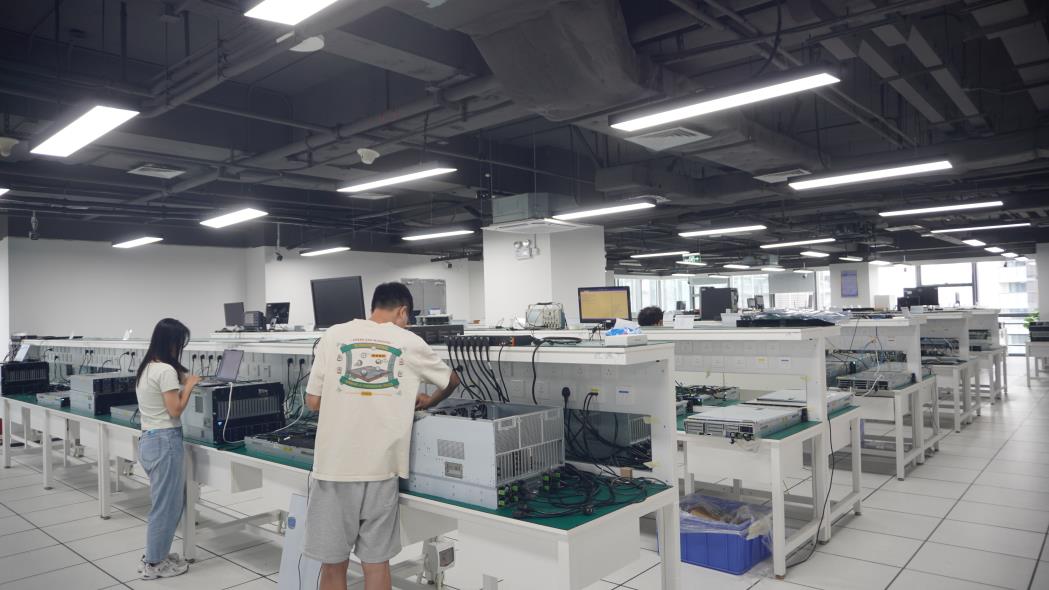
At Celtrix Memory Technologies Co., Ltd., we bridge the gap for Bucharest companies by operating an automated 28,600 m² smart manufacturing plant. We combine high-density interconnect (HDI) Rogers PCB fabrication with high-speed surface mount (SMT) packaging under one unified ISO 9001-certified operational roof.
Building an 8-layer board entirely out of Rogers high-frequency laminates can be cost-prohibitive. Our engineering team specializes in engineered hybrid stack-ups:
Custom-engineered high-frequency printed circuits empowering key industrial sectors in the Ilfov-Bucharest economic zone.
Deploying massive MIMO micro-cells and millimeter-wave transmitters across Bucharest requires Rogers RO4350B laminates to guarantee low phase distortion, minimal passive intermodulation (PIM), and high weather tolerance.
Bucharest’s automotive R&D labs rely on Rogers RO3003 substrates for 77 GHz collision avoidance and adaptive cruise control modules, guaranteeing dielectric stability across extreme European seasonal temperatures.
Engineered with lightweight, low-Dk Rogers RT/duroid materials, our high-frequency boards serve Romanian defense contractors in satellite telemetry, phased-array radars, and tactical avionics.
A trusted global leader in high-performance memory modules and advanced PCB assembly solutions.
Celtrix Memory Technologies Co., Ltd. is a professional manufacturer dedicated to delivering premium high-frequency substrate assemblies and high-performance DRAM memory solutions for global enterprise customers. Since its establishment in 2017, the company has focused on cutting-edge research, development, custom manufacturing, and international distribution.
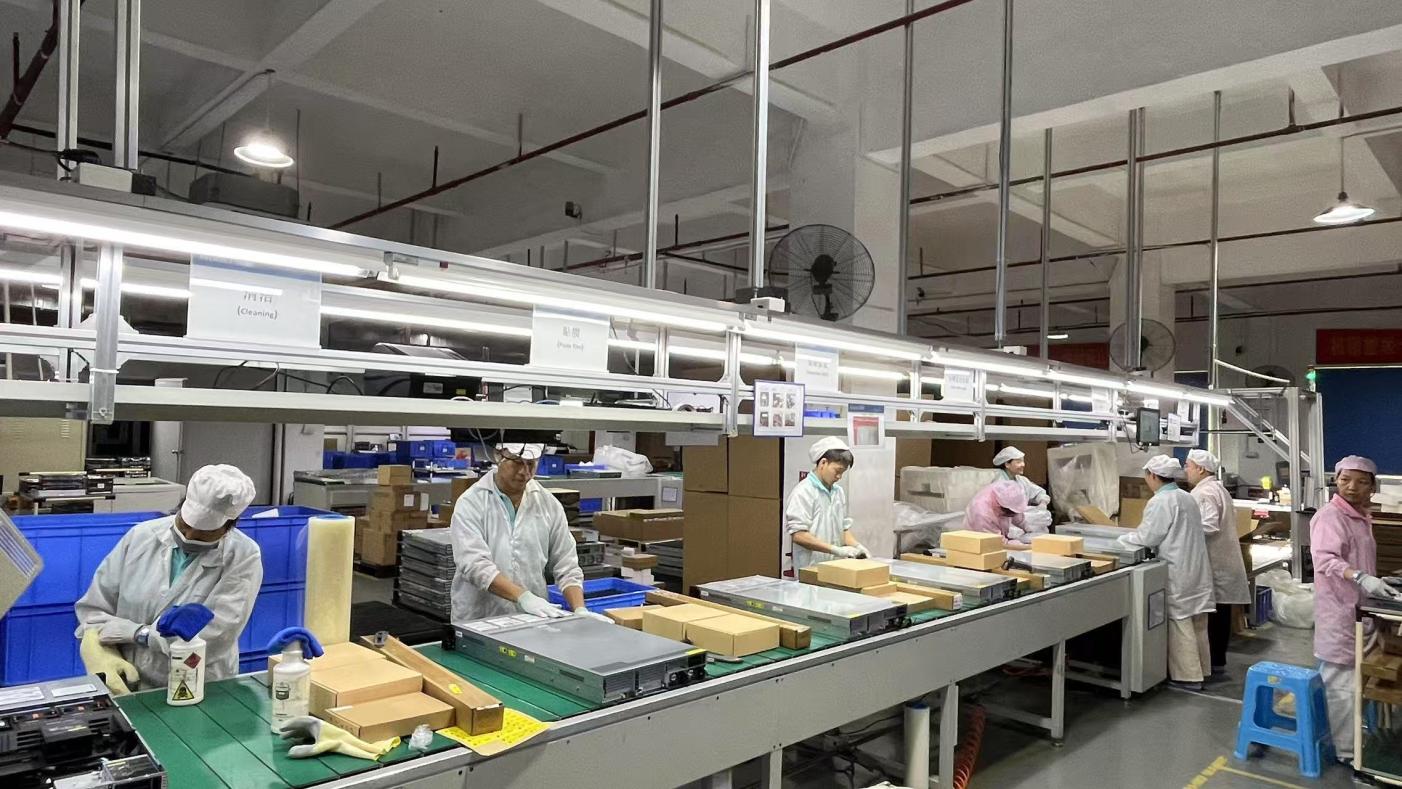
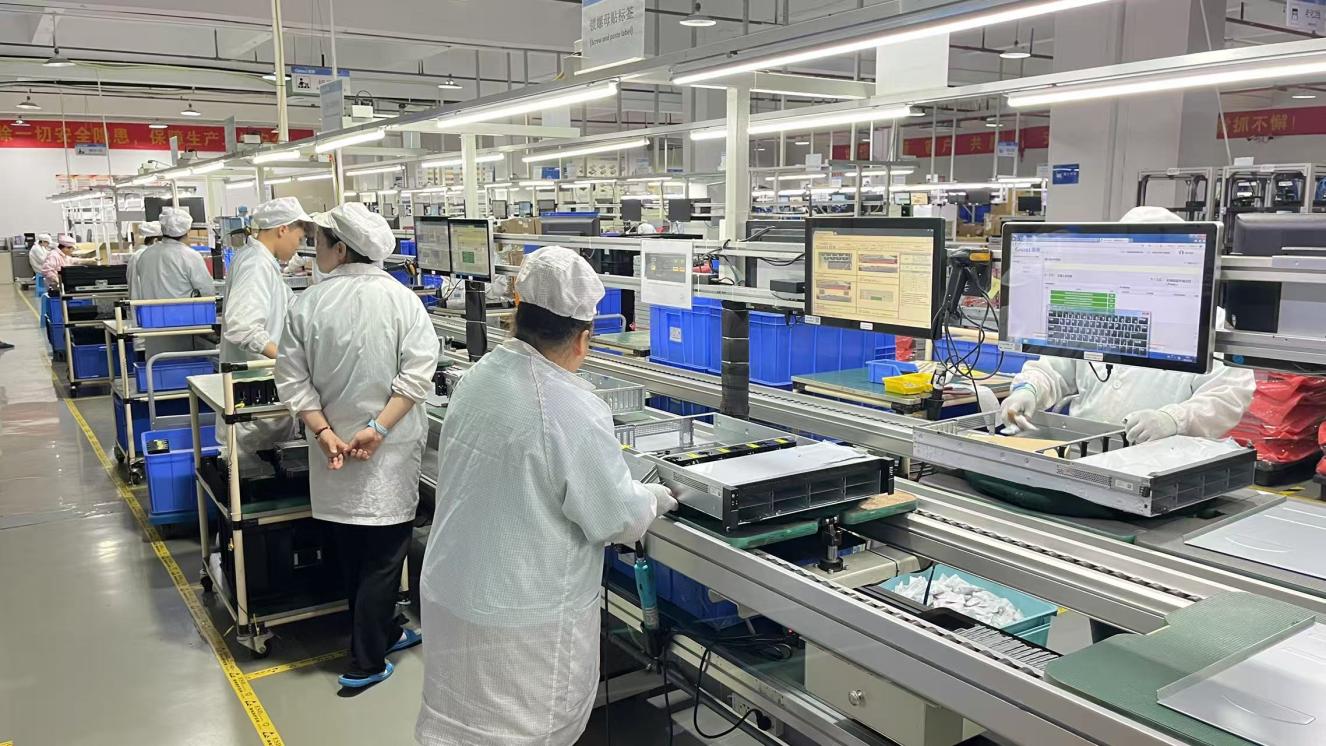
Operating a state-of-the-art manufacturing facility covering 28,600 m², Celtrix integrates fully automated SMT assembly lines, advanced laser drilling technology, and rigorous quality control systems to ensure uncompromised product execution across all applications.
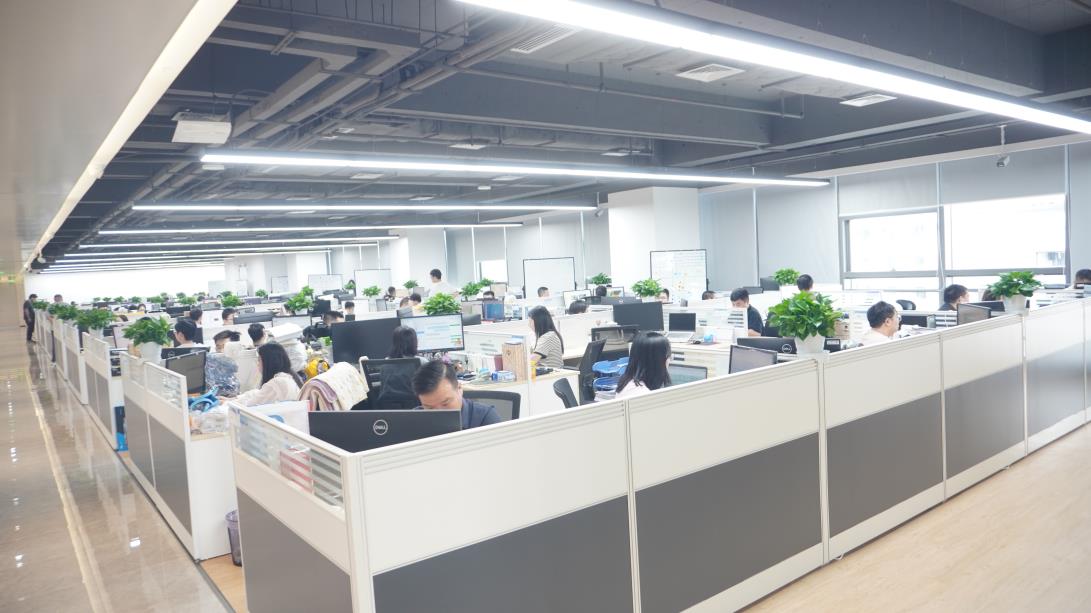
With 9 years of industry experience and 7 years of export expertise, Celtrix serves clients in over 50 countries, generating an annual export revenue exceeding USD 23 million. Supported by 142 dedicated R&D engineers and 56 quality control specialists, we deliver hardware solutions aligned with strict ISO 9001 guidelines.
Smart Plant Area
Annual Export Value
R&D Engineers
QC Inspectors
Supply Partners
Expert engineering insights regarding Rogers PCB procurement, hybrid fabrication, and shipping logistics to Bucharest.
Standard FR-4 exhibits a high dissipation factor (Df ~0.02) and significant dielectric constant variation across temperature changes, causing severe signal degradation at frequencies above 3-5 GHz. Rogers materials (such as RO4003C and RO4350B) offer tight Dk tolerances, ultra-low Df (down to 0.0013), and superior thermal conductivity, ensuring signal integrity for 5G, radar, and satellite communications.
Yes. We specialize in custom hybrid multilayer PCB fabrication. By using Rogers laminates on RF signal layers and standard high-Tg FR-4 for internal power and ground layers, we provide optimal high-frequency performance while significantly reducing total material costs for our Bucharest customers.
For high-frequency applications, surface roughness drastically affects insertion loss (skin effect). We recommend Electroless Nickel Immersion Gold (ENIG), Immersion Silver, or Immersion Tin. ENIG provides excellent oxidation resistance and flat surface pads for high-density SMT fine-pitch components.
Fast-turn Rogers PCB prototypes can be manufactured in 3 to 5 working days. Mass production delivery to Bucharest typically takes 7 to 10 business days via express air freight (DHL/FedEx/UPS) with full EU customs clearance documentation.
Every batch of high-frequency PCBs undergoes Time-Domain Reflectometry (TDR) testing to guarantee target single-ended and differential impedance tolerances within ±5% to ±10%. We supply complete TDR coupons and inspection reports with every delivery.
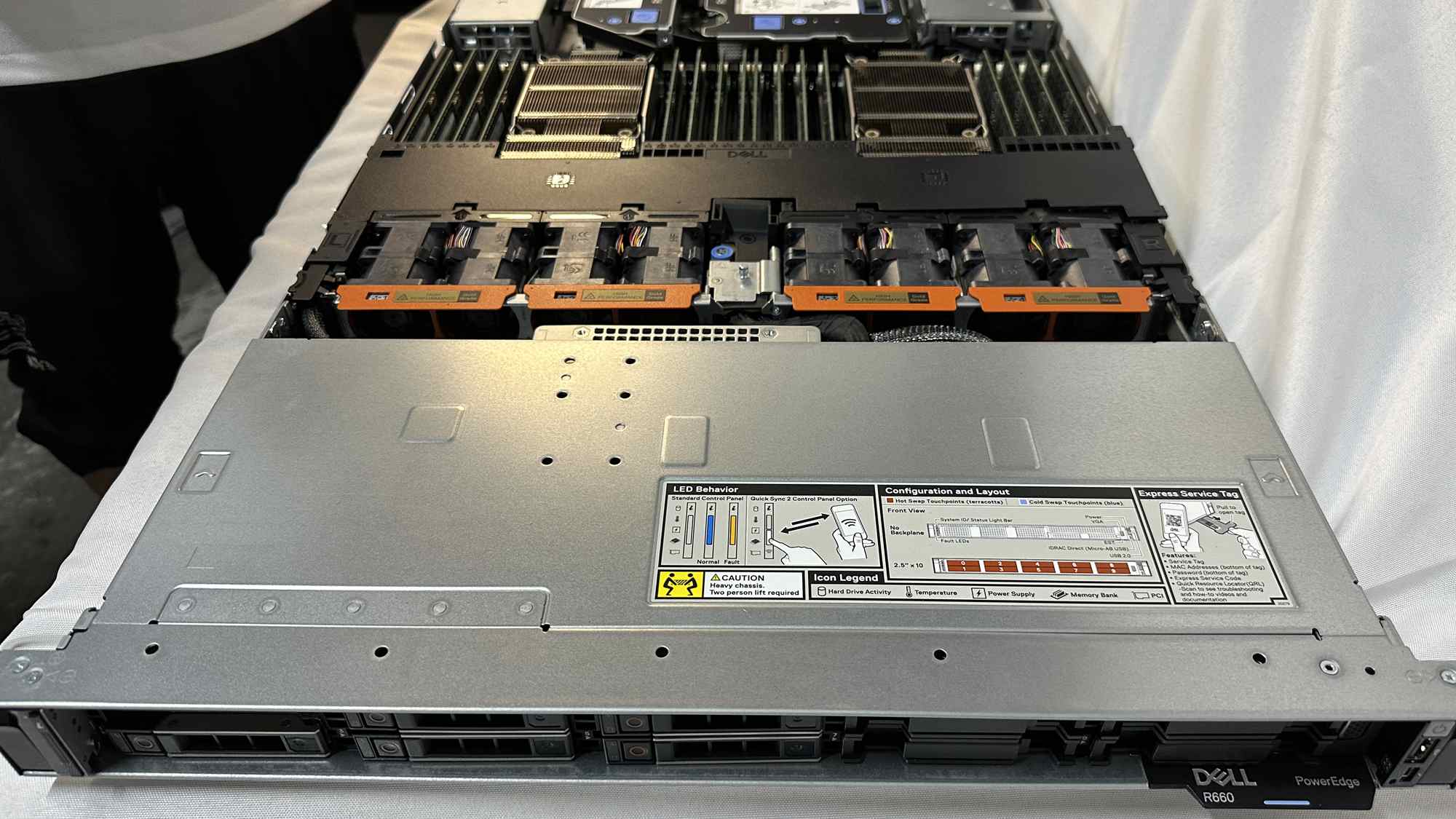
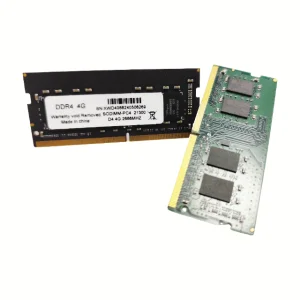
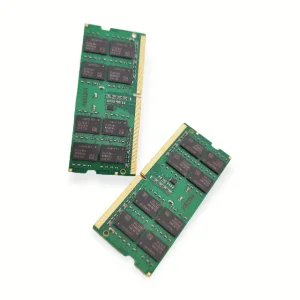
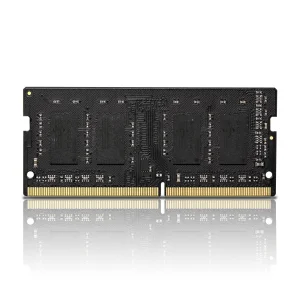
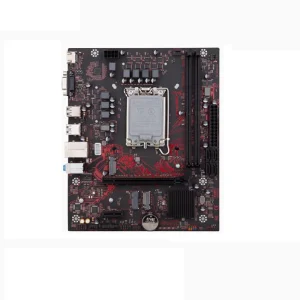
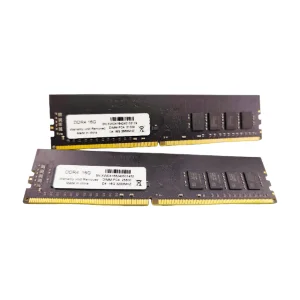
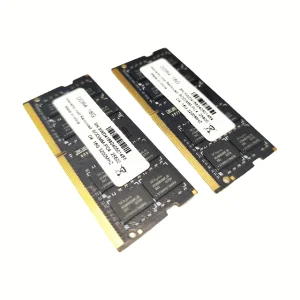
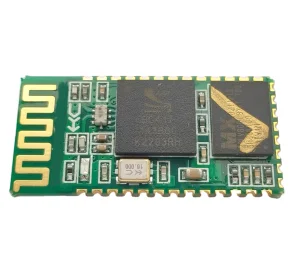
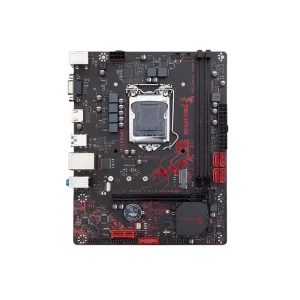
Explore our full range of enterprise memory modules, Rogers-compatible substrates, and industrial motherboard solutions configured for European market specifications.
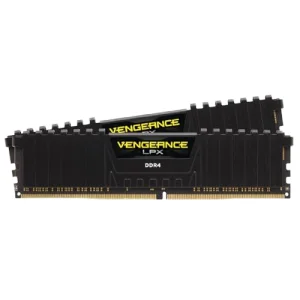
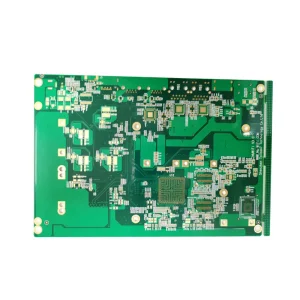
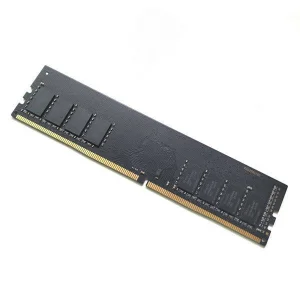
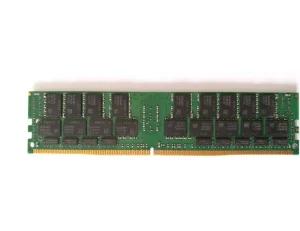
Get instant DFM feedback, custom stack-up quotes, and competitive direct-from-factory pricing for your Rogers PCB and high-speed memory orders.
Send Inquiry Now Celtrix Memory