As we venture into 2026, the debate on DDR5 latency vs DDR4 intensifies. Recent industry studies indicate that DDR5 memory can achieve bandwidths up to 8400 MT/s, significantly surpassing the maximum of 3200 MT/s found in DDR4. However, the trade-offs in latency remain a critical discussion point. DDR5 might exhibit higher latency, affecting performance in latency-sensitive applications, like gaming and real-time computing.
Reports from memory manufacturers emphasize DDR5’s potential for improved efficiency. Yet, the practical impact of these improvements varies across different usage scenarios. In certain benchmarks, DDR4 outperforms DDR5 in specific tasks due to its lower latency. This could lead consumers to question the necessity of upgrading to DDR5, especially where immediate performance gains are not evident.
Consideration of both technologies is essential. DDR5 offers future-proofing capability that may not yet align with every user’s needs. With evolving applications and hardware advancements, the choice between DDR5 latency vs DDR4 will depend on individual requirements and long-term goals. Balancing cost, performance, and necessity is crucial as we progress through the technological landscape of 2026.
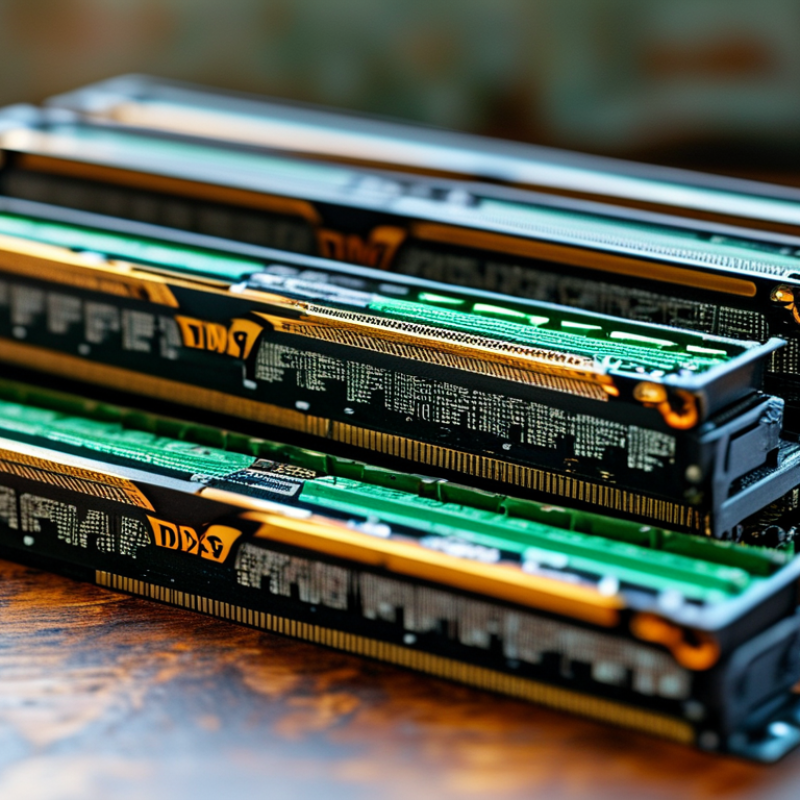
When comparing DDR4 and DDR5, it's important to note their key features. DDR4 memory has been the standard for several years, offering solid performance. It operates at speeds ranging from 1600 MT/s to 3200 MT/s. DDR4 is known for its stability and compatibility, making it a reliable choice for existing systems.
In contrast, DDR5 is the newer generation of memory technology. It provides improved speeds, starting from 4800 MT/s and potentially reaching over 8400 MT/s. This increase allows for faster data transfer rates, enhancing system responsiveness. DDR5 also comes with better power efficiency, which is crucial for mobile and high-performance computing devices. However, it is still relatively new, and some users may encounter compatibility issues as not all motherboards support it yet.
Both DDR4 and DDR5 have their strengths. DDR4 is well-tested and dependable, perfect for everyday tasks and moderate gaming. Conversely, DDR5 might be ideal for those who need cutting-edge performance. Users must evaluate their needs realistically. Balancing cost with performance requirements is vital. As we approach 2026, the choice between DDR4 and DDR5 will largely depend on individual use cases and system specifications.
Latency plays a crucial role in the performance of computer memory. Both DDR4 and DDR5 have different latency levels that impact speed and efficiency. DDR4 typically has a lower latency than DDR5, which can be crucial for applications requiring quick data processing. Understanding this aspect will help users choose the right memory.
DDR5, while faster, comes with higher latency numbers. The trade-off can lead to confusion for many. Enthusiasts might favor DDR5 for its bandwidth. However, for tasks requiring ultra-fast access, DDR4 could still reign supreme. This nuance makes the choice dependent on specific needs and use cases.
In 2026, an informed decision will hinge on understanding your priorities. Gaming, for instance, might benefit more from lower latency. In contrast, tasks like video editing may leverage the greater bandwidth of DDR5. The differences can feel overwhelming, but reflecting on what you use your system for makes the decision clearer.
When comparing DDR4 and DDR5 in real-world applications, several factors come into play. DDR5 offers higher speeds and bandwidth, which can be a game-changer for tasks like gaming and content creation. However, the real-world benefits may not always justify the switch. In typical usage scenarios, DDR4 still delivers satisfactory performance, especially for everyday tasks and older games.
Latency is another consideration. While DDR5 promises lower latency in specific situations, the differences may not be noticeable in everyday applications. Many users find that DDR4 meets their needs perfectly well. This raises a question: is the upgrade to DDR5 truly necessary for everyone? For casual users and those on a budget, sticking with DDR4 could be a wiser choice.
Real-world performance often depends on a combination of factors, including the CPU and specific applications. Although benchmarks are informative, they don't always translate to real-life experiences. Users sometimes report that the perceived speed difference is minimal. In the end, it's essential to evaluate your specific needs carefully before making a decision.
As we move into 2026, the decision between DDR4 and DDR5 memory becomes increasingly relevant. DDR5 offers higher bandwidth and better performance, which can enhance gaming and multitasking capabilities. However, the jump in latency is noticeable. Gamers may feel this difference more acutely. For those who prioritize quick response times, DDR4 might still hold its ground.
Future-proofing your system is crucial. DDR5 may be more appropriate for advanced applications and heavy workloads. If you're considering a build that will last, DDR5 can offer longevity. But it's essential to weigh the cost against the actual performance benefits for your specific needs.
Compatibility and availability are other factors. Not all motherboards support DDR5, and those that do can be pricier. If you're upgrading gradually, sticking with DDR4 might save you money. Developers and creators might lean towards DDR5 for future applications. Still, consider your current needs and budget carefully before making that leap.
As we approach 2026, potential DDR5 buyers are weighing the costs against the performance benefits. DDR5 presents higher speeds and bandwidth, promising significant improvements for demanding applications. However, it also comes with a notable price increase. Current market reports suggest that DDR5 modules may cost up to 40% more than their DDR4 counterparts. For gamers and professionals needing extreme performance, this increase could be justified. Yet, many users question if these enhancements are essential for everyday tasks.
Latency, an often-overlooked factor, reveals a complex picture. DDR5’s latency is generally higher than DDR4's. Benchmarks show DDR4 maintains lower latency at around 16 ns. In contrast, DDR5 hovers around 32 ns. This latency might impact tasks requiring rapid data access, prompting some to reconsider their needs. For casual users or general office work, the benefits of DDR5 may not be apparent enough to warrant extra expenses.
Investing in DDR5 can offer an edge in future-proofing systems against evolving software demands. Yet, users should evaluate whether this investment aligns with their actual usage patterns. In some scenarios, sticking with DDR4 could yield a better cost-to-performance ratio. This decision boils down to individual needs and budget constraints. Balancing performance against investment is crucial as we transition into this new memory era.
| Memory Type | Average Latency (ns) | Price per GB (USD) | Bandwidth (GB/s) | Ideal Usage Scenario |
|---|---|---|---|---|
| DDR4 | 16-20 | $4.50 | 25.6 | Gaming, General Use |
| DDR5 | 12-16 | $6.50 | 51.2 | High-End Gaming, Content Creation |
: DDR4 operates between 1600 MT/s and 3200 MT/s, while DDR5 starts at 4800 MT/s.
For everyday tasks, DDR4 often meets users' needs. DDR5's advantages are more apparent in gaming and high-demand applications.
Yes, not all motherboards support DDR5 yet. Users should check compatibility before purchasing.
DDR5 has lower latency in specific situations, but the difference might not be noticeable in daily use.
Yes, DDR4 offers solid performance for moderate gaming. Many users find it satisfactory for their needs.
Assess your specific requirements, budget, and the applications you use. Balance cost and performance effectively.
DDR5 can improve responsiveness, but real-world benefits may not justify the upgrade for all users.
DDR5 boasts better power efficiency, which is beneficial for mobile and high-performance devices.
Benchmarks can help, but they may not reflect real-life experiences for all users.
Factors include CPU specifications, application requirements, and individual user needs.
In the ongoing debate of DDR5 latency vs DDR4, it's essential to understand the key features and differences between these two memory technologies. DDR4 is well-established with solid performance and lower latency, making it a reliable choice for many applications. However, DDR5 introduces improvements in bandwidth and capacity, which can significantly enhance performance in demanding tasks.
In real-world applications, the performance comparison shows that while DDR5 may have slightly higher latency, its overall speed and efficiency can offset this in certain scenarios. For those looking to future-proof their systems, choosing DDR5 over DDR4 could be a wise investment, especially as software and gaming demands continue to increase. Nevertheless, a thorough cost analysis is necessary to determine if the benefits of DDR5 justify the investment in 2026.

Celtrix Memory