High-performance components for enterprise, industrial, and consumer applications.
The Printed Circuit Board Assembly (PCBA) industry serves as the "nervous system" of modern technology. From the smartphone in your pocket to the complex server racks powering global AI networks, PCBA is the fundamental building block. As we move into 2024 and beyond, the industry is witnessing a seismic shift driven by the integration of Artificial Intelligence (AI), Internet of Things (IoT), and Electric Vehicle (EV) infrastructure.
Global enterprises are no longer just looking for manufacturers; they are seeking strategic partners capable of navigating the complexities of high-density interconnect (HDI) boards, flexible circuits, and the rigorous demands of the aerospace and medical sectors. The demand for "Zero-Defect" manufacturing has never been higher, pushing factories to adopt Industry 4.0 standards, featuring fully automated SMT (Surface Mount Technology) lines and real-time data monitoring.
The global PCBA market is projected to reach over USD 800 billion by 2027, with a CAGR of 4.5%. Asia-Pacific remains the primary hub, accounting for over 60% of total production volume.
Miniaturization is the key trend. Factories are now assembling components with 01005 footprints, requiring unprecedented precision in solder paste deposition and optical inspection.
Post-pandemic strategies focus on "China Plus One," yet the efficiency and deep vertical integration of the Chinese electronics supply chain remain unparalleled for scale and speed.
Efficiency in PCBA manufacturing isn't just about fast machines; it's about the ecosystem. In industrial hubs like Shenzhen and Dongguan, a manufacturer can source components, custom heat sinks, and specialized connectors within a 5-mile radius. This geographical synergy reduces lead times from weeks to days.
Furthermore, Chinese PCBA factories have transitioned from "labor-intensive" to "intelligence-intensive." By utilizing AI-driven AOI (Automated Optical Inspection) and X-ray inspection for BGA (Ball Grid Array) components, Chinese manufacturers provide an E-E-A-T compliant level of reliability that satisfies top-tier global brands.
Celtrix Memory Technologies: A Legacy of Precision and Trust
Celtrix Memory Technologies Co., Ltd. is a professional DDR5 memory manufacturer dedicated to delivering high-performance DRAM solutions for global customers. Since its establishment in 2017, the company has focused on the research, development, manufacturing, and customization of premium memory products.
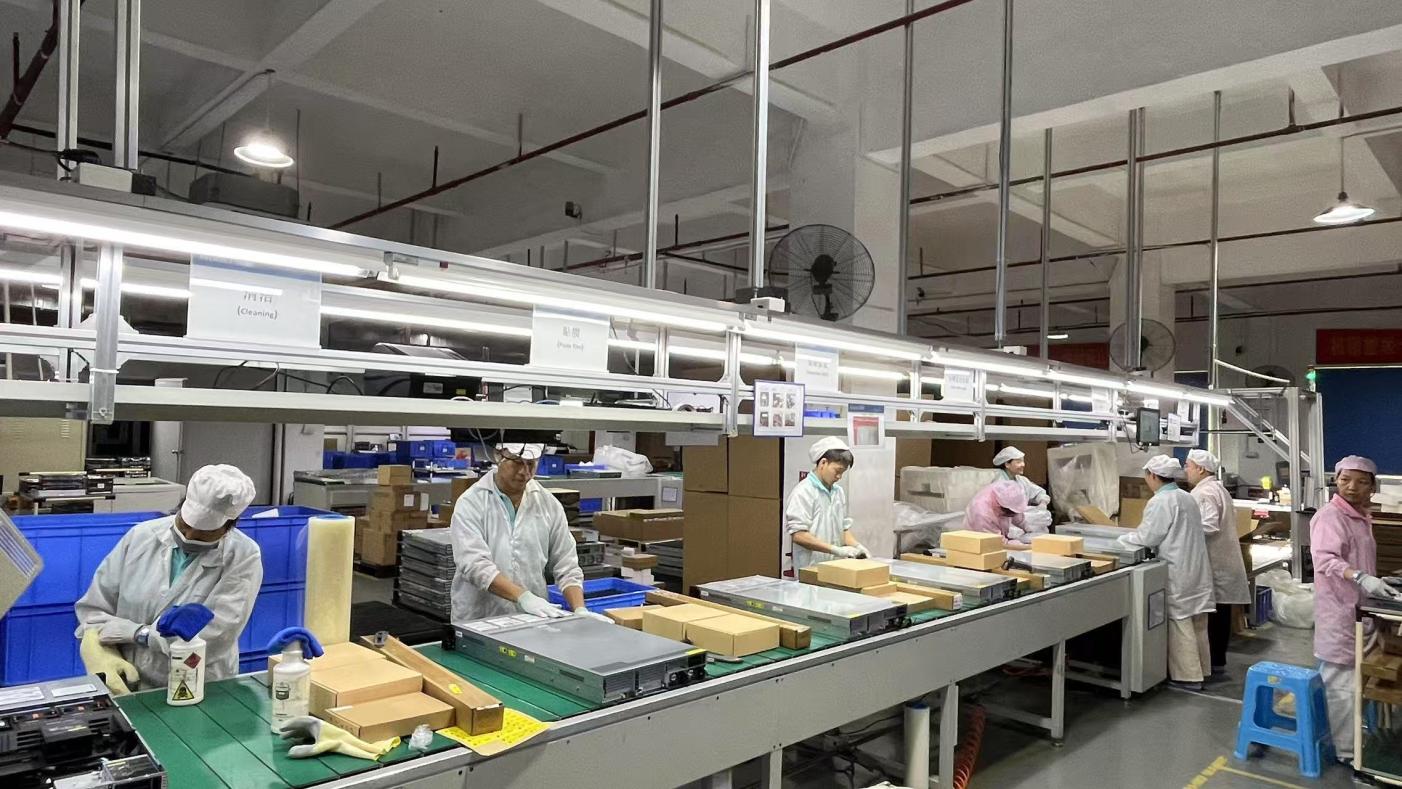
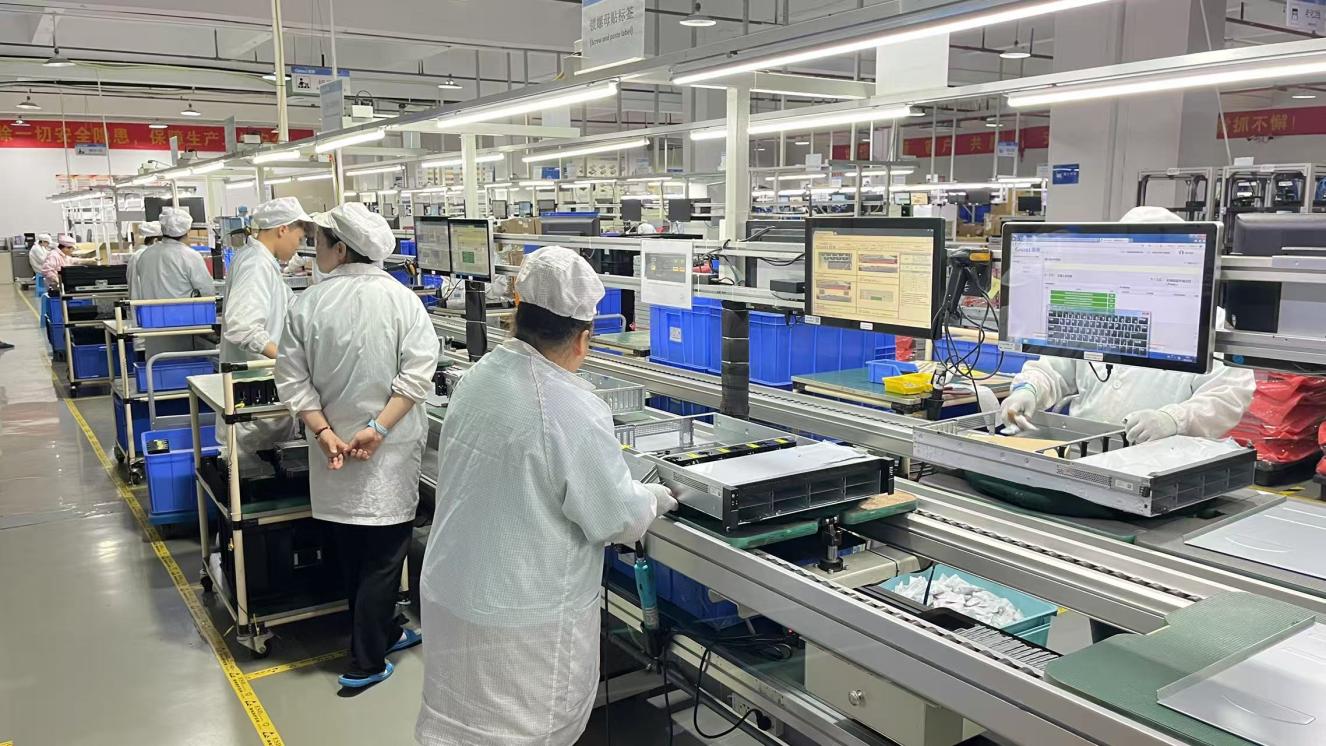
With a modern manufacturing facility covering 28,600 m², we integrate advanced production equipment to ensure reliable performance.
Quality is the foundation of Celtrix. We adhere to the ISO 9001 Quality Management System and employ 56 dedicated QC professionals.
Inspection Methods: IQC, IPQC, AOI, Functional Testing, Burn-in Test, Aging Test, and FQC to ensure zero-defect delivery.
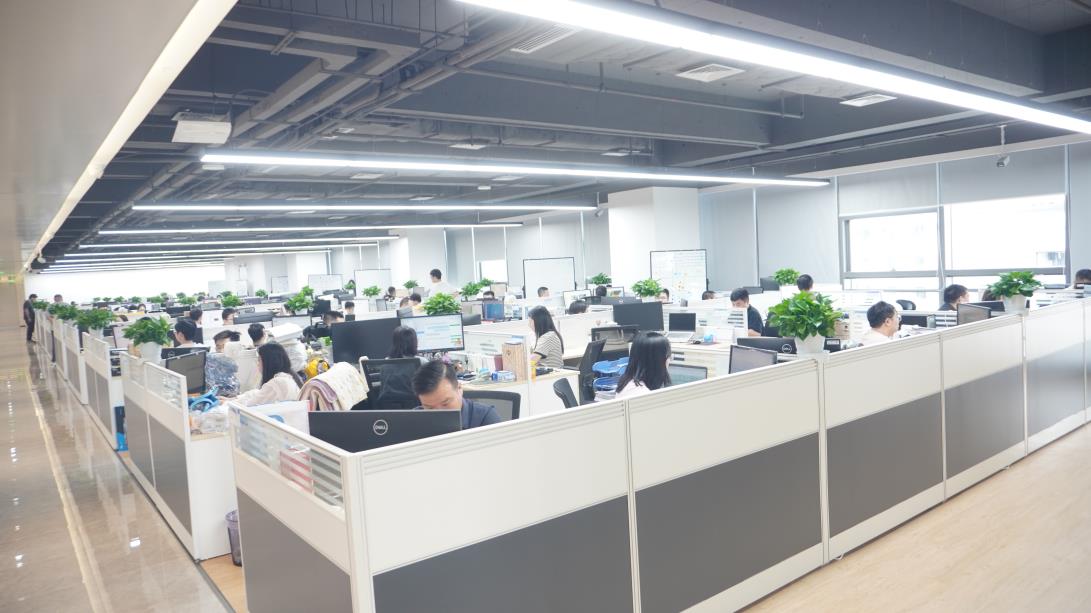
Innovation is at the core of Celtrix's business strategy. Our dedicated engineering team of 142 R&D engineers continuously develops advanced DDR5 memory solutions. Last year alone, we released 168 new products, catering to AI computing, gaming, and enterprise server markets.
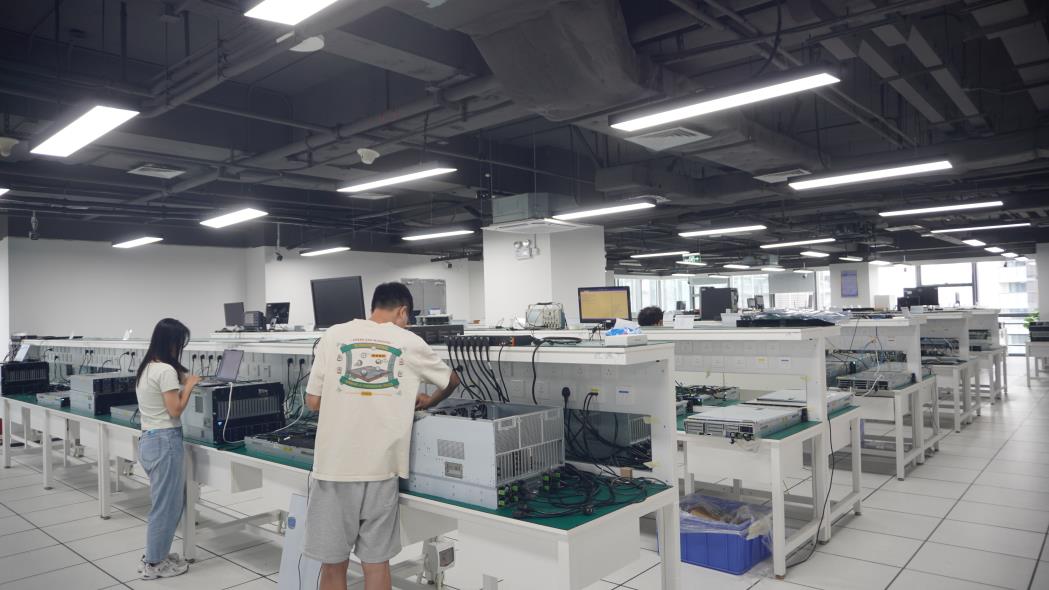
PCBA for diagnostic imaging, patient monitoring, and wearable health devices. Requires ISO 13485 compliance and extreme component longevity.
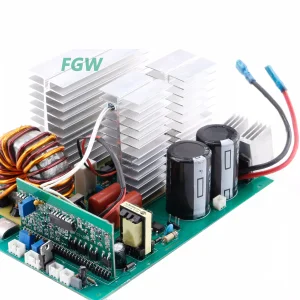
Heavy-duty circuit boards for PLC controllers, robotic arms, and power inverters (like the ZX7-315/400IGBT driver boards) that withstand high thermal stress.
ADAS systems, battery management systems (BMS), and EV charging stations requiring high reliability under vibration and extreme temperatures.
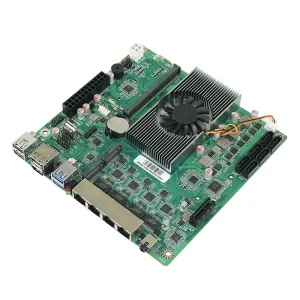
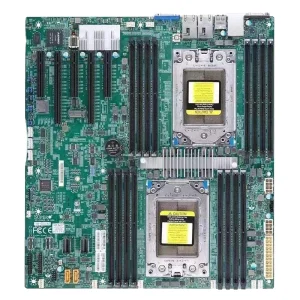
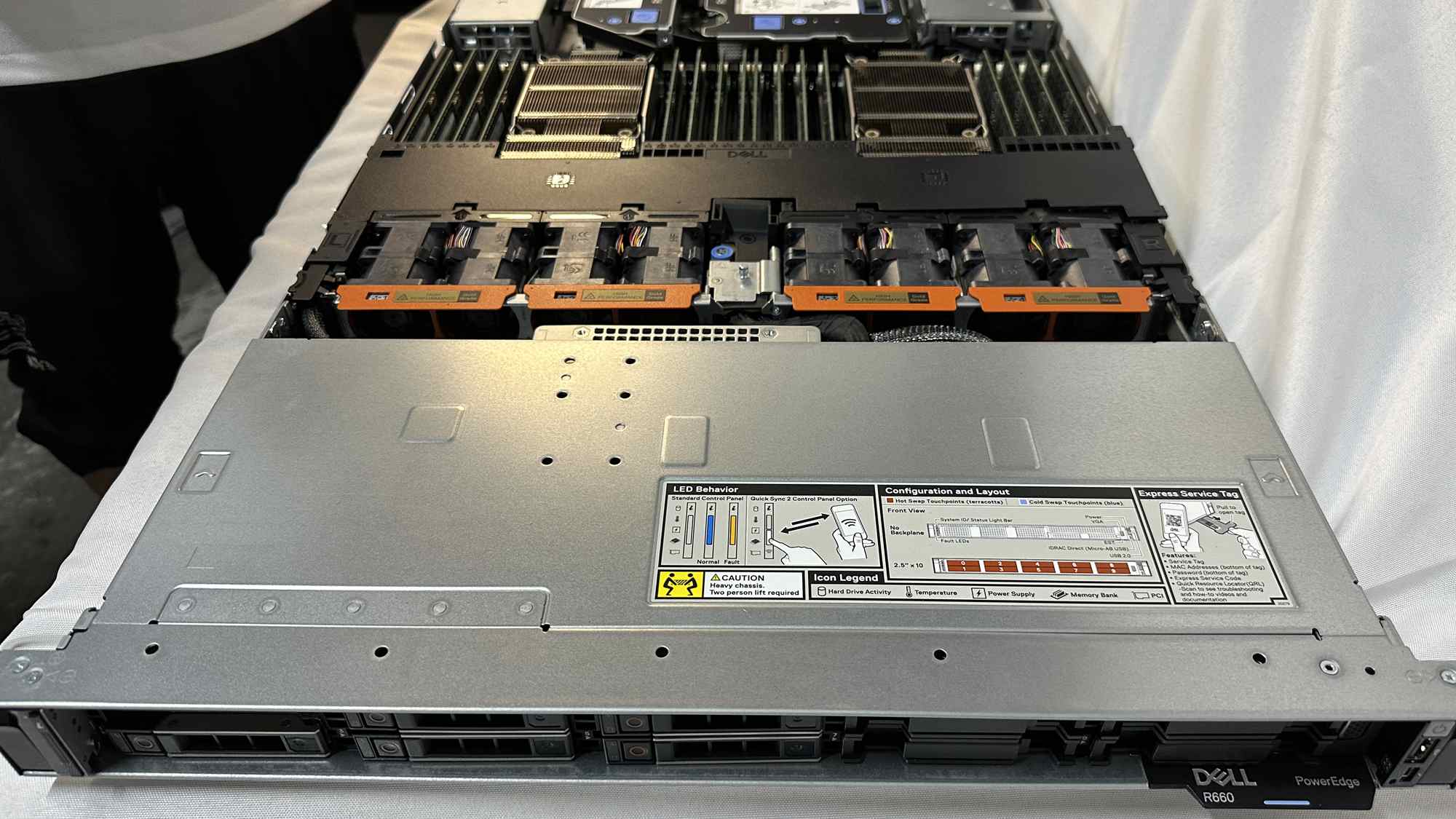
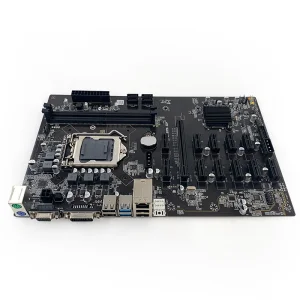
Server motherboards (e.g., H11DSI-NT Dual Channel) designed for AI training, supporting multi-core processors and massive DRAM bandwidth.
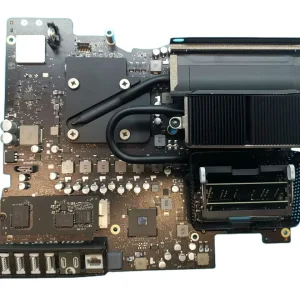
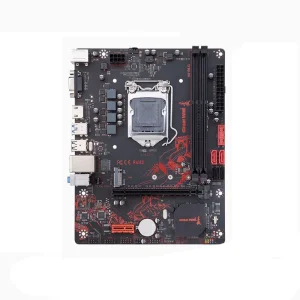
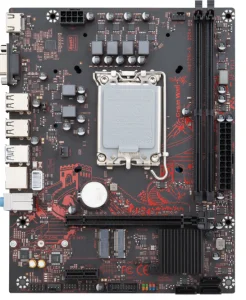
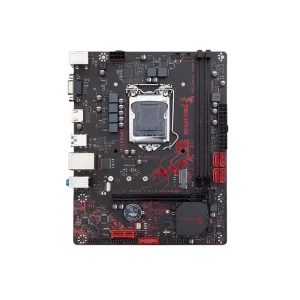
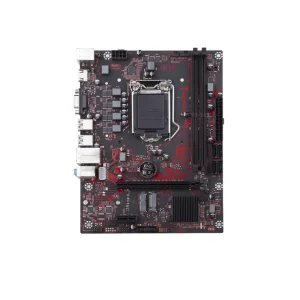
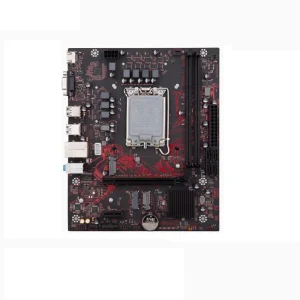
High-performance logic boards for devices like the iMac 27" or custom B760M gaming rigs that demand high-speed DDR4/DDR5 support.
Low-latency PCBAs for base stations and networking hardware, utilizing high-frequency materials for minimal signal loss.
AI is moving from the product into the production line. Predictive maintenance and automated solder defect classification are becoming standard in top-tier factories, reducing the margin of error to near zero.
With global ESG regulations, there is a massive shift towards lead-free soldering, halogen-free PCB materials, and recyclable components. Global enterprises now prioritize "Green Manufacturers" during the RFP process.
As traditional silicon scaling slows, the assembly of "Chiplets" and ultra-fine pitch components on HDI boards will define the next generation of computing power.
Successful procurement directors focus on three pillars when selecting a PCBA factory: Technical Capability, Supply Chain Transparency, and Financial Stability. Working with a manufacturer like Celtrix, which boasts a USD 23 million export volume and 1,180+ supply chain partners, ensures that component shortages are mitigated through large-scale purchasing power.
 Celtrix Memory