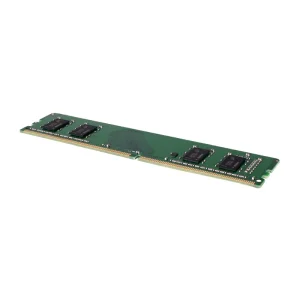
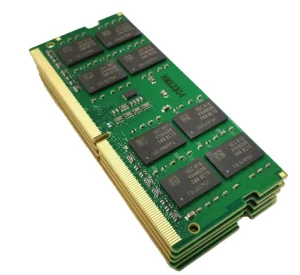
Direct factory inventory of reliable, high-frequency DDR4 and DDR5 SODIMM memory modules.
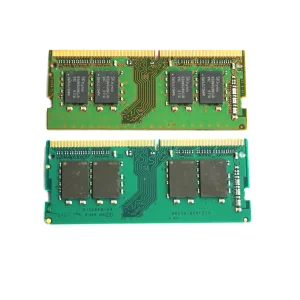
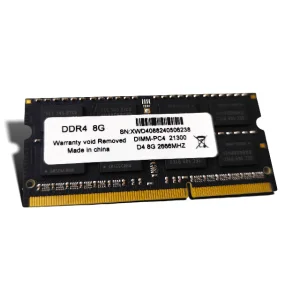
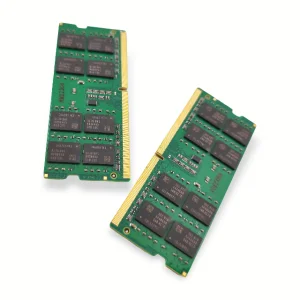
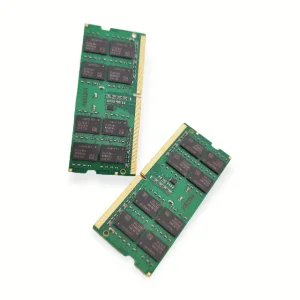
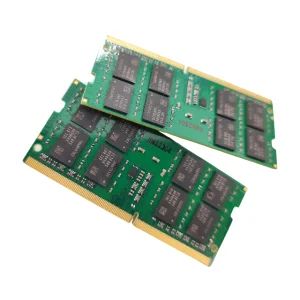
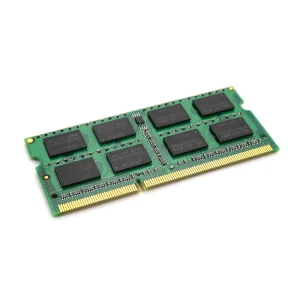
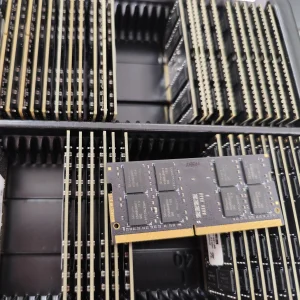
A professional DRAM manufacturer establishing industry standards for quality and hardware reliability.
Founded in 2017, Celtrix Memory Technologies Co., Ltd. stands as a premier manufacturer of DDR5 and DDR4 memory modules, serving a global network of enterprise clients, system integrators, and OEM partners. Over the past 9 years of deep industry expertise and 7 years of successful export operations, Celtrix has focused on custom DRAM configurations designed to meet the rigorous demands of advanced computing systems.
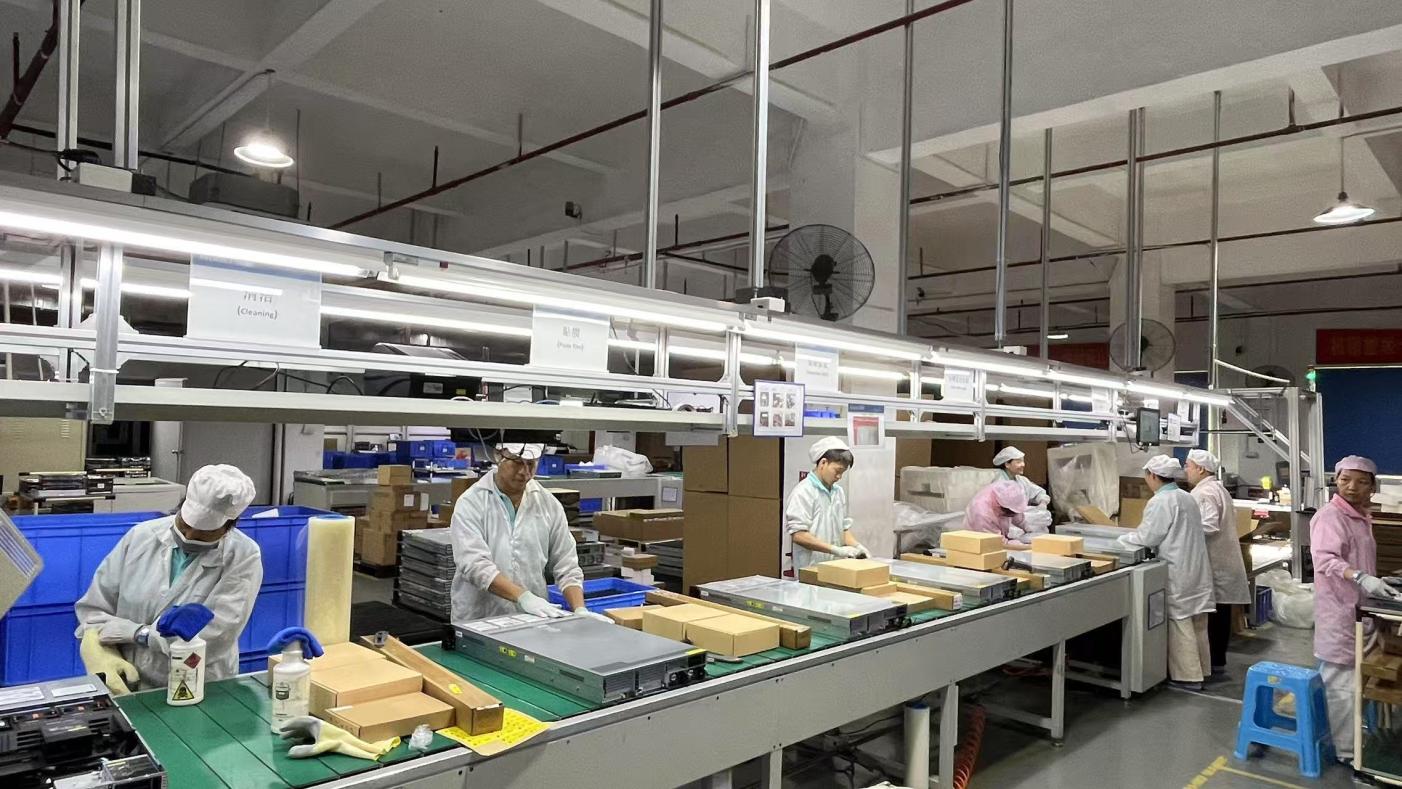
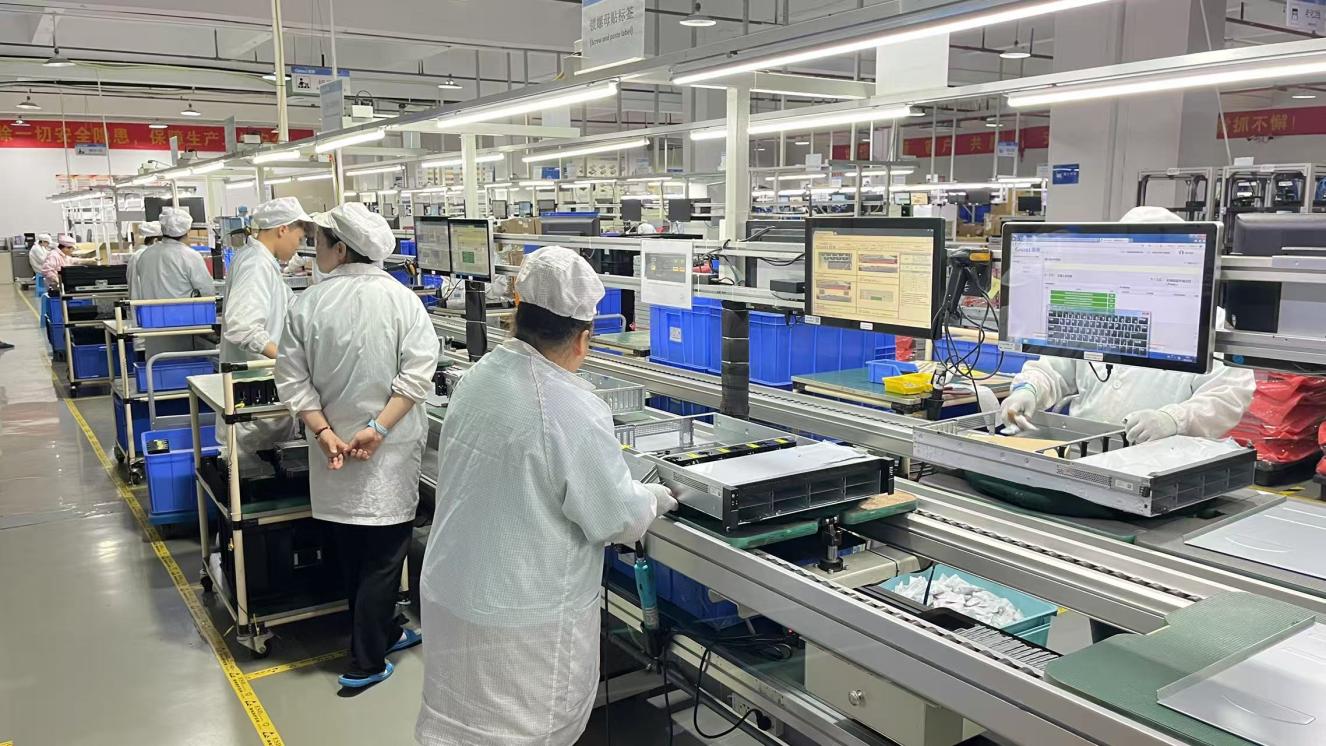
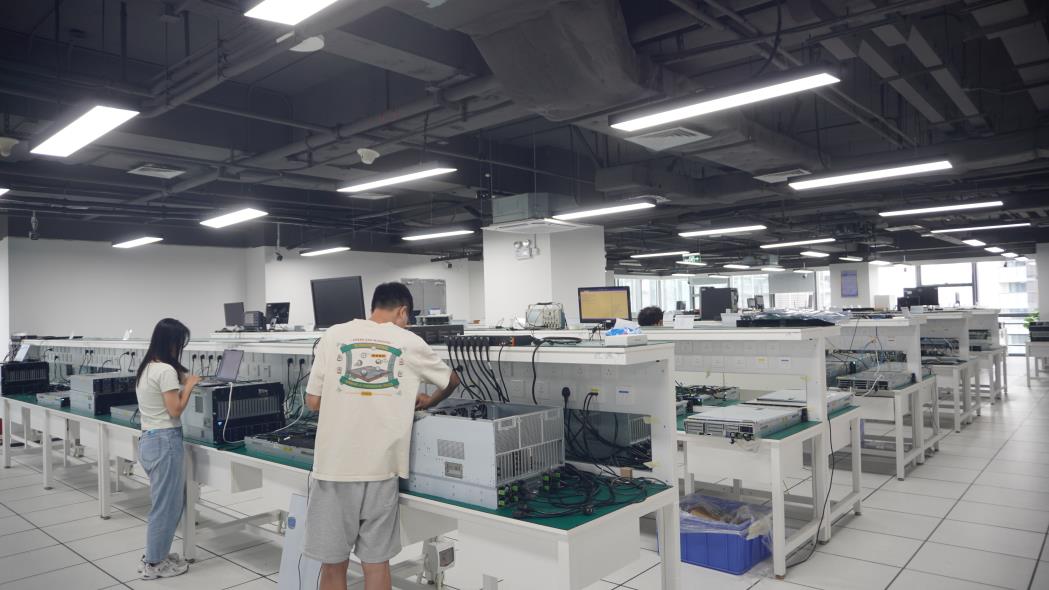
Our state-of-the-art facility occupies a massive footprint of 28,600 m², featuring automated assembly lines, high-frequency SMT lines, and specialized hardware testing suites. With an annual export revenue surpassing USD 23 million, we deliver memory solutions to more than 50 countries, facilitating stable hardware infrastructure for various industrial sectors.
Analyzing the shift from DDR3 and DDR4 to high-performance DDR5 architectures.
The global semiconductor landscape is experiencing a significant shift in data transmission architectures. Computing modules in fields like edge computing, cloud storage, and AI-enabled notebooks require massive bandwidth improvements. Standard DDR3 memory, once the industry benchmark, is now largely restricted to legacy industrial automation systems and thin-client applications running at frequencies like 1333MHz or 1600MHz. DDR4 remains the high-volume foundation for mainstream business and corporate laptop fleets, operating between 2133MHz and 3200MHz with operating voltages of 1.2V to 1.35V.
At Celtrix, we develop products to address these hardware transitions. We provide high-density DDR4 modules to support existing business fleets, alongside next-generation DDR5 configurations optimized for higher computing workloads. This dual approach ensures hardware longevity for legacy platforms and prepares modern IT architectures for compute-heavy applications.
DDR5 modules achieve data rates exceeding 5600MHz, doubling the transfer speed of DDR4 and removing processing bottlenecks in high-demand environments.
By migrating voltage regulation from the motherboard to the DRAM module itself, DDR5 reduces systemic power draw and ensures cleaner signal distribution.
On-Die Error Correcting Code (ODECC) improves reliability by identifying and correcting single-bit faults inside the silicon wafer before data leaves the chip.
Mitigating semiconductor supply chain risks through OEM partnerships.
Managing semiconductor sourcing involves navigating wafer pricing volatility, raw material shortages, and international logistics challenges. Laptop RAM suppliers must maintain close ties with tier-1 wafer factories to secure consistent inventory. Celtrix mitigates supply chain risks by maintaining partnerships with leading manufacturers like Samsung, SK Hynix, and Micron. This allows us to offer consistent product quality and predictable pricing, protecting clients from price increases in the open market.
In addition, we maintain key supply-chain alliances with over 1,180 partners, ensuring our materials remain stable even during periods of high demand. For industrial system integrators, sourcing RAM requires more than just buying components; it requires a partner who can guarantee a reliable long-term supply. We structure our inventory strategies to support multi-year product lifecycles, ensuring identical specifications for critical industrial and medical equipment over time.
| DRAM Standard | Common Frequencies | Standard Voltage | Key Form Factors | Typical Applications |
|---|---|---|---|---|
| DDR3 / DDR3L | 1333MHz, 1600MHz | 1.35V / 1.5V | 204-Pin SODIMM | Legacy Systems, Embedded Controllers, Rugged Industrial Notebooks |
| DDR4 SODIMM | 2133MHz, 2400MHz, 2666MHz, 3200MHz | 1.2V | 260-Pin SODIMM | Business Laptop Fleets, Edge Servers, Healthcare Imaging Terminal |
| DDR5 SODIMM | 4800MHz, 5200MHz, 5600MHz, 6000MHz+ | 1.1V | 262-Pin SODIMM | AI Laptops, Mobile Workstations, Cloud Computing Hardware |
Tailoring physical configurations, electrical parameters, and firmware to target applications.
Standard, off-the-shelf memory modules do not always meet the requirements of specialized commercial hardware. Industrial motherboards and customized laptops may need modified timing files, unique heat-spreader dimensions, or specialized power profiles. Celtrix's engineering team, consisting of 142 R&D professionals, assists customers with comprehensive customization options. Over the past year alone, Celtrix introduced 168 new specialized products to address diverse client requests.
Our manufacturing capabilities support complete customization across multiple hardware levels:
We write customized Serial Presence Detect (SPD) data profiles, optimizing memory timings, latencies, and voltages to guarantee boot-up compatibility on customized motherboards.
We design custom ultra-thin copper, aluminum, or composite heat spreaders. This ensures reliable heat dissipation inside compact, restricted-airflow enclosures.
We provide full retail packaging design, customized labeling, laser marking, and bulk tray packaging optimized for high-efficiency system integration lines.
A rigorous multi-phase validation process managed by 56 quality control specialists.
At Celtrix, we recognize that memory faults can lead to system instability, lost data, and critical downtime. To prevent failures, our entire manufacturing pipeline operates under the ISO 9001 Quality Management System, ensuring traceabilty and process control from raw material delivery through to final shipment.
Our hardware validation process is managed by 56 dedicated quality control specialists and includes the following key phases:
DRAM dies undergo parameter validation, and PCBs are checked for impedance uniformity, ensuring only verified base materials enter the production line.
Post-soldering, our automated optical systems verify SMT placement accuracy, detecting solder bridges, tombstones, and alignment deviations down to the micron level.
To eliminate early-life failures, selected production runs undergo thermal stress testing inside chambers cycling between -40°C and +85°C.
Modules are tested across a hardware matrix featuring motherboard platforms from major manufacturers (including Intel, AMD, Lenovo, HP, Dell, and ASUS) to ensure reliable operation.
Navigating import standards and providing responsive technical services across key markets.
Celtrix supports clients in North America, Europe, Southeast Asia, South America, the Middle East, and Oceania. Serving these distinct regions requires strict adherence to local regulatory frameworks. All Celtrix memory modules carry full certification compliance to facilitate smooth customs clearance:
Our logistics network is structured to accommodate key commercial requirements:
We comply fully with RoHS and REACH standards. All materials are lead-free and free of restricted hazardous chemicals, ensuring suitability for public tender requirements.
Our modules carry CE, FCC, and VCCI markings, verifying they meet electromagnetic emission guidelines and operate reliably without causing system interference.
We stand behind our production quality with direct engineering-level support and transparent RMA processing, minimizing disruption to your operations.
How our memory configurations perform under varying workloads.
Professionals using CAD, BIM, and video rendering systems require large amounts of high-speed memory. Our 32GB DDR4 and DDR5 SODIMM modules operate at frequencies up to 5600MHz, providing the bandwidth needed to handle complex datasets and render high-resolution assets efficiently.
Ultrasound devices, MRI post-processing systems, and localized diagnostic hardware rely on memory with error-correction capabilities. Our DDR4 and DDR3 ECC SODIMM modules identify and correct single-bit memory errors, protecting critical patient data during imaging procedures.
Factory floor controllers and IoT gateways must operate reliably in environments with wide temperature swings, dust, and continuous vibration. We construct industrial-grade SODIMM modules using durable PCBs and select memory dies to ensure stable operation under challenging physical conditions.
Edge AI nodes processing local data models require high memory density and speed to avoid system latency. Celtrix DDR5 modules provide the throughput required to run localized AI inference engines on edge-configured laptops and industrial motherboards.
The shift toward CAMM2 form factors, LPDDR5X configurations, and future DDR6 standards.
The layout of mobile and laptop computing memory continues to change. While SODIMMs remain the primary form factor for expandable systems, the industry is moving toward new technologies. Major manufacturers are beginning to adopt the JEDEC-standardized CAMM2 (Compression Attached Memory Module) design. This format promises to reduce memory thickness by up to 57% and support speeds beyond 7500MT/s. It also simplifies motherboard routing by using a single module for dual-channel operations, saving space inside thin-and-light laptop designs.
Simultaneously, the development of DDR6 is underway. It is projected to double the transfer speeds of DDR5 while utilizing new signaling methods like PAM (Pulse Amplitude Modulation) to maintain reliability at higher frequencies.
Celtrix's R&D team is actively tracking these design transitions. We are testing CAMM2 configurations and preparing our assembly lines for next-generation DDR5 and early DDR6 designs. This forward-looking research ensures we can help partners transition to new standards as they become available.
Addressing common questions about compatibility, manufacturing, and global ordering processes.
Direct views of Celtrix's 28,600 m² manufacturing plant and quality testing infrastructure.

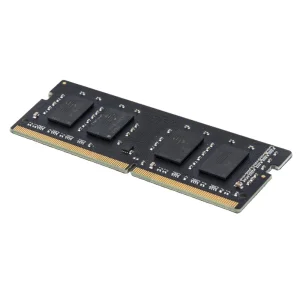
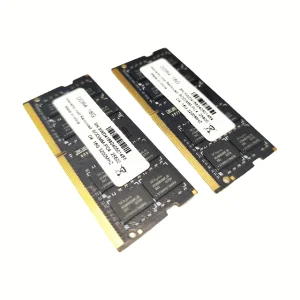
Browse our broader range of laptop memory options for various system configurations.
 Celtrix Memory