Explore our leading selection of thermal aluminum PCBs, high-performance computing memory modules, and specialized industrial control boards.
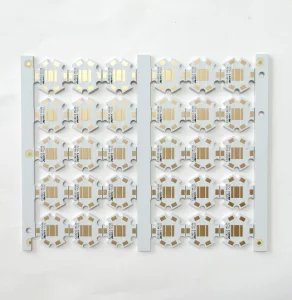
Aluminum PCB T6 5050 3535 lamp bead aluminum substrate 8 10 12 14 16 20mm
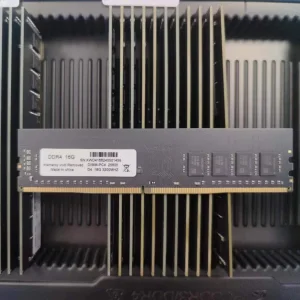
DDR4 16GB 3200HZ Desktop RAM Server Memory RAM DDR3 4GB 8GB 16GB 32GB Memory Module
Aluminum PCB T6 5050 3535 lamp bead aluminum substrate 8 10 12 14 16 20mm
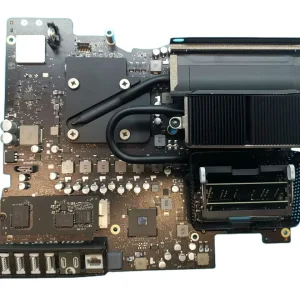
Motherboard Original Logic Board for iMac 27" I5 3ghz GDDR 2019 Year
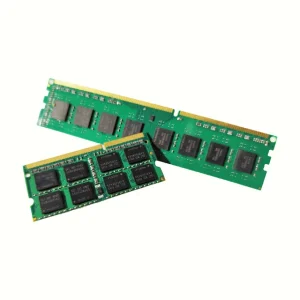
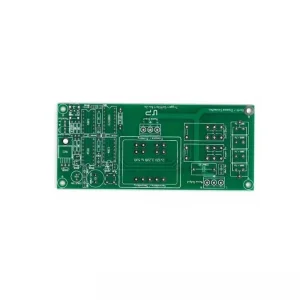
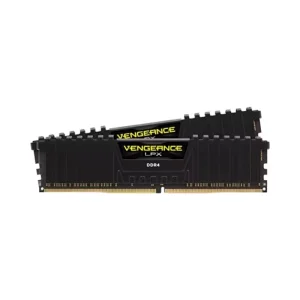
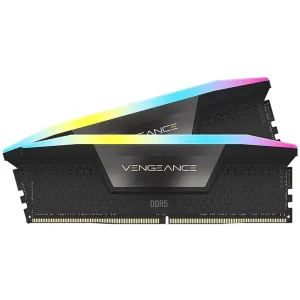
Wholesale DDR5 Avengers Desktop RGB Memory Bar 16G/32G/64G/ 6000MHZ 6400MHZ 6800 MHZ Computer
In the modern electronics manufacturing era, effective thermal management is no longer a secondary design consideration; it is a critical gatekeeper of system reliability, longevity, and overall operational safety. As systems decrease in physical footprint while simultaneously increasing in energy density, traditional FR4 substrates frequently hit physical limitations. This has driven the exponential rise of the Aluminum PCB (Metal Clad PCB / IMS) across global industrial supply chains.
The global market for metal core printed circuit boards is propelled by massive electrification trends. Insulated Metal Substrates (IMS) utilize aluminum alloys (such as 5052 or 6061) to offer a thermal conductivity pathway that is 10 to 50 times greater than standard epoxy-glass substrates. Industry analysts estimate that the global MCPCB market will see a compound annual growth rate (CAGR) exceeding 8.5% over the next decade. Major demand nodes have transitioned from basic household lighting to high-power automotive power converters, industrial variable-frequency drives (VFDs), telecom base stations, and enterprise server infrastructures where stability under constant thermal cycling is paramount.
| Substrate Parameter | Standard FR-4 Board | Aluminum Base PCB (MCPCB) | Primary Performance Advantage |
|---|---|---|---|
| Thermal Conductivity | 0.25 - 0.5 W/m-K | 1.0 - 9.0 W/m-K | Accelerated heat dissipation from active junctions. |
| Coefficient of Thermal Expansion (CTE) | 14 - 17 ppm/°C | 22 ppm/°C (Al base matches Cu) | Minimizes mechanical stress on solder joints. |
| Dimensional Stability | Moderate (< 0.5% shift) | Excellent (< 0.1% shift) | Maintains structural integrity under high heat. |
| Mechanical Strength | Brittle under physical impact | Highly robust / structural integrity | Allows thin profile design without warpage. |
China remains the uncontested epicenter of advanced PCB fabrication and high-density electronic assemblies. The manufacturing ecosystem in regions like Shenzhen and Guangdong provides unmatched vertical integration. From raw copper clad laminates (CCL), aluminum backing sheets, high-dielectric prepreg materials, to state-of-the-art SMT (Surface Mount Technology) component mounting, every step of the value chain is clustered within a tight geographical proximity.
This density yields significant cost and cycle-time advantages. At Celtrix Memory Technologies Co., Ltd., our advanced 28,600 m² facility features automated inline production designed to handle complex trace configurations on metal bases. By integrating processing steps, we reduce the lead time for standard prototypes to under 48 hours and bulk mass production to 10-14 days. China's mature engineering pool also ensures that CNC drilling, routing, and V-scoring processes on hard aluminum bases are executed with high precision, maintaining tight geometric tolerances that prevent micro-fracturing of dielectric layers.
Thermal dissipation is a fundamental requirement across diverse deployment environments. The specific application scenarios for Aluminum PCBs are defined by high current throughput and high thermal stresses:
Electric vehicle drivetrains run on massive currents. By using multi-layer aluminum boards, EV onboard chargers (OBC) and power distribution units (PDU) can run cool under continuous operation, preventing thermal runaway and extending vehicle battery range.
Modern commercial, street, and architectural lighting arrays (using T6, 5050, 3535 lamp beads) generate immense localized heat. An aluminum backing sheet quickly dissipates this heat, maintaining lumen output and stopping color shifts.
As server architectures move toward DDR5 speeds, on-board PMICs (Power Management ICs) generate more heat. Integrating custom PCB footprints with metal heatsinks ensures data integrity under heavy AI workloads.
The manufacturing sector is seeing a shift toward thin-dielectric, high-reliability materials. While early metal PCBs utilized thick dielectric layers that resisted heat flow, new formulas enable thin films (<50 microns) with high electrical isolation (>6kV breakdown voltage) and enhanced thermal conductivity.
In parallel, global procurement strategies are shifting from simple per-unit cost models to comprehensive lifetime value calculations. Environmental regulations, such as RoHS and REACH compliance, are strictly enforced, requiring lead-free surface finishes (such as ENIG or OSP) and halogen-free base chemistries. Modern buyers expect partners to provide end-to-end trace documentation, ISO-certified testing protocols, and robust engineering support during the design phase.
Celtrix Memory Technologies Co., Ltd. is a specialized high-technology manufacturer and exporter dedicated to high-performance DRAM solutions, multi-layer circuit boards, and advanced thermal management products. Established in 2017, the enterprise has grown into a key supply partner for global brands, system integrators, and distributors across more than 50 countries.
Leveraging our 28,600 m² modern facility, we combine high-speed automated SMT lines with rigorous quality control measures. Quality assurance is integrated throughout our entire process, certified under the ISO 9001 Quality Management System. Every production run undergoes automated optical inspections (AOI), high-temperature aging tests, and multi-stage electrical parameter checks managed by a dedicated team of 56 quality control specialists.
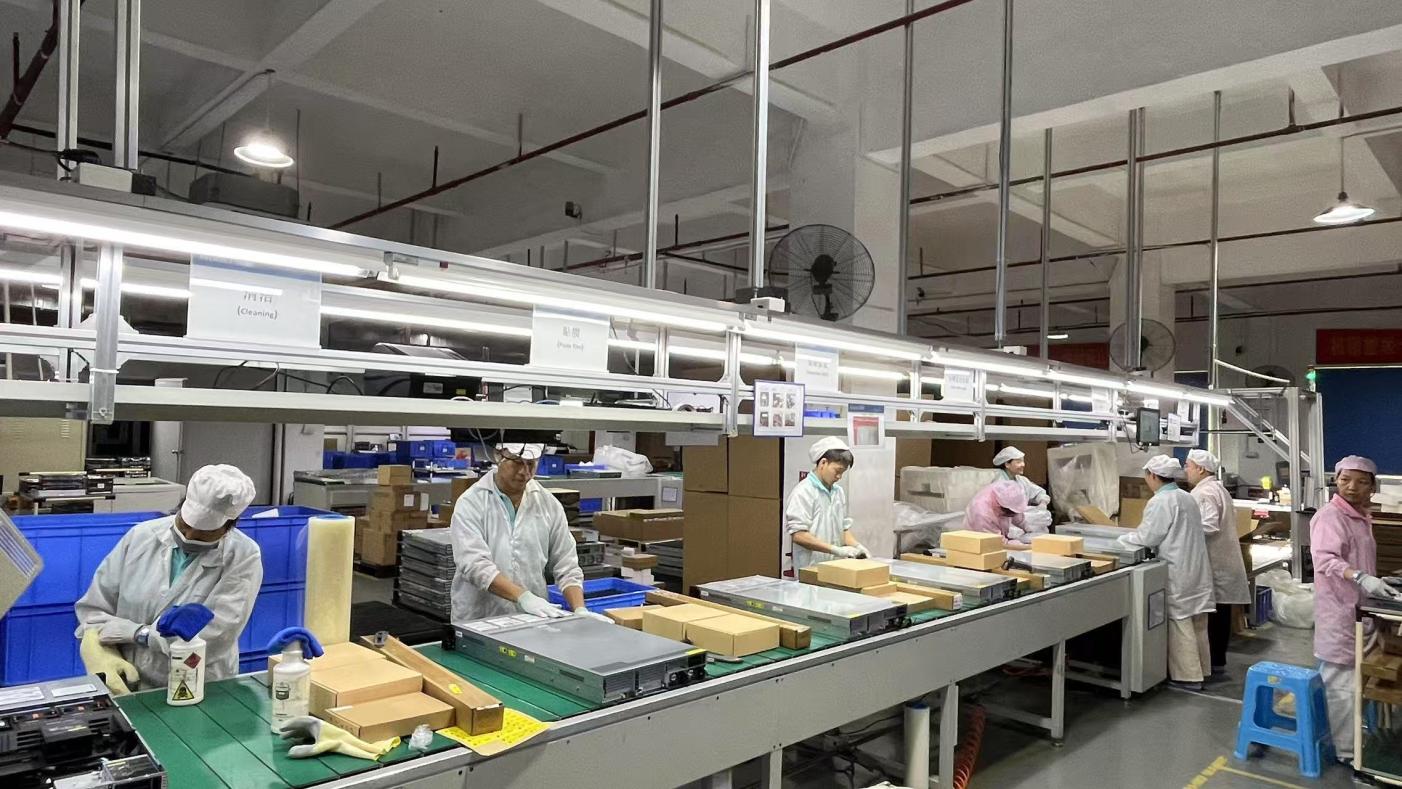
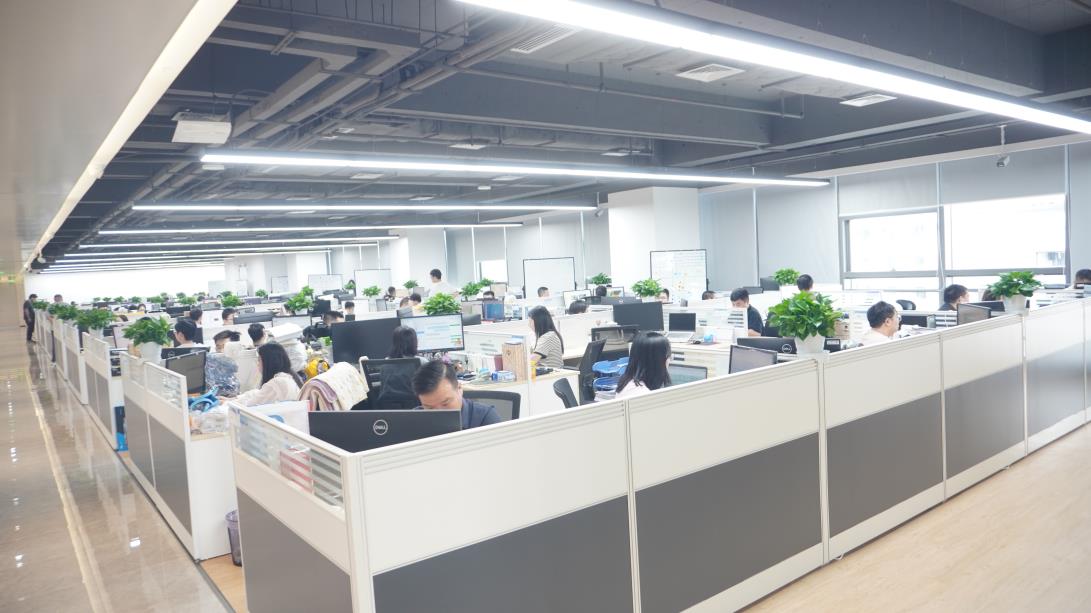
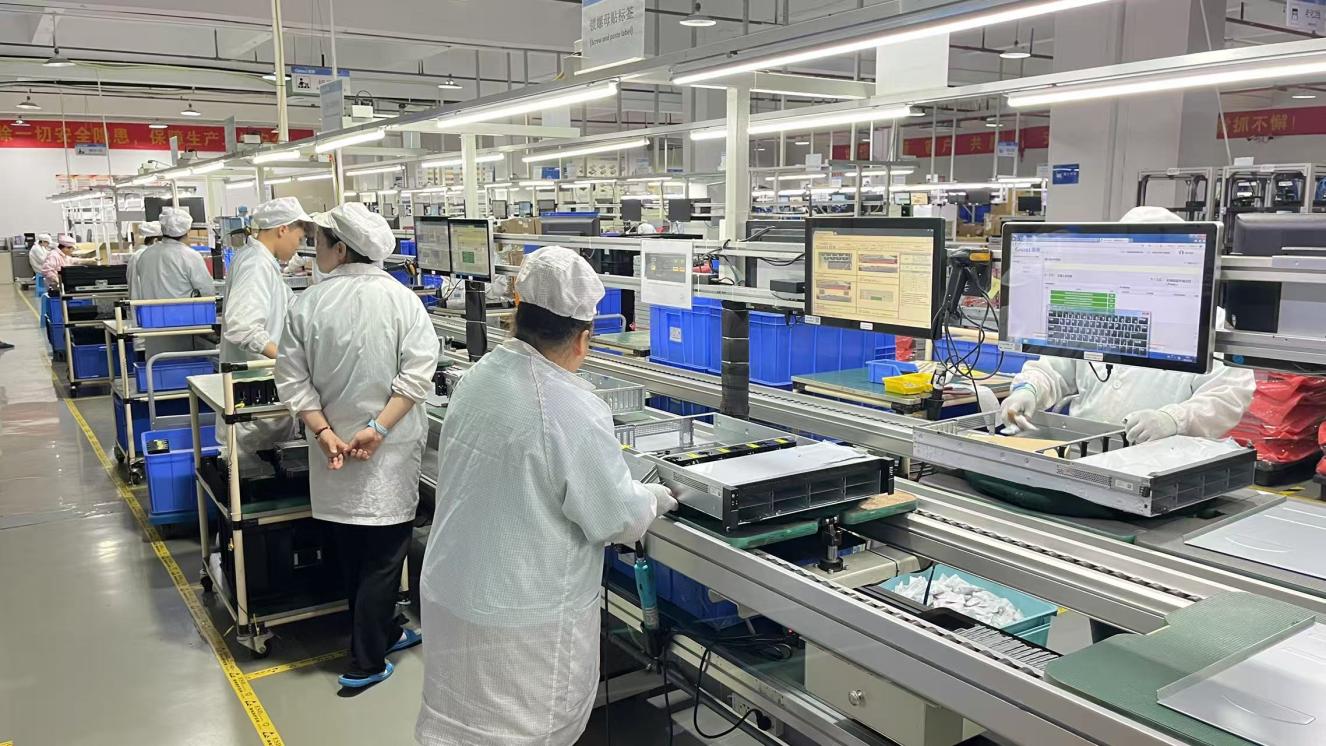
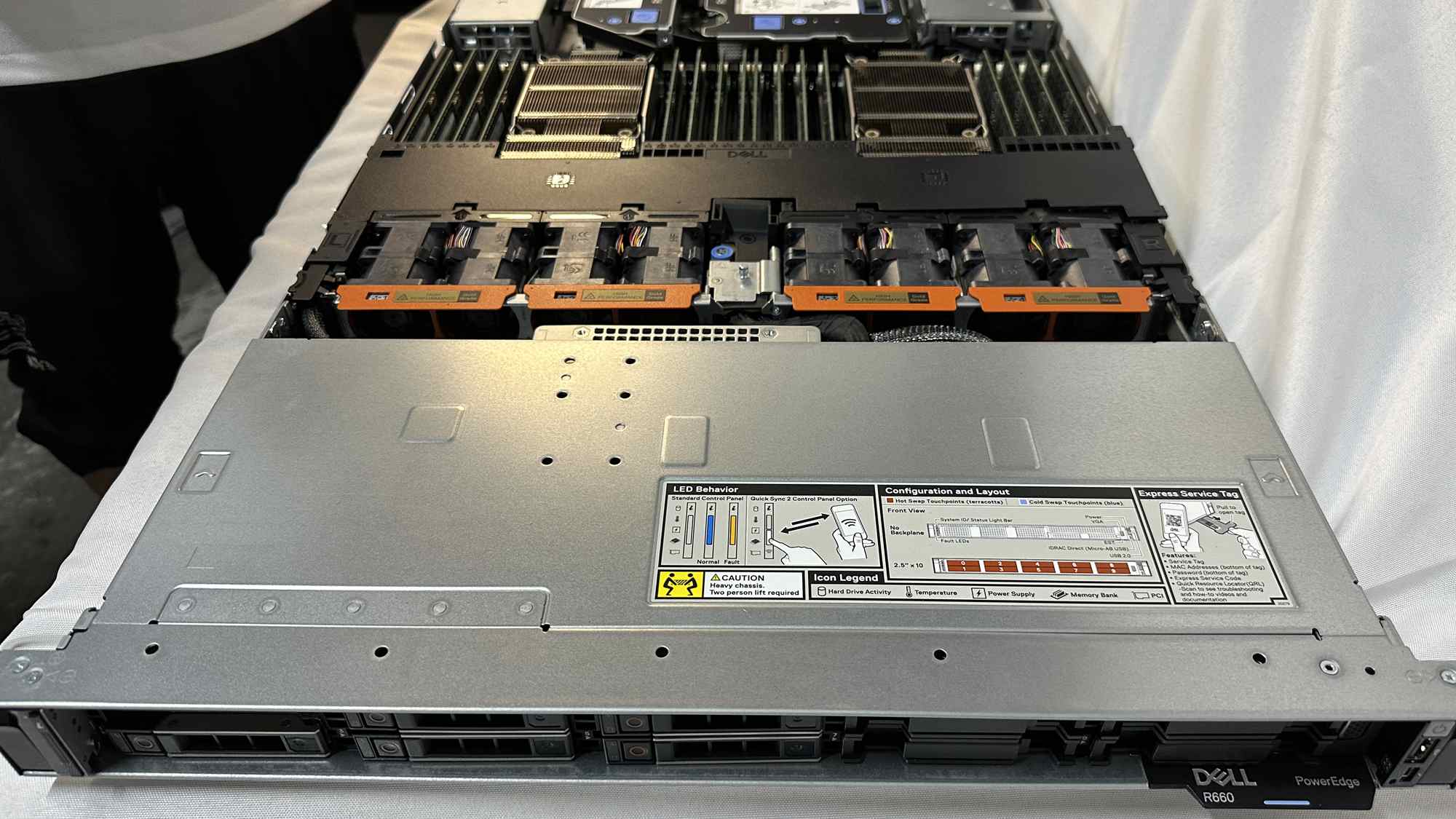
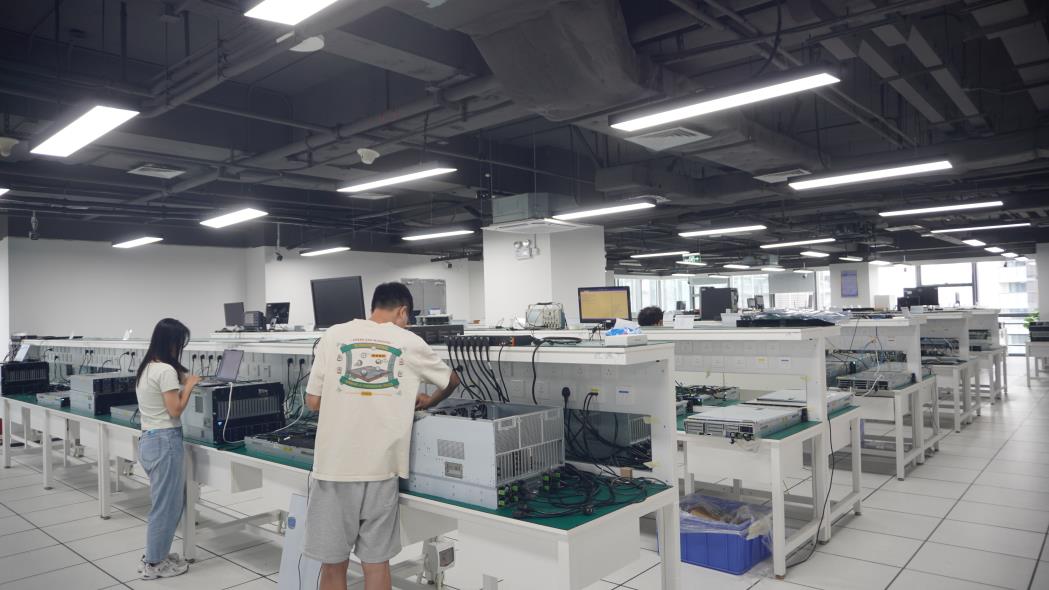
Innovation remains our core growth driver. Our R&D team released 168 new product variations last year, spanning high-speed DDR5 modules, custom PMIC controllers, and specialized thick-metal substrates. Supported by 142 R&D engineers, we provide complete OEM/ODM customization services, including private labeling, packaging design, and electrical parameter modifications.
Technical insight and design guidelines for engineering teams and procurement specialists.
Standard economic configurations start at 1.0 to 1.5 W/m-K, suitable for low-power LED systems. Mid-tier applications utilize 2.0 to 3.0 W/m-K layers, while automotive propulsion converters and high-density industrial control systems demand premium formulations ranging from 4.0 to 9.0 W/m-K.
A thinner dielectric layer decreases thermal resistance but reduces electrical isolation capacity. Standard thicknesses range from 50µm to 150µm. A 100µm layer typically delivers a breakdown voltage rating of over 4kV to 6kV DC, ensuring high safety margins in high-power applications.
The two most common alloys are Aluminum 5052 and Aluminum 6061. Aluminum 5052 offers superior mechanical ductility and is ideal for boards requiring complex bending, routing, or V-scoring. Aluminum 6061 provides higher structural rigidity and superior thermal performance, though it is more challenging to machine.
Yes. Although single-sided designs are the most common, we manufacture double-sided and multi-layer MCPCBs. These designs require laminating sequential FR-4 layers, copper traces, and dielectric materials onto the metal core. However, vias must be carefully isolated from the aluminum base to prevent short circuits.
HASL (Hot Air Solder Leveling) remains common for entry-level lighting. For high-reliability and automated SMT applications, we recommend ENIG (Electroless Nickel Immersion Gold) or OSP (Organic Solderability Preservative). These finishes provide a flat coplanar surface that improves solder paste deposition and joint strength.
We follow a multi-tier quality control workflow under our ISO 9001 certified program. This begins with incoming material inspections (IQC), moves through automated optical inspections (AOI) during processing, and finishes with high-stress thermal cycling, aging chambers, and functional verification.
Reliable hardware designs engineered to meet standard and custom specifications.
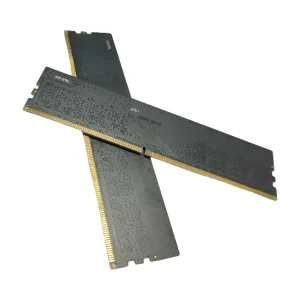
Desktop RAM DDR4 GB 8GB 16GB 32GB Computer RAM 1600MHz 2666mHz 2400MHz 3200MHz
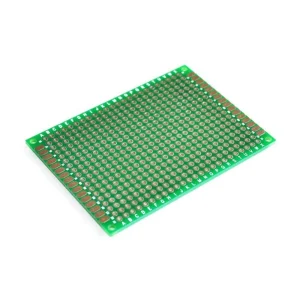
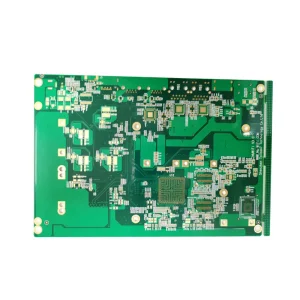
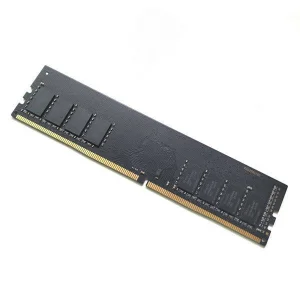
Best Price Desktop Memory Ram Ddr4 8GB 2400MHz Ram Computer Memory Module Ddr4 8GB
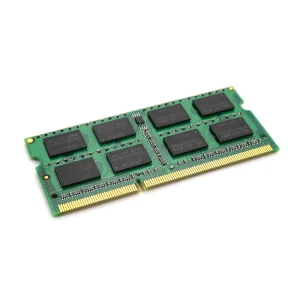
Factory Hot Selling Server Memory DDR4 8GB Desktop Computer Memory 1600MHz 2666mHz 2400MHz 3200MHz
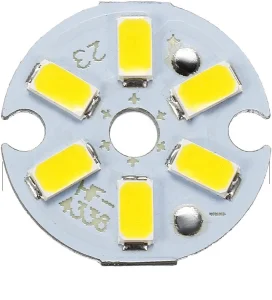
China PCB Manufacturing PCBA Prototype Cheap Price LED Chip Bulb SMD Light Beads Circuit PCB
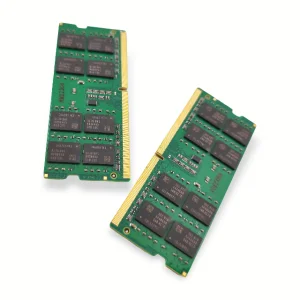
 Celtrix Memory