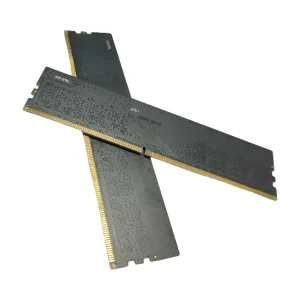
Explore our premium range of industrial heat sinks, motherboards, high-frequency PCBs, and enterprise-level memory modules. Every product is rigorously tested to ensure performance integrity under extreme data loads.
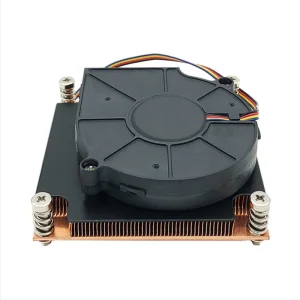
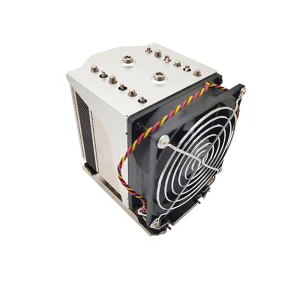
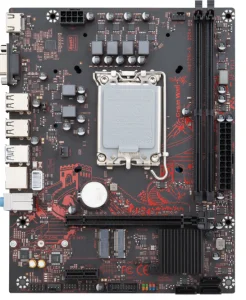
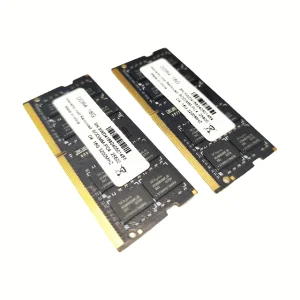
As the digital landscape transitions into the age of artificial intelligence, high-performance computing (HPC), and 5G communications, hardware requirements have shifted dramatically. Processor designs for next-generation platforms like Intel's LGA 4189 and AMD's SP6 now operate under unprecedented thermal envelopes. For enterprise servers, standard cooling is no longer adequate. The modern server radiator is not just a passive metal block; it is a highly engineered thermodynamic component designed to prevent thermal throttling, extend hardware lifespan, and minimize Power Usage Effectiveness (PUE) ratios within massive cloud facilities.
Celtrix Memory Technologies Co., Ltd., leveraging its vast expertise in enterprise-grade memory manufacturing and thermal system integration, understands that system reliability is a symbiotic relationship between micro-processing speed, data buffer accessibility, and optimal temperature maintenance. Below, we outline the fundamental engineering parameters, manufacturing advantages, and market dynamics that govern high-capacity server infrastructure today.
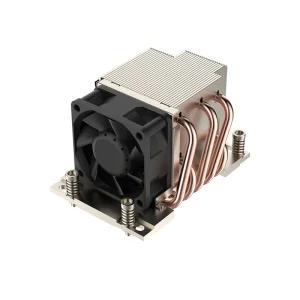
Utilizing high-purity oxygen-free copper bases and micro-grooved sintered heat pipes, our server radiators transfer heat instantly from the silicon die. Designed to absorb up to 350W+ TDP seamlessly.
State-of-the-art zippered fin and skiving technologies increase the effective surface area by 40% compared to traditional extrusions, vital for dense 1U and 2U rack form factors.
Every batch undergoes thermal shock validation, vibration testing, and helium leak detection for heat pipe assemblies to guarantee a zero-failure rate over 50,000 operational hours.
As global hardware supply chains adjust to demand fluctuations, China's advanced manufacturing hubs continue to offer unmatched benefits in the development and export of critical thermal infrastructure. By maintaining an ecosystem of advanced alloy suppliers, precision tooling facilities, and certified testing centers, factories in China provide complete end-to-end solutions that reduce time-to-market for enterprise hardware integrators.
Proximity to key raw materials—such as high-grade refined copper and industrial aluminum alloys—allows for direct control over chemical composition and manufacturing tolerances. China-based facilities integrate stamping, extrusion, CNC machining, reflow soldering, and custom plating under one roof. This minimizes transportation delays, safeguards material purity, and keeps raw pricing highly competitive.
The pace of hardware development requires thermal solutions that can adapt to changing CPU layouts within weeks, not months. Chinese engineers utilize advanced thermal simulation models (FloTHERM, ANSYS Icepak) to generate prototype designs quickly. Once simulated, localized CNC machining clusters can fabricate physical prototypes for testing within 72 hours, facilitating rapid refinement and validation.
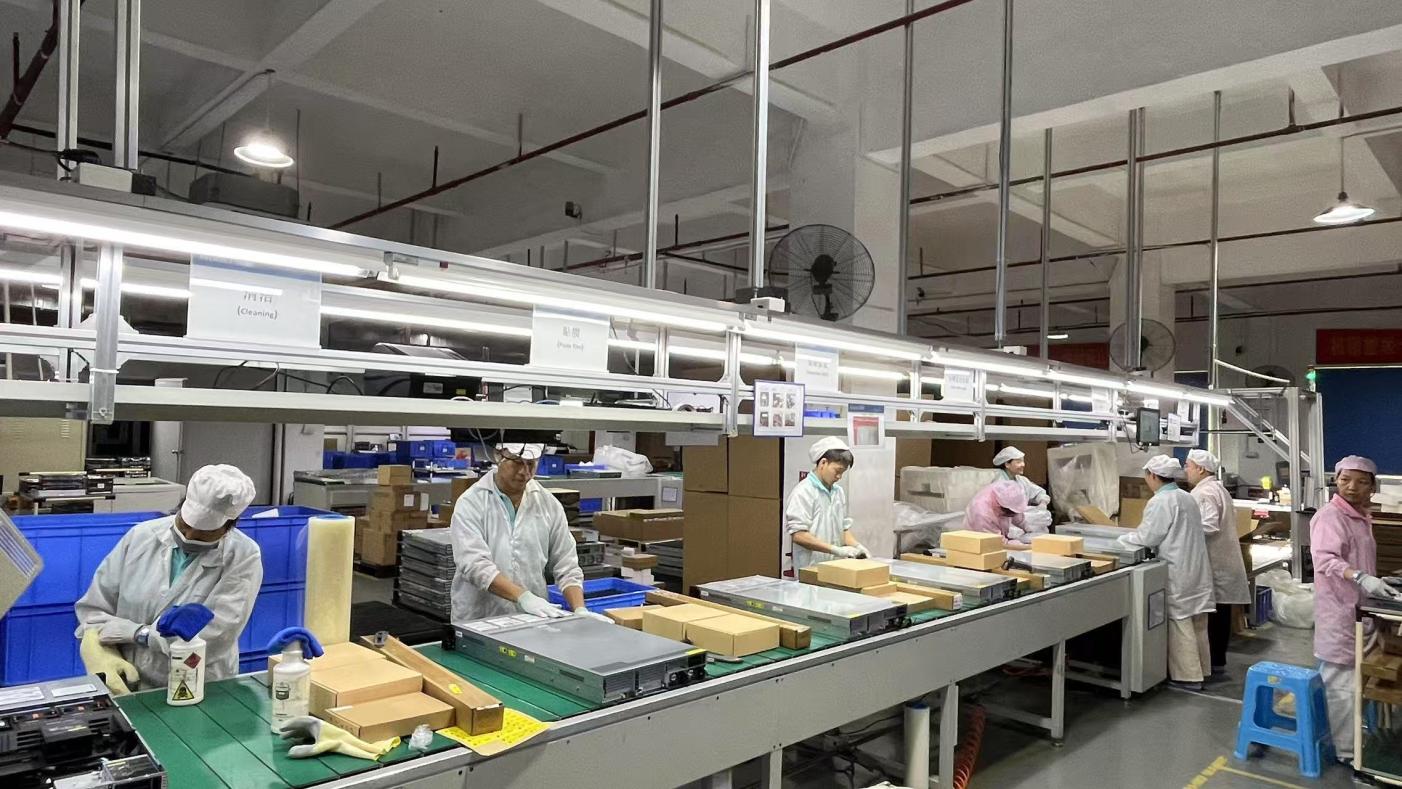
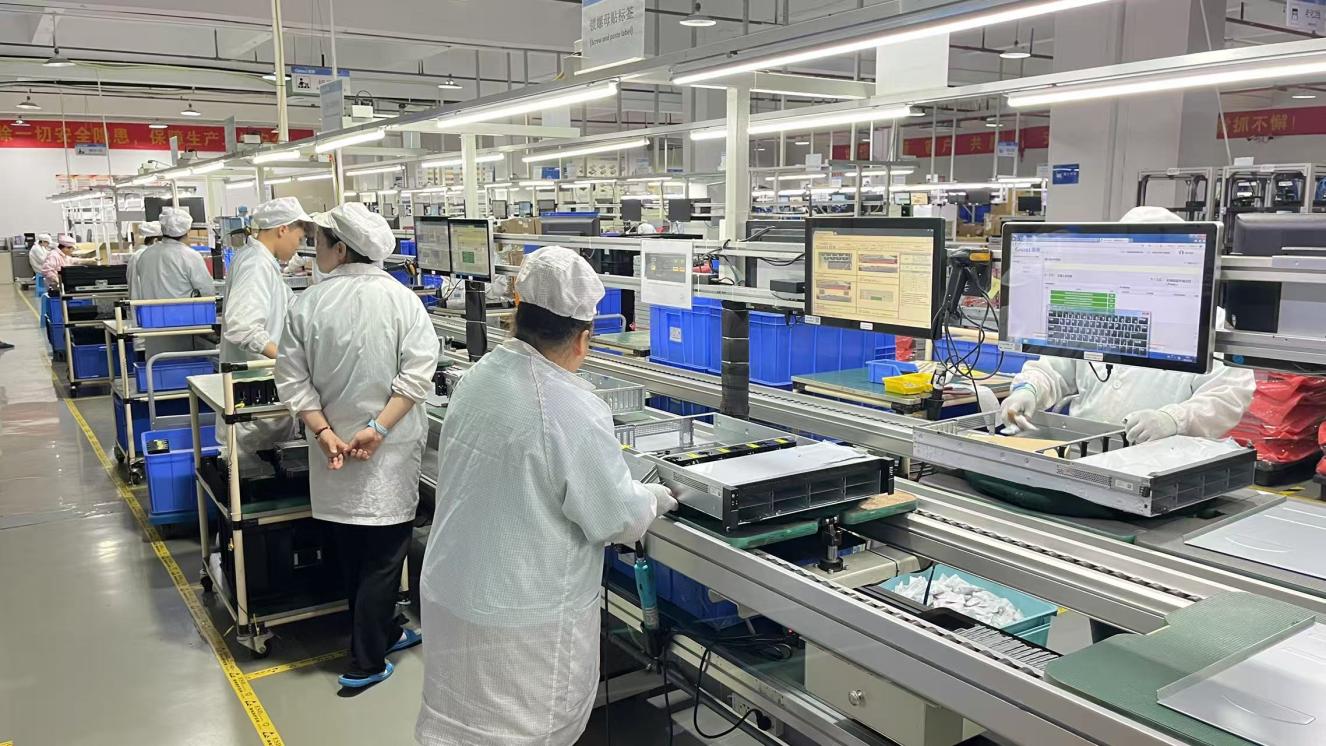
For large-scale hyperscale data centers, sourcing requires hundreds of thousands of identical units. The manufacturing ecosystem integrates automated assembly processes, such as robotic fin insertion, computer-controlled soldering pastes, and Automated Optical Inspection (AOI). This blend of automation and highly trained QC staff ensures consistent product quality and production scalability.
Established in 2017, Celtrix Memory Technologies has grown into a leading manufacturer of high-speed DRAM modules, industrial memory cards, and integrated enterprise hardware components. Operating out of a massive 28,600 m² state-of-the-art facility, we service critical server environments across North America, Europe, and Asia-Pacific markets.
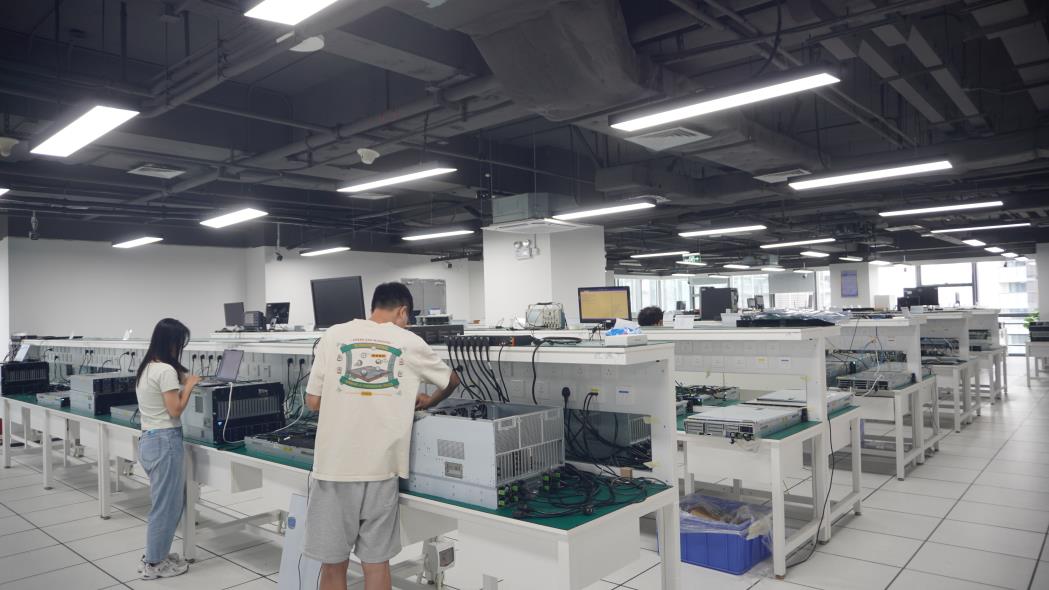
Reliability is paramount when dealing with enterprise components. An unexpected thermal failure or system memory error can result in costly downtime. At Celtrix, we enforce a strict quality control matrix aligned with ISO 9001 Quality Management System standards. Each component undergoes a battery of automated and manual tests at every stage of the assembly line.
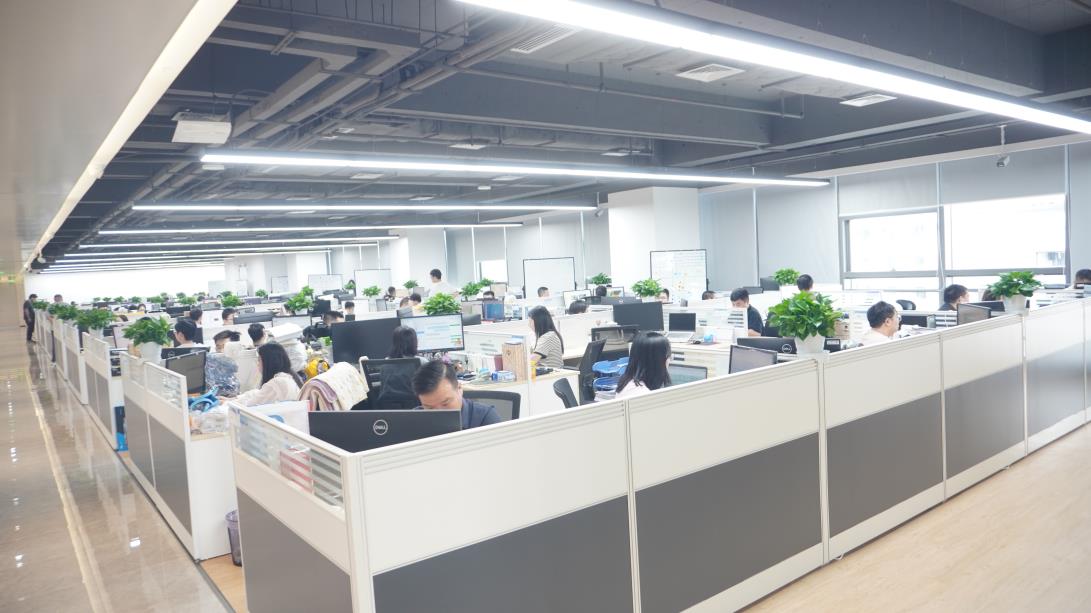
Our dedicated quality assurance division comprises 56 certified professionals who ensure that every batch meets our internal quality standards and matches the structural compliance requirements of importing countries (RoHS, CE, FCC, REACH).
Thermal management requirements differ depending on the deployment environment. We engineer custom solutions optimized for the unique physical constraints and performance metrics of modern computing networks:
AI workloads require continuous high-wattage computing across multiple GPUs and CPUs. Our 350W+ AMD SP6 and 320W LGA4189-N96 thermal solutions are designed to handle high heat flux densities, preventing thermal throttling during multi-day model training runs.
For cloud providers, high density is key to profitability. Standard 1U and 2U rack form factors limit the physical space available for cooling components. Our specialized low-profile copper fin configurations maintain airflow velocity while offering optimal cooling surface area, helping data centers lower their PUE and energy usage.
Edge nodes are frequently located in harsh environmental conditions (unconditioned industrial settings, street cabinets, or remote towers). Our high-durability passive radiators utilize protective surface coatings to resist corrosion while relying on ambient air currents for consistent heat dissipation.
The server radiator industry is evolving rapidly to match developments in silicon architecture and global environmental requirements. We are closely monitoring and adapting to these key industry trends:
Traditional copper bases are being replaced by 3D Vapor Chambers (3DVCs), which merge the vapor chamber base plate directly with the vertical heat pipes. This removes the thermal resistance interface between the base and the pipes, improving heat transport efficiency by up to 20% compared to traditional configurations.
As server chassis heat density exceeds 50kW per rack, air cooling is increasingly paired with liquid cooling systems. Modern server radiators are adapting to these hybrid configurations, using liquid channels to absorb primary CPU/GPU heat while retaining thin fins for secondary cooling of voltage regulator modules (VRMs) and system memory.
Material science is introducing composite options like graphene-coated fins, which boost emissivity and lateral heat dissipation. We continue to experiment with these advanced materials to create lighter, more efficient cooling components.
Copper has a thermal conductivity of approximately 401 W/m·K, which is nearly double that of aluminum (205 W/m·K). This allows copper to absorb and transfer high-density heat away from the processor core much faster. However, because copper is heavier and more costly, manufacturers often combine copper base plates (for contact) with aluminum fins (for heat dissipation into the air stream) to achieve an optimal balance of cost, weight, and performance.
Passive server coolers rely entirely on the high-velocity system fans pre-installed in the server chassis to push air through their cooling fins. They feature no moving parts of their own. Active server coolers include an integrated fan directly on the heat sink structure, providing dedicated localized airflow. Active coolers are common in larger 3U/4U units, workstation setups, and edge servers where ambient chassis airflow may be lower.
The socket type determines the physical dimensions, mounting hole locations, mechanical pressure requirements, and processor package size. An LGA 4189 socket has distinct dimensions and mounting spacing compared to an AMD SP6. Radiators must match these specifications exactly to ensure correct mounting force and thermal interface contact pressure without damaging the processor packaging.
Celtrix offers extensive customization support, including custom logo placement, capacity alterations, heat spreader engineering, custom SPD programming, private labeling, packaging modifications, and specialized heat pipe design for specific physical dimensions or TDP targets.
Take an inside look at Celtrix's cleanroom production centers, precision CNC systems, testing equipment, and warehousing facilities. This structure ensures that both memory modules and server radiators are manufactured to international standards.
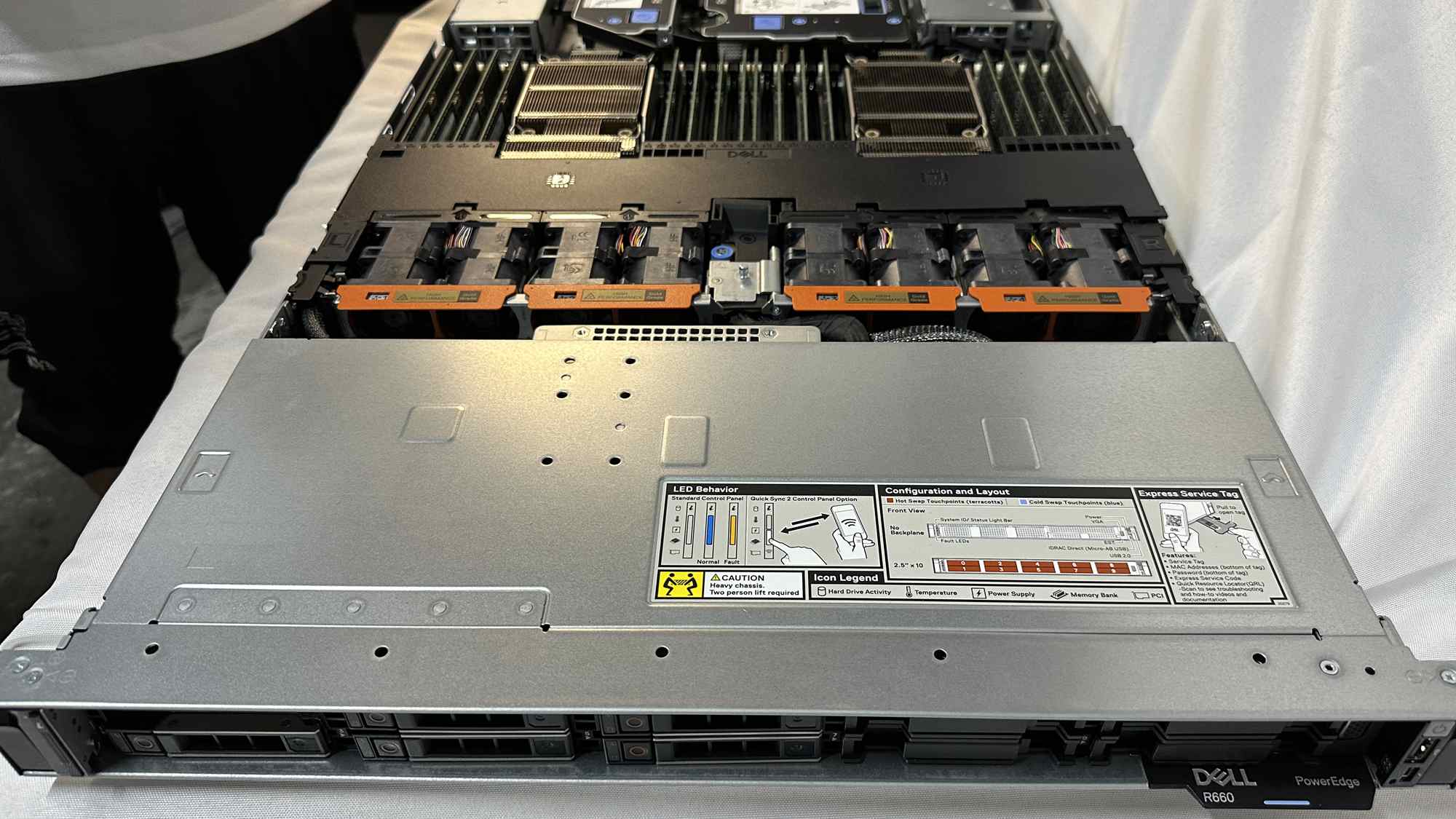
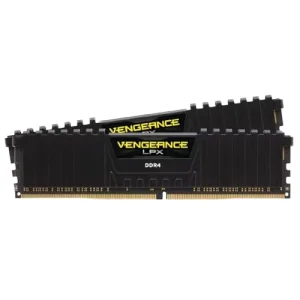
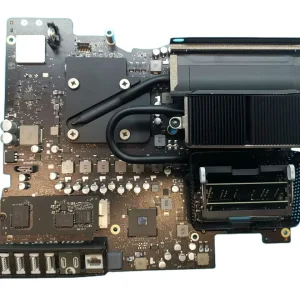
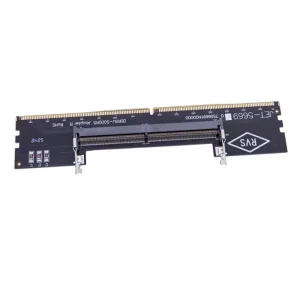
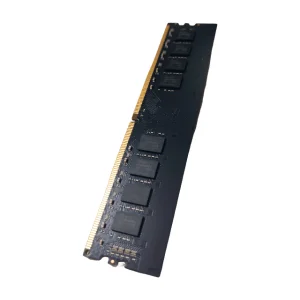
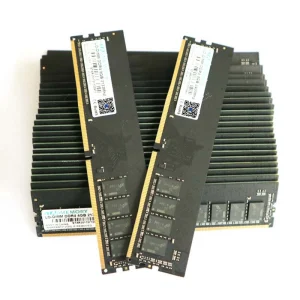
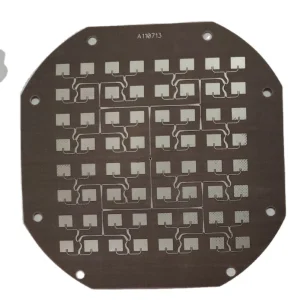
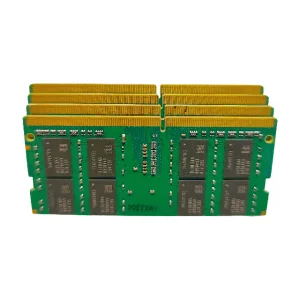
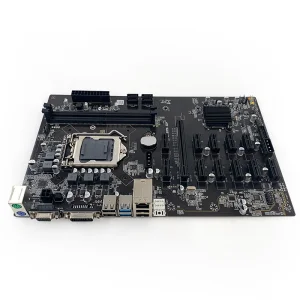
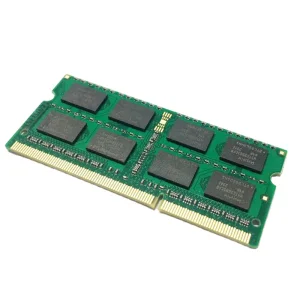
Maximize your hardware performance with our robust selection of logic boards, expansion modules, high-frequency PCB substrates, and enterprise DDR4 memory kits.
 Celtrix Memory