DDR5 memory speed explained is crucial for both gamers and professionals. As the latest standard in memory technology, DDR5 offers significant advantages over its predecessor. Reports from industry leaders like JEDEC highlight that DDR5 allows speeds starting at 4800 MT/s, eventually reaching upwards of 8400 MT/s. This is a major leap, promising improved performance in data-intensive applications.
However, it's important to assess whether these gains translate into real-world benefits. Some users may not notice substantial differences for everyday tasks. For instance, tasks like web browsing or text processing may not fully utilize DDR5's potential. This raises an important question: is the upgrade worth it for everyone?
Another point for consideration is compatibility. Not all motherboards support DDR5. Many users may find themselves limited by their current systems. Understanding DDR5 memory speed explained can help buyers make informed decisions about whether to invest in this new technology. As benchmarks evolve, informed choices become essential.
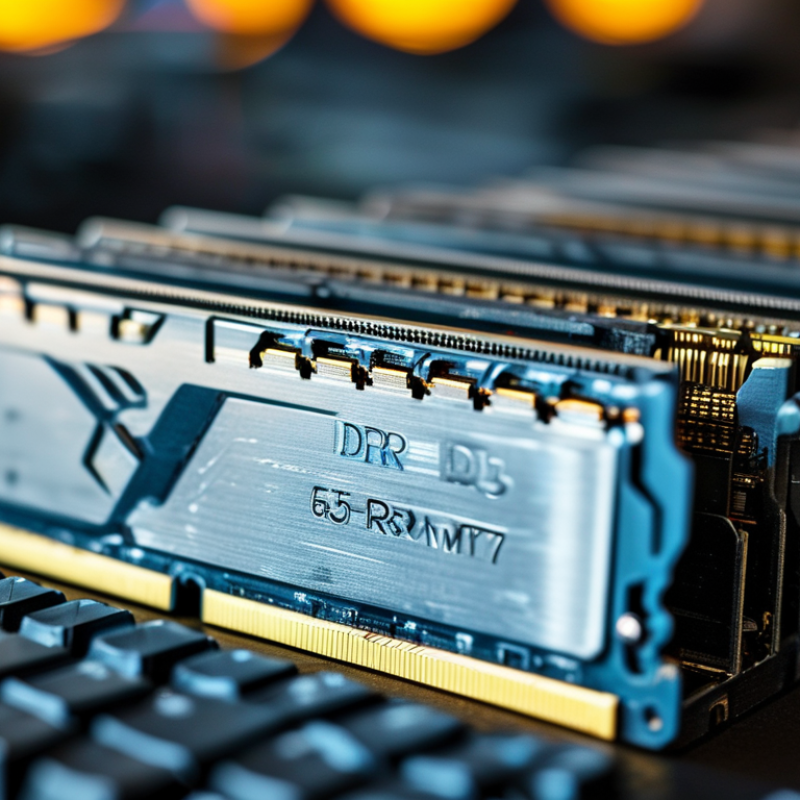
Understanding DDR5 Memory: An Overview of Key Concepts
DDR5 memory represents a significant leap in computer memory technology, promising faster speeds and enhanced performance. Benchmark studies show that DDR5 can achieve data rates of up to 8400 MT/s, nearly double that of its predecessor, DDR4. This increase in bandwidth and speed enables higher data throughput and better multitasking capabilities. Users can experience improved performance, especially in memory-intensive applications such as gaming, video editing, and large data processing tasks.
Latency remains a critical factor in memory performance. While DDR5 offers impressive speeds, some reports indicate that its latency may be slightly higher compared to DDR4. This trade-off raises questions for buyers. Prospective users should evaluate their specific needs for speed versus latency. For example, gamers may prioritize faster speeds, while professionals might value lower latency for critical applications. In essence, not all users will benefit equally from the same specifications.
The architecture of DDR5 also includes features like on-die ECC (Error Correction Code), enhancing reliability. This is particularly useful for servers and workstations where data integrity is vital. However, the overall gains depend on how the system is configured. As memory technology evolves, it is crucial for buyers to stay informed about the latest reports and reviews, ensuring that their investment meets both current and future needs in a rapidly changing tech landscape.
How DDR5 Memory Speed Differs from Previous Generations
DDR5 memory represents a significant leap in performance compared to previous generations.
It offers higher bandwidth and faster data rates.
DDR5 can reach speeds of up to 8400 MT/s, while DDR4 tops out around 3200 MT/s.
This difference means improved efficiency for tasks such as gaming and content creation.
The increased speed of DDR5 also allows for greater scalability in multi-core applications.
According to industry data, users can expect up to 50% improvement in bandwidth.
This variation is crucial for handling demanding processes like video editing and 3D rendering.
Many professionals in these fields report noticing a faster workflow with DDR5 compared to older generations.
Tips: When purchasing DDR5, consider the motherboard compatibility.
Not all motherboards support DDR5 yet. Also, remember that faster memory speeds may not always translate to substantial performance gains
in everyday tasks. Users should evaluate their specific needs before upgrading.
Factors Affecting DDR5 Memory Performance in Real-World Use
When considering DDR5 memory performance, several factors influence real-world usage. One critical aspect is the speed rating. DDR5 offers various speeds, such as 4800 MT/s up to 8400 MT/s. Higher speeds can lead to better performance in tasks like gaming and content creation. However, the actual improvement may vary depending on software optimization.
Another factor is latency. CAS latency, measured in nanoseconds, affects how quickly memory can respond to requests. Lower latency usually leads to improved performance. Yet, the importance of latency diminishes at higher speeds. Users must balance speed and latency based on their specific needs.
Compatibility plays a significant role too. Ensure your motherboard can support the DDR5 standard. It’s essential to check the specifications before purchasing. Not all systems can take full advantage of DDR5's potential. Lastly, consider the capacity. More RAM enhances multitasking abilities but might not guarantee better performance in every scenario. Users should reflect on their actual usage to make informed decisions.
DDR5 Memory Speed Performance Comparison
This bar chart illustrates the performance metrics of DDR5 memory, showing its read speed, write speed, latency, and bandwidth. DDR5 technology significantly enhances these aspects compared to its predecessor, resulting in better overall performance for users.
Selecting the Right DDR5 Memory for Your System Needs
Selecting the right DDR5 memory is crucial for optimizing system performance. Its increased bandwidth can greatly enhance gaming and multitasking. DDR5 memory offers speeds up to 8400 MT/s, a significant leap from DDR4's maximum of 3200 MT/s. This data correlates with reports indicating that a higher bandwidth can improve frame rates and loading times.
When choosing DDR5, consider your motherboard compatibility. Not all systems can handle the latest RAM. Always check the specifications before purchasing. Also, the capacity matters. While 16GB is standard for many users, serious gamers or content creators may benefit from 32GB or more. Research shows that 32GB can provide smoother performance in demanding applications.
Tip: Look for memory with low CAS latency. It significantly affects performance, especially in high-speed applications. Try balancing speed with capacity based on your usage needs. Sometimes, the most expensive options aren't the best for your specific workload. Refining your choices can save you money in the long term. Consider consulting detailed benchmarks to guide your decision-making process.
Future Trends in DDR5 Technology and Expected Developments
The DDR5 memory technology is evolving rapidly. Future trends indicate that speeds will increase significantly, reaching up to 8,400 MT/s and beyond. A recent report highlighted that DDR5 will provide a 1.5 times faster data transfer rate compared to its predecessor, DDR4. This leap is crucial for applications in gaming, AI, and data centers.
Moreover, improvements in power efficiency are expected. The voltage of DDR5 is 1.1V, which is lower than that of DDR4 at 1.2V. This reduction in power consumption can lead to longer battery life in mobile devices and lower energy costs for servers. An interesting aspect to consider is the evolution of memory architecture; innovations like on-die ECC (Error Correction Code) are becoming standard, enhancing reliability.
However, some challenges remain. While DDR5 offers higher speeds, not all systems may support it yet. Users must ensure compatibility with their motherboards. Additionally, as with all new technologies, initial adoption costs may be higher. Transitioning to DDR5 could reflect a significant investment. Continuous developments in this area will shape future gaming and computing environments.
FAQS
: DDR5 memory speeds range from 4800 MT/s to 8400 MT/s.
Lower CAS latency usually improves performance, but its importance decreases at higher speeds.
Yes, ensure your motherboard supports DDR5 before purchasing to maximize performance.
While 16GB is standard, 32GB is recommended for serious gamers or content creators.
Balance speed and capacity based on your specific usage needs for optimal performance.
Yes, speeds are expected to exceed 8400 MT/s, with innovations in power efficiency and reliability.
Yes, DDR5’s increased bandwidth greatly enhances multitasking and performance in demanding applications.
Yes, transitioning can require a significant investment due to compatibility and initial adoption costs.
DDR5 operates at 1.1V, lower than DDR4, which can reduce power consumption and costs.
Always verify your system specs to ensure compatibility with the new DDR5 memory modules.
Conclusion
This article titled "DDR5 Memory Speed Explained: The Best Guide for Buyers" provides a comprehensive overview of DDR5 memory technology, highlighting its unique characteristics and advantages over previous generations. It starts by defining key concepts related to DDR5 memory, emphasizing how DDR5 memory speed differs significantly from older RAM types through enhanced bandwidth and lower latency.
Furthermore, the article explores various factors influencing DDR5 memory performance in real-world applications, such as system compatibility and specific use cases. It also offers guidance for selecting the ideal DDR5 memory to meet individual system requirements. Lastly, the article discusses future trends in DDR5 technology, predicting ongoing innovations and improvements that may shape its evolution. Overall, "DDR5 memory speed explained" serves as an essential resource for buyers looking to understand and invest in this next-generation memory solution.

 Celtrix Memory