As technology evolves, memory modules play a vital role in performance. The conversation around DDR5 vs DDR4 comparison is crucial for prospective buyers. Each generation of RAM brings enhancements, but understanding these differences is essential.
DDR5 offers higher bandwidth and improved efficiency. This can lead to better overall system performance, especially in gaming and intensive applications. However, DDR4 remains a tried-and-true option for many users. It provides reliability and compatibility with existing systems, making it a safer choice for some.
Buyers must weigh the benefits and drawbacks of each type. DDR4 is widely available and cost-effective. Conversely, DDR5 adoption is growing but may require more investment. Users should consider their specific needs, budget, and future requirements before making a decision. This distinction can significantly impact performance and user experience, so careful analysis is necessary.
Overview of DDR4 and DDR5 Memory Technologies
DDR4 and DDR5 memory technologies represent significant advancements in computer performance. DDR4 has been the standard for many years, offering good speed and efficiency. It typically operates at frequencies between 2133 MHz and 3200 MHz. This makes it suitable for most applications, from gaming to productivity tasks. However, its data transfer rates can be a limiting factor as software becomes more demanding.
In contrast, DDR5 introduces multiple improvements. It offers higher bandwidth, enabling faster data transfers. Speeds can reach up to 6400 MHz and beyond, which benefits high-resolution gaming and data-intensive applications. DDR5 also enhances power efficiency. It operates at a lower voltage, which can help reduce heat and extend battery life in mobile devices. However, transitioning to DDR5 may involve higher costs and compatibility considerations.
For buyers, choosing between DDR4 and DDR5 requires careful reflection. While DDR5 presents cutting-edge features, DDR4 remains a solid choice for many users. The gaps in memory performance can be subtle in everyday tasks. It’s crucial to evaluate your specific needs and existing hardware. Balancing budgets with performance requirements often leads to the best choice for the user’s unique situation.
Key Specifications Comparison: Speed, Bandwidth, and Latency
When it comes to RAM, speed, bandwidth, and latency are key factors. DDR5 offers higher speeds than DDR4. This translates into faster data transfer rates. Users can notice improved performance in high-demand applications. However, this comes at a cost. Some older systems may struggle with DDR5 compatibility.
Regarding bandwidth, DDR5 supports greater data capacity. It can handle larger volumes of information. This is particularly beneficial for tasks such as gaming or video editing. DDR4, while still competent, may fall short in these areas. Despite this, not every user needs the speed of DDR5.
Latency is another important factor to consider. Typically, DDR4 has lower latency than DDR5. This means DDR4 can sometimes respond faster in specific tasks. However, the advancements in DDR5 often outweigh this drawback in real-world scenarios. Some users might wonder if the investment in DDR5 is justified given these nuances. Balancing needs and budget is essential when deciding between these two RAM types.
DDR5 vs DDR4 Comparison: Speed, Bandwidth, and Latency
Performance Differences in Gaming and Productivity Applications
When comparing DDR4 and DDR5 RAM, the performance differences are evident in both gaming and productivity applications. DDR5 offers higher bandwidth, allowing for faster data transfer rates. This increase can significantly enhance gaming experiences, especially in titles that require high-speed access to memory.
Gamers may notice smoother frame rates and quicker load times when using DDR5.
In productivity tasks, such as video editing and 3D modeling, the benefits of DDR5 become apparent as well. The increased capacity to handle more data simultaneously improves overall efficiency. However, it's important to acknowledge that not all applications can fully utilize DDR5's advanced features yet.
Some older software may not see a substantial difference, leaving users to weigh the investment against performance gains.
With the transition from DDR4 to DDR5, some users might encounter compatibility issues. Not every motherboard supports the latest RAM standard, which can complicate upgrades. Additionally, while DDR5 shows great potential, the real-world improvements may vary based on the specific use case.
Ultimately, it's essential to consider both current needs and future requirements when making a choice.
Compatibility and Upgrade Considerations for PC Builders
Upgrading to DDR5 brings significant performance improvements over DDR4. However, compatibility is a key consideration for PC builders.
DDR5 memory modules are not backward compatible with DDR4 motherboards. This limits options for those using older systems.
Reports indicate that DDR5 can offer transfer speeds starting from 4800 MT/s, compared to DDR4's typical 2400 MT/s.
Users seeking enhanced performance may find this upgrade worthwhile.
When upgrading, consider motherboard compatibility. Not all processors support DDR5. According to industry data, by 2023, about 30% of new motherboards support DDR5.
This number is expected to grow but is still insufficient for a large user base still on DDR4.
The transition phase poses risks. Existing builds may not utilize DDR5's capabilities fully due to hardware constraints.
Incompatibility may lead to additional costs in upgrading entire systems.
The cost factor is also notable. DDR5 kits are relatively expensive, with prices reflecting its advanced technology. For many, this could be a barrier.
Builders should weigh the performance increase against their budget.
Real-life benchmarks show that while DDR5 performs better in specific tasks, not all users may notice this in everyday scenarios.
Balancing performance needs with the financial investment is crucial.
Future Trends: The Evolution of RAM Technology beyond DDR5
As technology evolves, the demand for faster and more efficient RAM continues to grow. DDR5 offers improved performance over its predecessor, DDR4, but what lies beyond? The next wave of RAM technology focuses on speed, efficiency, and capacity. Researchers are exploring new materials and architectures to enhance performance.
Future advancements may include RAM that utilizes quantum effects for unprecedented speeds. This could revolutionize not just personal computing, but also data centers and AI applications. As systems require faster data processing, the evolution of RAM technology aims to meet these needs. Emerging technologies may also lead to lower power consumption, contributing to sustainability.
Yet, the journey is not without challenges. Current limitations in manufacturing may impede rapid rollout. Compatibility issues with existing infrastructure could also slow down adoption. With these hurdles, the future of RAM technology may take longer than anticipated. Even as new solutions develop, reflection on past innovations can guide future designs. As we move further, the landscape of RAM technology continues to change, promising an exciting future ahead.
DDR5 vs DDR4 Best Comparison for Global Buyers
| Feature |
DDR4 |
DDR5 |
| Data Rate |
1600 - 3200 MT/s |
4800 - 8400 MT/s |
| Bandwidth |
12.8 GB/s - 25.6 GB/s |
38.4 GB/s - 67.2 GB/s |
| Capacity per Module |
4GB - 32GB |
8GB - 64GB+ |
| Power Consumption |
1.2V |
1.1V |
| Latency |
Typically around 15-20 ns |
Slightly higher due to more complex architecture |
| ECC Support |
Optional |
Mandatory in server versions |
| Availability |
Widely available |
Increasingly available |
FAQS
In tasks like video editing and 3D modeling, DDR5 handles more data simultaneously, improving efficiency but not all software can utilize it.
Yes, not all motherboards support DDR5. This can complicate the upgrade process for some users.
Some older software may not show substantial performance gains with DDR5, making it essential to consider individual needs.
Researchers are exploring new materials and architectures, possibly leading to faster speeds and lower power consumption.
Yes, utilizing quantum effects may lead to unprecedented speeds, impacting computing and AI applications significantly.
Current manufacturing limitations and compatibility issues with existing systems may slow down the adoption of newer RAM technologies.
Reflecting on past innovations can inform future designs and guide the evolution of RAM technology as it changes.
Conclusion
The "DDR5 vs DDR4 comparison" highlights the significant advancements in memory technology, showcasing how DDR5 provides superior speed, bandwidth, and lower latency compared to its predecessor, DDR4. This evolution in performance is particularly evident in gaming and productivity applications, where DDR5's capabilities can enhance overall system responsiveness and efficiency.
Moreover, the article discusses essential compatibility and upgrade considerations for PC builders, as transitioning to DDR5 may require motherboard and hardware adjustments. Looking ahead, the future trends in RAM technology suggest that while DDR5 marks a substantial leap, there will be ongoing developments that further innovate memory solutions beyond DDR5, paving the way for more powerful computing experiences.
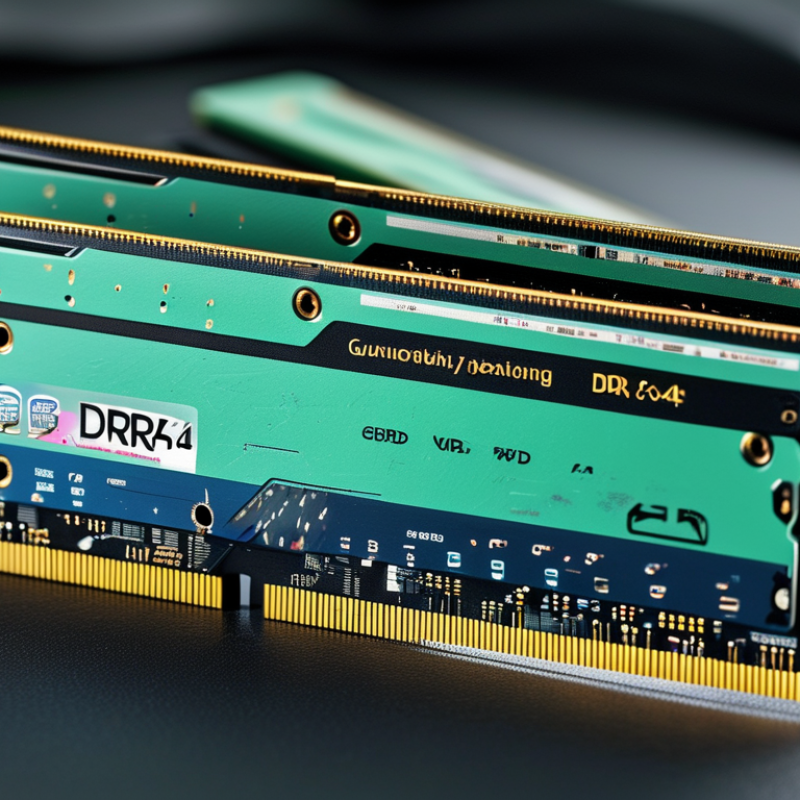

 Celtrix Memory