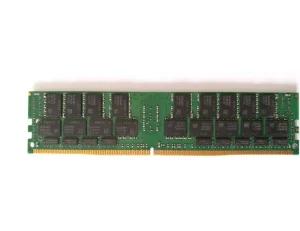
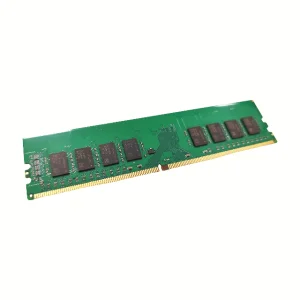
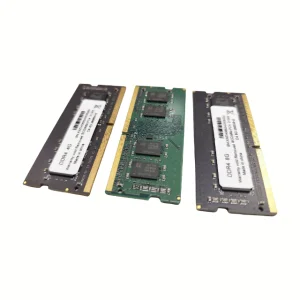
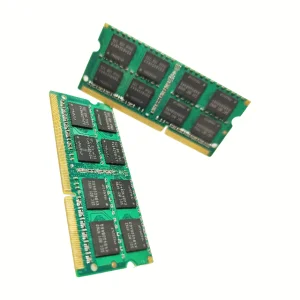
Discover our industry-proven product line engineered for maximum signal integrity, ultra-low latency, and deployment compatibility in harsh operating environments.
In the hyper-connected era of 5G, Intelligent Automation, and Industrial Internet of Things (IIoT), the physical layer of data computation dictates the success of enterprise-level software deployments. The paradigm has shifted permanently from centralized cloud architectures to latency-critical, compute-heavy edge devices.
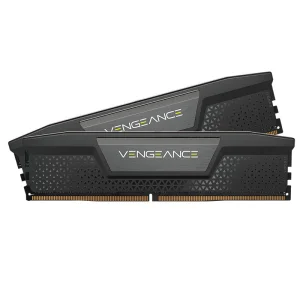
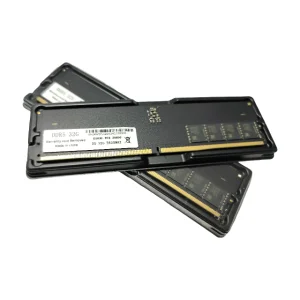
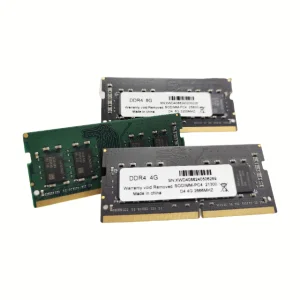
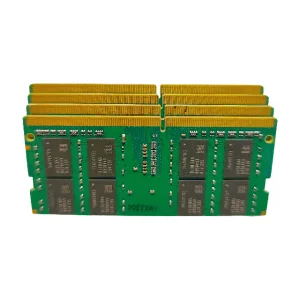
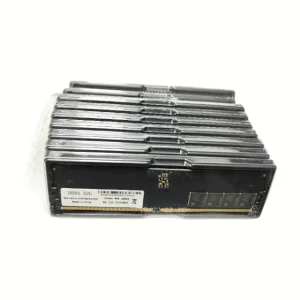
Modern IoT environments are no longer simple configurations that transmit raw sensor data back to a distant server. With the implementation of real-time computer vision, predictive maintenance algorithms, and AI inference at the terminal node, local gateways require unprecedented processing power. High-speed memory architectures, including DDR5 and high-bandwidth DDR4 components, act as the fundamental pipelines that prevent processing bottlenecks.
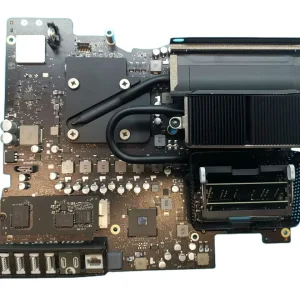
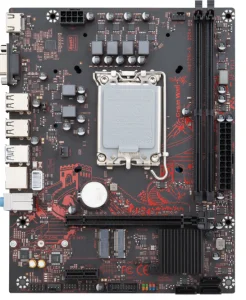
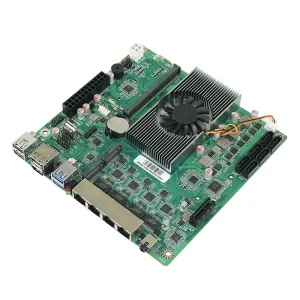
Additionally, small-form-factor motherboards—such as the Intel N100 and N5095 system-on-chip platforms—enable high-efficiency, multi-threaded operations in compact, passively cooled enclosures. This integration of industrial-grade storage, processing modules, and robust PCBs defines the next wave of high-density edge gateway reliability.
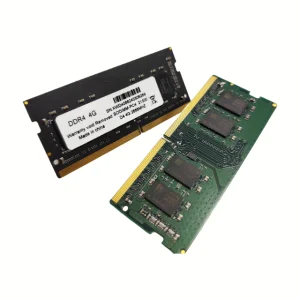
As the industry upgrades to DDR5 architectures, operating bands have expanded up to 6000MHz. This transition brings significant technological improvements, notably in power management. By relocating the Power Management Integrated Circuit (PMIC) directly onto the memory module (DIMM/SO-DIMM), modern systems achieve precise voltage control and lower overall power draw—a vital criteria for remote industrial nodes running on solar arrays or power-over-Ethernet (PoE) configurations.
Furthermore, On-Die ECC (Error Correction Code) within DDR5 chips dynamically repairs bit flips at the physical cell level, elevating reliability metrics to meet the rigorous demands of safety-critical automotive, medical, and aerospace systems.
A closer look at the engineering expertise, production frameworks, and quality management pipelines that enable Celtrix Memory Technologies to power globally distributed critical infrastructure.
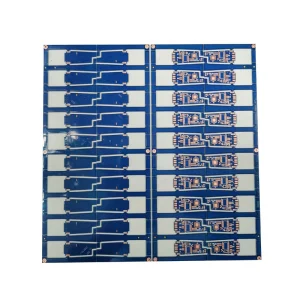
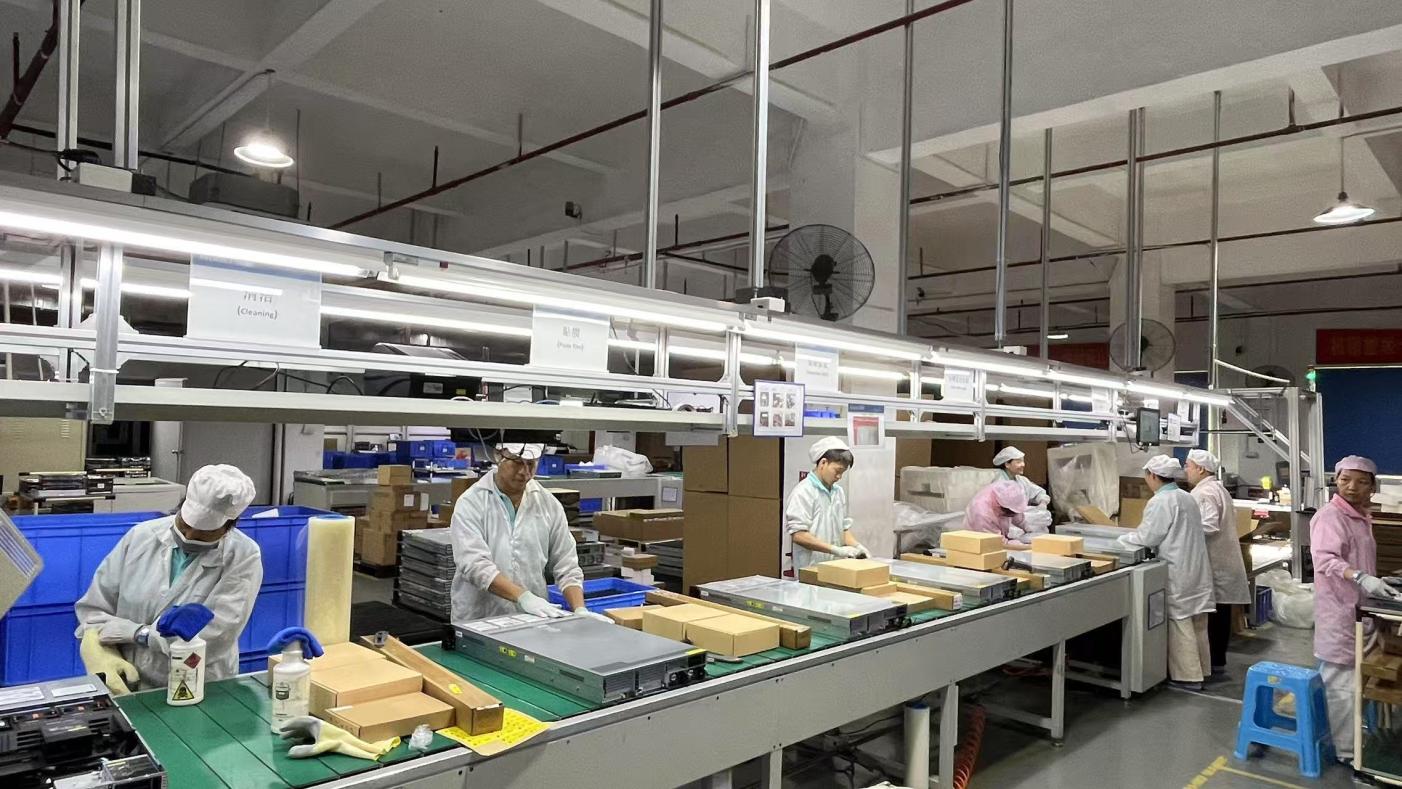
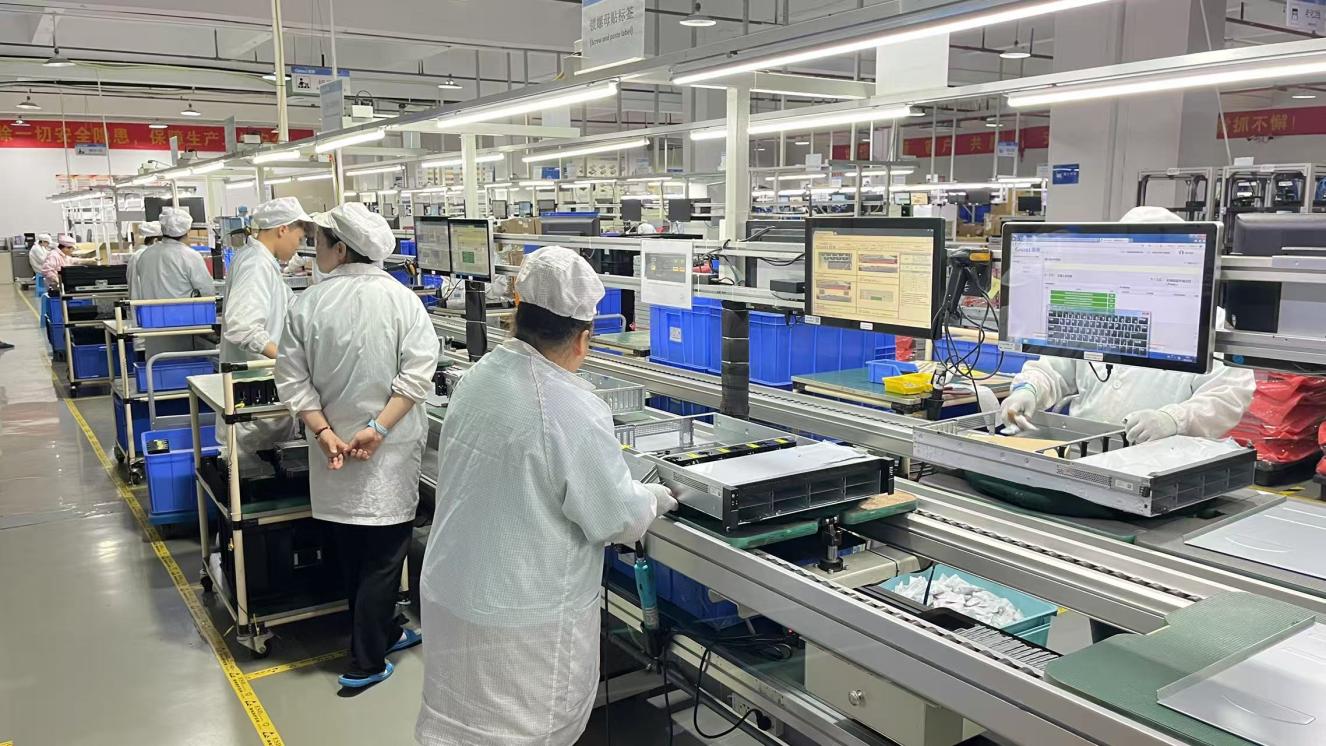
At our state-of-the-art facility in China, the production of memory modules, logic boards, and complex double-layer PCBs is managed under a unified Quality Management Framework. Utilizing advanced Automated SMT (Surface Mount Technology) assembly lines alongside high-speed Automated Optical Inspection (AOI) machines, Celtrix ensures that every solder joint, capacitor, and IC is placed with sub-micron precision.
Our commitment to supply chain resilience means we maintain deep relationships with key silicon fabricators, securing consistent component allocation even during global microchip shortages. This resilience guarantees stable lead times and predictable cost structures for OEM/ODM clients worldwide.
Innovation is driven by our team of 142 R&D engineers who specialize in layout design, thermal modeling, and system compatibility profiling. Before any design enters mass production, it undergoes rigorous environmental simulation testing, including thermal cycling from -40°C to +85°C, high-humidity storage validation, and heavy electromagnetic interference (EMI) compatibility assessments.
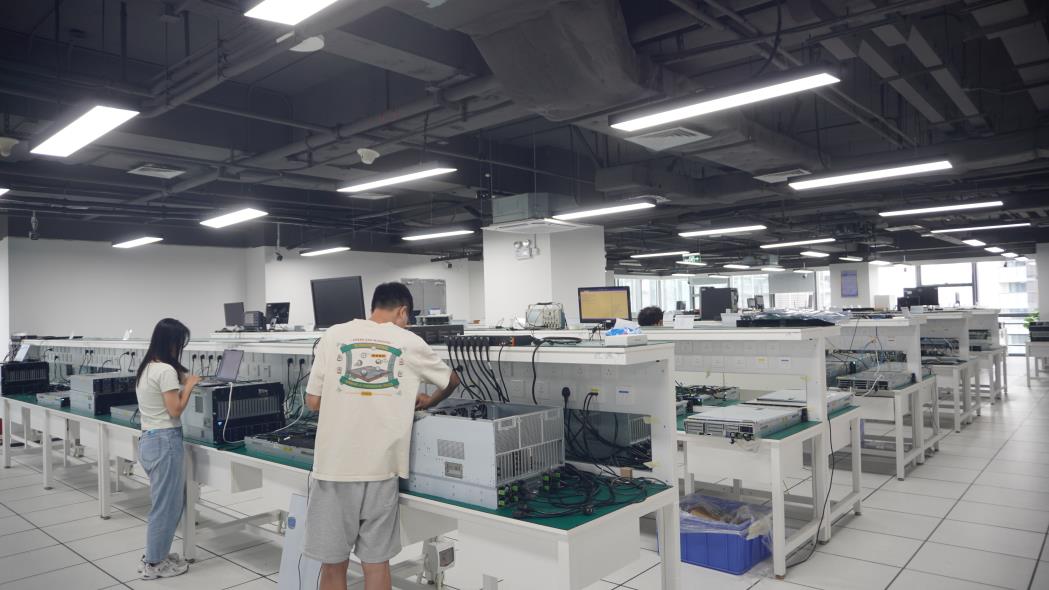
Our facilities house dedicated test benches for system validation across platforms from major OEMs, including Intel, AMD, and ARM, ensuring drop-in compatibility for global systems integrators.
B2B procurement professionals must navigate complex regulatory environments, strict MTBF (Mean Time Between Failures) metrics, and customized configuration requests. Here is how advanced manufacturers address these procurement considerations:
IoT gateways often require tailored hardware footprints to fit custom enclosures. Celtrix provides complete OEM/ODM solutions, including custom PCB layout engineering, custom heatspreader designs for fanless operations, and specialized firmware adjustments (such as SPD customization) to match legacy motherboard timing profiles.
Our quality assurance system conforms to the ISO 9001 standard. Modules are subjected to extensive testing protocols: IQC (Incoming Material Quality Control), IPQC (In-Process Quality Control), 100% functional pre-testing, dynamic burn-in chambers, and FQC (Final Quality Control) validation prior to dispatch.
Industrial installations are typically designed to operate for 7 to 10 years. Unlike consumer markets focused on rapid generation changes, Celtrix provides long-term component availability guarantees, preventing costly system redesigns for our partners.
Examine how Celtrix memory solutions and system boards are deployed across major industrial and commercial environments globally:
In highly automated automotive assembly lines, robotic arms and autonomous guided vehicles (AGVs) depend on localized computing nodes to execute movements safely. By integrating industrial-grade DDR4 and DDR5 memory modules into N100-based fanless mini-PCs, system integrators achieve sub-millisecond control loop response times. The high shock and vibration tolerance of our memory modules helps ensure continuous operation in harsh industrial environments.
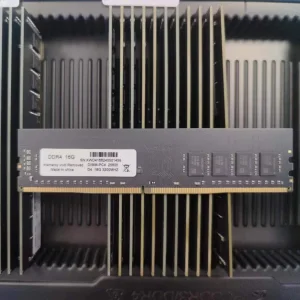
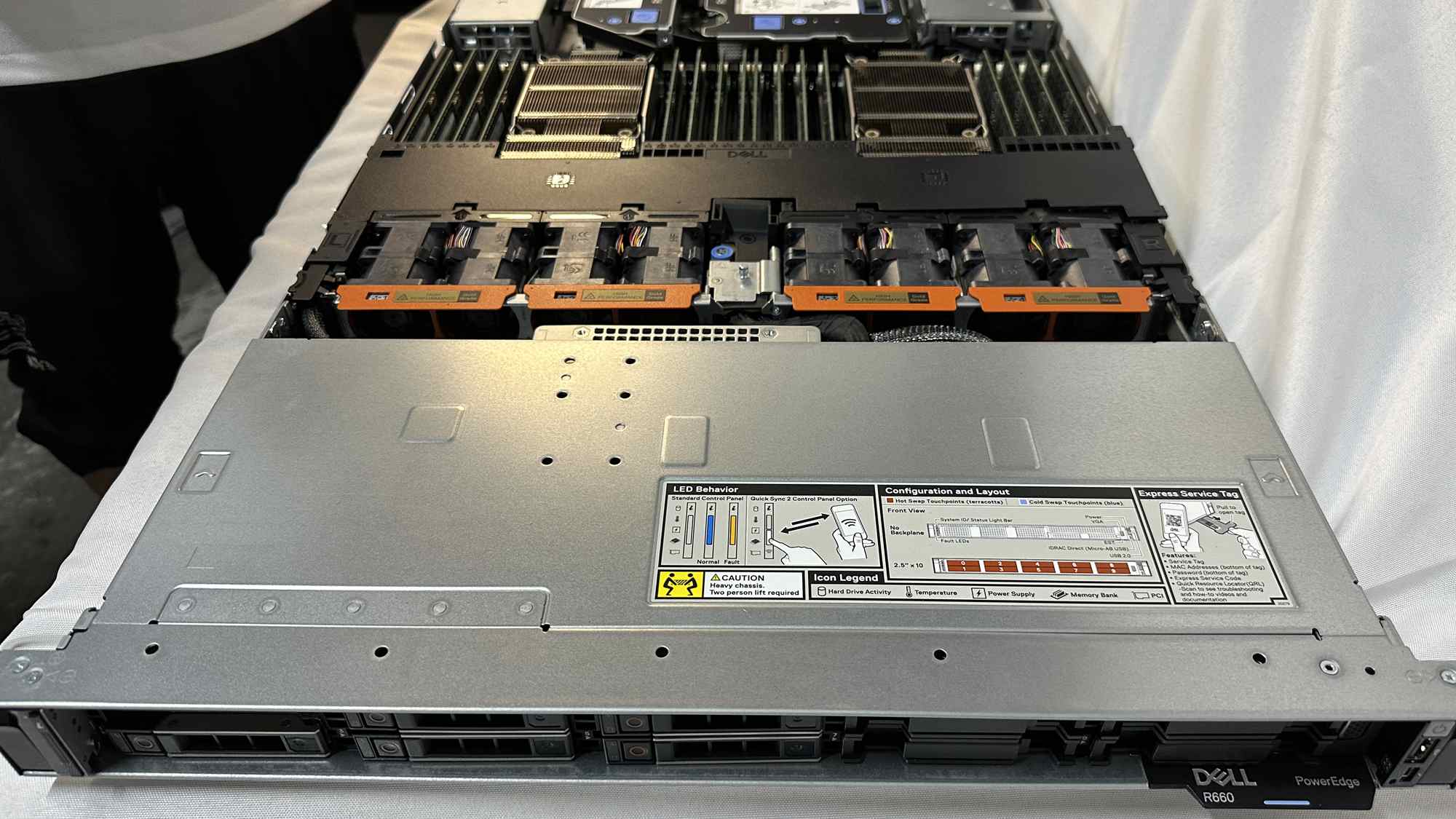
Modern telecommunications networks rely on containerized edge datacenters situated at the base of cell towers to process data closer to end-users. These systems run dense virtualization environments that require high-density memory (up to 32GB per slot) with ECC capabilities. Celtrix server memory modules and high-layer count PCBs deliver the high-bandwidth operation and signal integrity needed for constant workloads.

Addressing technical and logistcal considerations for global procurement managers and hardware design engineers.
Explore our selection of industrial motherboards, processing boards, and double-sided PCBs designed for reliability in edge environments.
 Celtrix Memory