High-specification hardware engineered for reliability under critical automotive and computer networking environments.
An authoritative industry assessment on embedded memory, high-frequency signal management, and robust manufacturing standards for advanced automotive ecosystems.
The global automotive market is undergoing a structural transition toward the Software-Defined Vehicle (SDV). High-performance computing power, real-time sensor processing via Advanced Driver Assistance Systems (ADAS), and responsive in-vehicle infotainment (IVI) demand robust electronic architectures. As automotive designs adopt centralized computing modules instead of localized Electronic Control Units (ECUs), memory bandwidth, heat dissipation, and signal integrity have emerged as primary hardware development criteria.
Modern connected vehicles act as mobile data centers. They process terabytes of data daily from radar, LiDAR, and camera arrays. Maintaining this operational intensity requires rugged storage and processing infrastructure that withstands extreme thermal shifts, high vibrations, and magnetic interference. Within this context, the integration of enterprise-level memory technologies (such as low-latency DDR4, high-bandwidth DDR5, and dense printed circuit boards) represents a critical milestone in hardware reliability.
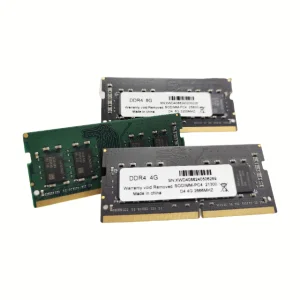
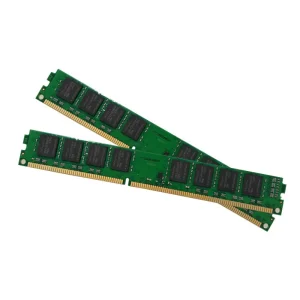
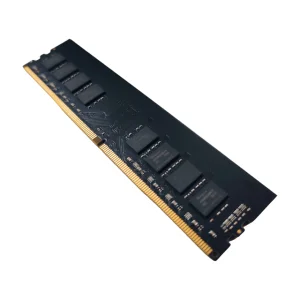
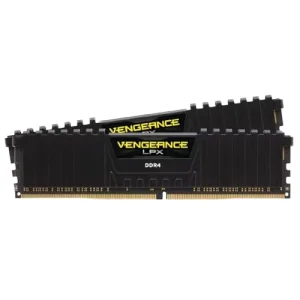
Next-generation ADAS compute nodes require massive memory bandwidth. The migration from DDR4 to DDR5 (supporting frequencies up to 5600MHz to 6000MHz) allows real-time execution of object-recognition models, enabling level-3 and level-4 autonomous driving systems to respond with minimal latency.
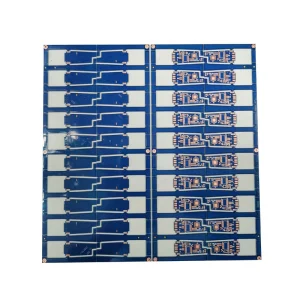
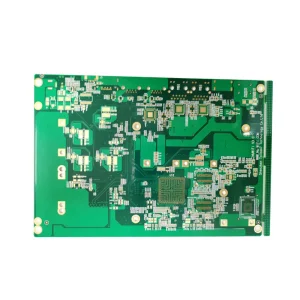
With limited physical space inside automotive chassis, double-sided and multilayer FR4 circuit designs are vital. By packing complex circuitry into smaller footprints, manufacturers reduce overall layout length, minimize stray capacitance, and maintain signal fidelity under high-speed data transmission conditions.
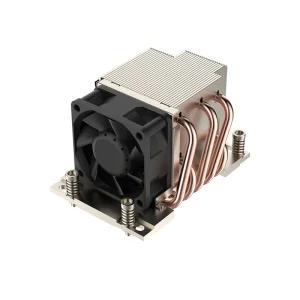
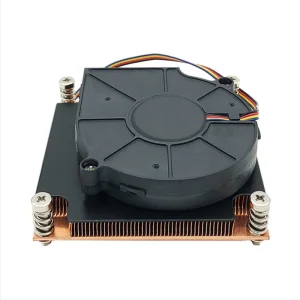
Continuous heavy computational workloads generate extreme heat inside vehicle control units. Active copper cooling solutions, specialized heat sinks, and CPU fan radiators rated at 110W to 350W maintain operating temperatures within functional limits, preventing thermal throttling and system failure.
Established in 2017, Celtrix Memory Technologies Co., Ltd. has grown into a leading manufacturer and exporter specializing in high-performance DRAM solutions and industrial memory modules. Recognizing the growing intersection between computer memory technologies and industrial automotive systems, Celtrix leverages its 9 years of industry experience and 7 years of export history to deliver stable, high-reliability memory architectures for global industrial partners.
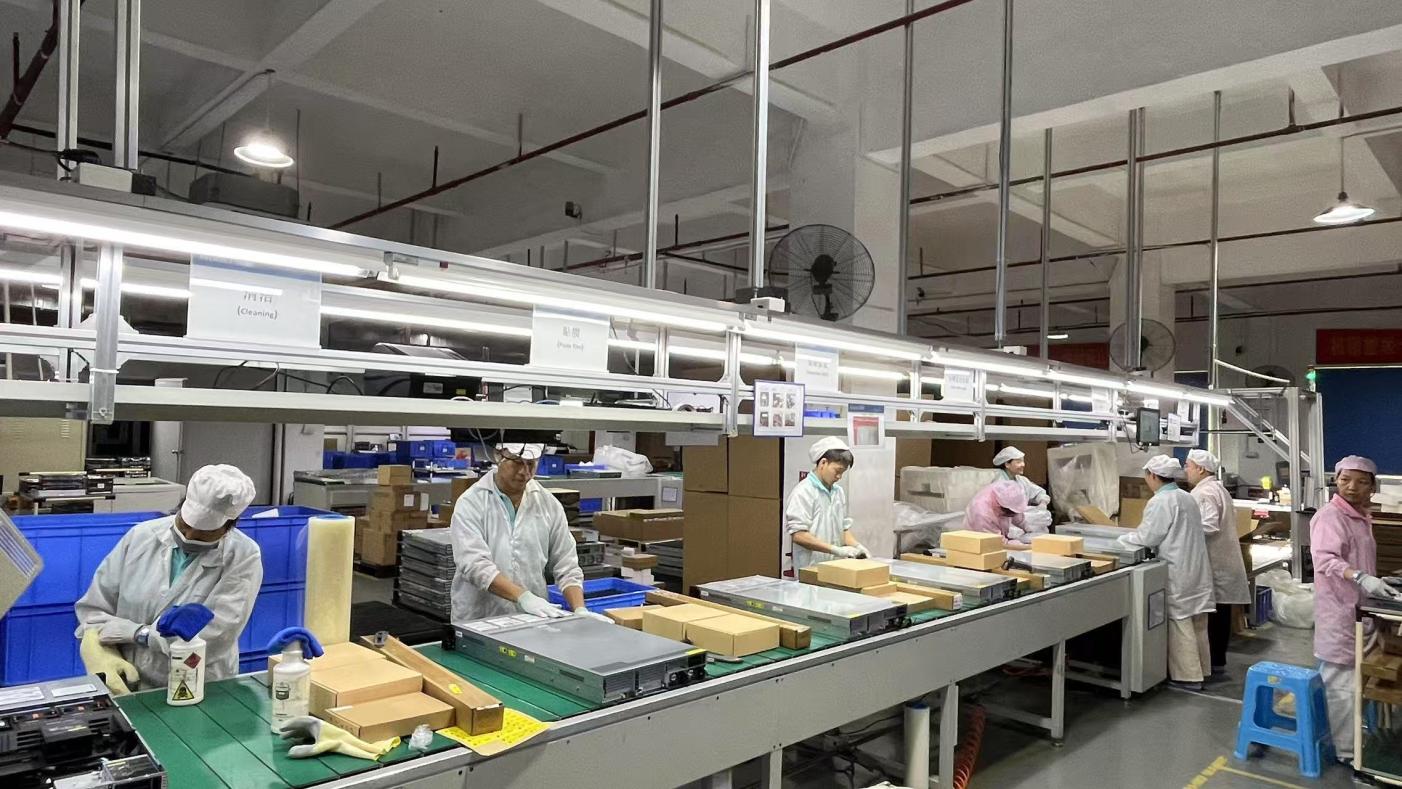
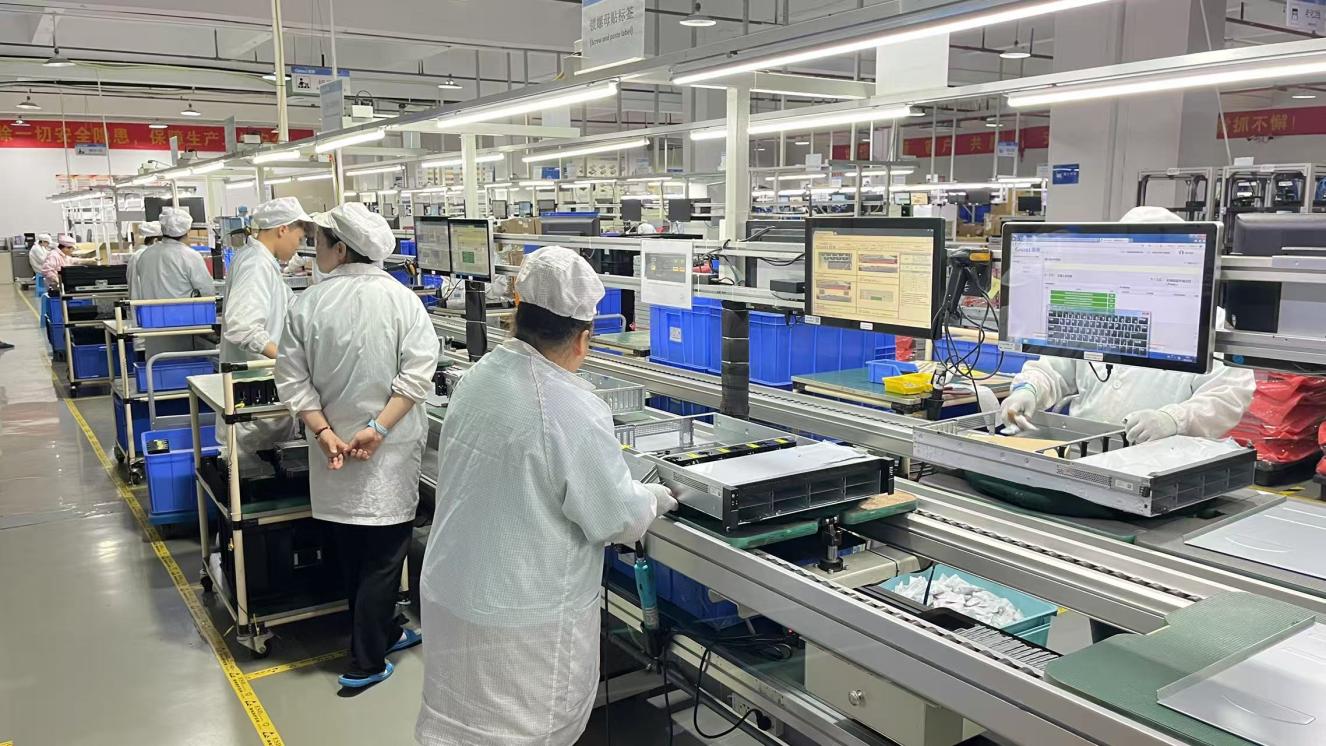
Operating out of a modern, automated 28,600 m² factory facility, Celtrix integrates state-of-the-art production systems, including Surface Mount Technology (SMT) lines, Automated Optical Inspection (AOI) stages, and thermal chambers. Our facility has achieved consistent export output, generating more than USD 23 Million in annual export revenue. We serve global clients in North America, Europe, Southeast Asia, South America, the Middle East, and Oceania.
Whether fulfilling standard wholesale DRAM orders or configuring specialized OEM/ODM projects (featuring custom SPD profiles, custom PCB heat-spreaders, and custom packaging), Celtrix meets the strict quality requirements demanded by industrial system integrators and tier-1 auto component buyers.
Maximizing manufacturing yields, reducing lead times, and stabilizing component supply in a changing global trade landscape.
In the modern manufacturing landscape, reliability requires automated factory execution. Through Factory 4.0 initiatives, Celtrix's production floor utilizes synchronized, software-monitored SMT assembly systems. Automated components run high-capacity printed circuit board assembly (PCBA) processes, reducing mechanical defects.
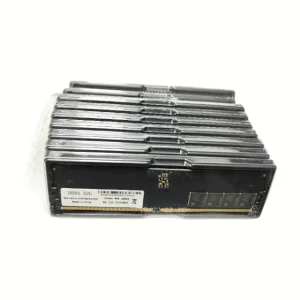
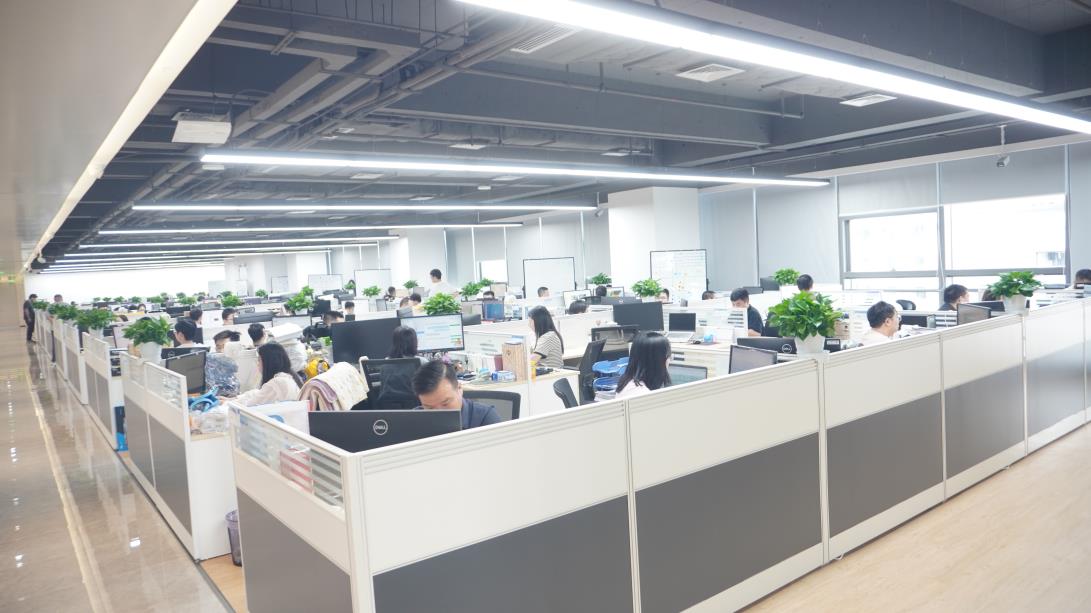
This system relies on our 56 Quality Control professionals. Working at critical inspection gates, our team monitors incoming materials and output quality. This ensures that every high-performance DDR4 and DDR5 memory module complies with international standards before shipment.
By consolidating core manufacturing, assembly, and testing processes in our Shenzhen facility, Celtrix mitigates global shipping delays. Our strategic component reserves, combined with strong partnerships with domestic chip packagers, protect our supply chain from external raw material shocks. This resilience allows us to offer consistent manufacturing lead times to global buyers.
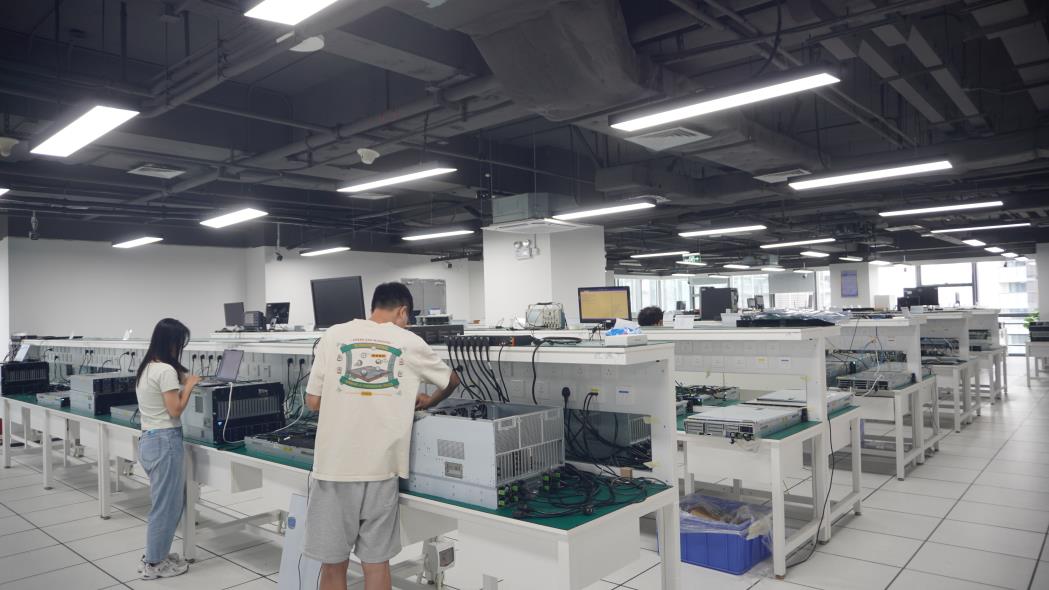
Analyzing the deployment of Celtrix hardware solutions in real-world systems, ensuring operational continuity in harsh environments.
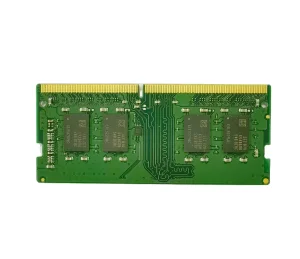
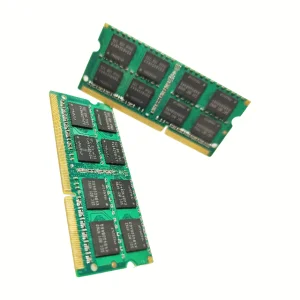
Modern digital cockpits demand real-time processing of high-resolution navigation maps, voice recognition systems, and multi-display interfaces. Our DDR4 and DDR5 SO-DIMM modules operate under variable cabin temperatures. They prevent screen stuttering and interface lag, even during extended periods of vehicle operation.
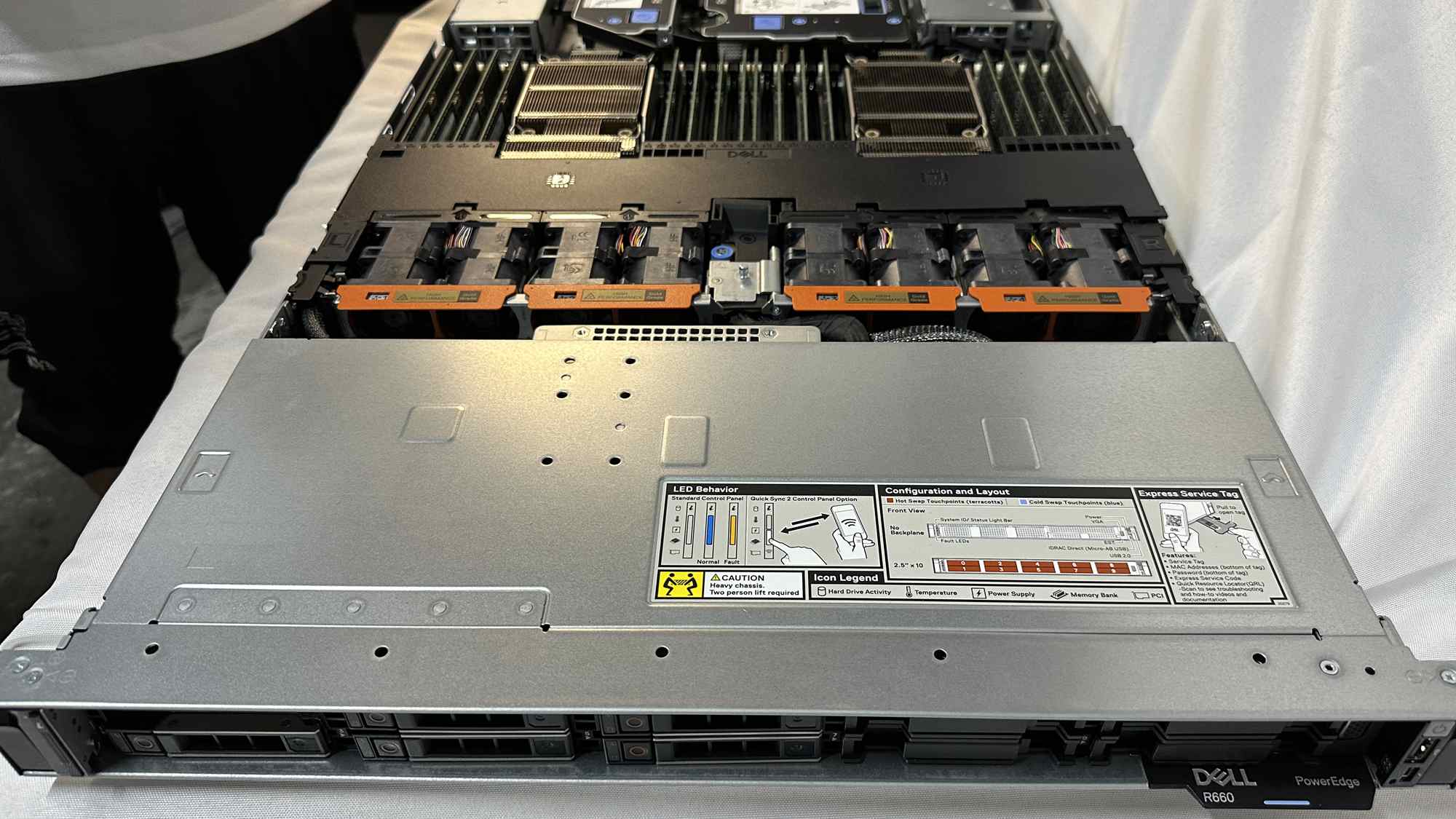
Smart traffic infrastructures require vehicles to constantly transmit telematics via Vehicle-to-Everything (V2X) nodes. By using high-performance 32GB DDR5 modules paired with active copper heatsinks, our partners assemble industrial gateways that manage and transmit telemetry data without processing bottlenecks.
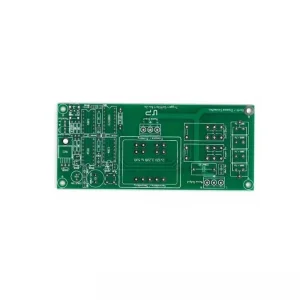
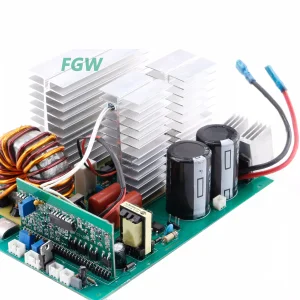
In industrial settings, electromagnetic noise can disrupt electrical signals. Circuit boards, such as the single-board ZX7-200/250 welder motherboards, require precise trace layout designs to resist interference. Our robust PCB designs prevent signal coupling, ensuring consistent current control during heavy welding operations.
Detailed answers to common questions from procurement managers, engineering departments, and hardware distributors.
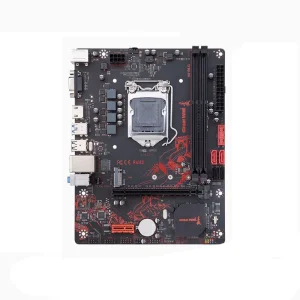
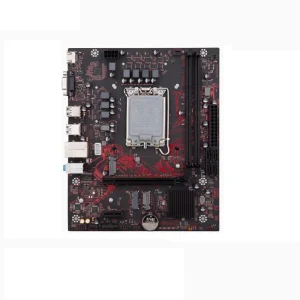
High-specification motherboard kits, memory upgrades, and power supply control boards for commercial integrations.
 Celtrix Memory