Direct-from-factory sourcing for motherboards, custom circuit modules, and high-density memory modules optimized for rigorous operational profiles.
The global electronic components market acts as the backbone of modern industrial automation, enterprise cloud computing, automotive electrification, and consumer hardware. As advanced technologies such as Artificial Intelligence (AI), Machine Learning (ML), and IoT edge computing demand greater computing power, memory processing capacity, and high-durability power electronics, the electronics supply chain is undergoing a critical transition. High-speed data processing requires storage solutions like DDR5 and high-speed DDR4 memory that feature faster data rates and lower energy footprints.
Simultaneously, the demand for high-reliability printed circuit boards (PCBs) and specialized motherboards designed for heavy-duty industrial environments—such as welding apparatus, industrial controllers, and edge processing development platforms—continues to surge. Procurement officers are pivoting from transactional purchases toward deeply integrated partnerships with manufacturers who can offer hardware-level customization, stable component allocations, and verifiable compliance structures.
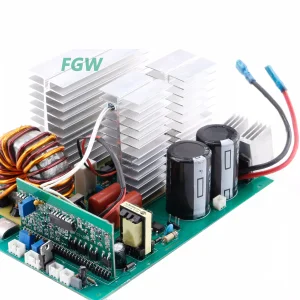
Heavy duty power distribution, advanced multi-layer PCB layouts, and robust resistance to electrostatic discharge (ESD) and thermal cycling.
Transition from standard DDR4 DRAM architectures to next-generation high-bandwidth, high-density JEDEC DDR5 architectures with on-die ECC features.
Direct factory alignment mitigates supply risks. Our structural sourcing of raw silicon and high-purity laminates ensures uninterrupted lead times.
The unmatched concentration of semiconductor packaging facilities, component suppliers, testing labs, and logistics networks in China's Guangdong region forms an ecosystem capable of turning prototypes into mass production lines in days instead of months. China-based electronics manufacturing leverages complete vertical integration, sourcing passive components, raw laminates, active integrated circuits (ICs), and packaging within a 50-mile radius.
This geographic consolidation drastically lowers transit friction and allows manufacturing teams to run advanced Surface Mount Technology (SMT) operations at optimized costs. In addition, the region's concentration of highly specialized electrical engineers facilitates rapid OEM/ODM prototyping and precise troubleshooting of signal-integrity issues during layout revisions.
Direct integration with domestic IC packaging houses ensures consistent access to stable wafer yields and reduces production lead times.
State-of-the-art automated placement machinery handles fine-pitch components down to 01005 packages with high placement accuracy.
Tooling and layout optimization costs are amortized over extensive component networks, allowing for affordable prototyping runs.
Seamlessly transition from short run validation tests (EVT/DVT) to high-volume manufacturing (HVM) with minimal setup delays.
Celtrix Memory Technologies Co., Ltd. is a professional DDR5 memory manufacturer dedicated to delivering high-performance DRAM solutions for global customers. Since our establishment in 2017, we have focused on the research, development, manufacturing, and customization of premium memory products for consumer, industrial, enterprise, and embedded applications.
Quality is the foundation of Celtrix. Every memory module undergoes comprehensive inspections throughout the production process. Our quality control system is certified to ISO 9001 standards. We employ 56 dedicated QA professionals who conduct Incoming Material Inspection (IQC), In-Process Quality Control (IPQC), Automated Optical Inspection (AOI), Functional Testing, Burn-in, Aging, Compatibility, and Final Quality Control (FQC).
Innovation drives our strategy. Our engineering team designs advanced DDR5 memory solutions that meet the evolving demands of AI computing, gaming, industrial automation, and enterprise servers. Backed by 142 R&D engineers, we released 168 new products last year. We provide comprehensive OEM/ODM customization, including logo printing, capacity adjustments, custom heat spreaders, SPD programming, label designs, and private labeling.
Celtrix serves customers in over 50 countries, providing components to brand owners, system integrators, distributors, wholesalers, and OEM/ODM partners. Our export logistics network ensures reliable customs clearance and secure shipping across key global hubs in North America, Europe, Southeast Asia, South America, the Middle East, and Oceania.
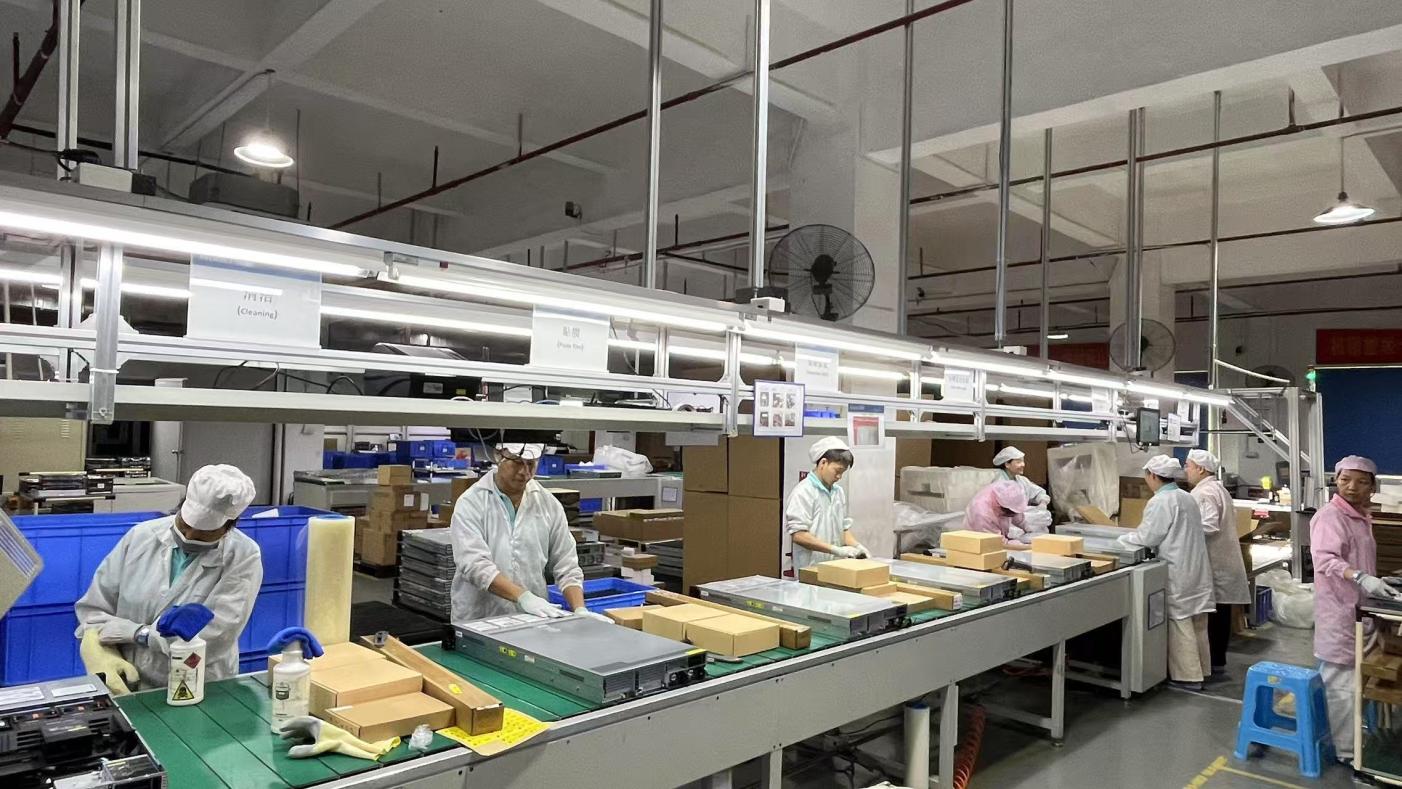
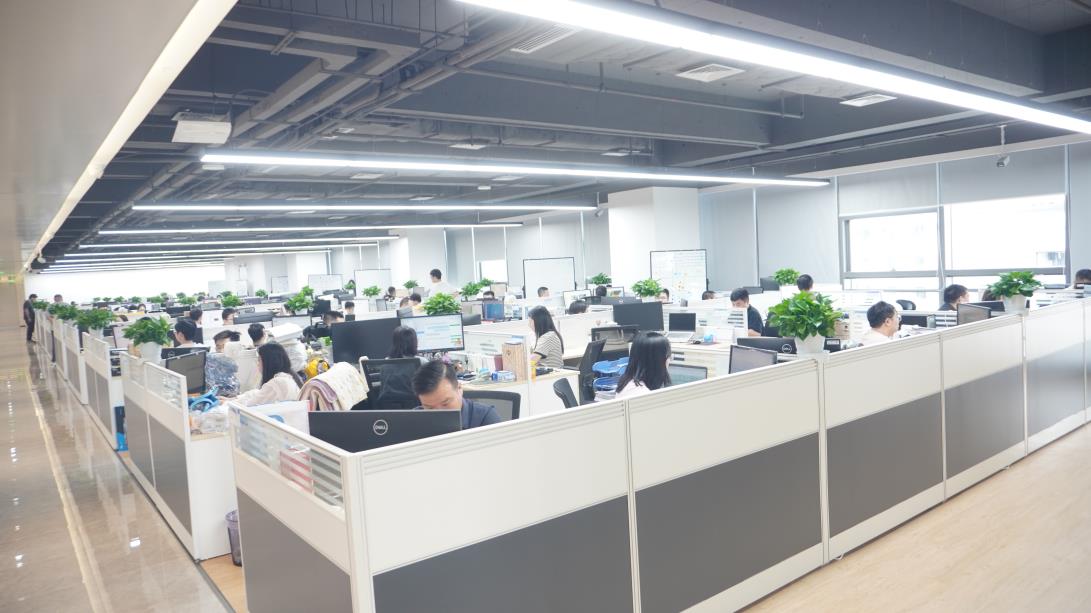
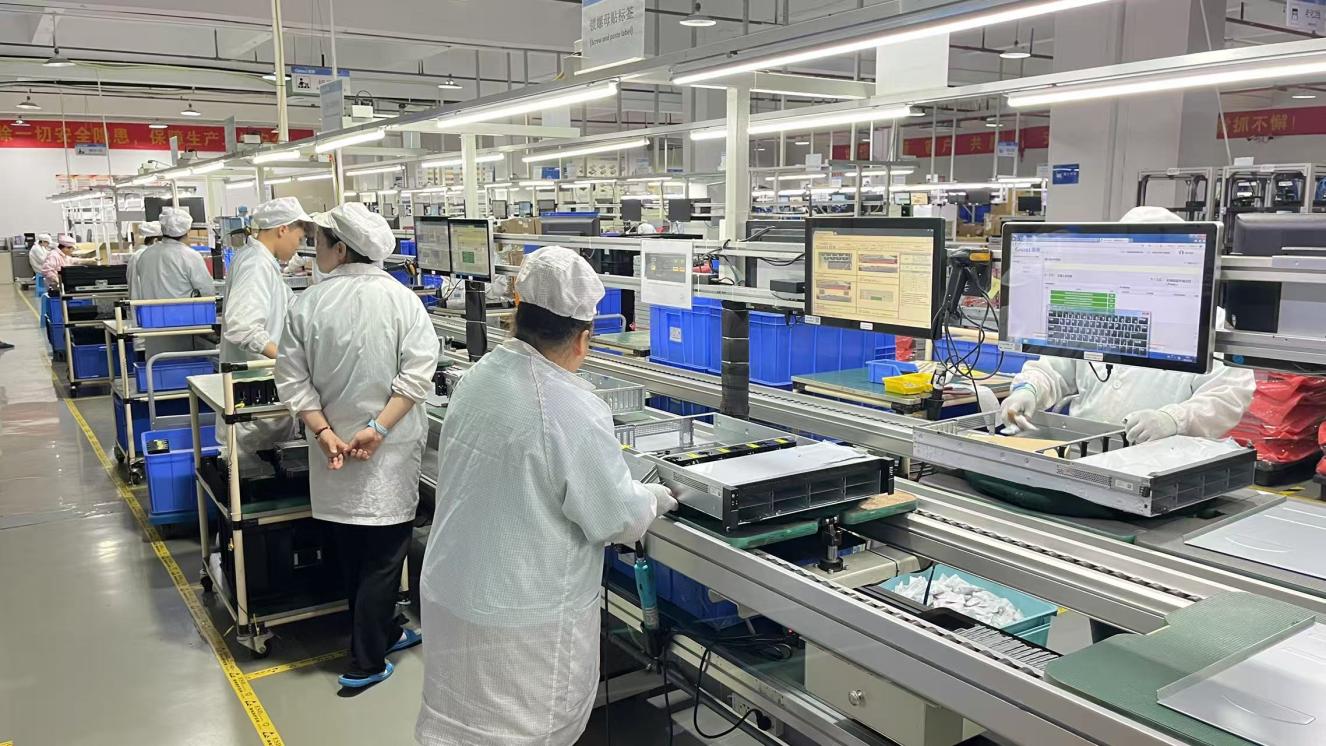
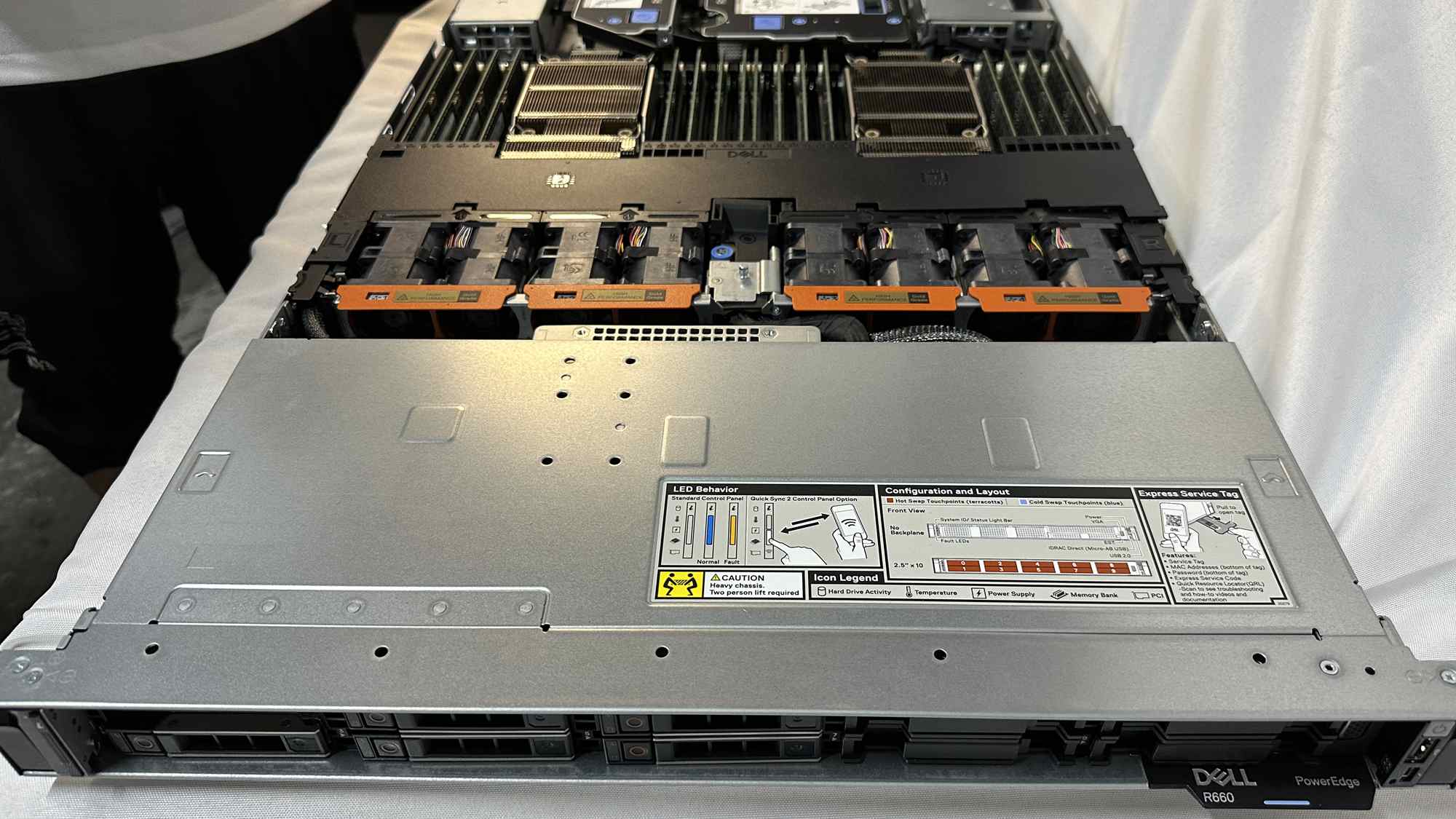
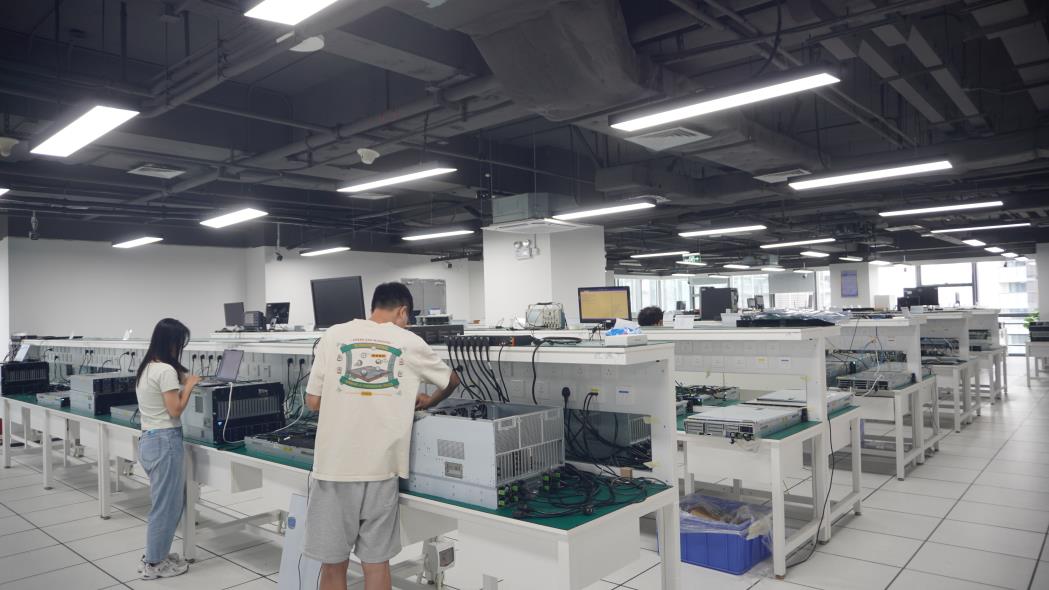
Developing hardware capable of run-times with zero failure rates requires thorough material selection and design engineering. Memory modules are not merely DRAM chips placed on a board; they are highly integrated subsystems operating at high clock frequencies. At Celtrix, we employ multi-layered designs, customized trace pathing, and premium die sorting to ensure exceptional signal stability.
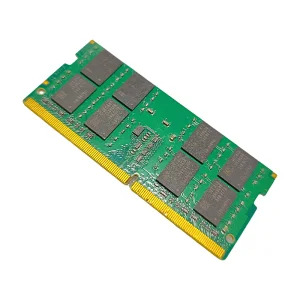
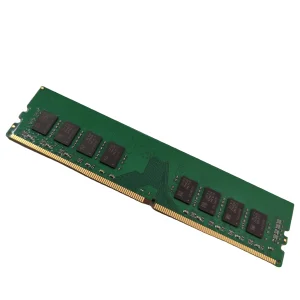
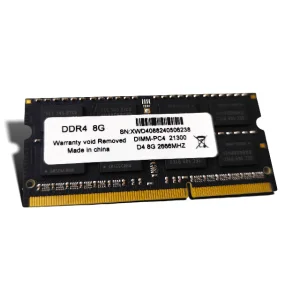
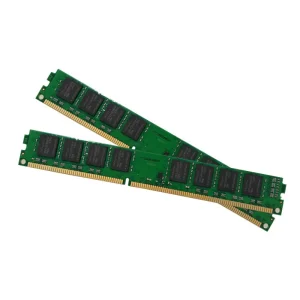
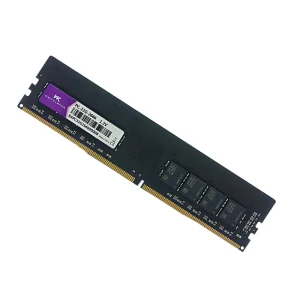
While DDR4 relies on a single 64-bit channel, DDR5 implements two independent 32-bit subchannels, reducing latencies and boosting data rates. Our DDR5 modules, operating up to 5200MHz, utilize an onboard Power Management IC (PMIC) to shift voltage regulation from the motherboard to the module. This design minimizes power distribution noise and increases signal margins.
For applications where single-bit errors can cause system instability, our ECC modules utilize an extra DRAM chip to store parity data. This allows the system's memory controller to detect and correct single-bit errors in real time. We offer both sideband ECC and on-die ECC variations to match diverse enterprise configurations.
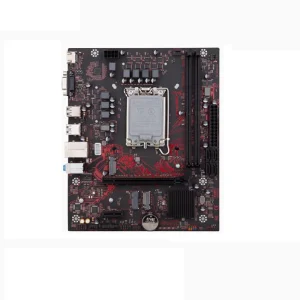
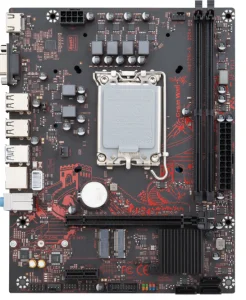
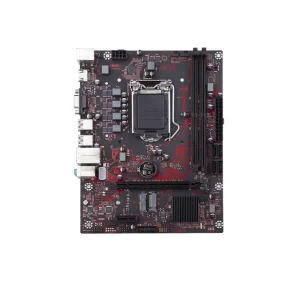
Our motherboards, including H610 and B760M platforms, feature 6-layer to 10-layer PCB construction. We control trace impedance to 50 ohms single-ended and 100 ohms differential. This precision, combined with solid capacitors and robust VRM layouts, prevents signal crosstalk and voltage drops during high CPU loads.
How our electronic components power real-world operations across critical industrial and enterprise sectors.
Motherboards like the ZX7-200/250 are engineered to withstand electromagnetic interference (EMI) and power fluctuations in heavy welding setups, ensuring reliable operation under high heat loads.
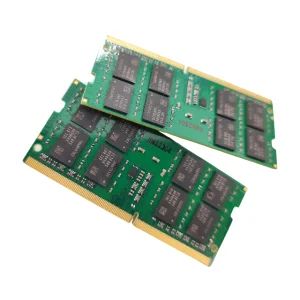
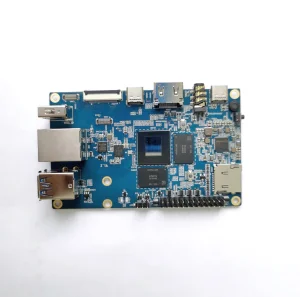
The Rockchip RK3588S development boards utilize high-speed onboard memory to handle local NPU operations. These platforms are designed for smart cameras, automated retail systems, and robotics.
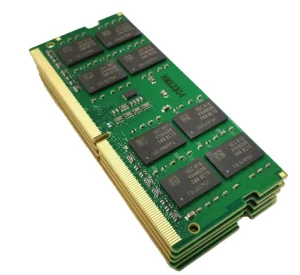
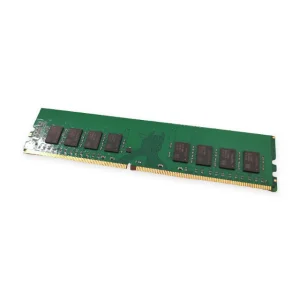
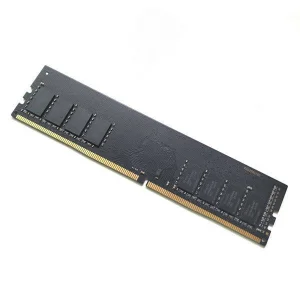
Our server-optimized ECC DDR4 and DDR5 RAM modules operate continuously in data centers, providing the uptime and memory bandwidth needed for virtualization and large database hosting.
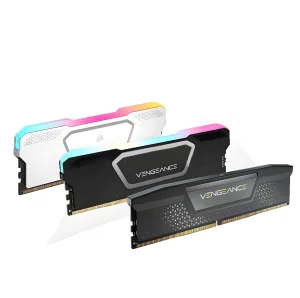
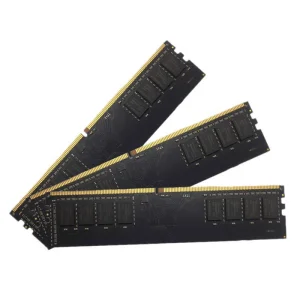
Our high-performance RGB DDR5 modules are built with thermal spreaders to dissipate heat during intensive rendering tasks and gaming workloads, maintaining stability at higher frequencies.
Procuring electronic components internationally requires careful management of quality consistency, shipment delays, and dynamic compliance standards. Relying on transactional brokers often leads to unverified components or fluctuating lead times. Celtrix manages these risks through a vertically integrated supply chain, direct relationships with silicon suppliers, and structured logistics options.
We maintain long-term agreements with major DRAM wafer suppliers. This helps buffer our production lines against memory chip shortages, providing stable pricing for bulk contracts.
All finished shipments are compliant with RoHS, CE, and FCC standards. Our testing labs run extensive temperature tests to verify that industrial-grade parts perform reliably in extreme environments.
With 7 years of international export experience, we handle customs clearance and documentation for key markets worldwide, helping to prevent delays at ports of entry.
Direct answers to technical and procurement questions from global systems buyers and engineers.
We source DRAM wafers from major global manufacturers, including SK Hynix, Samsung, and Micron. Depending on your design requirements and price targets, we can supply SK Hynix A-die/M-die for high-frequency applications, or Samsung/Micron dies for standard enterprise and consumer uses.
Yes, we offer custom Serial Presence Detect (SPD) programming. Our engineers can configure timings, supply voltages, and manufacturer IDs to match your motherboard specifications, helping to ensure system boot compatibility.
Our quality control program includes AOI (Automated Optical Inspection) to check solder joint integrity, dynamic burn-in testing to identify early-life failures, temperature chamber cycling (-40°C to +85°C for industrial designs), and final system compatibility tests using standard target motherboards.
We provide full thermal design services. Our team uses CNC machining and custom aluminum extrusion to manufacture heatsinks based on your thickness requirements and color preferences. We also apply high-thermal-conductivity pads to keep PMIC and DRAM temperatures within safe operating limits.
MOQs depend on the level of customization required. For standard DRAM packaging, MOQ typically starts at 100 units. For custom PCBs or branded retail packages, the MOQ is 500 to 1,000 units. Lead times for standard configurations are 7-10 working days, while custom OEM designs take 15-21 working days.
Select and verify configurations from our high-performance line of computer memory modules and system core boards.
 Celtrix Memory