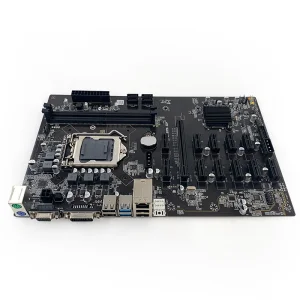
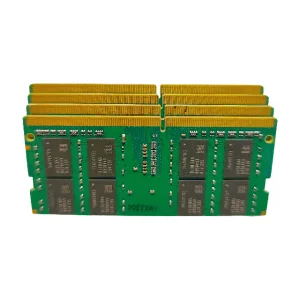
Smart lighting networks rely on powerful logic processing, embedded systems, and robust memory. Below are our high-performance motherboards and memory modules manufactured to supply smart city grids, lighting gateways, and industrial lighting nodes globally.
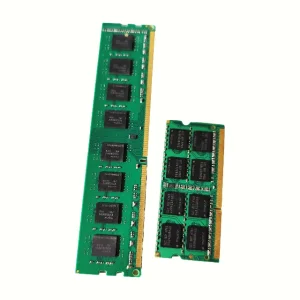
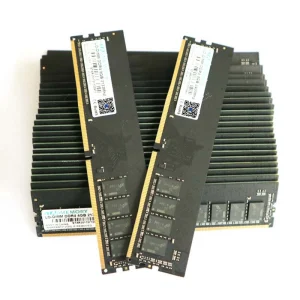
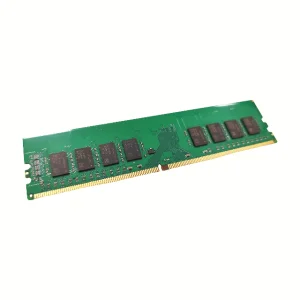
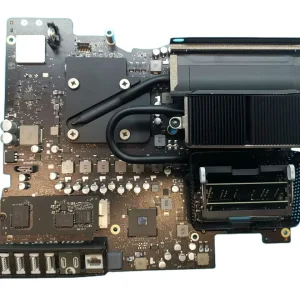
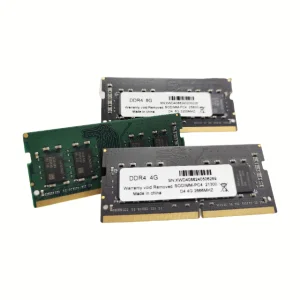
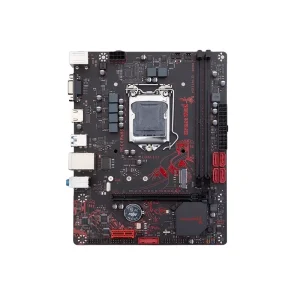
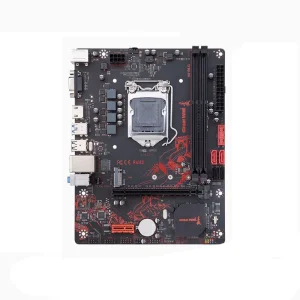
Why modern industrial and commercial lighting systems rely on high-capacity memory, processing chipsets, and logic gateways.
Traditional smart lighting used simple RF transmitters. Today's commercial deployments rely on edge computing gateways running real-time mesh routing algorithms (like Zigbee 3.0, Thread, and Bluetooth Mesh). These micro-servers demand robust DDR4/DDR5 RAM and customized embedded motherboards to process thousands of sensor signals per millisecond without experiencing latency.
By processing environmental inputs—such as natural ambient light levels, occupancy detection, and temperature data—directly on localized gateway boards, facilities can optimize energy output. AI-driven predictive dimming saves up to 45% more electricity compared to scheduled schedules, requiring solid onboard memory buffers and high processor reliability.
Enterprise IoT deployments are primary vectors for cyberattacks. Secure smart lighting installations demand microcontrollers and IoT gateways built on reliable chipsets supporting hardware-rooted encryption, secure boot cycles, and ECC (Error-Correcting Code) RAM module stability to ensure operational uptime and prevent system intrusions.
How the industrial ecosystem in Guangdong powers competitive wholesale pricing and leading technology developments.
Our facility in Shenzhen and Dongguan bridges the gap between raw LED component manufacturing, PCB printing, and chip packaging. This geographical advantage reduces lead times and cuts shipping overheads, translating directly to cost efficiency for global wholesale distributors.
With an engineering cohort of 142 R&D professionals, we offer rapid prototyping for customized smart lighting drivers, specialized BIOS/SPD setups for lighting gateways, unique heat spreader materials, and private label services designed for brand owners.
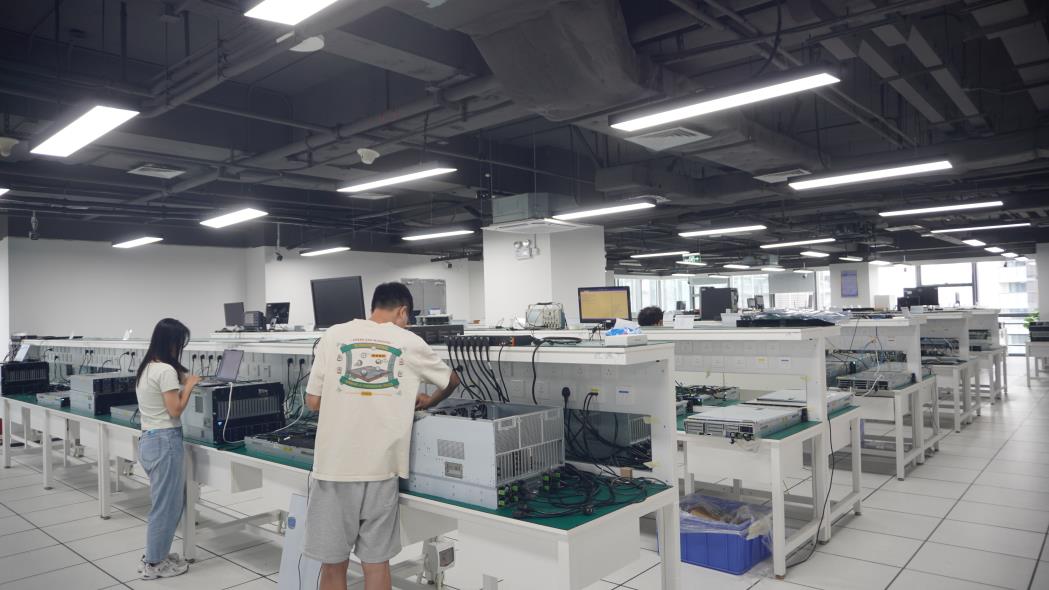
Using state-of-the-art testing equipment, our 56 QC professionals verify every batch. Processes include Automated Optical Inspection (AOI), high-temperature burn-in tests, compatibility testing with various Smart Home protocols, and final quality control checks (FQC).
Celtrix Memory Technologies Co., Ltd. continues to set benchmarks in logic control computing boards and smart device integrations. Our key export logistics and infrastructure metrics include:
Our infrastructural scale allows us to easily handle massive enterprise demands and volume wholesale orders.
From smart streetlights to commercial high-bays, our computing modules and control system integrations support versatile application demands.
Implementing Human Centric Lighting (HCL) systems that automatically adjust color temperatures based on the time of day. Our high-compatibility controller logic boards interface directly with localized environmental and motion sensors to dynamically dim office fixtures, enhancing worker focus while minimizing energy draws.
High-bay lighting requires robust operating limits. Our heavy-duty lighting controllers, integrated with high-heat resistant capacitors and microprocessors, run flawlessly under extreme temperature swings. They leverage motion detection and area-wide grouping to dim unoccupied logistics bays, yielding significant power savings.
Municipal networks require secure, long-distance communication protocols. Celtrix-powered edge gateways integrate cellular (4G/5G/NB-IoT) modems and LoRa modules, allowing thousands of street lanterns to feed diagnostics back to centralized utility dashboards while running on automated localized scheduling.
The smart lighting ecosystem is undergoing rapid standardization. Historically, fragmented networks like Zigbee, Z-Wave, and proprietary RF systems caused integration bottlenecks for system integrators. The emergence of the Matter protocol over Thread and Wi-Fi has unified consumer and commercial markets, offering interoperability out-of-the-box.
Simultaneously, DALI-2 (Digital Addressable Lighting Interface) remains the enterprise-grade backbone for heavy architectural controls, offering bidirectional diagnostics. Power over Ethernet (PoE) lighting is also gaining traction, replacing traditional copper wiring with low-voltage Cat6 cables that transmit both operational power and data back to centralized rack-mount servers running high-speed DRAM modules.
Celtrix supports OEMs and brand owners in navigating this protocol convergence. By designing custom logic controllers and offering high-speed memory architectures, we enable controllers to smoothly run local protocol translation databases, preventing latency and system dropouts.
Our engineering capabilities are built to deliver exact specifications for enterprise deployments. Our custom design services include:
How our factory implements comprehensive quality checks to ensure a zero-defect assembly line.
All incoming materials (silicon chips, LEDs, capacitors, PCBs) go through strict Incoming Material Inspections. During assembly, In-Process Quality Control monitors alignment and solder paste thickness to eliminate micro-defects.
Every module is scanned by Automated Optical Inspection (AOI) to verify structural integrity. Afterwards, units are powered on for functional verification, confirming signal logic and driver metrics match targets.
Our environmental testing chambers subject controller units to temperature stress and voltage drops. Modules are tested on common Smart Lighting configurations to guarantee stability and prevent hardware locking.
Answers to technical and business inquiries regarding our smart lighting integration and memory-compute components.
Modern smart lighting is an internet-of-things (IoT) deployment. Edge computing gateways, smart switches, DALI/Zigbee logic controllers, and city-wide central databases are all microcomputers. Celtrix manufactures the high-reliability DDR4/DDR5/DDR3 memory, customized logic boards, and desktop/server motherboards that form the computational backbone of these central control networks.
Yes, we specialize in OEM/ODM customization. This includes custom logo printing on components, specialized PCB heat spreader designs, SPD programming for customized operating systems, custom BIOS developments for control motherboards, and tailored product labels to suit regional regulatory marks.
Every computing module and motherboard is tested against dynamic protocol matrices including DALI-2, BACnet, KNX, Zigbee, and Matter. Our 56-person QC department uses system-compatibility tests and specialized diagnostic tools to verify that hardware operates without data loss or buffer overflows under continuous loads.
Lead times vary based on configuration. For in-stock standard DDR4 modules, motherboards, and chipsets, shipping can occur within 3–5 working days. For custom OEM designs or complex control boards requiring new PCB tooling, manufacturing and QC cycles generally range between 3 to 5 weeks.
We export to more than 50 countries with a total annual export value of USD 23 million. We support standard international trade terms (FOB, CIF, EXW) and work with leading logistics networks to manage ocean, air, and express transport securely.
Take a visual tour of our modern 28,600 m² factory floor, clean-room assembly lines, and testing laboratories.
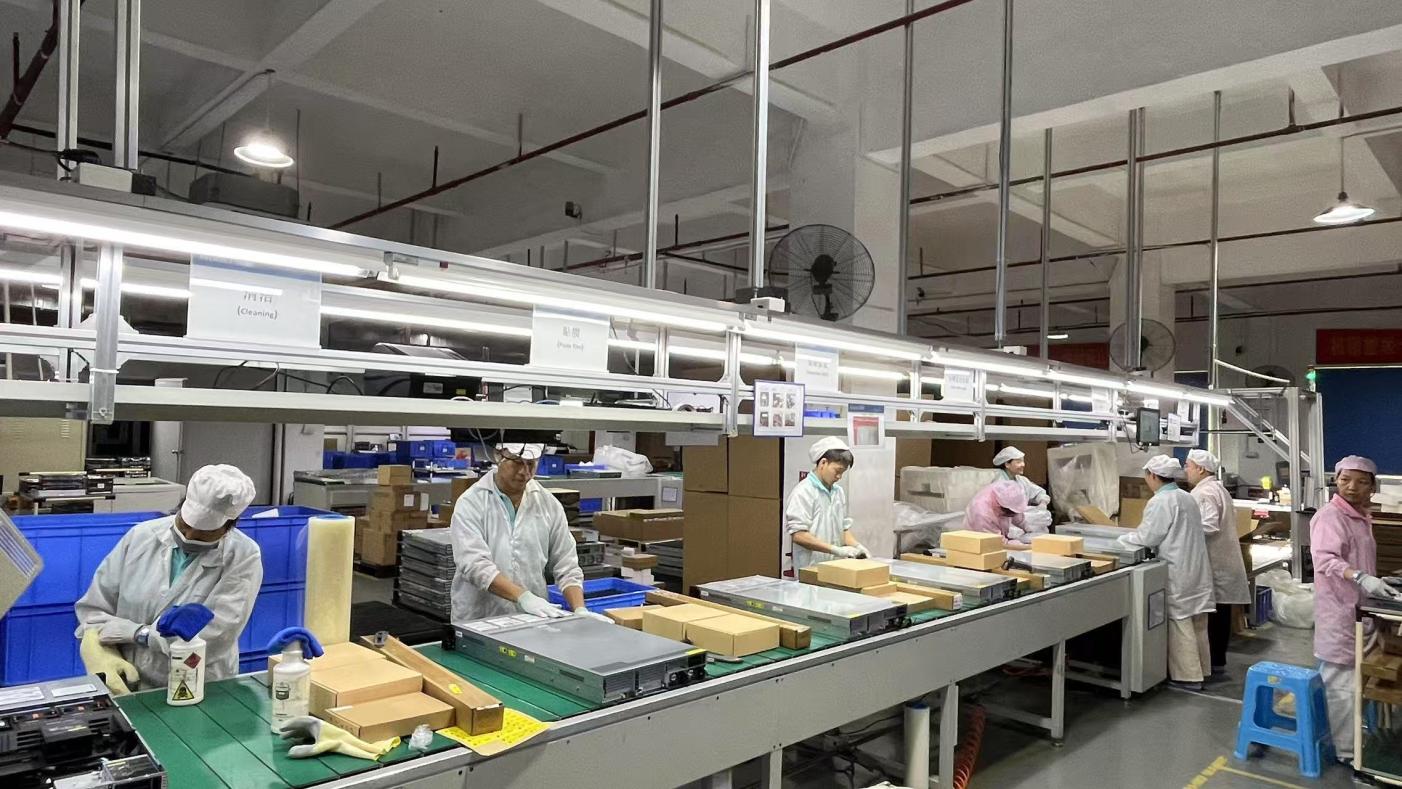
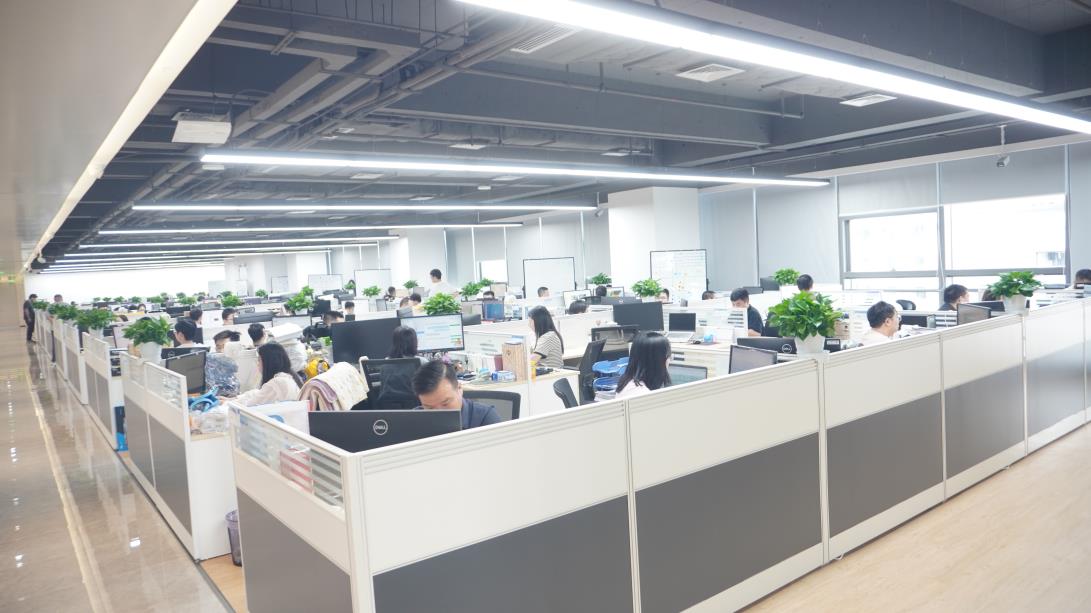
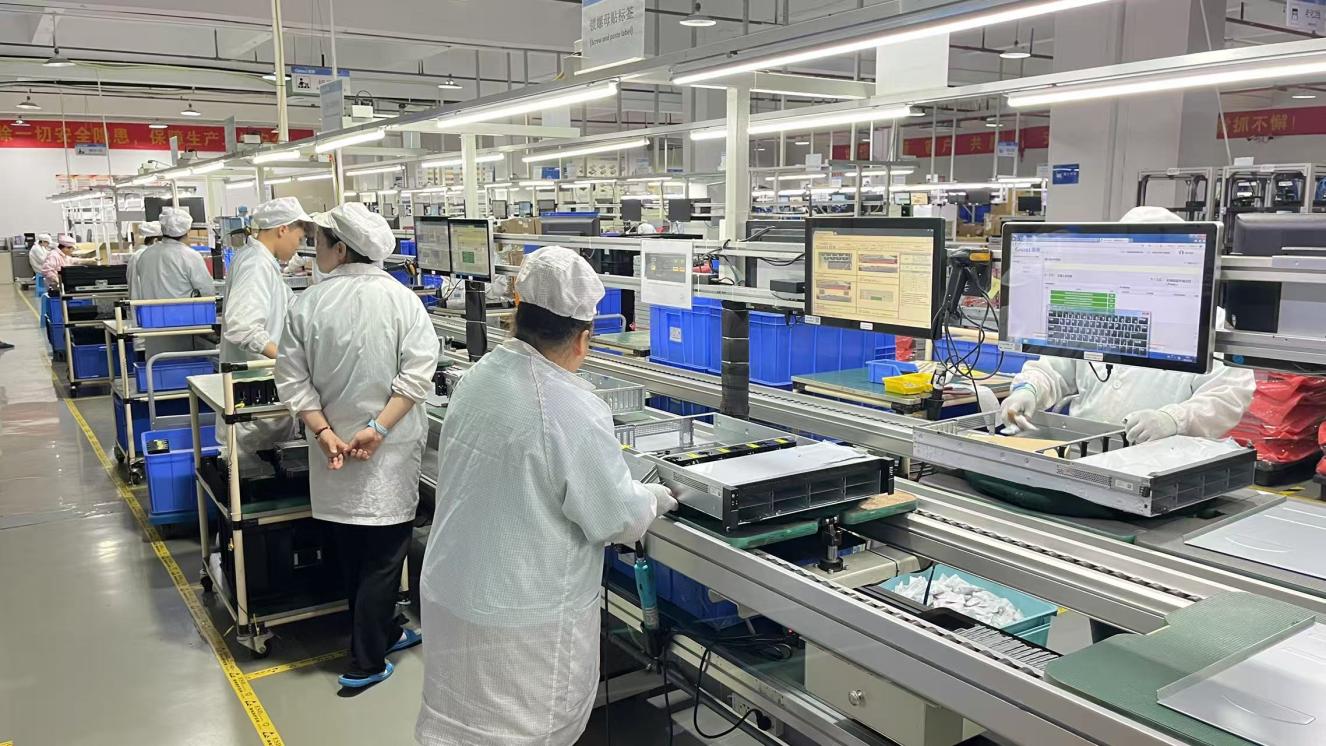
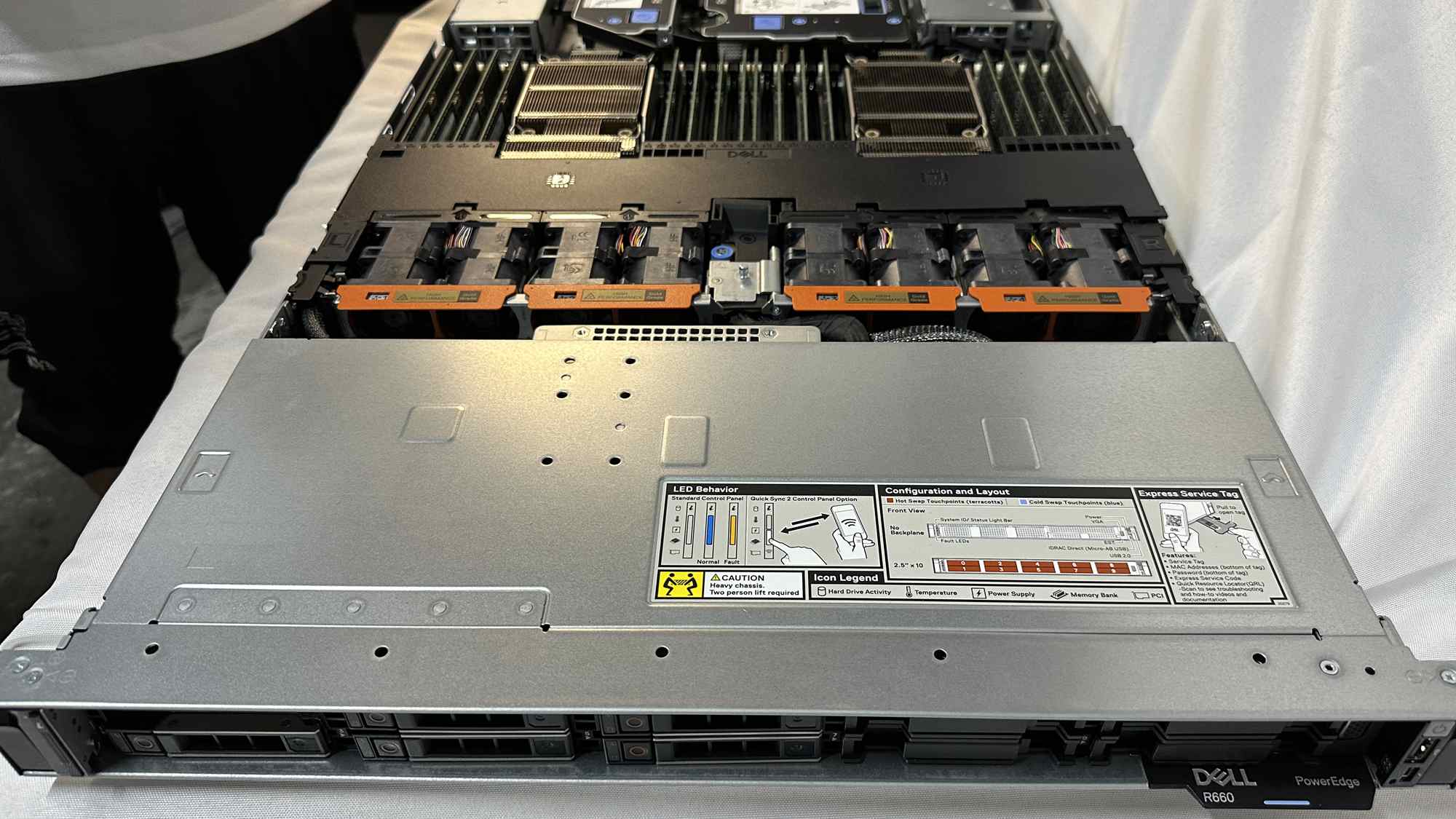
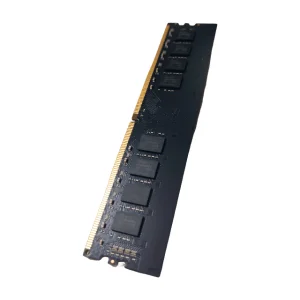
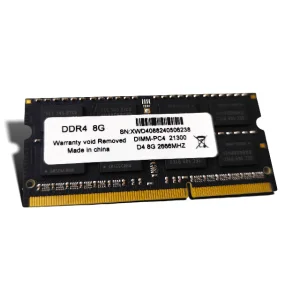
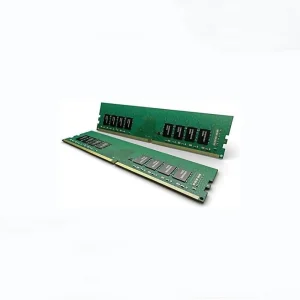
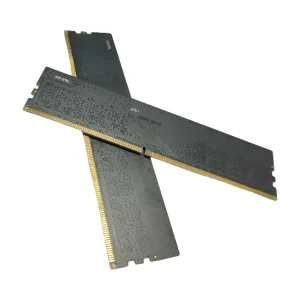
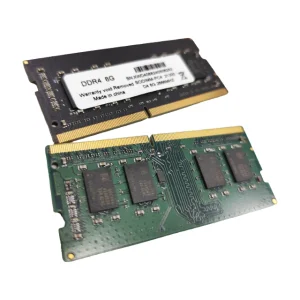
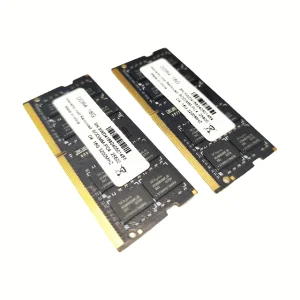
High-speed system memory and logic components engineered to handle heavy traffic and multi-node processing in smart buildings.
 Celtrix Memory