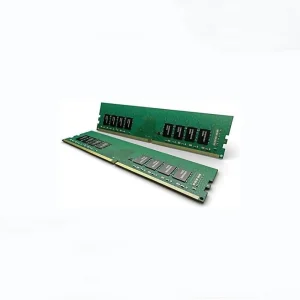
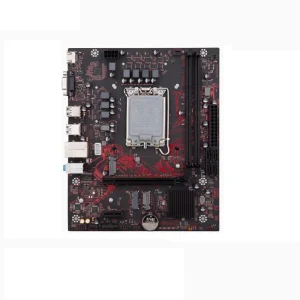
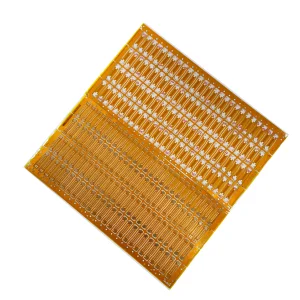
Celtrix Memory Technologies Co., Ltd. represents the cutting edge of domestic manufacturing capacity, delivering global-grade DRAM, customized motherboards, and PCBA solutions.
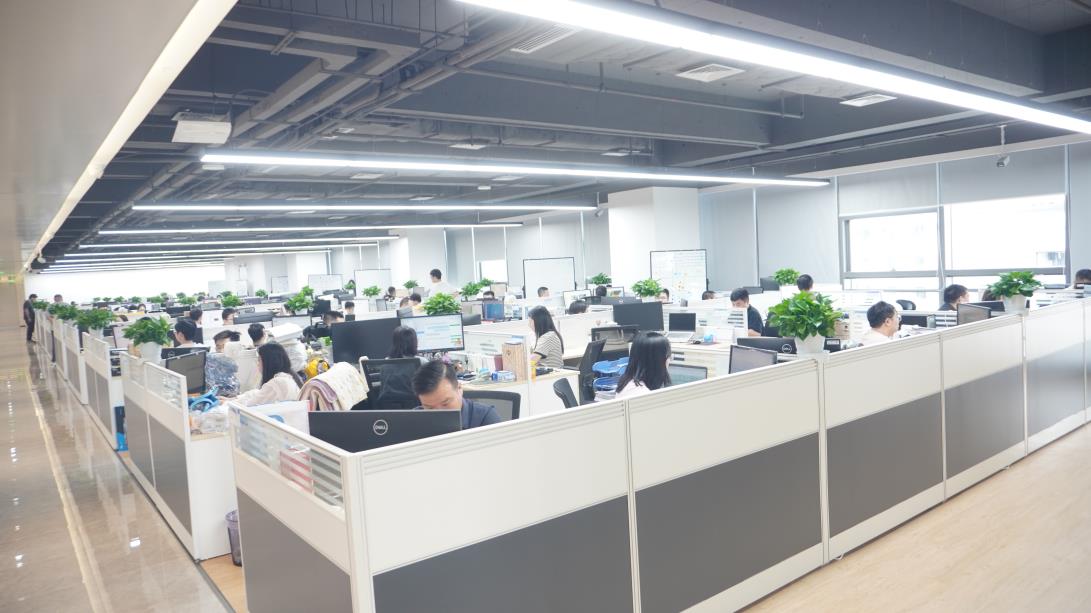
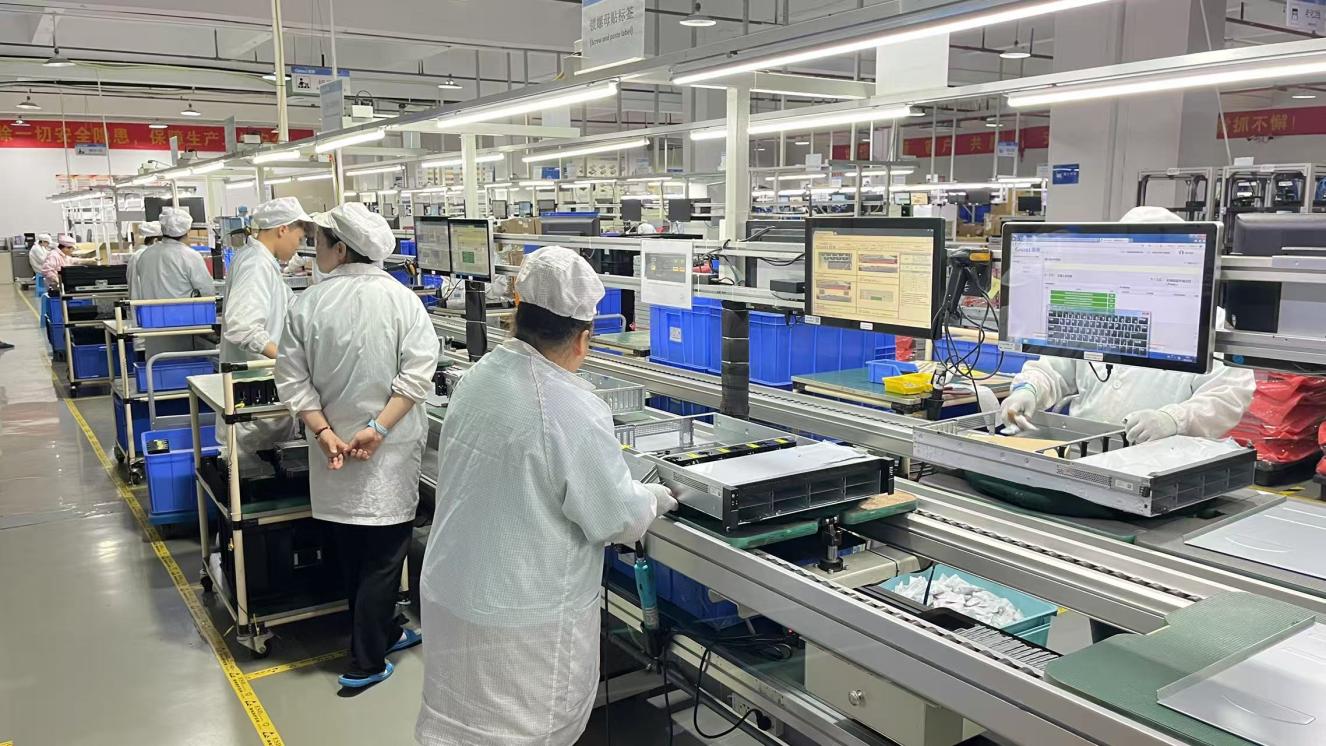
Founded in 2017, Celtrix Memory Technologies Co., Ltd. has established itself as an authoritative DDR5/DDR4 manufacturer and global OEM/ODM provider. Operating a state-of-the-art facility covering 28,600 m², we deploy fully automated Surface Mount Technology (SMT) production lines and advanced diagnostic systems. With over 9 years of industry experience and 7 years of direct export operations, we serve as the primary supply chain backbone for distributors, enterprise system integrators, and consumer brands in over 50 countries.
Our operation scale translates to an annual export revenue exceeding USD 23 million. By integrating internal engineering with deep component sourcing partnerships (including original DRAM die procurement), we ensure our clients receive optimized pricing, reliable inventory buffers, and high-frequency components tailored to modern computational architectures.
Analyzing the shift toward low-latency, higher-bandwidth hardware topologies in data centers and high-density client platforms.
The industry is experiencing a massive push toward DDR5 memory architectures. Operating at higher base frequencies (starting from 4800MHz up to 6800MHz and beyond) compared to DDR4’s standard 2666MHz to 3200MHz, DDR5 redefines memory bus bandwidth. With the Power Management Integrated Circuit (PMIC) moved onto the module itself, DDR5 reduces signal loss, improves voltage regulation, and operates at a lower core voltage of 1.1V, yielding significant thermal benefits for density-packed server arrays and gaming motherboards alike.
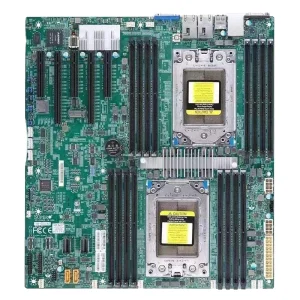
The integration of Deep Learning, Large Language Models (LLMs), and edge cloud computing demands hardware that features structural reliability. On-die ECC (Error Correction Code) within DDR5 chips corrects single-bit errors prior to transmitting data, working in tandem with side-band ECC options for multi-channel server chipsets. High-frequency memory channels must match the layout complexity of high-layer motherboards, such as server-grade dual-socket setups (e.g., H11DSI-NT systems) to handle dense processing cycles without bottlenecking.
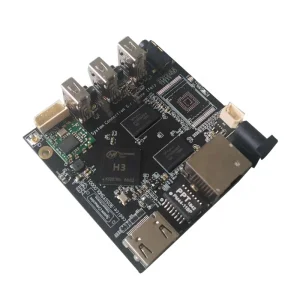
Modern client and enterprise devices require hybrid flexible circuits and complex SMT assembly. From multi-layer PCBA designs for critical industrial applications like high-sensitivity gold metal detectors, to compact, low-profile consumer set-top boxes, physical packaging optimization is crucial. Leveraging advanced FPC (Flexible Printed Circuit) structures helps mitigate thermal expansion, saves weight, and ensures continuous performance under mechanical stress.
How B2B component buyers mitigate risks, ensure signal integrity, and achieve component standardization.
For system integrators, OEM brands, and hardware wholesalers, component sourcing is a balancing act between unit cost, yield rate, and technical continuity. Common issues such as DRAM chip supply fluctuations, varying die qualities (A-die vs E-die), and PCB delamination under thermal stress can halt production lines. To address these vulnerabilities, procurement professionals look for manufacturers capable of offering:
Furthermore, geographic diversification, regulatory compliance (RoHS, FCC, CE), and customized BIOS/SPD programming play critical roles in regional product adaptation. By partnering with a vertically integrated manufacturer like Celtrix, buyers gain access to dynamic engineering capabilities. This includes localized motherboard layout optimization and customized packaging formats, reducing the time-to-market for complex computing architectures.
With an annual export history spanning Europe, North America, and South America, Celtrix structures its supply chain to guarantee consistent raw material pipelines. This structural stability secures long-term OEM contracts against spot-market volatility.
Exploring custom engineering fields from high-speed memory modules to multi-layer logic board designs.
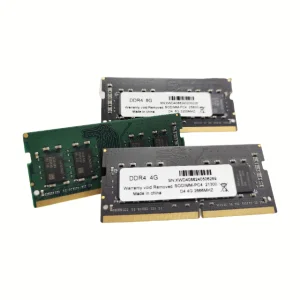
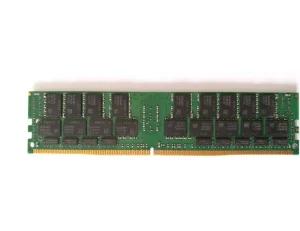
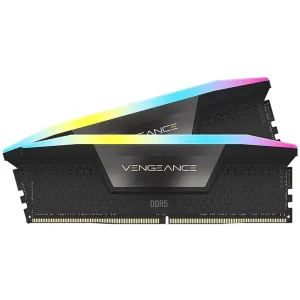
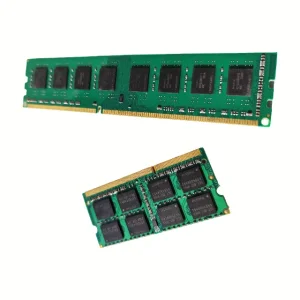
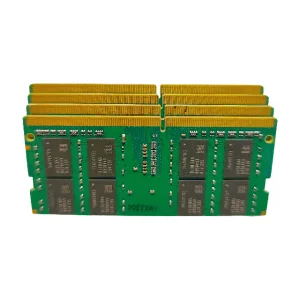
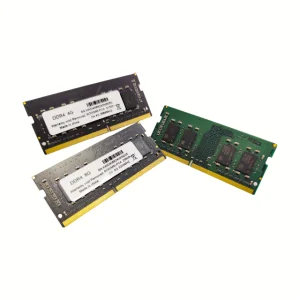
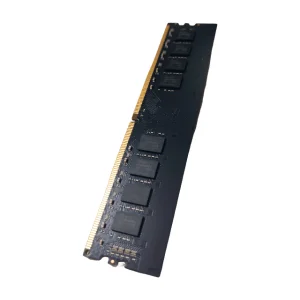
Celtrix produces consumer-grade and enterprise-grade DRAM modules across standard profiles. Our DDR5 lineups feature capacities ranging from 16GB to 64GB with frequencies targeting 6000MHz to 6800MHz, built for demanding tasks like real-time video rendering and competitive gaming. For business applications, we provide JEDEC-compliant ECC (Error Correcting Code) DDR4 and DDR5 memory modules. These modules verify data integrity on the fly, eliminating system crashes and silent data corruption across server platforms and high-end notebooks.
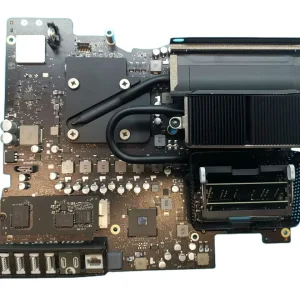
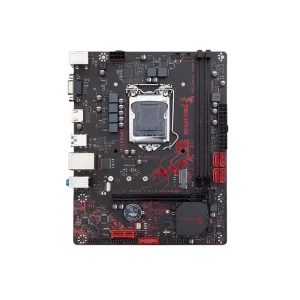
From server boards like the H11DSI-NT dual-channel server layout to client boards like the H311M-G and B760M-G, Celtrix customizes layer stack-ups and signal routing. We design multi-port solutions that optimize heat dissipation and PCIe lane distribution. Additionally, we reverse-engineer and manufacture replacement logic boards, such as custom 2019 iMac 27" Logic Board variants. This ensures perfect sizing compatibility and equivalent performance tolerances to original specifications.
Our surface mount capabilities cover various industries, from set-top box motherboards to complex high-sensitivity circuitry for detection systems. Using polyimide substrates, we design 1-2 layer flexible PCBs (FPC) that fit within tight, non-linear device chassis. These FPCs are ideal for keyboards, wearables, and aerospace sub-assemblies where mechanical flexing and long-term durability are critical requirements.
Uncompromising inspection protocols to guarantee long-term stability and structural reliability of active components.
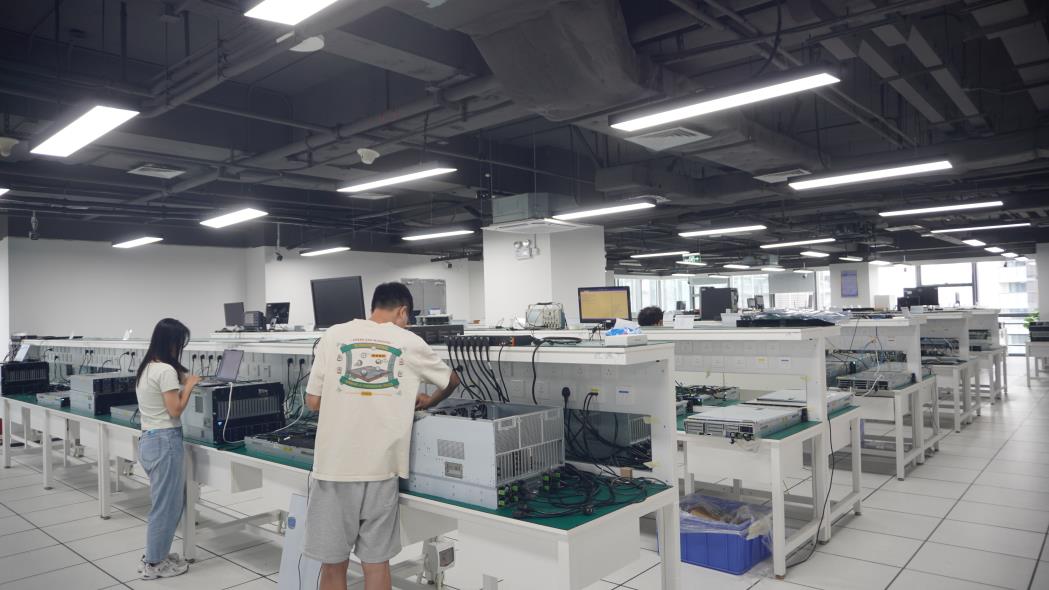
At Celtrix, we recognize that hardware failures can lead to costly operational downtime. To prevent this, we maintain an ISO 9001-certified quality control framework overseen by 56 QC specialists. Every memory module, motherboard, and PCBA runs through a multi-stage testing loop before packaging:
All manufacturing steps are recorded to ensure full lot-number traceability. This trace-back capability helps us isolate issues down to specific wafer runs or SMT lines in the event of field anomalies. We comply with RoHS directives by using lead-free processes to support global trade compliance. Our motherboards and memory modules also meet CE and FCC electromagnetic standards, allowing them to integrate into hardware ecosystems worldwide.
Our commitment to rigorous testing and open communication channels has earned us the trust of over 1,180 supply chain partners, solidifying Celtrix as an industry-recognized hardware manufacturer.
Looking ahead at next-generation memory and system layouts as computational demands continue to scale.
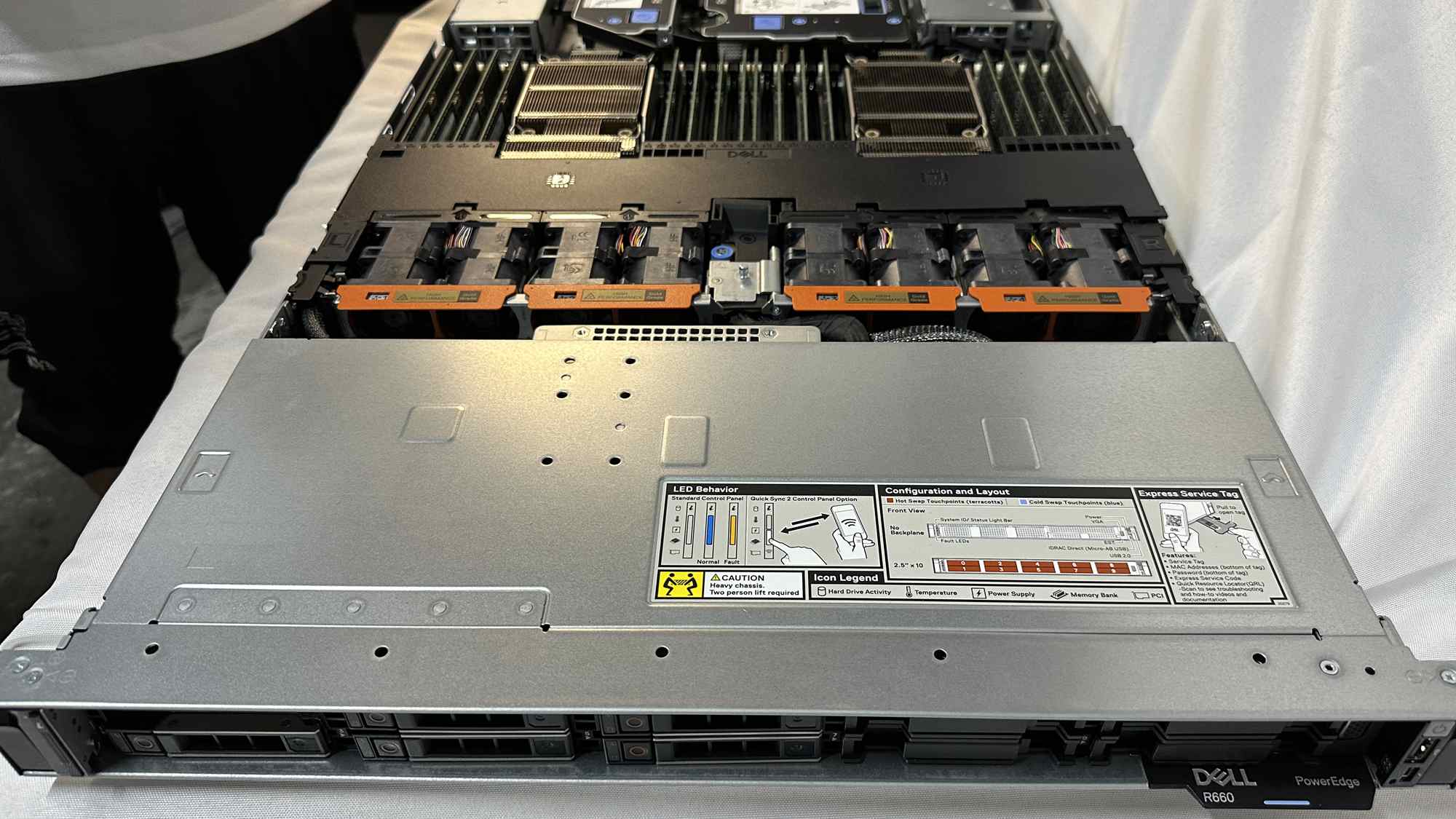
Our dedicated R&D team, comprised of 142 engineers, released 168 new products last year. We are currently developing custom DDR5 memory modules designed to achieve operating speeds of 7200MHz to 8400MHz. These modules feature customized, low-profile aluminum heat spreaders optimized for 1U and 2U server configurations. Our research also focuses on CXL (Compute Express Link) architectures, which will allow memory resources to be shared across servers, improving resource efficiency in high-performance cloud networks.
As micro-electronics continue to shrink, we are expanding our FPC and PCBA capabilities to support high-density interconnect (HDI) designs. We are currently testing new halogen-free, high-Tg (glass transition temperature) laminates. These substrates are designed to maintain physical stability at higher operating temperatures, helping prevent signal drift in automotive control modules, industrial sensors, and high-frequency communication transceivers.
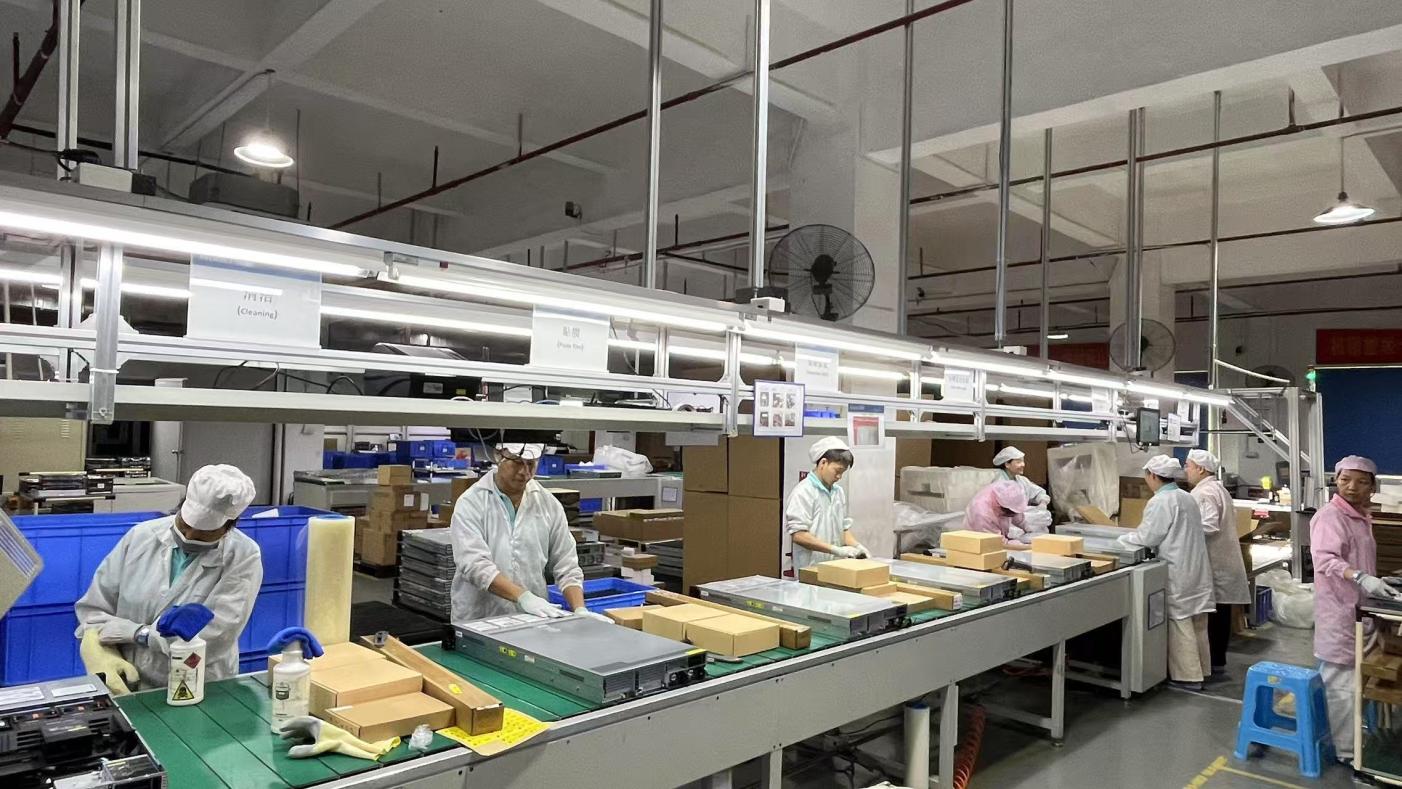
A tour inside the Celtrix production lines, cleanrooms, and testing facilities.
Detailed technical answers for hardware buyers, engineers, and distributors.
DDR5 moves power management from the motherboard to the module itself using an on-board Power Management Integrated Circuit (PMIC). This design provides cleaner power delivery and reduces motherboard routing complexity. DDR5 also features dual 32-bit subchannels (compared to DDR4’s single 64-bit bus), which improves command protocol efficiency and doubles the burst length from 8 to 16. These changes help maintain high bandwidth at higher operating frequencies.
ECC memory uses an extra DRAM chip to detect and correct single-bit memory errors, which can be caused by electromagnetic interference or cosmic rays. Standard non-ECC memory may experience silent data corruption or system crashes when these errors occur. In business notebooks, server environments, and financial workstations, ECC helps prevent data corruption and ensures system stability for continuous operations.
Yes, we provide full OEM/ODM customization services. This includes custom Serial Presence Detect (SPD) profile programming (such as XMP or EXPO profiles), custom PCB colors (like matte black, blue, or green), custom-designed aluminum heat spreaders, and private label packaging design. This allows clients to receive retail-ready products that match their brand specifications.
Our motherboard and logic board designs (including the H311, B760, and H11DSI series) undergo physical and electrical validation testing. This includes signal integrity tests using high-bandwidth oscilloscopes to verify PCIe and memory slot routing. We also perform thermal stress tests under full system load, as well as cross-compatibility testing with a wide variety of CPUs, memory modules, storage drives, and operating systems.
We use high-speed Fuji and Yamaha SMT placement systems equipped with optical alignment cameras. These systems inspect component placement accuracy in real-time, down to tiny 0201 passives and fine-pitch BGA packages. Solder paste printing thickness is verified using 3D SPI (Solder Paste Inspection), and all boards pass through 3D Automated Optical Inspection (AOI) after reflow to prevent defects like cold solder joints or component shifting.
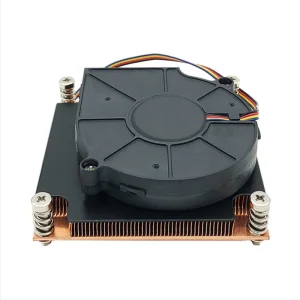
We use high-purity oxygen-free copper and high-conductivity aluminum alloys. Copper is used for CPU baseplates and vapor chambers to maximize heat transfer, while aluminum fins are used to dissipate heat efficiently. For server heat sinks, such as those designed for LGA115X sockets, we use precision-stacked copper fins and vapor-chamber technologies to handle CPUs with TDP ratings of up to 110W and higher within tight chassis spaces.
Standard lead times vary based on component availability and order volume. For memory modules using in-stock DRAM ICs, the production lead time is typically 7 to 14 working days. Custom motherboard and PCBA projects requiring PCB fabrication, component sourcing, and tooling configuration generally take 4 to 6 weeks, which includes prototype validation stages (EVT, DVT, and PVT).
Our export operations have been active since 2017, and we are familiar with compliance requirements in regions such as the Americas, the European Union, and Southeast Asia. We provide complete documentation for customs clearance, including certificates of origin, material safety data sheets (MSDS) for battery-containing modules, and compliance declarations for CE, FCC, RoHS, and WEEE standards.
 Celtrix Memory