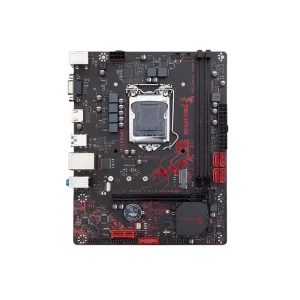
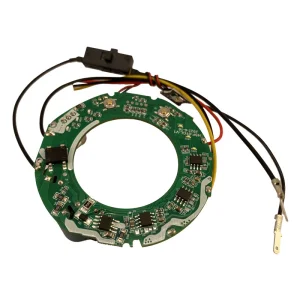
Premium OEM/ODM DRAM modules, custom motherboards, and PCBA solutions for global commercial procurement.
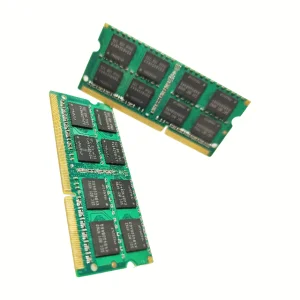
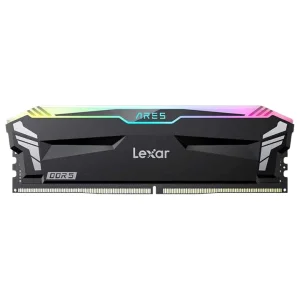
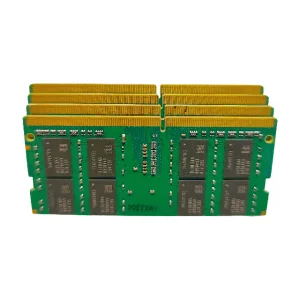
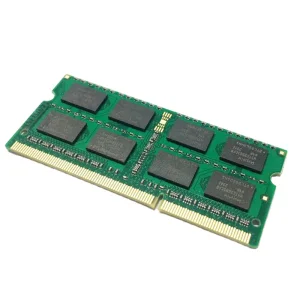
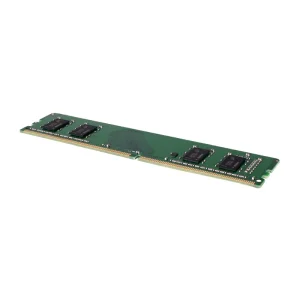
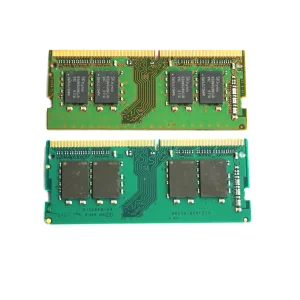
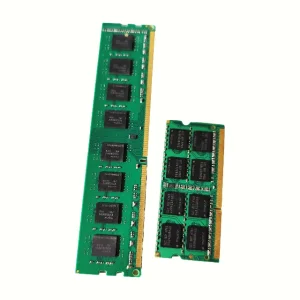
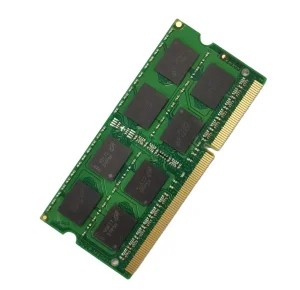
The global semiconductor memory market is undergoing an unprecedented structural transition. In the realm of portable computing, industrial automation, and edge terminal units, Laptop DDR RAM (SO-DIMM and soldered LPDDR solutions) serves as a critical performance bottleneck. Over the last three fiscal years, the standard has rapidly migrated from legacy DDR3 and DDR4 setups toward the high-frequency, low-voltage paradigm of DDR5. This evolution is primarily catalyzed by the computational demands of Next-Gen Operating Systems and the rise of local AI inferences on client devices (AI PCs).
Currently, the market is characterized by a dual-demand environment. Enterprise and industrial sectors require long-term stability and compatibility, making robust DDR4 2666MHz/3200MHz modules highly sought after in volume contracts. Simultaneously, gaming configurations, edge computing gateways, and high-end workstation systems are pushing the adoption of DDR5 SO-DIMM formats, with clock frequencies scaling from 4800MT/s to 5600MT/s and beyond. Industrial applications demand stringent thermal profiles and anti-sulfurization treatments, urging manufacturers to provide advanced components that withstand harsh conditions.
Hardware design parameters are shifting to accommodate slimmer profiles and higher bus speeds. For years, the Small Outline Dual In-line Memory Module (SO-DIMM) has been the universal standard for upgradable laptop memory. However, at clock speeds above 6400MHz, traditional SO-DIMM architectures encounter significant signal integrity challenges due to trace lengths and connector parasitic capacitance.
To address this, the industry is witnessing two major design paths:
For B2B buyers and system integrators, selecting the correct module form factor requires balancing thermal constraints, upgradability paths, and board space. Original Design Manufacturers (ODMs) like Celtrix support both standard SO-DIMM packaging and customized layout adjustments to ensure seamless board-level integration.
| DRAM Generation | Standard Voltages | Mainstream Frequencies | Architectural Highlights | Target Applications |
|---|---|---|---|---|
| DDR3 / DDR3L | 1.5V / 1.35V | 1333MHz - 1600MHz | Dual-die architectures, basic fly-by topology | Legacy embedded boards, POS systems, old network hardware |
| DDR4 SO-DIMM | 1.2V | 2133MHz - 3200MHz | Bank groups, point-to-point signaling, CRC error checking | Business laptops, mini-PCs, industrial computers, standard servers |
| DDR5 SO-DIMM | 1.1V | 4800MHz - 5600MHz+ | On-die ECC, dual 32-bit subchannels, on-module PMIC | AI PCs, high-end workstations, gaming systems, next-gen servers |
China remains the epicenter of high-yield memory module assembly. The Pearl River Delta ecosystem offers significant supply chain compression, enabling quick transitions from raw silicon wafer dicing to final retail-packaged memory kits. This structural advantage is built on several key factors:
SMT Precision and Automation: Modern surface-mount technology (SMT) lines in Chinese factories utilize high-speed placement machines capable of mounting thousands of passive components and dense DRAM BGA packages per hour. High accuracy is essential for DDR5, where on-module Power Management Integrated Circuits (PMICs) and precise decoupling capacitors demand fine tolerances to prevent voltage drops.
Supply Chain Integration: Factories in regions like Shenzhen and Dongguan operate alongside PCB fabricators, semiconductor packaging houses, label printers, and custom packaging manufacturers. This proximity allows companies to procure, test, and ship memory modules with significantly reduced lead times compared to other regional manufacturing hubs.
Economies of Scale: High volume output lowers the per-unit cost of components, enabling manufacturers to provide high-quality memory at highly competitive price points. B2B buyers directly benefit from this cost optimization, receiving top-tier performance without premium markups.
Established in 2017, Celtrix Memory Technologies Co., Ltd. has grown into a leading manufacturer of premium DRAM and storage solutions. Our state-of-the-art facilities and experienced engineering teams cater to the demanding needs of global B2B clients, offering customization, quality assurance, and stable volume supply.
Our manufacturing processes integrate Automated Optical Inspection (AOI), rigorous burn-in tests, and comprehensive system compatibility cycles across a wide range of motherboard platforms. Celtrix is committed to offering reliable, high-performance OEM/ODM services, including customized heat spreaders, private labeling, SPD optimization, and specialized packaging.
Memory requirements vary widely across different computing platforms and business environments. Selecting the appropriate memory specification is essential for ensuring system stability and optimizing hardware performance.
Requires low-latency, high-frequency DDR5 (5200MT/s or 5600MT/s) and support for overclocking profiles (XMP/EXPO). RGB heat spreaders and heat-dissipating stickers are popular additions to maintain stable performance during heavy workloads.
Emphasizes high reliability and data integrity. Applications include design, video editing, and complex simulations. These systems benefit from on-die ECC (Error Correction Code) and high-density 32GB/64GB modules to support demanding multi-tasking workloads.
Operates in extreme conditions. Memory modules must feature anti-sulfurization components, underfill coatings for shock resistance, and wide-temperature range support (-40°C to 85°C) to prevent system failures in industrial applications.
Designed for compact, low-profile layouts. Small form factor systems rely heavily on high-density DDR4/DDR5 SO-DIMM setups to deliver server-class performance within tight physical spaces and limited airflow conditions.
Procuring memory modules at scale requires evaluating several factors beyond basic pricing:
DRAM Die Quality: Verify whether the manufacturer uses original DRAM dies from leading tier-1 semiconductor companies (Samsung, SK Hynix, Micron) or downbin chips. The quality of the silicon die directly impacts long-term reliability and compatibility across varying system configurations.
SPD Programming and Compatibility: Memory modules must feature correctly programmed Serial Presence Detect (SPD) EEPROMs. Correct SPD programming ensures that the system BIOS automatically configures the appropriate frequency, timings, and voltage profiles, minimizing boot failures and hardware instability.
Testing & QA Standards: Look for manufacturers that conduct 100% functional, burn-in, and motherboard compatibility testing, rather than relying on batch sampling. High-quality testing protocols significantly reduce the Return Merchandise Authorization (RMA) rate, saving costs and protecting brand reputation.
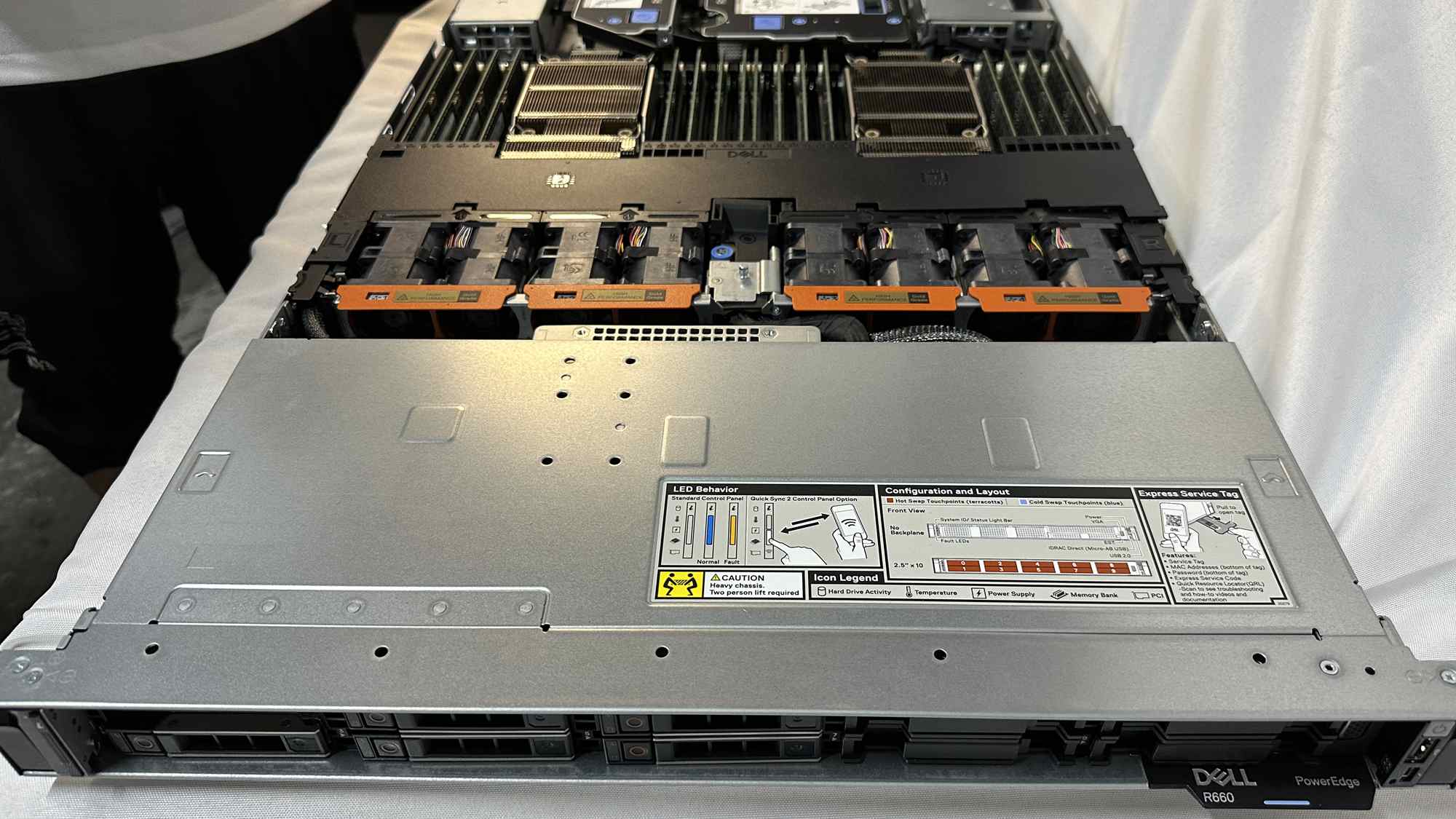
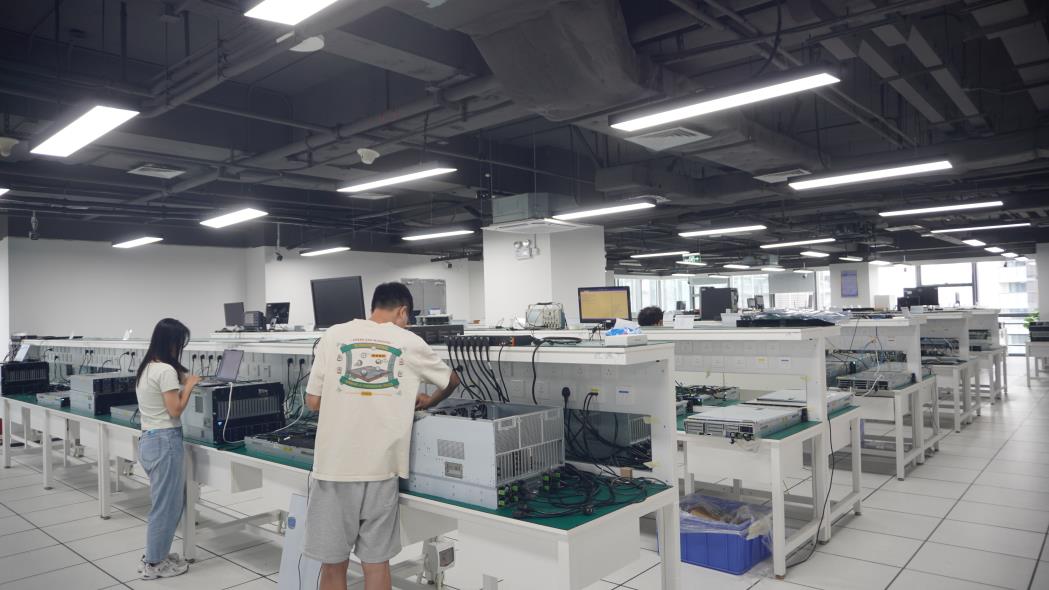
Visual evidence of rigorous manufacturing standards, advanced cleanrooms, and testing facilities at Celtrix Memory Technologies Co., Ltd.
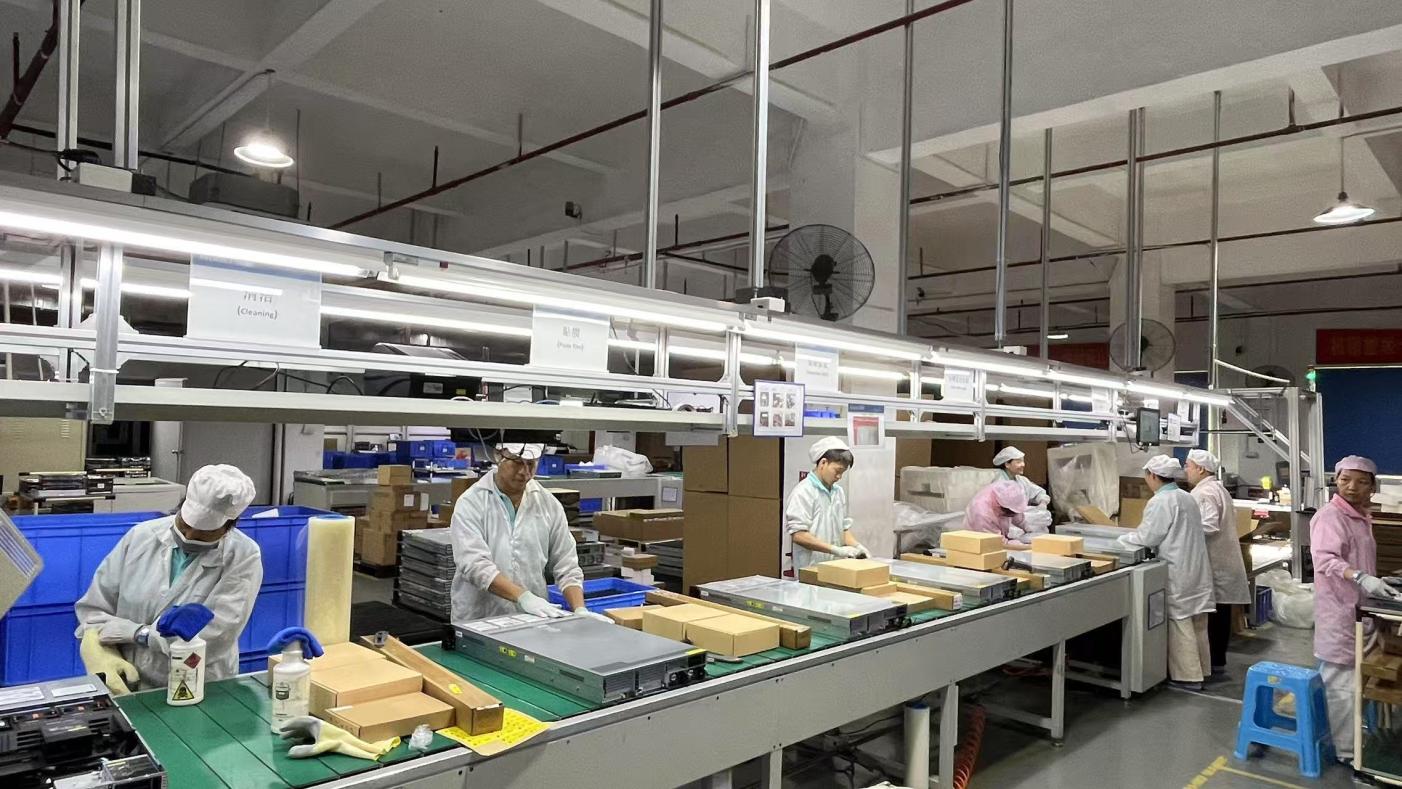
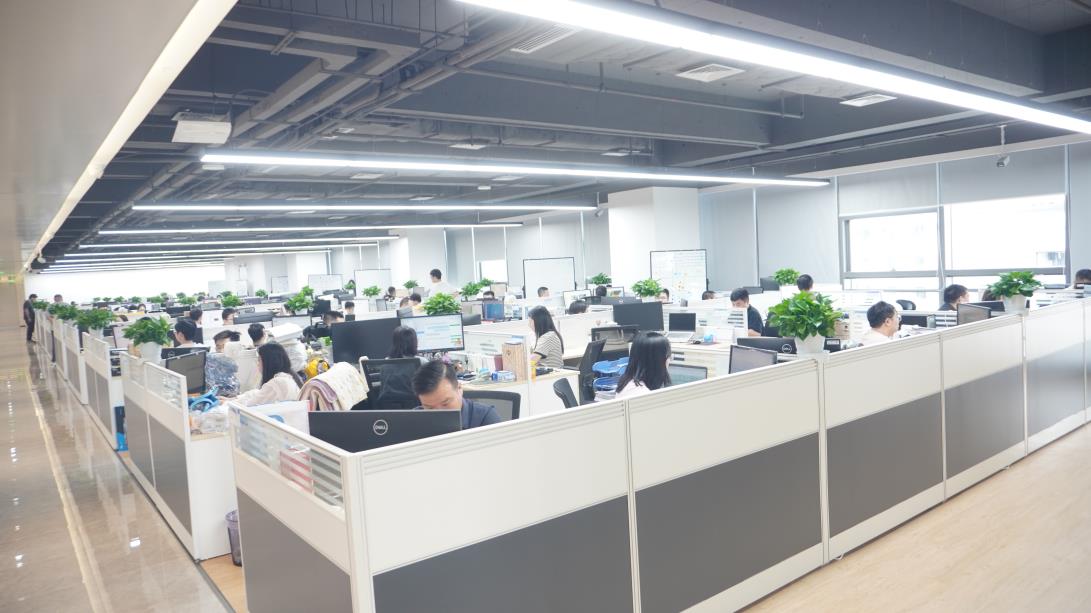
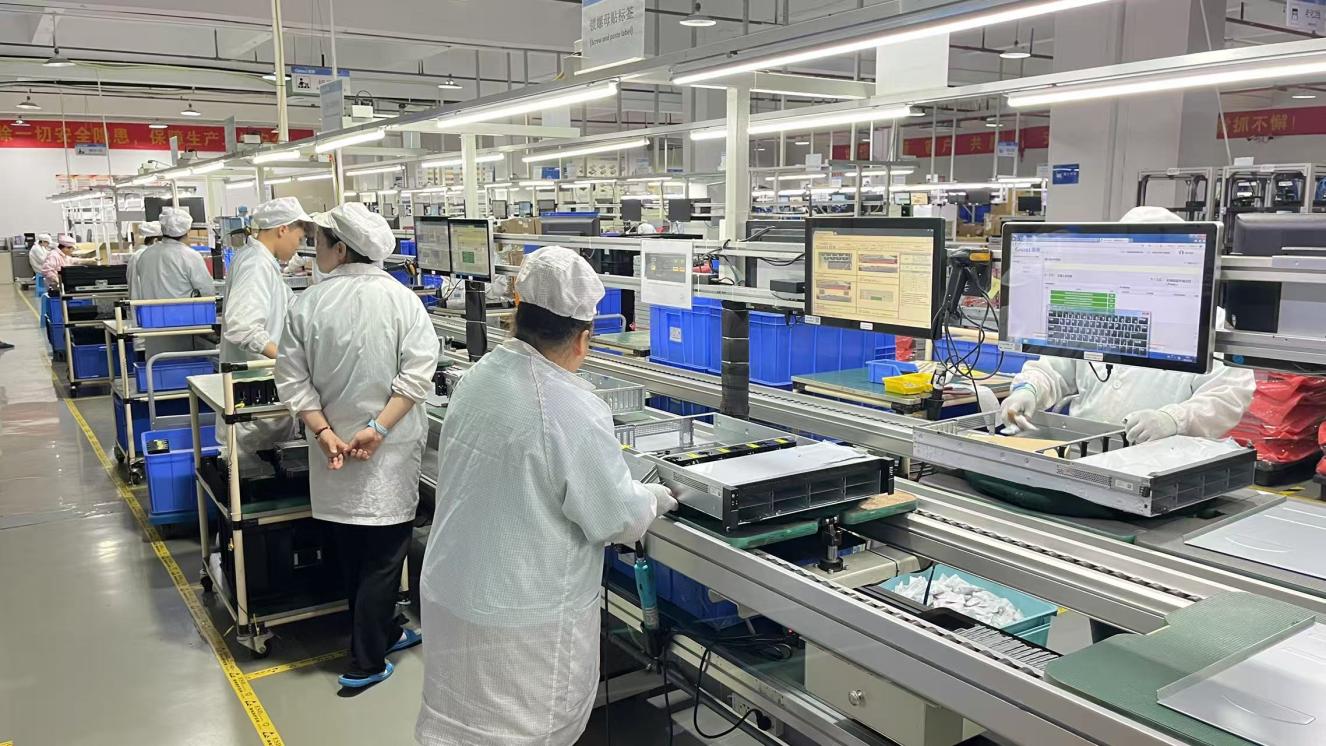
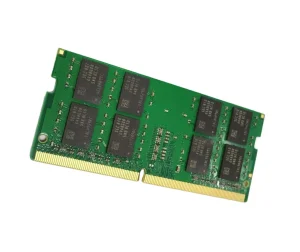
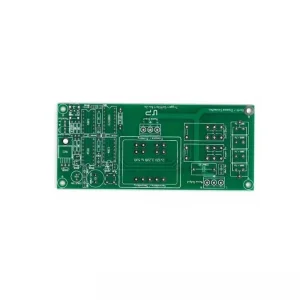
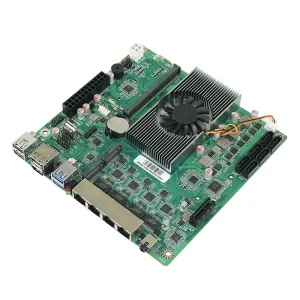
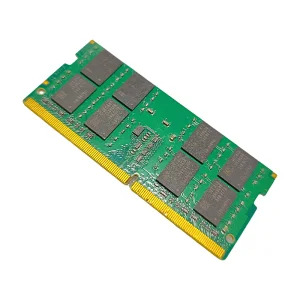
Explore our wider range of memory modules, motherboards, and PCBA electronic customization solutions.
 Celtrix Memory