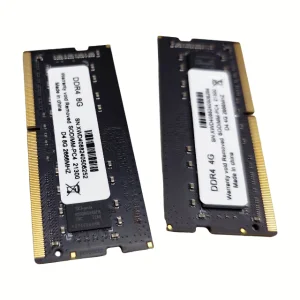
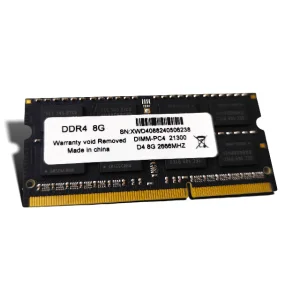
Direct sourcing of state-of-the-art DRAM architectures, double-sided PCBs, and advanced computing motherboards.
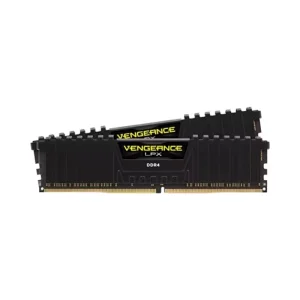
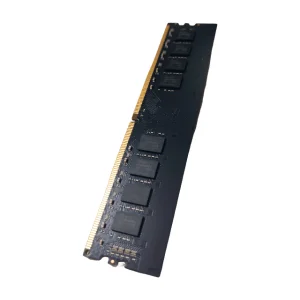
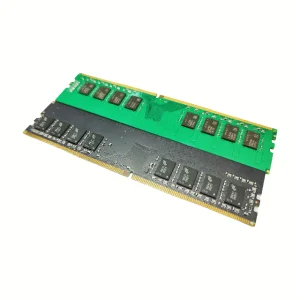
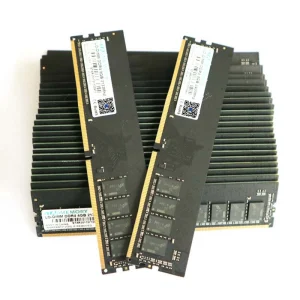
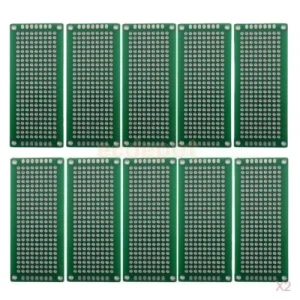
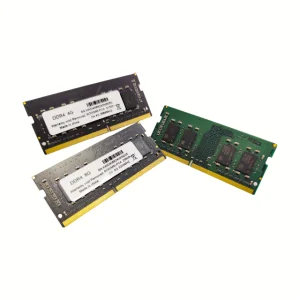
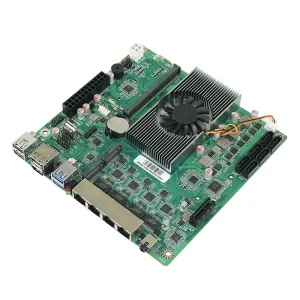
Understanding high-speed material dynamics, HDI configurations, and global supply chain networks for critical hardware deployment.
In the modern electronic manufacturing ecosystem, the pathway from a schematic design to a commercialized hardware product is fraught with signal integrity risks, manufacturing limits, and supply chain constraints. High-frequency digital applications, such as AI processing matrices, advanced computing server nodes, and memory interfaces like DDR4 and DDR5, demand an integrated prototyping approach. Hardware developers can no longer treat PCB fabrication, substrate layout, and memory chip mounting as independent, isolated processes. To minimize noise and prevent impedance mismatch, they must coordinate all three variables from the very first prototype design.
Advanced high-frequency layouts demand substrates with a high glass transition temperature (Tg) and controlled dielectric properties (Dk/Df). For example, utilizing premium materials like the KB6160 FR4 formulation ensures thermal stability during multi-stage reflow processes. When designing 4-layer to 16-layer stack-ups, precise trace width matching is critical to manage the impedance of high-speed memory buses running up to 6000MHz.
Utilizing microvias, blind and buried vias, and high-performance base copper thickness, modern HDI boards support compact layouts for next-generation portable devices, advanced server blades, and complex IoT modules.
Proper stack-up layout keeps trace impedance within ±10% tolerances. This configuration is essential for high-frequency signal lines, such as differential pairs and the memory channels on high-speed computer motherboards.
Top-tier suppliers build, populate, and test your prototype assemblies in-house. Integrating PCB manufacturing with active component sourcing reduces both the time-to-market and compatibility risks.
Established in 2017, Celtrix Memory Technologies Co., Ltd. stands as a professional DDR5 and high-speed memory manufacturer, dedicated to delivering premium DRAM solutions and complex PCBA hardware for global customers. Leveraging 9 years of deep industry expertise and 7 years of active export operations, we provide comprehensive manufacturing support for consumer, industrial, enterprise, and embedded system applications.
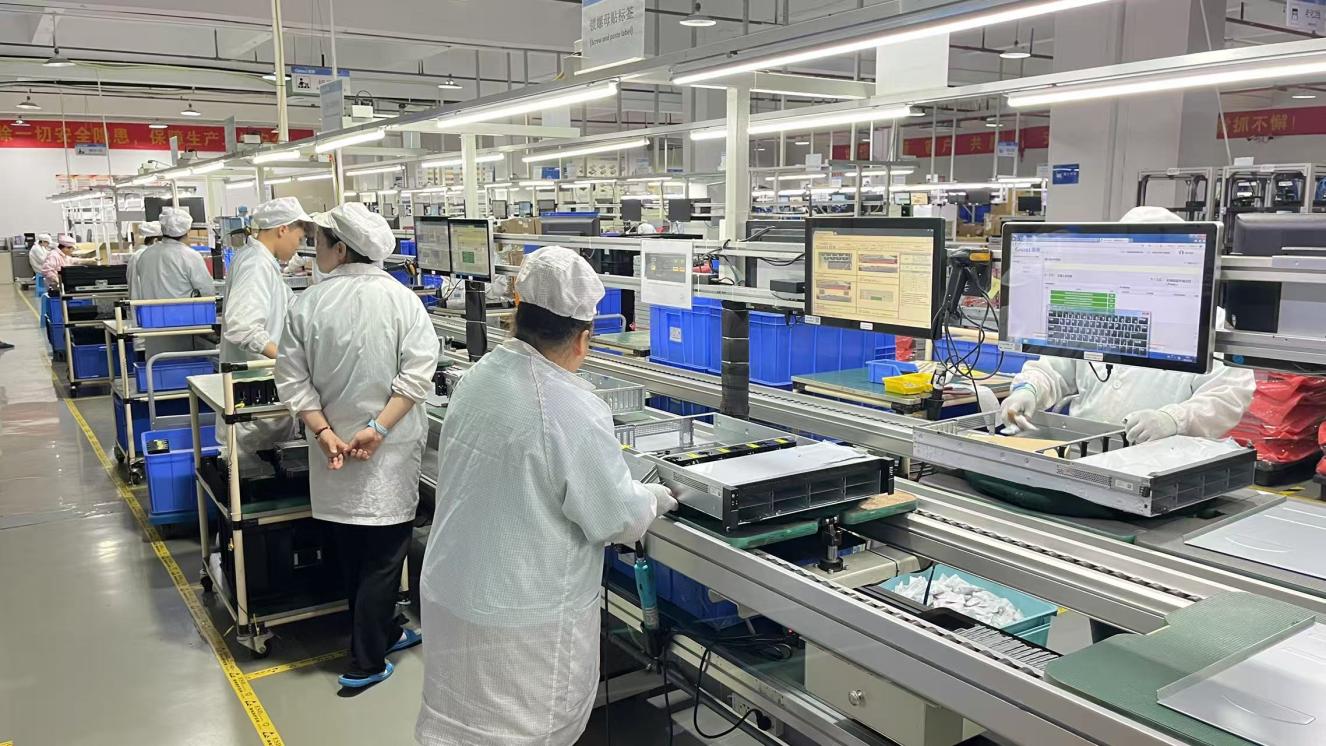
Our modern manufacturing facility covers an expansive 28,600 m². We integrate state-of-the-art automated assembly lines, high-precision Surface Mount Technology (SMT) machines, and strict quality control processes. This infrastructure allows us to build reliable, high-speed circuit designs that meet the evolving demands of artificial intelligence computing, server architectures, and industrial automation.
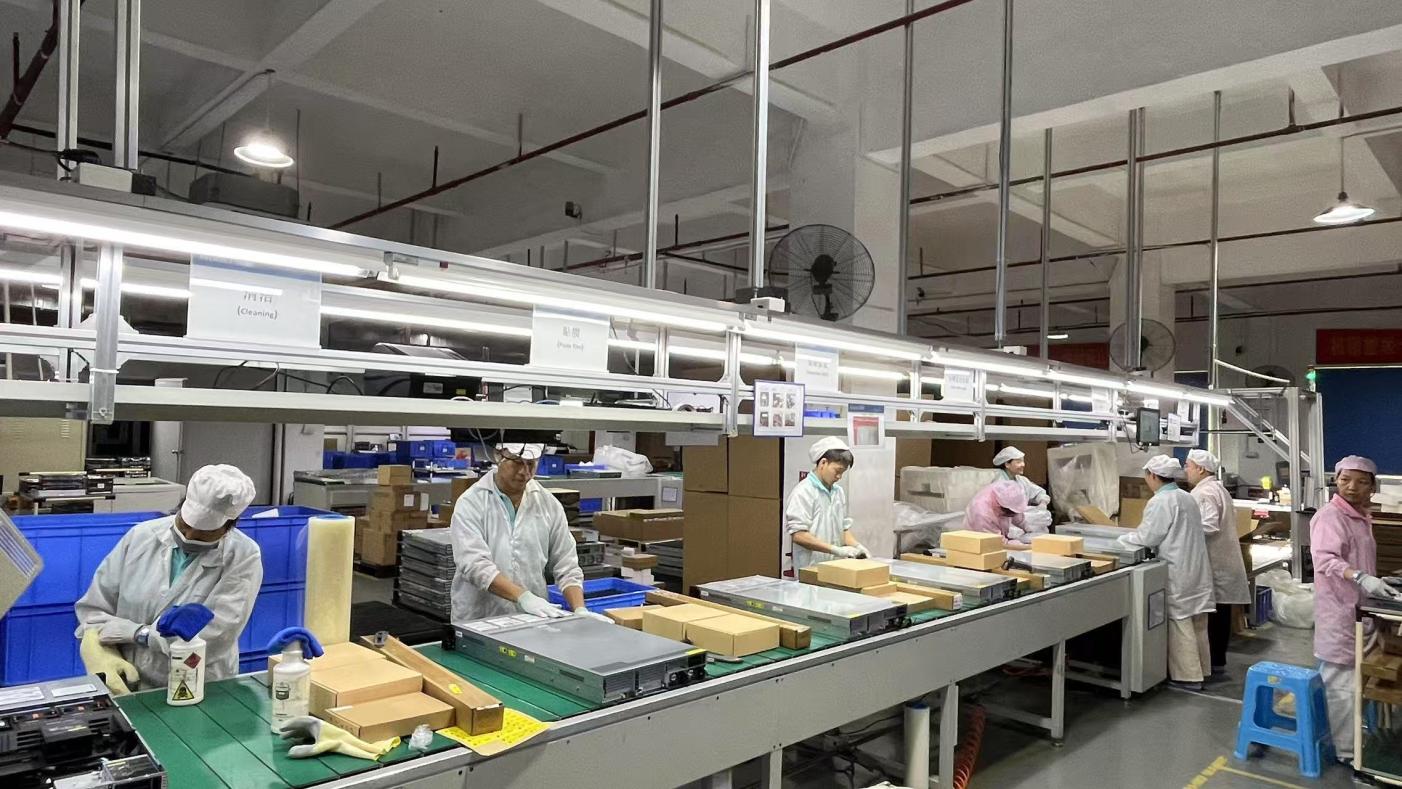
Guaranteeing component integrity, mechanical reliability, and international standard certification.
Every production run of PCBs, motherboards, and DDR5/DDR4 memory modules undergoes strict inspections. By adhering to the ISO 9001 Quality Management System, we monitor each stage of fabrication to deliver high-quality, defect-free hardware to our global partners.
We execute multi-stage testing, including Incoming Material Inspection (IQC), In-Process Quality Control (IPQC), Automated Optical Inspection (AOI), X-ray thickness verification, and Final Quality Control (FQC) to eliminate manufacturing anomalies.
All finished modules are subjected to systematic functional verification. Memory modules and server motherboards undergo stress testing, thermal burn-in, aging tests, and real-platform compatibility verification across various chipsets.
Our manufacturing lines operate under standard eco-friendly practices. We ensure full compliance with RoHS, CE, FCC, and REACH directives, delivering environmentally sustainable electronics for global distribution.
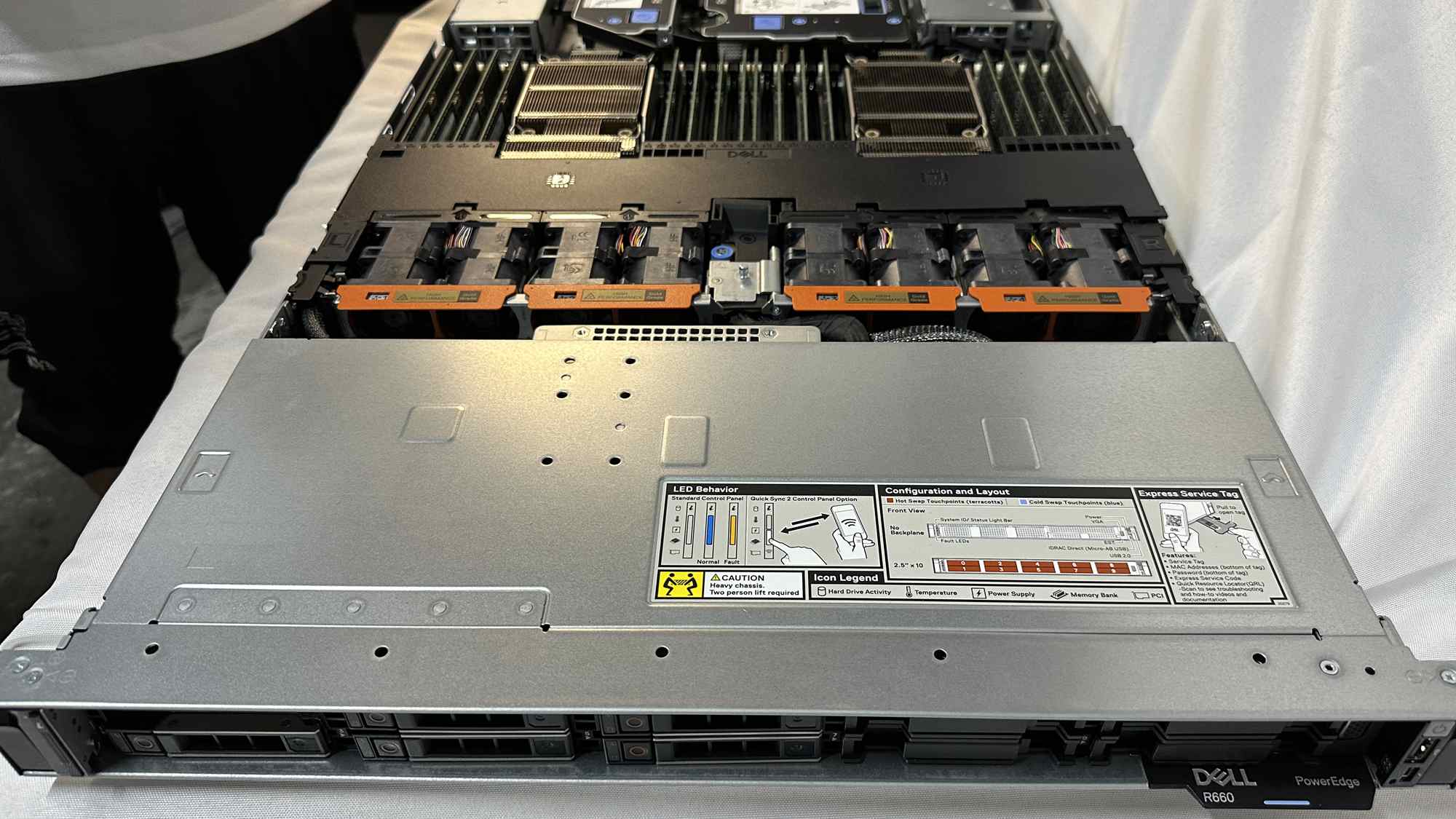
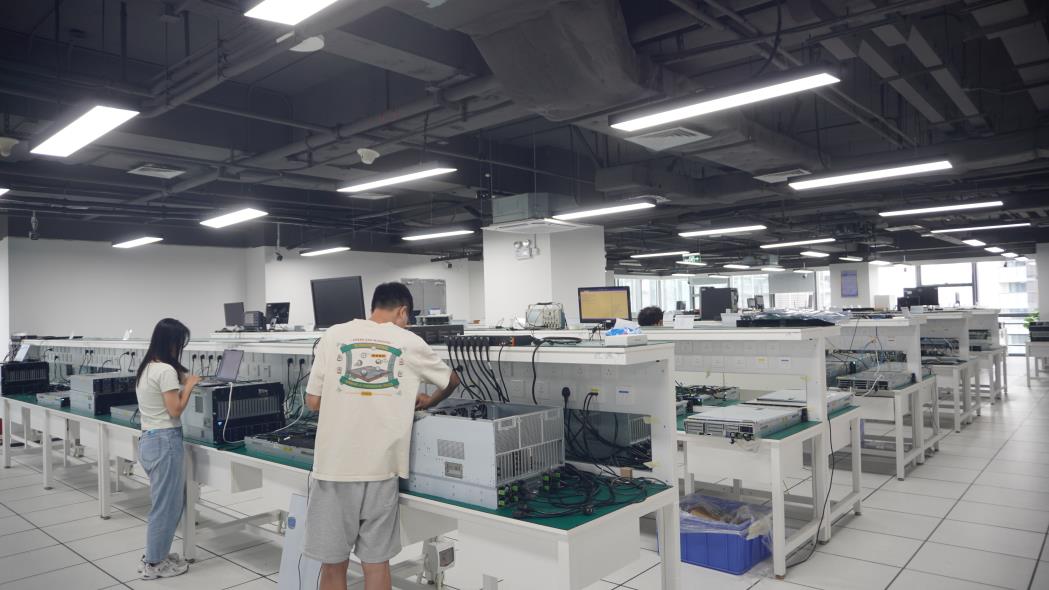
China remains the undisputed leader in fast-turn PCB fabrication and turnkey component assembly. The dense integration of base material manufacturers, chip distributors, and high-speed packaging plants allows us to drastically compress standard prototyping timelines.
For systems that require high-speed integration, such as motherboards and server-grade memory modules, sourcing components from a single region reduces supply-chain friction. China's logistics networks, coupled with nearby raw material suppliers, allow us to ship custom-engineered 4-layer FR4 boards and fully loaded DDR4/DDR5 modules within short turnaround windows.
Additionally, our factory's close proximity to major logistics hubs in Shenzhen, Guangzhou, and Hong Kong ensures fast delivery to key industrial regions worldwide, including North America, Europe, Southeast Asia, and South America.
Evaluating high-frequency layout needs, HDI design practices, and emerging hardware architectures.
As computational demands rise, system architectures are transitioning to DDR5, which operates at speeds up to 6000MHz. Managing these high data rates requires PCBs with precise signal path shielding and strict impedance matching.
High-performance computing systems generate significant heat. Modern PCB designs mitigate this thermal load by using thick copper cores, thermal vias, and composite aluminum-copper base plates to protect active server motherboards.
Procurement teams are shifting away from separate fabrication steps. Sourcing complete assemblies from an integrated partner reduces component lead times, simplifies quality tracking, and minimizes assembly compatibility errors.
AI processing relies on high-bandwidth, low-latency data transmission. Achieving these speeds requires PCBs engineered with low-loss dielectrics, alongside DDR5 modules that feature on-die Error Correction Code (ECC) and PMIC power management. This combined design ensures reliable performance under continuous heavy computing workloads.
How different sectors utilize prototyping services to develop, test, and deploy hardware products.
Enterprise data centers use prototype motherboards with high-speed memory slots to test custom firmware and evaluate thermal performance before committing to large-scale hardware rollouts.
Modern vehicles require high-reliability PCBs for driver assistance systems and engine control. Prototyping allows engineers to put multilayer FR4 boards through thermal cycle and vibration testing to ensure long-term durability.
Industrial machinery operates in harsh, electromagnetically noisy environments. Custom PCBs with integrated shielding and industrial-grade RAM help prevent signal corruption and ensure continuous, reliable operation.
Technical answers to key layout, sourcing, and assembly questions from engineering and procurement teams.
High-speed memory buses like DDR4 and DDR5 carry signals with fast edge rates, making them susceptible to transmission losses and noise. Using high-performance materials, such as KB6160 FR4, ensures a stable dielectric constant (Dk) and low dissipation factor (Df). This helps maintain signal integrity, limits impedance drift, and reduces high-frequency attenuation across the board.
A 4-layer stack-up provides dedicated internal ground and power planes. This configuration shields signal traces on the outer layers, which reduces crosstalk and electromagnetic interference (EMI). It also allows engineers to design controlled-impedance trace paths, which are required for high-speed components like server processors and storage controllers.
We use a combination of automated and functional tests to ensure reliability. This includes AOI inspection to check component alignment, real-time X-ray verification for internal solder joins, functional memory testing on system motherboards, and environmental burn-in to verify that modules perform reliably under thermal stress.
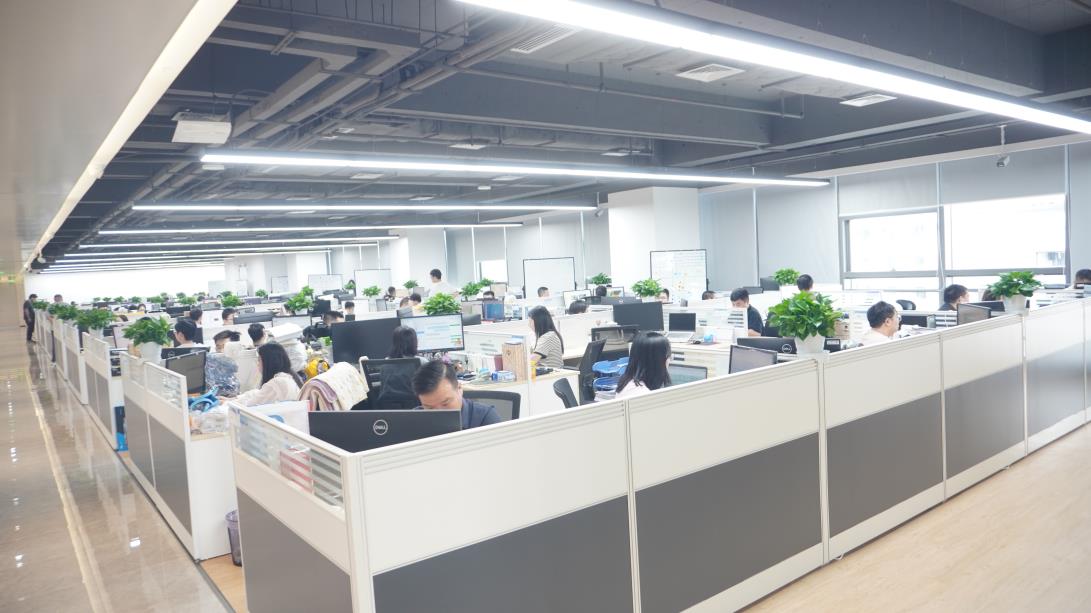
Yes. Our OEM/ODM customization services include modified memory profiles (SPD customization), custom PCB layouts, specialized heat spreaders, branding and label design, and customized packaging options. We support these services with a dedicated team of 142 R&D engineers to ensure designs meet your specific system requirements.
Procuring fully assembled boards (PCBA) from China simplifies logistics by consolidating PCB fabrication, component sourcing, and assembly under one vendor. This reduces shipping fees, minimizes delays from coordinate multiple suppliers, and leverages localized bulk component pricing. By carrying out all production stages in one region, manufacturers can resolve assembly issues quickly and keep production lines moving efficiently.
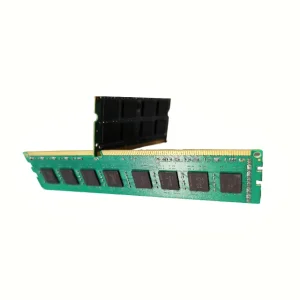
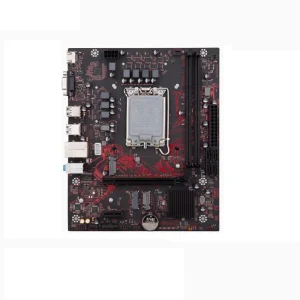
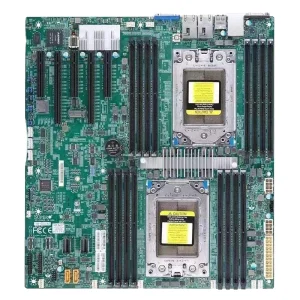
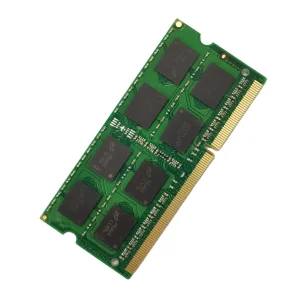
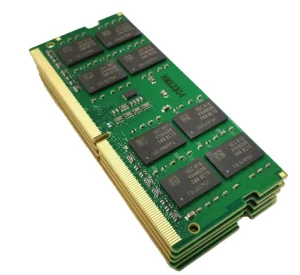
Procure premium notebook RAM modules, multicore server motherboards, and high-performance server memory stick configurations.
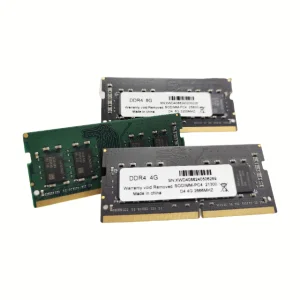
 Celtrix Memory