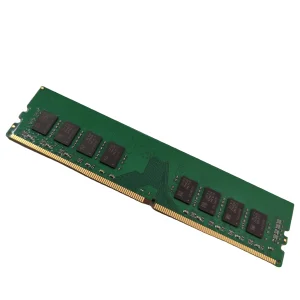
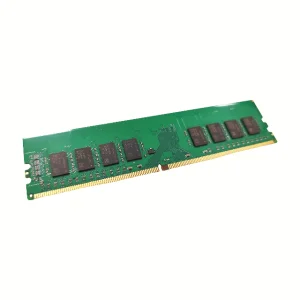
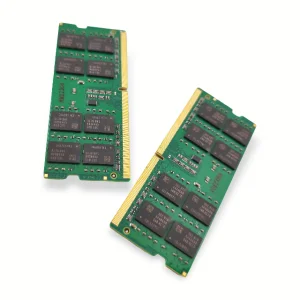
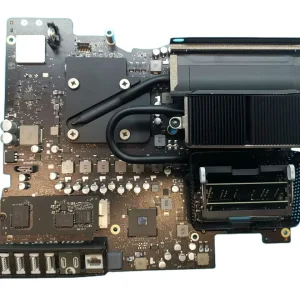
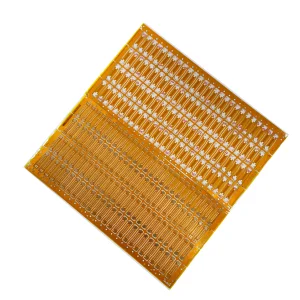
Industrial-grade memory modules, processing units, and high-frequency hardware powering modern enterprise and smart device infrastructures.
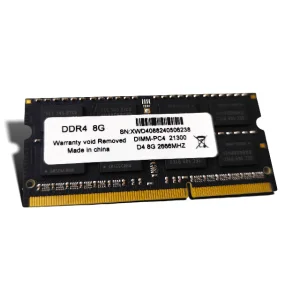
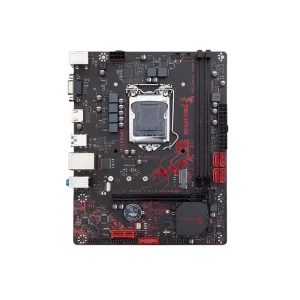
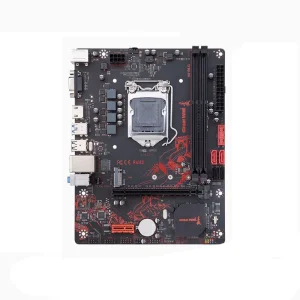
How Micro-PCBA, Advanced Flexible Printed Circuits (FPC), and Enterprise-Grade DRAM Define the Next Generation of Smart IoT Architecture.
The global wearable technology ecosystem is undergoing an unprecedented architectural transformation. As artificial intelligence moves from cloud servers directly to the edge, consumer devices, medical biosensors, and enterprise smart systems require exceptional computational capabilities within highly restricted spatial volume. At the absolute core of this transformation are three foundational pillars: ultra-dense multi-layer Printed Circuit Board Assemblies (PCBAs), high-durability Flexible Printed Circuits (FPCs), and high-frequency, low-latency memory modules.
Celtrix Memory Technologies Co., Ltd. stands at the intersection of these engineering domains. By deploying cutting-edge SMT (Surface Mount Technology) processes and rigid-flex board integration, we empower OEM/ODM brands worldwide to construct thinner, lighter, and more durable wearable hardware. This white paper details the manufacturing protocols, technical roadmaps, and micro-electronic strategies crucial for hardware procurement directors and development leads navigating the competitive smart devices market.
"For modern wearable devices, power budget and board surface area are the primary bottlenecks. Miniaturization cannot occur without high-precision manufacturing systems capable of assembling component sizes down to 01005 (0.4 mm x 0.2 mm) and multi-layered flexible substrates."
Established in 2017, Celtrix Memory Technologies Co., Ltd. has positioned itself as an industry-leading manufacturer and exporter of advanced memory architectures, custom PCBAs, and flexible electronics solutions. Driven by continuous R&D and strict quality guidelines, the company has expanded its manufacturing footprint to a modern facility covering 28,600 m².
With over 9 years of industry experience and 7 years of direct export operations, Celtrix delivers advanced hardware to markets across North America, Europe, Southeast Asia, South America, the Middle East, and Oceania. Our customer base spans system integrators, premium consumer electronics brands, medical hardware firms, and industrial supply wholesalers. Backed by an annual export revenue exceeding USD 23 million, we support over 1,180 active global partners with highly responsive technical support and reliable supply chains.
Engineering strategies driving the evolution of consumer wearables, medical diagnostics, and industrial IoT devices.
Next-generation smart rings and AR/VR headsets require complex 3D routing. Rigid-flex circuitry enables the elimination of traditional connectors, significantly reducing space requirements and signal attenuation while increasing physical resistance to drops and continuous bending.
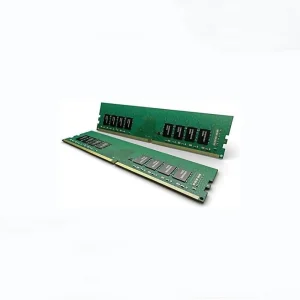
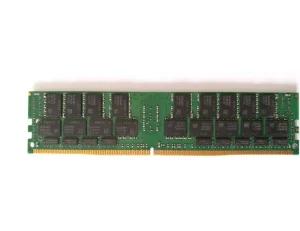
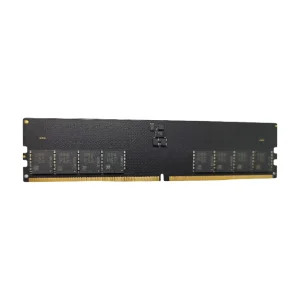
Moving computing to the edge demands LPDDR5 and low-leakage embedded RAM modules. By developing ultra-thin semiconductor packaging and specialized firmware profiles, Celtrix DRAM modules minimize parasitic power consumption, extending battery runtimes for critical medical wearables.
Integrating processors, sensors, and flash memory into a single silicon packaging is the future of microminiaturized wearables. Our high-layer PCBA process achieves trace layouts of 3mil width and spacing, allowing ultra-dense component placement for premium smart bands.
In addition to spatial efficiency, the integration of new materials like liquid crystal polymer (LCP) and polyimide (PI) substrates is crucial. These substrates are specifically selected to handle high-frequency wireless communications, including Bluetooth 5.3, Wi-Fi 6E, and sub-6GHz 5G networks, ensuring minimal dielectric loss and stable connectivity.
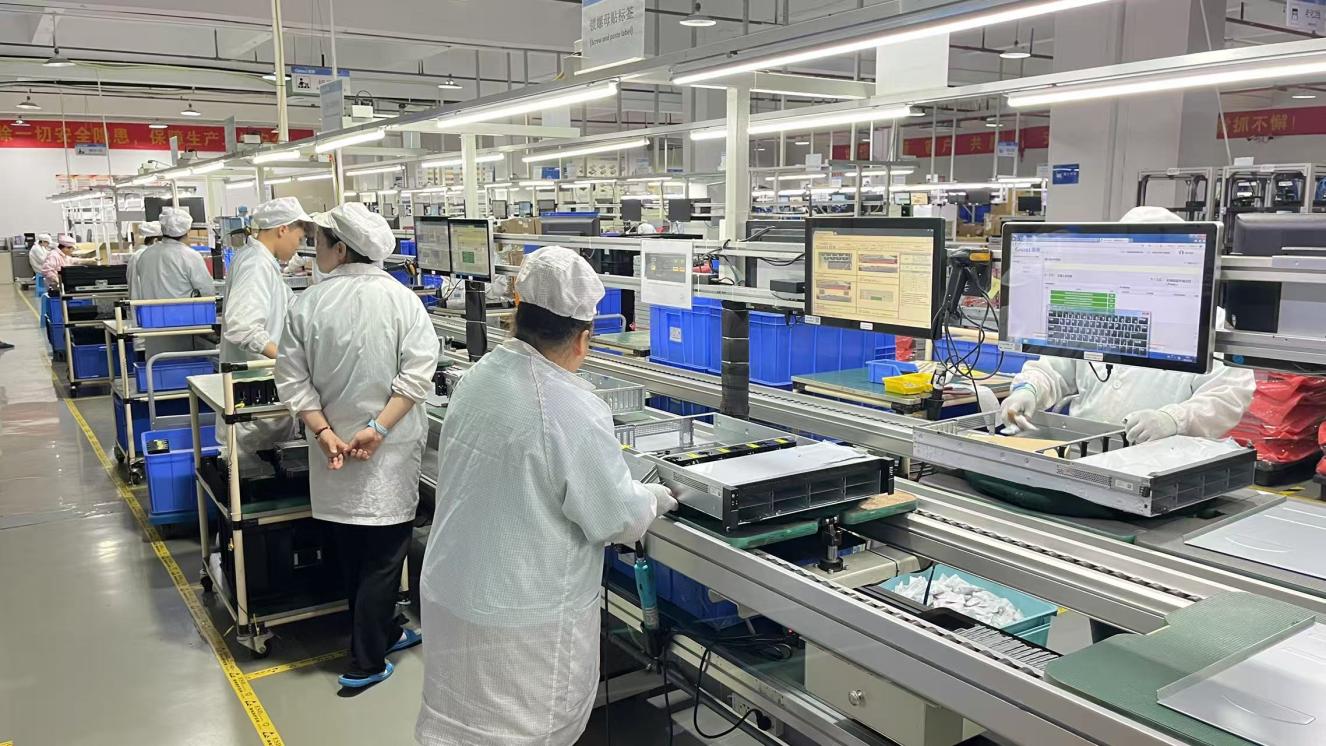
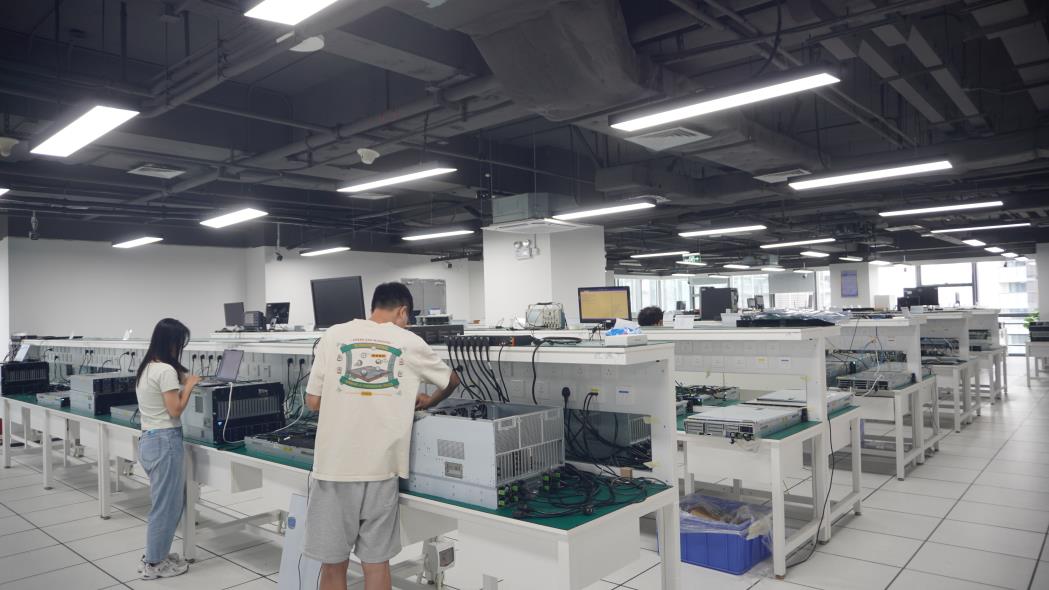
A closer look inside the Celtrix production floor where automation meets zero-defect quality systems.
We work with trusted tier-1 silicon and PCB substrate suppliers to maintain strict control over material quality and ensure reliable production schedules.
Advanced high-speed Yamaha and Fuji placement lines mount components down to 01005 chips on rigid, flex, and rigid-flex circuit boards.
Every board goes through Automated Optical Inspection (AOI) followed by full X-Ray analysis to verify BGA solder joint integrity.
Assembled hardware is subjected to thermal cycling, vibration, humidity, and drop tests to simulate demanding everyday usage scenarios.
Operating a 28,600 m² factory in China's advanced electronics hub gives us a distinct advantage. We have direct access to a comprehensive supply network for passive components, specialty plastics, and precision metals. This localized ecosystem allows Celtrix to reduce manufacturing lead times by up to 35% compared to manufacturers outside the region.
Furthermore, our SMT lines are optimized to shift rapidly between high-volume consumer orders and high-mix, low-volume (HMLV) specialized industrial requests, ensuring that both startups and established multinationals receive efficient service and consistent quality.
Tailoring hardware configurations to meet the unique operational demands of diverse global industries.
Continuous patient monitors demand reliable biosensor data capture and strict electrical isolation. Our medical-grade PCBAs and flexible circuits are designed for continuous bio-impedance measurement, PPG optical sensing, and skin temperature monitoring.
Smart helmets, gas-detection wristbands, and motion-tracking harnesses operate in challenging, dust-filled, and hazardous environments. We specialize in designing and assembling ruggedized hardware that withstands extreme mechanical stress and thermal variance.
Navigating international regulatory frameworks to ensure smooth market entry and consistent operational quality.
Entering international consumer or medical device markets requires navigating strict regional certifications. Celtrix operates in full compliance with the ISO 9001:2015 Quality Management System, supported by a specialized team of 56 quality control professionals.
To ensure global compatibility, all raw materials, substrates, and solder alloys used in our facility comply with the RoHS Directive (2011/65/EU) and the REACH Regulation. For wireless communication devices, our engineering team works closely with partners during the prototype stage to layout RF shielding zones, antennas, and ground planes, simplifying subsequent FCC (United States) and CE (Europe) certification testing.
"Quality control is integrated into every step of our process. With 56 QC professionals monitoring operations from incoming materials (IQC) to final inspection (FQC), we keep field defect rates below 0.05%."
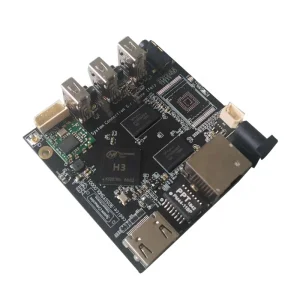
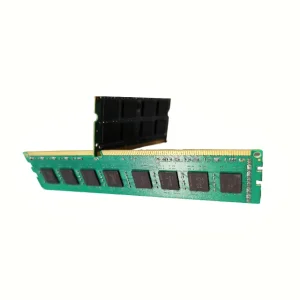
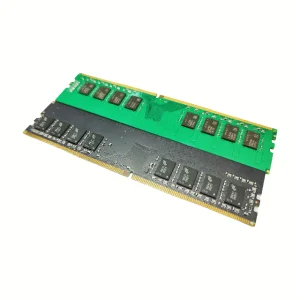
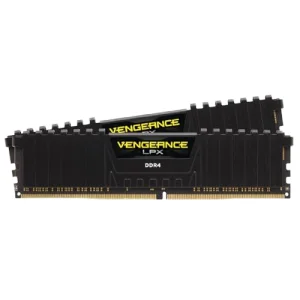
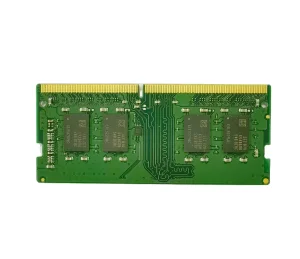
Explore our main product offerings, featuring high-speed DDR modules and custom-fabricated flexible circuits for smart device integration.
A structured approach to selecting and evaluating smart hardware partners in China.
Evaluating hardware manufacturing partners requires a thorough review of technical capabilities, quality control processes, and supply chain management. The following criteria serve as a roadmap for procurement directors to structure their vendor assessment framework:
By establishing clear technical requirements and testing protocols early in the procurement phase, OEMs can minimize design revisions, reduce manufacturing waste, and accelerate their product launch timelines.



Answers to technical, regulatory, and logistics questions from our global procurement partners.
 Celtrix Memory