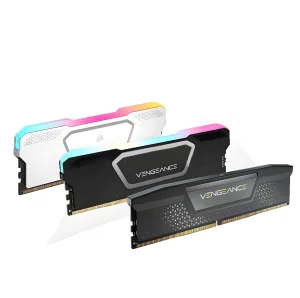
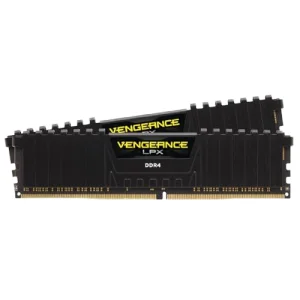
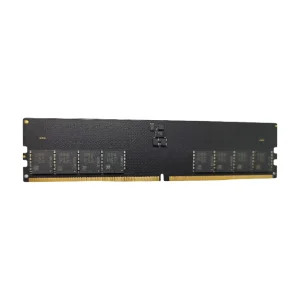
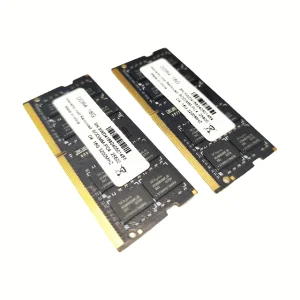
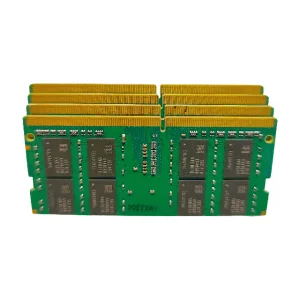
Industrial control assemblies and enterprise systems supporting IoT-enabled sanitization grids and processing lines.
In deep ultraviolet biosecurity, efficacy is determined by wavelength precision. The germicidal efficacy curve peaks between 260nm and 285nm, mapping directly to the nucleic acid absorption band of critical biological contaminants. Within this spectrum, 270nm to 280nm UVC radiation triggers photolytic reactions that dimerize thymine/uracil bases in DNA and RNA. This molecular disruption permanently arrests cellular transcription and replication capabilities.
Compared to traditional 254nm low-pressure mercury lamps, 270nm-280nm solid-state semiconductor emissions deliver superior absorption rates by target enzymes and standard microbial outer membranes. This wavelength range is highly effective against chlorine-resistant cyst pathogens such as Cryptosporidium and Giardia, which frequently challenge regional New Zealand water catchments.
Our 3535 ceramic packaging provides robust physical performance. Solid-state architectures offer instant on/off cycles without warm-up delays, lack toxic mercury content, and resist mechanical damage in demanding dairy processing facilities.
New Zealand maintains a strict regulatory environment for biological safety. Under the oversight of Taumata Arowai (the water services regulator) and the guidelines of the Water Services Act, regional councils, municipal drinking networks, and agricultural operators must deploy verified, multi-barrier filtration and sterilization solutions.
The agricultural sector requires targeted disinfection solutions:
Transitioning to 3535 UVC LED modules allows system integrators in Auckland, Wellington, and Christchurch to build compact, low-maintenance sterilization chambers. These assemblies run on 12V/24V DC systems, making them suitable for off-grid, solar-powered environmental monitoring platforms.
Detailed breakdown of key optical and physical parameters across the germicidal UVC spectrum.
| Wavelength & Format | Optical Output Power (mW) | Wall-Plug Efficiency (WPE) | Target Pathogens (99.9% Kill) | Typical Lifetime (L70) | Primary NZ Application |
|---|---|---|---|---|---|
| 270nm - 272nm 3535 LED | 80 - 120 mW @ 500mA | 3.8% - 4.5% | E. coli, Campylobacter jejuni | > 20,000 Hours | Agricultural borehole disinfection & dairy line flush |
| 275nm - 278nm 3535 LED | 100 - 150 mW @ 600mA | 4.2% - 5.0% | Giardia lamblia, Cryptosporidium | > 25,000 Hours | Municipal municipal bypass flow & rainwater tanks |
| 280nm 3535 LED | 120 - 180 mW @ 700mA | 4.5% - 5.5% | Legionella pneumophila, Mold spores | > 30,000 Hours | Commercial HVAC duct sanitization & cold storage air safety |
While UVC LEDs offer significant advantages, they convert approximately 95% of applied electrical energy into heat within the semiconductor junction rather than optical radiation. Without effective thermal management, elevated junction temperatures accelerate optical degradation, shift spectral output toward longer wavelengths, and reduce total operating lifespan.
The 3.5mm x 3.5mm (3535) ceramic package is designed to address this thermal challenge. Featuring an integrated aluminum nitride (AlN) ceramic substrate with a low thermal resistance coefficient, it quickly transfers heat away from the sensitive quantum wells to the system heatsink.
Equipped with quartz glass dome lenses to ensure UV transmittance above 90%, these compact packages allow designers to pack multiple diodes onto high-conductivity copper PCBs (MCPCBs). This design achieves the radiant flux density required for high-flow liquid sterilization systems.
Leveraging advanced semiconductor expertise, precision assembly infrastructure, and ISO-certified manufacturing facilities.
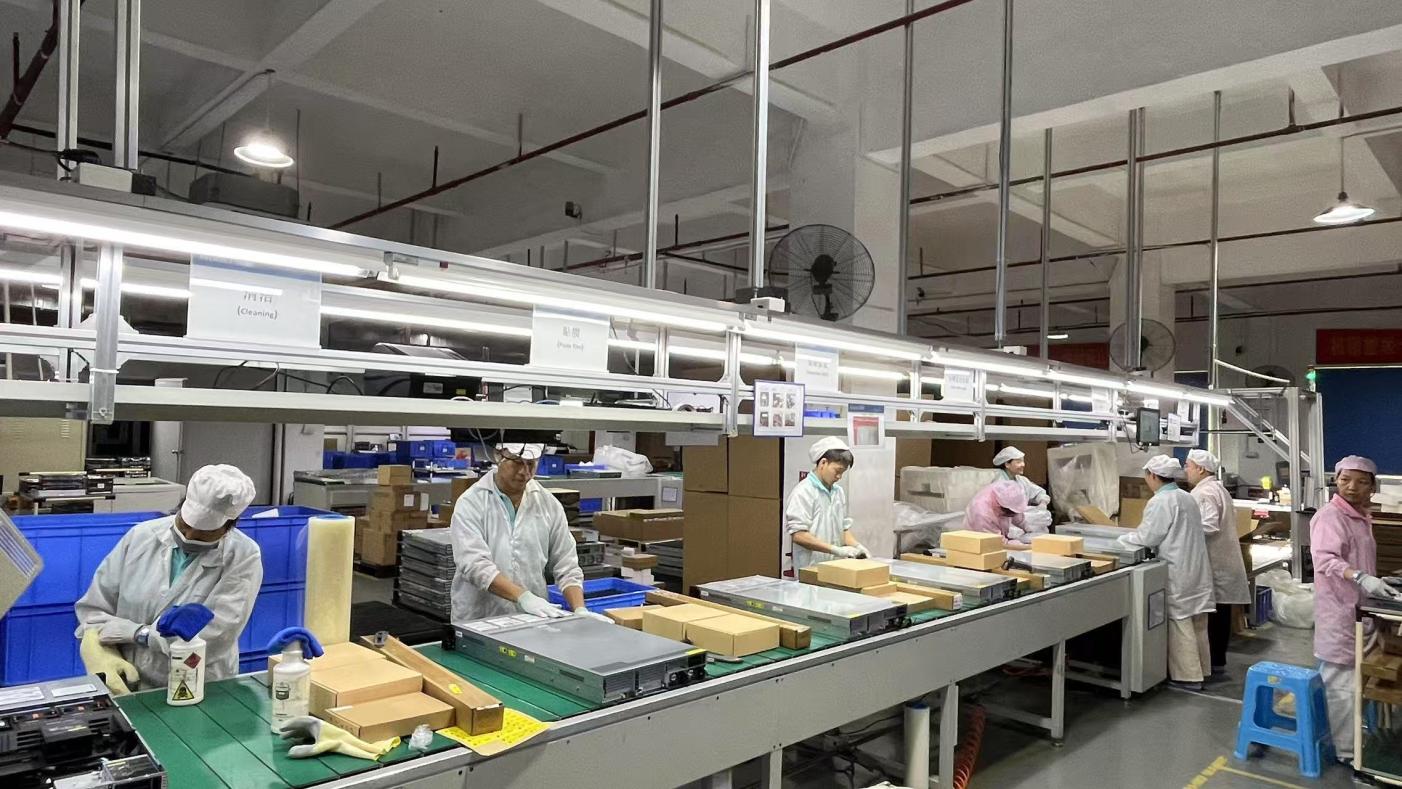
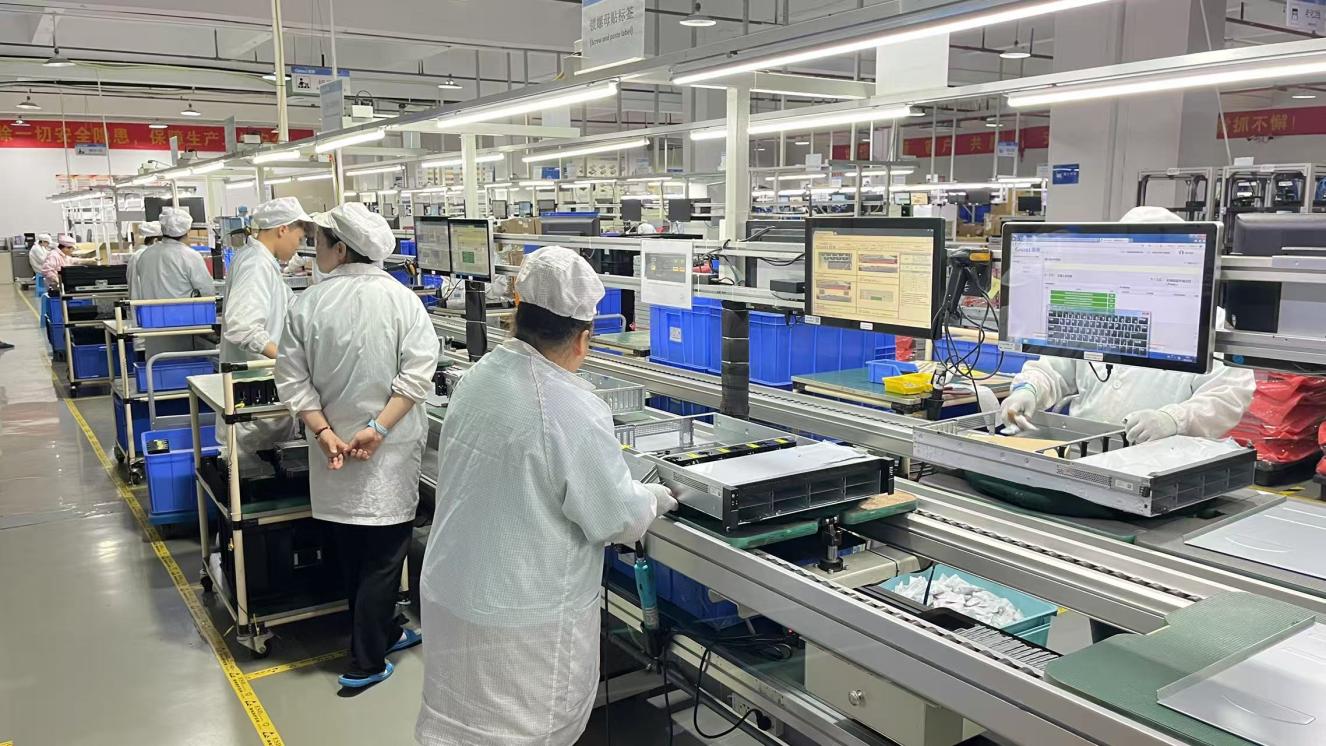
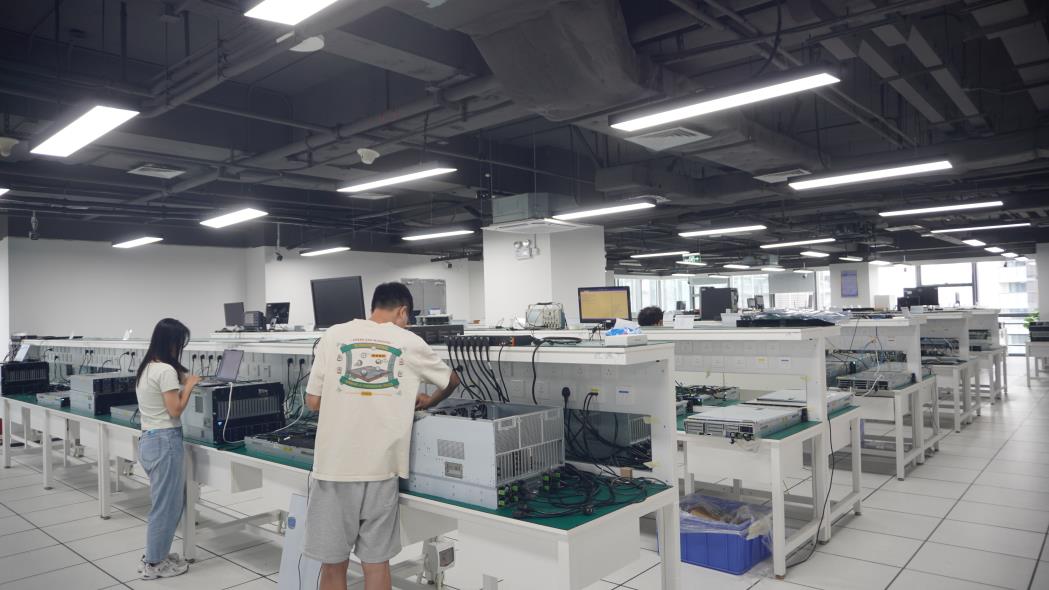
Our manufacturing facility integrates advanced automated cleanrooms, high-precision surface mount lines, and environmental testing chambers to ensure manufacturing consistency.
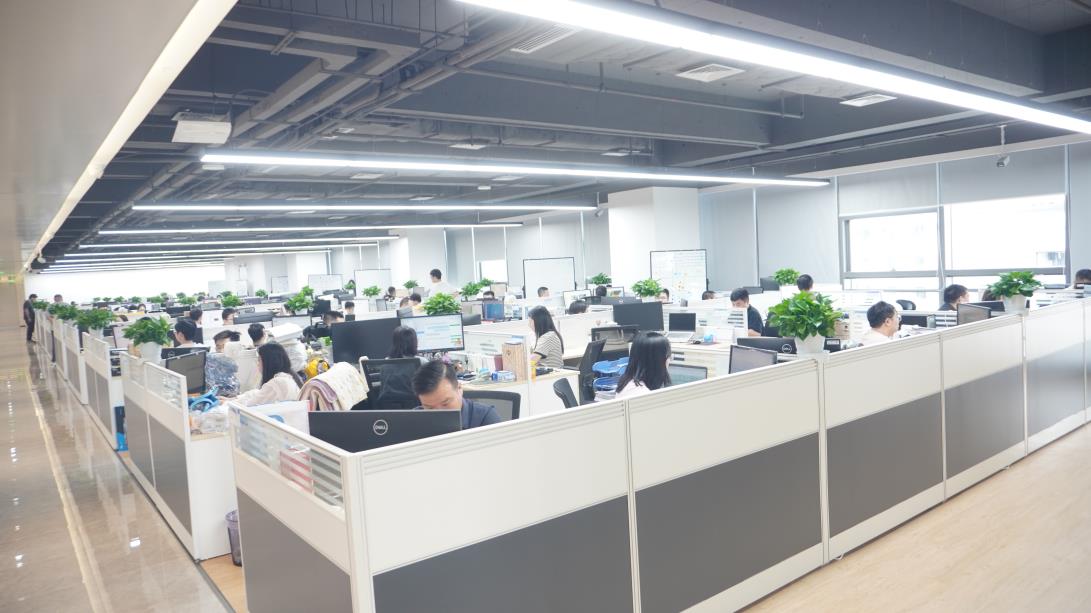
Our engineering team specializes in substrate thermal design, power driver circuitry optimization, and OEM/ODM system design for challenging industrial applications.
Our continuous product development cycle ensures we quickly adapt to evolving international safety regulations and specific component footprints.
Our experience in manufacturing high-density DRAM, complex PCBs, and multi-layer copper-aluminum composite substrates establishes a strong foundation for producing reliable UVC LED systems. The critical components of a UVC sanitization system—such as the controller, power supply, driver board, and LED array—require cleanroom assembly practices and strict ESD protections.
By utilizing the same advanced SMT lines and testing equipment that produce enterprise memory modules and motherboards, we ensure that every UVC module meets high-reliability standards. Our quality assurance framework relies on a multi-stage testing process:
Established
Annual Exports
Industry Experience
QC Professionals
Supply Partners
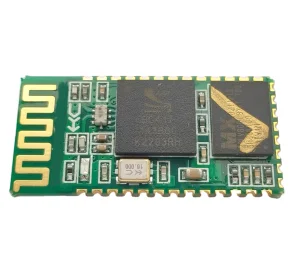
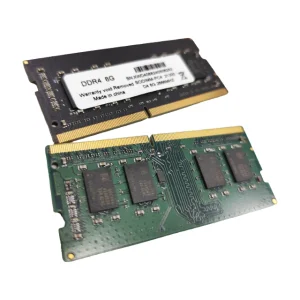
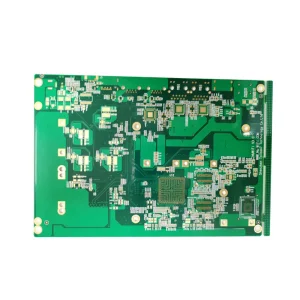
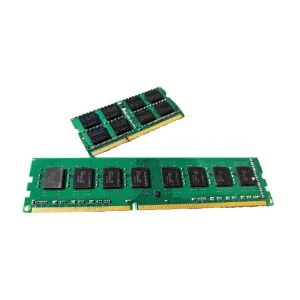
High-reliability memory modules, control PCBs, and custom assemblies designed for processing environments and monitoring systems.

The transition from traditional gas-discharge mercury lamps to solid-state UVC LEDs is accelerating due to regulatory requirements and structural technological changes:
1. Phase-Out of Mercury Devices: Under the Minamata Convention on Mercury, international regulations are tightening on the production and import of mercury-containing devices. Solid-state UVC LEDs offer a mercury-free alternative, aligning with New Zealand's environmental sustainability goals.
2. Integration of Smart Technologies: Modern disinfection systems are shifting away from simple power switches. Today's systems integrate real-time optical sensors, flow-rate compensators, and thermal control circuits. Using high-speed control logic and reliable memory boards, these smart units adjust UVC dose outputs based on water turbidity variations.
3. Wavelength Engineering: Modern semiconductor growth techniques allow manufacturers to adjust AlGaAs/GaN epitaxial structures to target specific germicidal wavelengths. The 270nm-280nm band represents a balanced option, providing high optical power output, long-term stability, and strong germicidal absorption rates.
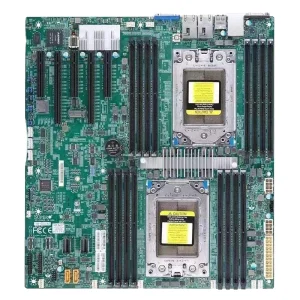
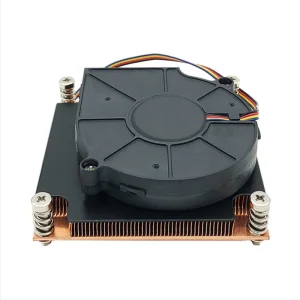
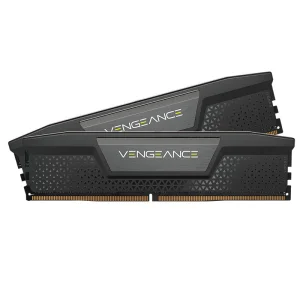
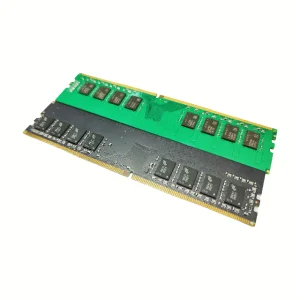
Supplementary hardware solutions and memory components supporting large-scale, high-power UVC processing arrays.
Industrial components deployed in New Zealand must withstand demanding operating conditions. Coastline water treatment systems face exposure to salt spray and high humidity, while dairy processing plants subject equipment to clean-in-place (CIP) hot washdowns and chemical sterilizers.
To ensure reliable performance in these conditions, our 3535 UVC LEDs and associated controller boards are engineered with robust physical protections:
Technical answers to common queries regarding wavelength selection, design considerations, and deployment in Oceania.
Whether you are designing residential drinking water filters or high-capacity agricultural disinfection systems for the New Zealand market, our engineering team can help. Contact us to discuss your custom layout requirements, driver board specifications, or bulk pricing options.
Send Inquiry Now Celtrix Memory