Tailored components built with A-die ICs, rigorously tested for maximum stability in legacy industrial and gaming rigs across Argentina.
Argentina’s technology sector presents a unique macroeconomic dynamic. Driven by the regional expansion of data networks, industrial manufacturing corridors, and complex import tariff systems, the demand for cost-effective, long-life computer hardware is higher than ever. System integrators, government networks, and manufacturing facilities in major centers like Buenos Aires, Córdoba, and Rosario face the pressure of keeping existing machines running efficiently without high capital expenditure.
This is where DDR3 RAM Memory remains highly relevant. While newer standards like DDR4 and DDR5 dominate consumer retail, legacy DDR3 systems represent a substantial portion of Argentina's public sector compute clusters, point-of-sale (POS) systems, medical imaging computers, and industrial control devices. For these setups, replacing entire systems is cost-prohibitive. Extending system lifespan with high-reliability DDR3 modules is the preferred business strategy.
Celtrix Memory Technologies provides a direct supply chain from China, delivering industrial-grade DDR3 and DDR4 solutions to help Argentine businesses bypass supply shortages and high domestic markup rates.
An engineering-level look at DDR3 technology specifications and how we guarantee backwards compatibility.
Standard DDR3 runs at 1.5V, while DDR3L (Low Voltage) operates at 1.35V. Our memory modules are built on dual-voltage architectures, ensuring seamless auto-negotiation and performance across both types of systems without causing stability or heat issues on the motherboard.
To guarantee system stability, we only use original, major-brand DRAM dies (Micron, Samsung, SK Hynix). Every chip batch undergoes laser marking verification and strict die classification, ensuring zero-error performance under high operational loads.
We offer a steady supply roadmap for DDR3 1333MHz, 1600MHz, and 1866MHz modules. Through long-term agreements with global silicon suppliers, we guarantee consistent production runs for the next 7 to 10 years, avoiding sudden product discontinuation.
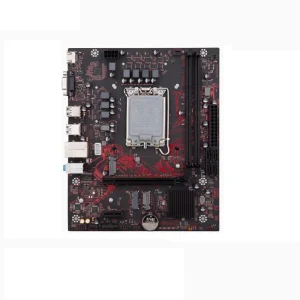
Older systems in Argentina often run on classic Intel G41, H61, B75, or AMD 970 chipsets. Finding modern RAM that works seamlessly with these legacy platforms is a common challenge for system builders. Celtrix designs custom SPD (Serial Presence Detect) programming profiles into each module. This guarantees automatic JEDEC-standard configuration, allowing the memory to plug-and-play without manual BIOS timing and voltage tweaks.
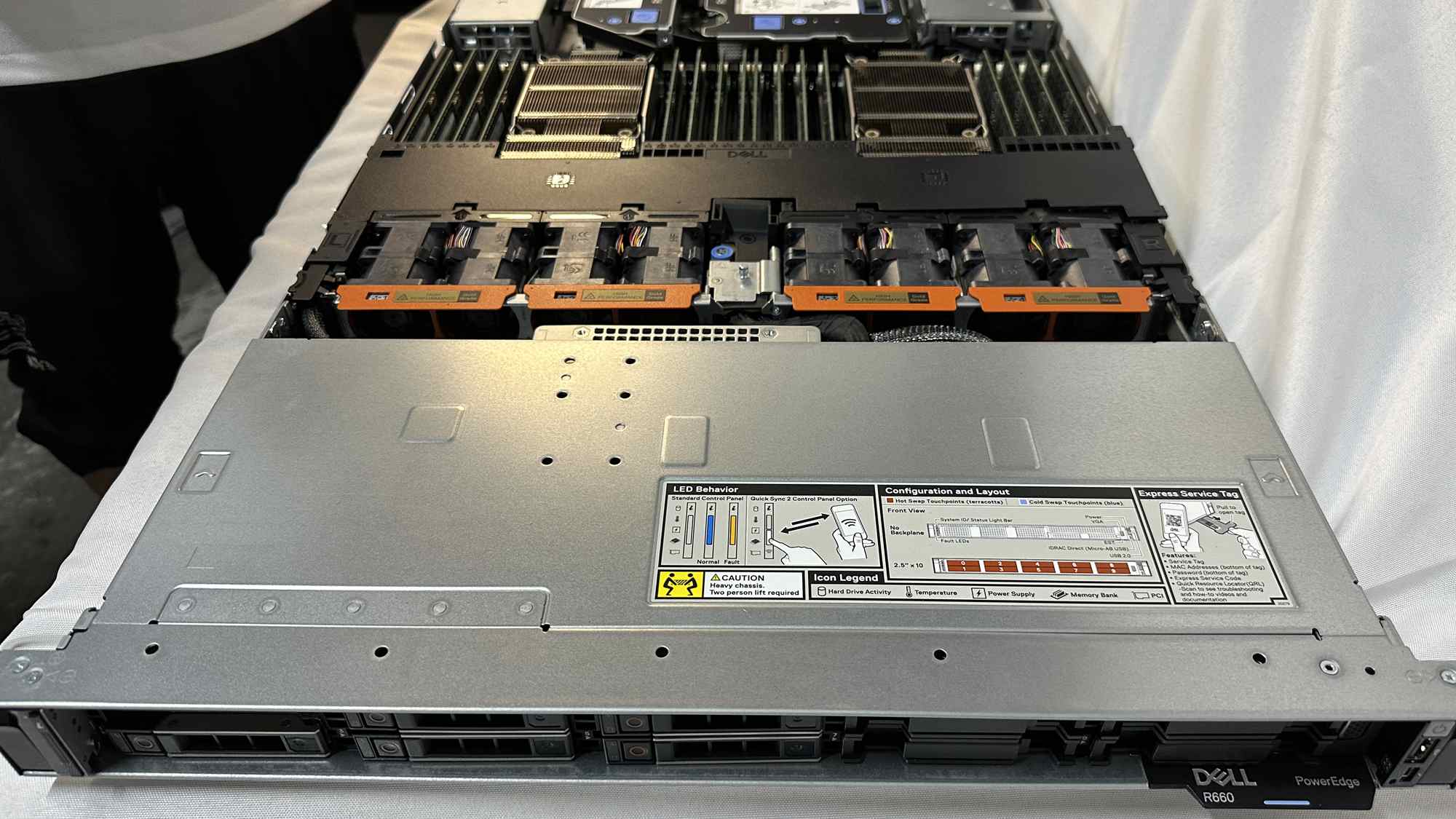
We provide Registered ECC DDR3 (RDIMM) and Unbuffered ECC (UDIMM) for older enterprise rackmount servers, critical for data integrity, error-correcting codes, and thermal management in localized server rooms.
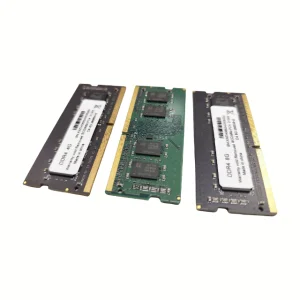
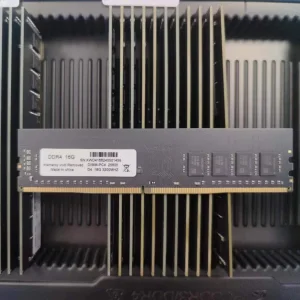
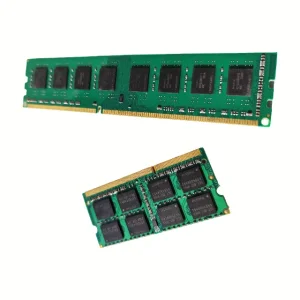
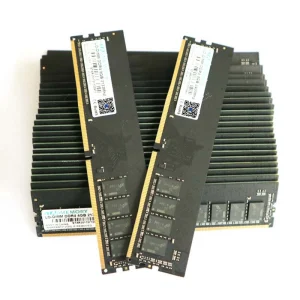
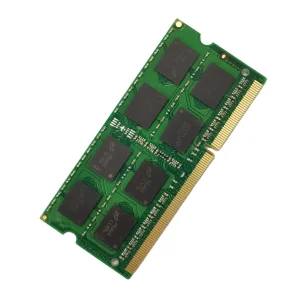
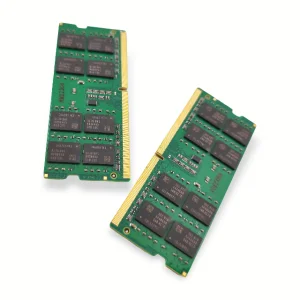
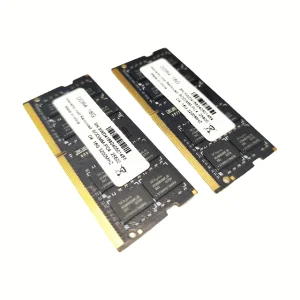
We offer standard UDIMM for desktop towers and SO-DIMM formats for notebooks and POS terminals, featuring 240-pin and 204-pin connections optimized for standard performance cycles.
Providing smooth customs clearing, detailed documentation, and logistics support to help you import electronic components into Argentina easily.
Importing electronics into Argentina requires navigating licensing regulations, such as the SIRA registration system. Working with a supplier who understands the required documentation helps minimize customs delays. Celtrix provides fully compliant trade documentation, including:
We ship from major Chinese export hubs (Shenzhen, Shanghai, and Ningbo) to key Argentine ports (Buenos Aires and Zárate) and Ezeiza Airport (EZE) for express air shipments. Our logistics support includes:
How our advanced manufacturing facility and strict quality testing ensure reliable memory module production.
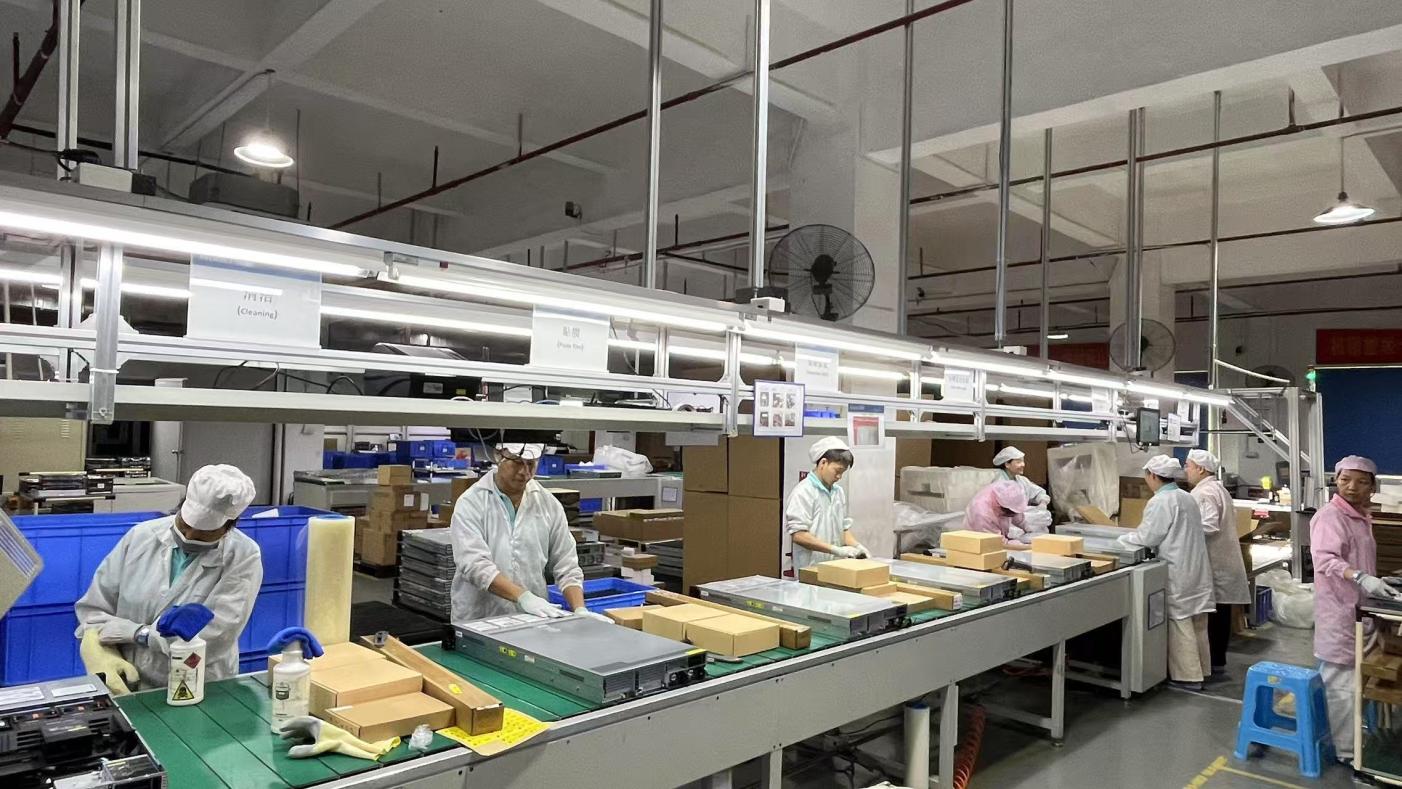
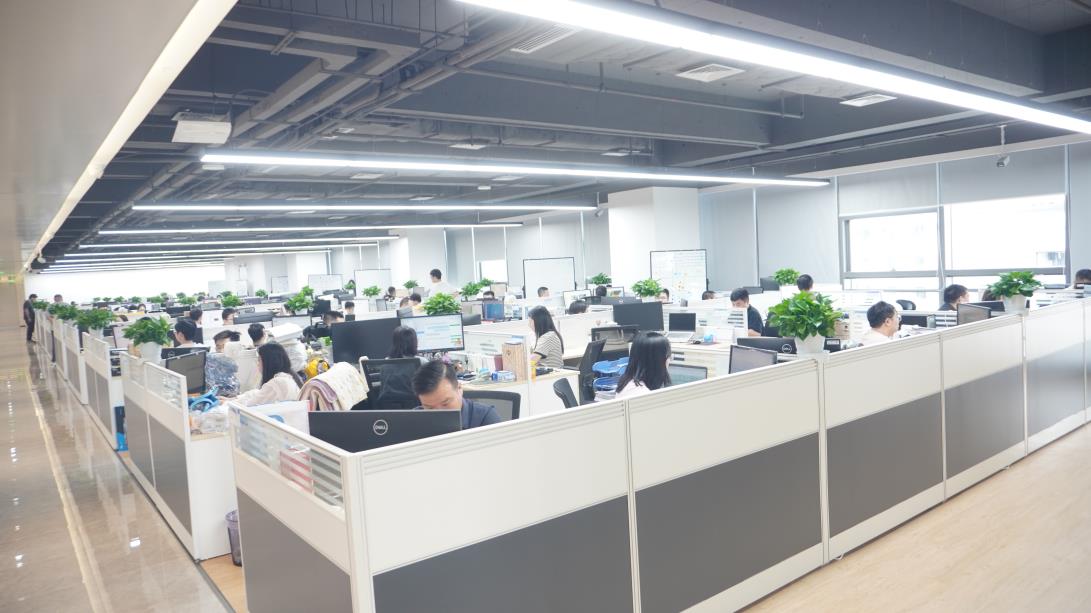
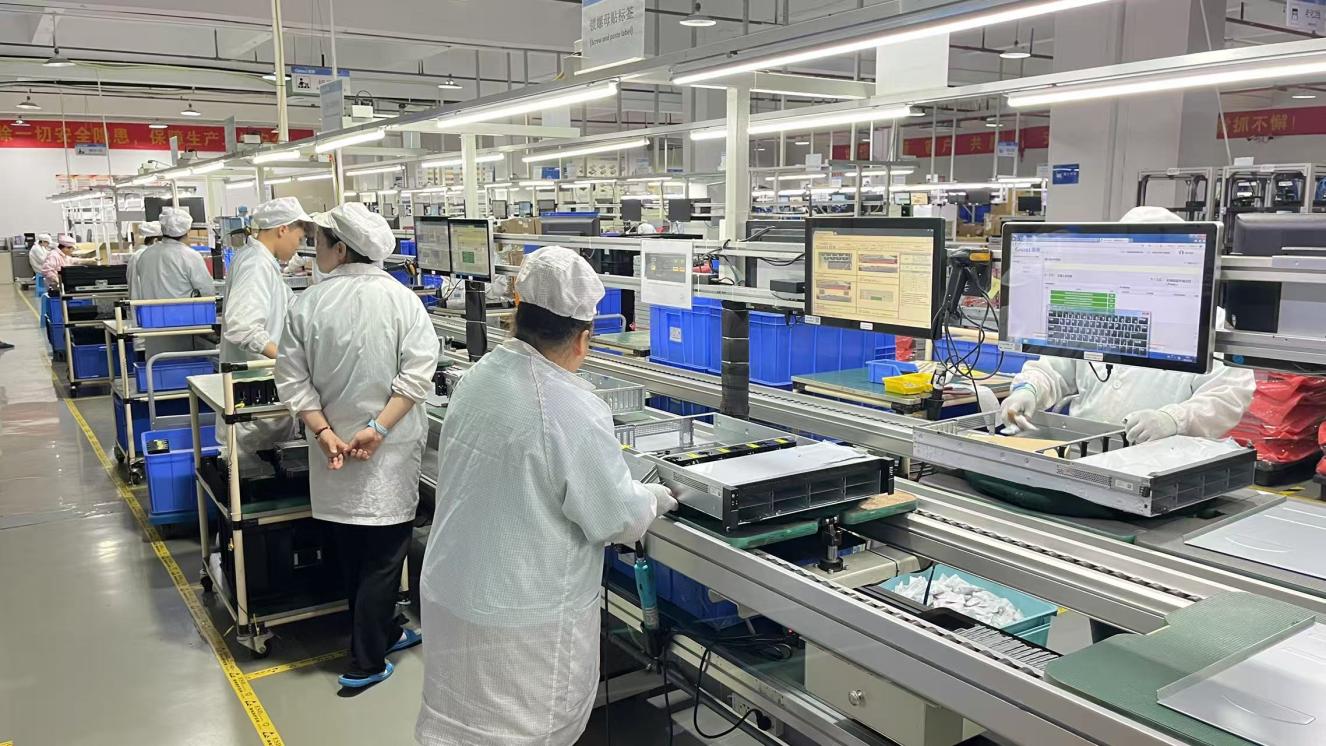
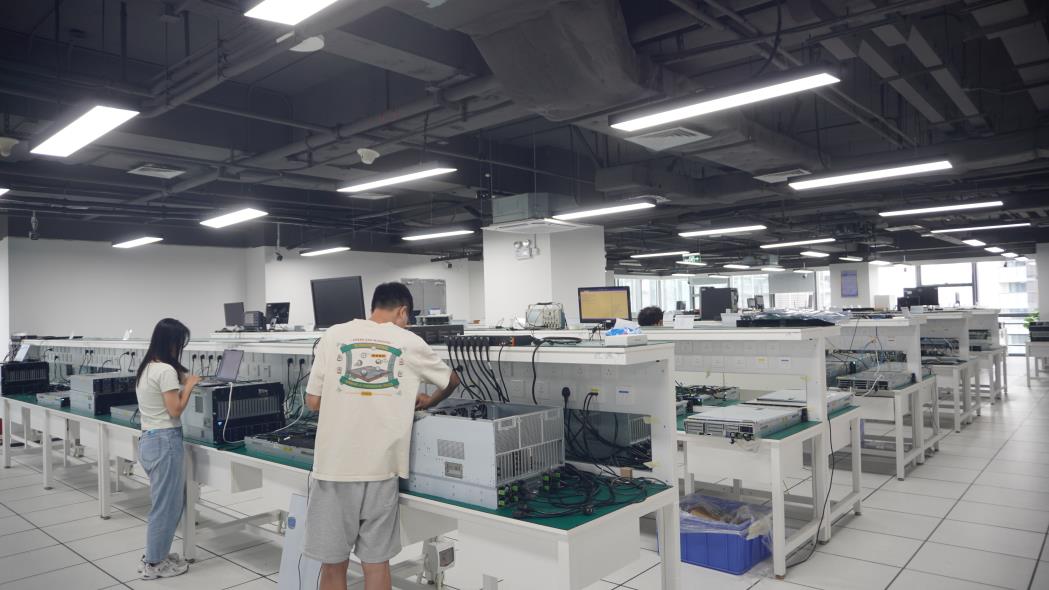
At Celtrix Memory Technologies Co., Ltd., quality is built into every step of our manufacturing. From our 28,600 m² factory, we manage all production stages, including Surface Mount Technology (SMT) assembly, automated testing, programming, packaging, and final quality control. This level of vertical integration allows us to offer consistent quality and competitive pricing for bulk importers in Argentina.
Our production facility features high-speed Siemens SMT lines, automated optical inspection (AOI) setups, and automated motherboard testing racks. Every single memory module we produce undergoes comprehensive hardware testing, including thermal burn-in, system compatibility runs, and voltage tolerance checks, to ensure long-term reliability in demanding environments.
Celtrix provides comprehensive design and assembly customization services to support your local branding and technical requirements in the Argentine market:
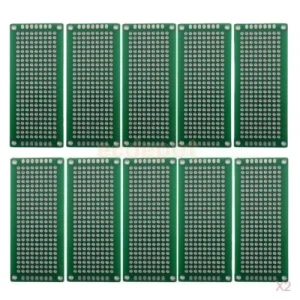
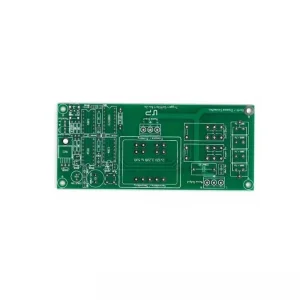
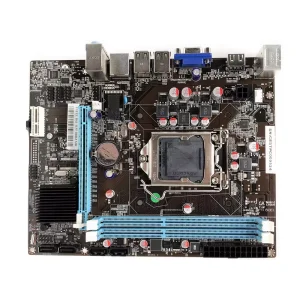
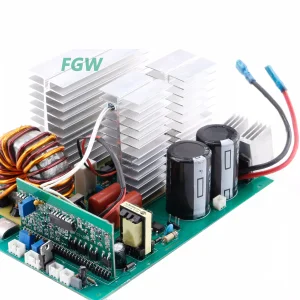
Explore our full range of memory modules, PCBA boards, and custom electronics options designed for commercial and industrial use.
Answers to common technical, logistics, and compliance questions about importing memory modules to Argentina.
DDR3 RAM remains widely used in Argentina due to the high volume of legacy computing systems in public administration, schools, factories, and POS networks. Because upgrading motherboards, CPUs, and power supplies to support newer memory standards can be expensive, importing high-quality DDR3 modules is a practical way for local businesses and organizations to extend the life of their existing IT assets.
Yes, our DDR3L modules are dual-voltage compliant. They are designed to operate at 1.35V in systems that support low-voltage DDR3L, and they can automatically scale to run at 1.5V when installed in older systems that require standard DDR3 memory, providing broad compatibility across older hardware platforms.
We customize the SPD (Serial Presence Detect) settings on our memory modules to support standard JEDEC timing parameters. Before shipping, we test our RAM modules on a variety of older chipset motherboards, such as Intel G41 and H61, to ensure plug-and-play operation and stable system performance.
We provide all necessary export documentation, including Certificates of Origin (CO), commercial invoices, and packing lists matching HS Code 8473.30. This detailed paperwork helps local import agents process shipments smoothly through systems like SIRA, reducing clearance times at ports of entry.
Our MOQs are flexible and can be structured to align with your import license allocations. We work with clients to adjust shipping sizes, allowing you to manage inventory requirements while staying within regulatory guidelines.
Delivery times depend on the shipping method. Express air freight to Ezeiza Airport generally takes 7 to 10 working days, while sea freight to the Port of Buenos Aires usually takes 35 to 45 days. We coordinate production schedules to meet your delivery deadlines.
Optimize your hardware supply chain and secure a stable source of components. Contact Celtrix for bulk pricing, customized SPD configurations, and import solutions tailored for the Argentine market.
Send Inquiry Now Celtrix Memory