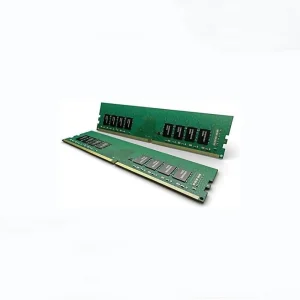
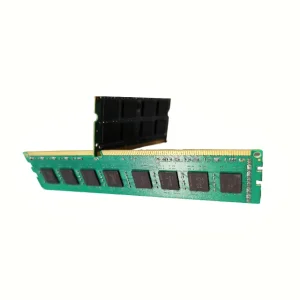
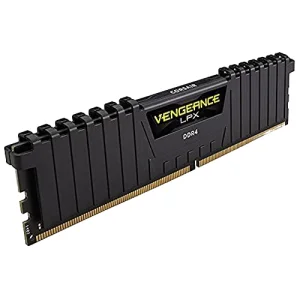
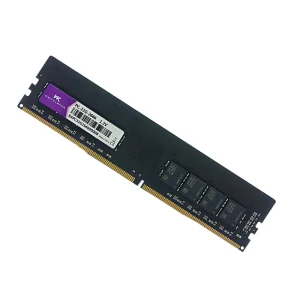
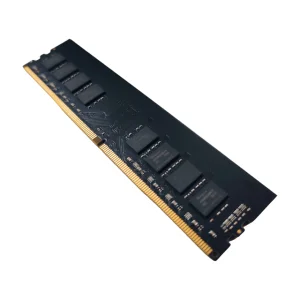
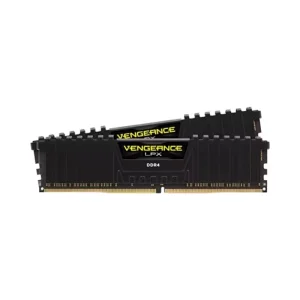
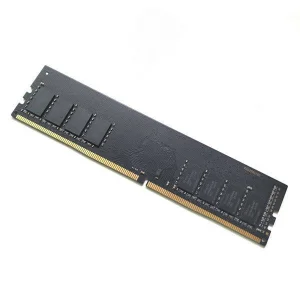
Premium quality memory sticks engineered for enterprise, industrial automation, and high-density workstation architectures.
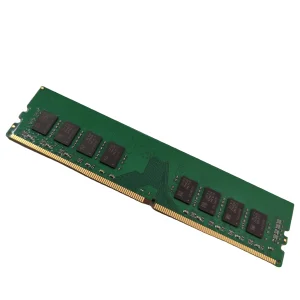
Osaka and the wider Kansai region form the backbone of Japan's high-tech manufacturing, industrial robotics, and automation infrastructure. Unlike consumer-centric Tokyo, Osaka's commercial identity is deeply rooted in heavy industry, edge computing, smart logistics, and precision hardware. In this dynamic local economy, **DDR4 RAM memory modules** serve as critical components for industrial PCs, automated storage retrieval systems (ASRS), and embedded medical equipment.
As global IT supply chains mature, Osaka exporters have established a strategic gateway connecting domestic assembly lines with international markets. By acting as the distribution node for semiconductor products, local trading houses (Shosha) ensure a steady flow of high-speed memory modules. However, maintaining cost competitiveness amidst rising component demands requires a synergistic bridge to advanced manufacturing regions, notably China's high-tech production zones.
This structural dynamic combines Japanese rigorous engineering and quality supervision with China's production capacity. Enterprise buyers in North America, Europe, and the Asia-Pacific region leverage Osaka exporters for reliability and warranty support, while trusting the cost efficiency and scale of Chinese DDR4 SMT (Surface Mount Technology) assembly lines.
Demonstrating industry-leading capacity, precision engineering, and worldwide shipping footprints since 2017.
Why Celtrix's advanced manufacturing capabilities in China empower Japanese distributors to maintain peak cost-performance ratios.
Utilizing automated high-speed Fuji placement systems to ensure consistent solder joint reliability, preventing structural micro-cracks under thermal stress.
Only original DRAM ICs (Major Brand wafers) are selected, undergoing strict binning tests to categorize optimal frequency capabilities and signal margins.
Comprehensive OEM/ODM services including localized retail packaging, unique heat spreader configurations (Revenge series), and tailored SPD programming.
At Celtrix Memory Technologies, quality control is implemented via an ISO 9001 certified process. Standardizing on DDR4 platforms means operating testing procedures that expose every single printed circuit board assembly (PCBA) to extreme stress simulation before packing.
All memory kits manufactured by Celtrix comply strictly with JEDEC specifications (Standard Voltage 1.2V for DDR4). This minimizes voltage fluctuations and heat outputs, extending hardware longevity in modern fanless micro-PCs and industrial rackmount cabinets typical in Osaka's factory floors.
Despite the emergence of DDR5, DDR4 memory modules continue to maintain a massive market share globally due to several key factors.
For mass enterprise upgrades, data centers, and school systems, budget efficiency is a priority. DDR4 offers stable bandwidth speeds (from 2400MHz up to 3200MHz/3600MHz) at a fraction of the cost of newer standards. Since the memory latency of high-frequency DDR4 is optimized, typical real-world application performance in standard computational workflows remains highly competitive.
Millions of operational hardware nodes worldwide run on LGA1200 or AM4 platforms. Upgrading memory capacity to 16GB, 32GB, or 64GB DDR4 extends the lifecycle of these existing hardware investments, delaying capital expenditure on system replacement. Osaka's industrial systems rely on extended product lifecycles, often requiring guaranteed memory module supply for 7-10 years.
Error-Correcting Code (ECC) technology in DDR4 modules allows system chips to detect and correct single-bit memory errors. This is crucial for avoiding server crashes and data corruption in automated warehousing systems and edge nodes.
Direct views of Celtrix Memory Technologies' modern factory production floor, testing facilities, and specialized warehouse operations.
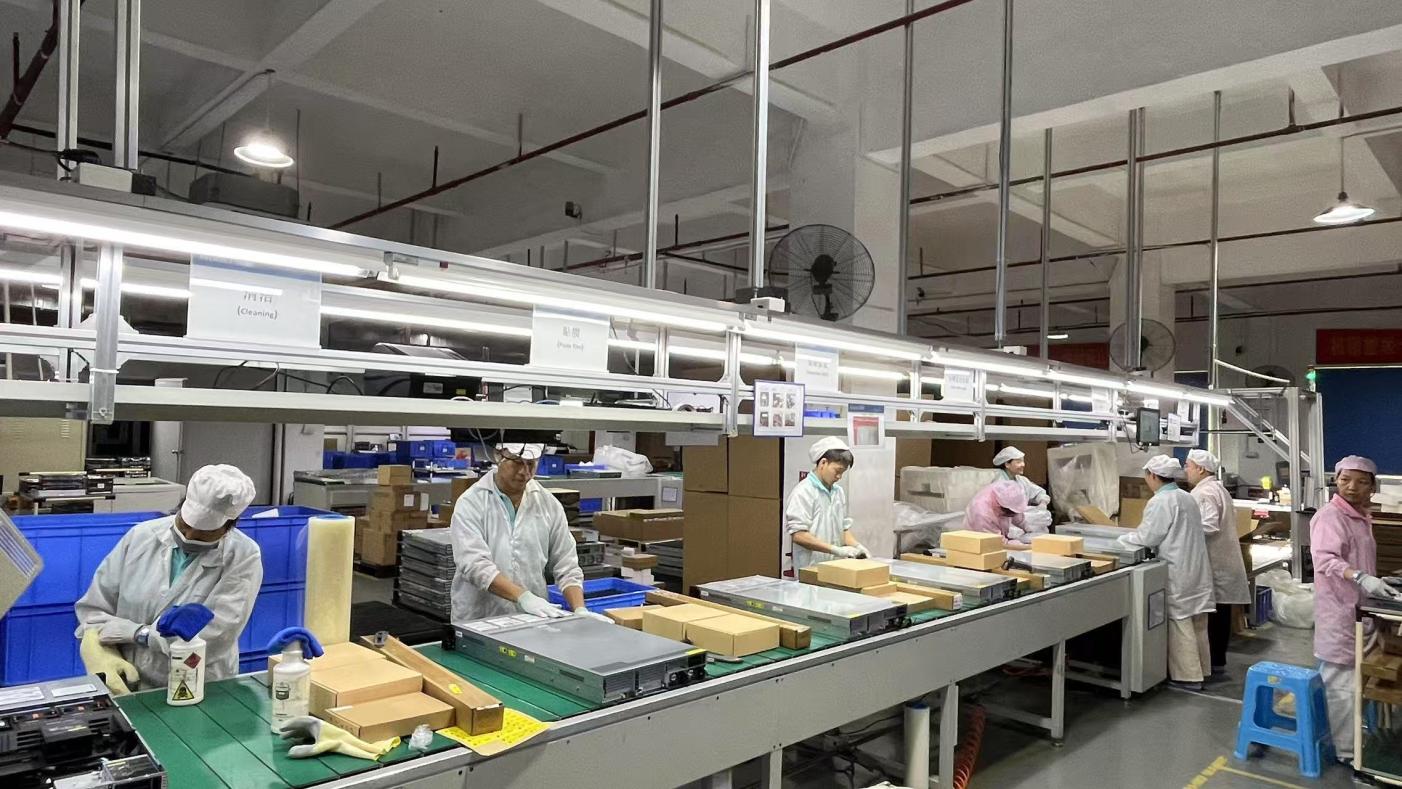
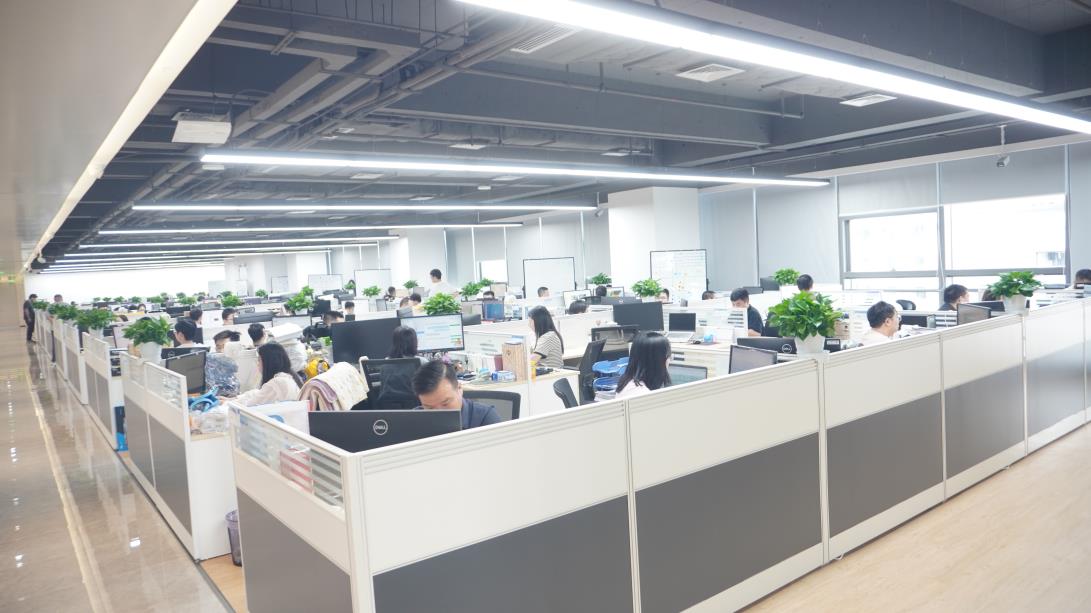

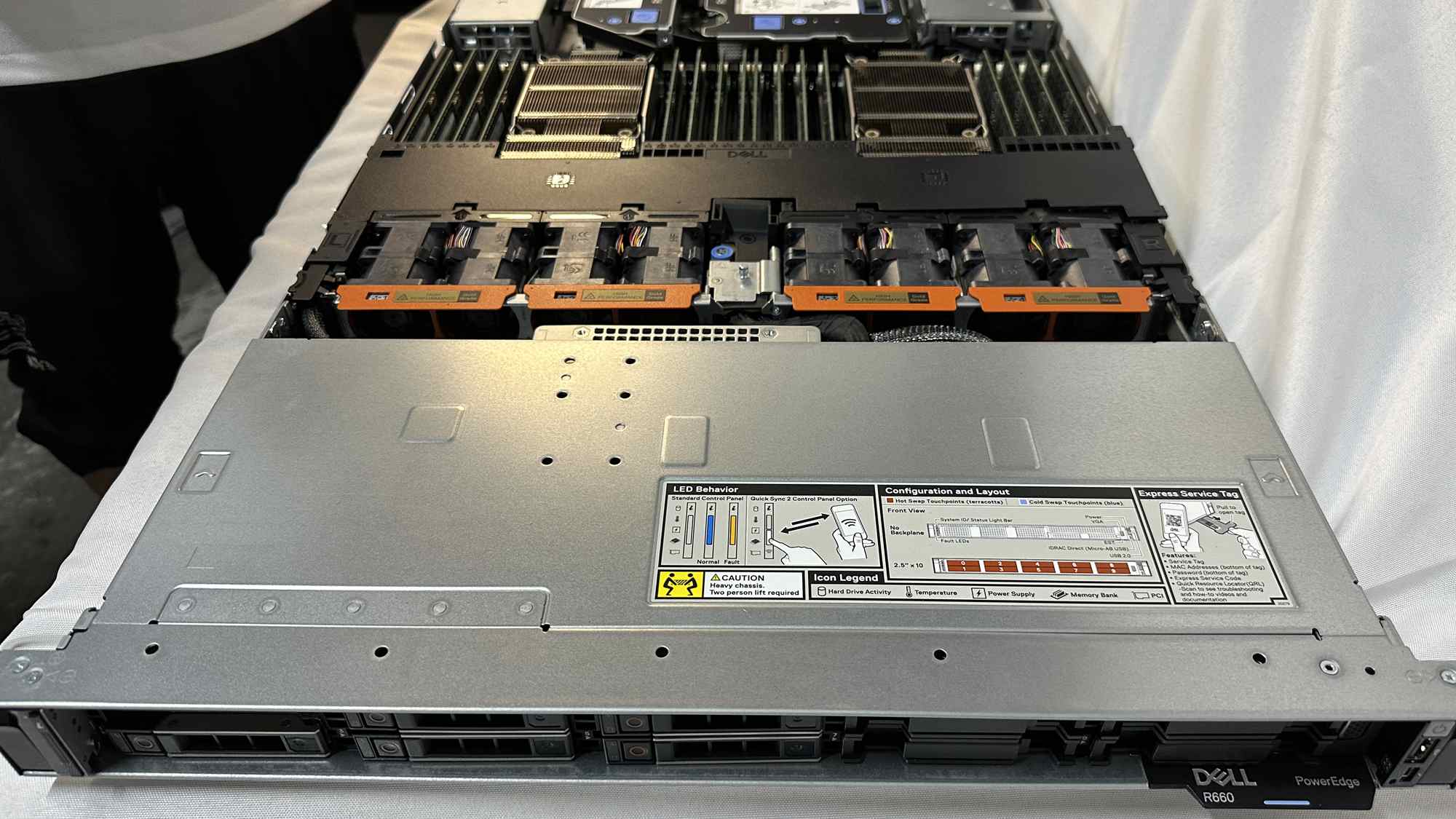
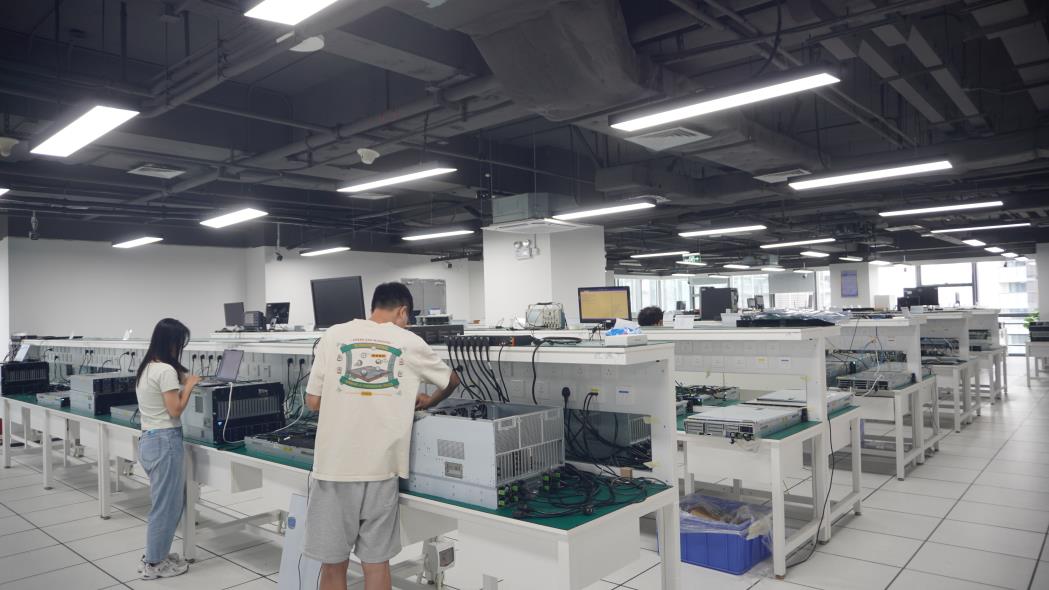
Deploying high-speed, reliable DRAM configurations to meet the specific requirements of various local industrial ecosystems.
Automatic distribution centers at the Port of Osaka utilize micro-servers equipped with DDR4 ECC memory modules. These modules facilitate constant database synchronization, ensuring zero downtime for supply chain tracking systems.
Industrial CNC machinery manufacturers require RAM modules capable of resisting electrostatic discharge (ESD) and operating reliably across wide temperature ranges inside factory enclosures.
Osaka's urban power grid uses smart energy monitoring systems equipped with Celtrix DDR4 SO-DIMM low-voltage components to maintain long-term node reliability with minimal power consumption.
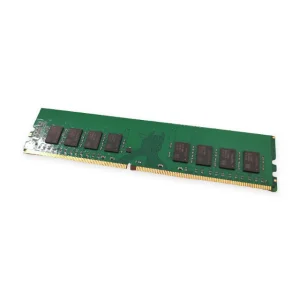
Explore our complete catalog of commercial, industrial, and high-performance desktop memory strips available for direct shipping to Osaka and globally.
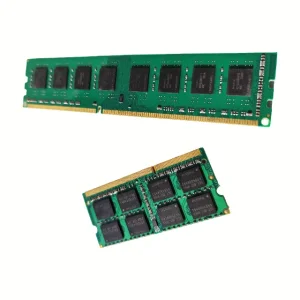
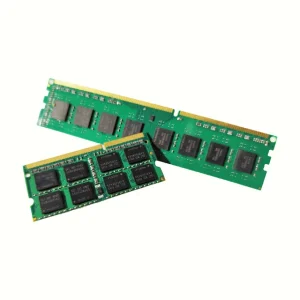
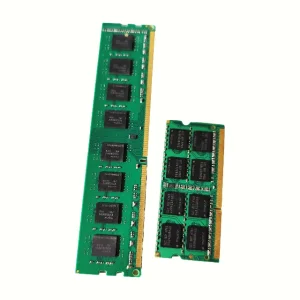
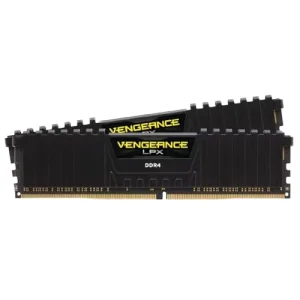
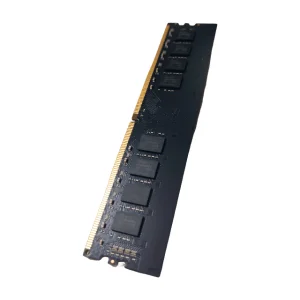
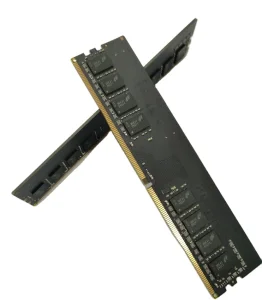
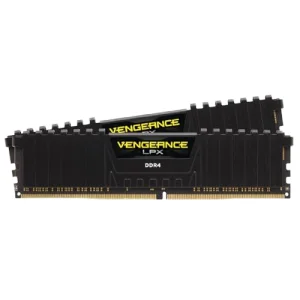
Crucial guidelines and parameters for volume buyers when evaluating DDR4 memory module manufacturers.
When procurement teams order batches of 5,000+ memory units, typical concerns focus on compatibility rates and replacement speed. To safeguard systems from component failure risks, sourcing teams should analyze suppliers against these metrics:
With over 7 years of export experience, Celtrix Memory Technologies coordinates direct shipping from our production facilities to international transit hubs. We partner with customs agencies to expedite air and sea freight routing through Kansai International Airport (KIX) and the Port of Osaka. This provides reliable transit times for time-critical system integration schedules.
Answers to key questions regarding DDR4 RAM sourcing, compatibility, and procurement logistics.
Industrial hardware used in manufacturing and automation cycles values long-term stability and platform longevity over raw speed. Since DDR4 systems are highly mature and tested, they provide reliable performance with lower heat output and procurement costs. This makes them ideal for fanless controllers and infrastructure that requires a sustained supply of identical components for years.
Celtrix utilizes a comprehensive Motherboard Compatibility Array during testing. Each design generation is validated across various chipsets (Intel Core/Xeon, AMD Ryzen/EPYC) from major motherboard suppliers. The SPD configurations are programmed to match JEDEC timings, facilitating seamless plug-and-play operation and minimizing system post-errors.
We provide extensive OEM/ODM support, including custom laser engraving for logos, unique heat spreader materials and colors, custom SPD configurations (frequencies, timings, voltages), custom-designed packaging (single retail boxes or bulk ESD trays), and customized labeling to meet regional import compliance rules.
Our lifetime warranty ensures that any memory module failing due to manufacturing defects is eligible for repair or replacement. For global clients, including Osaka-based exporters, we streamline this process through a dedicated RMA channel. Returned modules undergo diagnosis in our testing facility, and replacements are shipped in subsequent order batches to minimize shipping overhead.
Standard inventory orders are processed and dispatched within 3-5 business days. For customized OEM productions, the typical timeline ranges from 2 to 3 weeks depending on the packaging design approval. Shipping via air freight to Kansai International Airport (KIX) generally takes 3-4 days, enabling efficient inventory replenishment cycles.
 Celtrix Memory