Specially optimized for Central European industrial automation, desktop computing, and enterprise application frameworks.
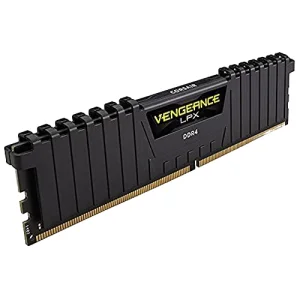
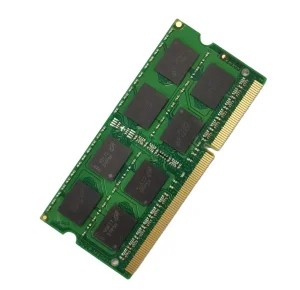
Analyzing market drivers, logistics advantages, and critical industrial demands in Central Europe.
Hungary has positioned itself as one of Central and Eastern Europe's (CEE) primary electronics manufacturing services (EMS) hubs. Key industrial cities like Budapest, Debrecen, and Győr house global automotive electronics giants and industrial hardware integrators. The high demand for stable componentry—particularly DDR4 modules for industrial PCs and automation controllers—drives strict requirements for memory speed, latency, and thermal resistance.
Automotive assembly lines and complex machinery built in Hungary depend on embedded computing systems that require durable RAM memory. Industrial operations cannot afford system downtime; hence, standard DDR4 memory with ECC (Error-Correcting Code) functionality, operating under JEDEC standards, is critical to prevent data corruption and maintain uninterrupted automation cycles.
Operating as a gateway to both Western Europe and the Balkan Peninsula, Hungarian distributors benefit from excellent shipping infrastructure. Importers in Budapest rely on streamlined supply chains. Our containerized transport solutions, customs clearance advisory, and optimized product packing allow us to dispatch high-quality memory modules securely from our factory straight to Hungary with minimal customs delay.
Verifiable data reflecting Celtrix Memory Technologies' authority, manufacturing footprint, and quality controls.
Celtrix Memory Technologies Co., Ltd. is a professional DDR5 and DDR4 memory manufacturer dedicated to delivering high-performance DRAM solutions for global customers. Since its establishment in 2017, the company has focused on the research, development, manufacturing, and customization of premium memory products for consumer, industrial, enterprise, and embedded applications.
With a modern manufacturing facility covering 28,600 m², Celtrix integrates advanced production equipment, automated assembly lines, and strict quality management systems to ensure reliable product performance and consistent manufacturing standards.
The company has accumulated 9 years of industry experience and 7 years of export experience, serving customers across more than 50 countries. Our annual export revenue exceeds USD 23 million, supported by an efficient global logistics network and responsive customer service.
Every DDR4 memory module undergoes rigorous verification processes before shipment to Hungary.
Incoming Material Inspection (IQC) tests original DRAM chips (Samsung, SK Hynix, Micron) and PCB substrates before surface mounting.
In-Process Quality Control (IPQC) utilizes state-of-the-art Automated Optical Inspection (AOI) to examine solder joint integrity and alignment.
All products run thorough testing under heavy loads, including comprehensive Burn-in and aging tests to replicate server strain.
Final Quality Control (FQC) guarantees the product meets ISO 9001 requirements, verifying compatible SPD profiles and labels.
Quality is the foundation of Celtrix. Every DDR5 and DDR4 memory module undergoes comprehensive inspections throughout the production process. Our systems adhere closely to the ISO 9001 Quality Management System, staffed by 56 professionals. Inspection methods include: Incoming Material Inspection (IQC), In-Process Quality Control (IPQC), Automated Optical Inspection (AOI), Functional Testing, Burn-in Test, Aging Test, Compatibility Test, and Final Quality Control (FQC).
We support hardware integrators with PCB assembly alongside our high-speed RAM manufacturing lines.
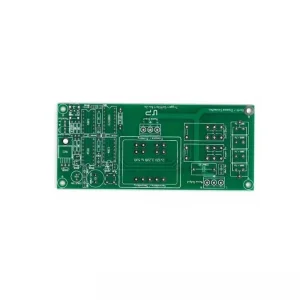
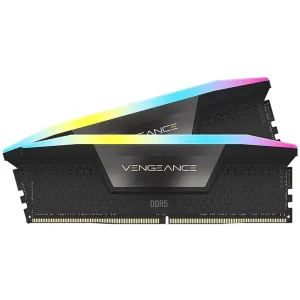
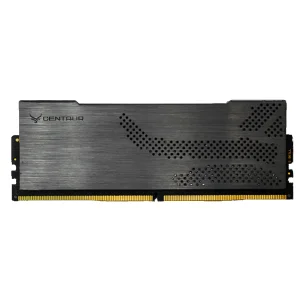
Understanding timing profiles, voltage parameters, and technological trends for hardware procurement.
In industrial and commercial deployment throughout Hungary, DDR4 remains the dominant memory type due to its cost-to-performance ratio and established motherboard compatibility. Standard DDR4 operates at a base voltage of 1.2V, which is 20% lower than traditional DDR3 modules operating at 1.5V. This voltage reduction minimizes thermal output—vital for fanless embedded system environments in manufacturing plants.
For applications executing high-frequency calculations, AI modeling, or database indexing, DDR5 represents the future. Operating at 1.1V, DDR5 shifts power management from the motherboard to the module (via an on-board Power Management IC - PMIC). This structural change enhances power delivery efficiency, signal integrity, and supports bandwidth up to 6400MHz and beyond. Celtrix supports Hungarian clients with both current DDR4 supply contracts and technical migration plans to DDR5 infrastructures.
How Celtrix optimizes delivery and handles legal and quality requirements within the European Union.
Electronics components destined for Hungary must meet strict European environmental safety standards. All memory modules manufactured by Celtrix are fully compliant with RoHS (Restriction of Hazardous Substances) and REACH (Registration, Evaluation, Authorisation and Restriction of Chemicals) directives. We provide full chemical analysis documentation to simplify inspection procedures.
We provide tailormade components matching system integrator demands: custom SPD programming (to bypass legacy motherboard BIOS locks), private labeling, branding layout, heat spreader designs, and targeted packaging types designed to fit your exact storage and assembly flow.
Our dedicated engineering department consists of 142 R&D Engineers. Last year alone, Celtrix introduced 168 new memory products to the market, showcasing our rapid engineering adaptation to emerging motherboard specifications and chipset revisions.
Answers regarding specifications, supply chains, custom orders, and deployment in Hungary.
Real visual confirmation of our production footprint, SMT lines, and clean room facilities.
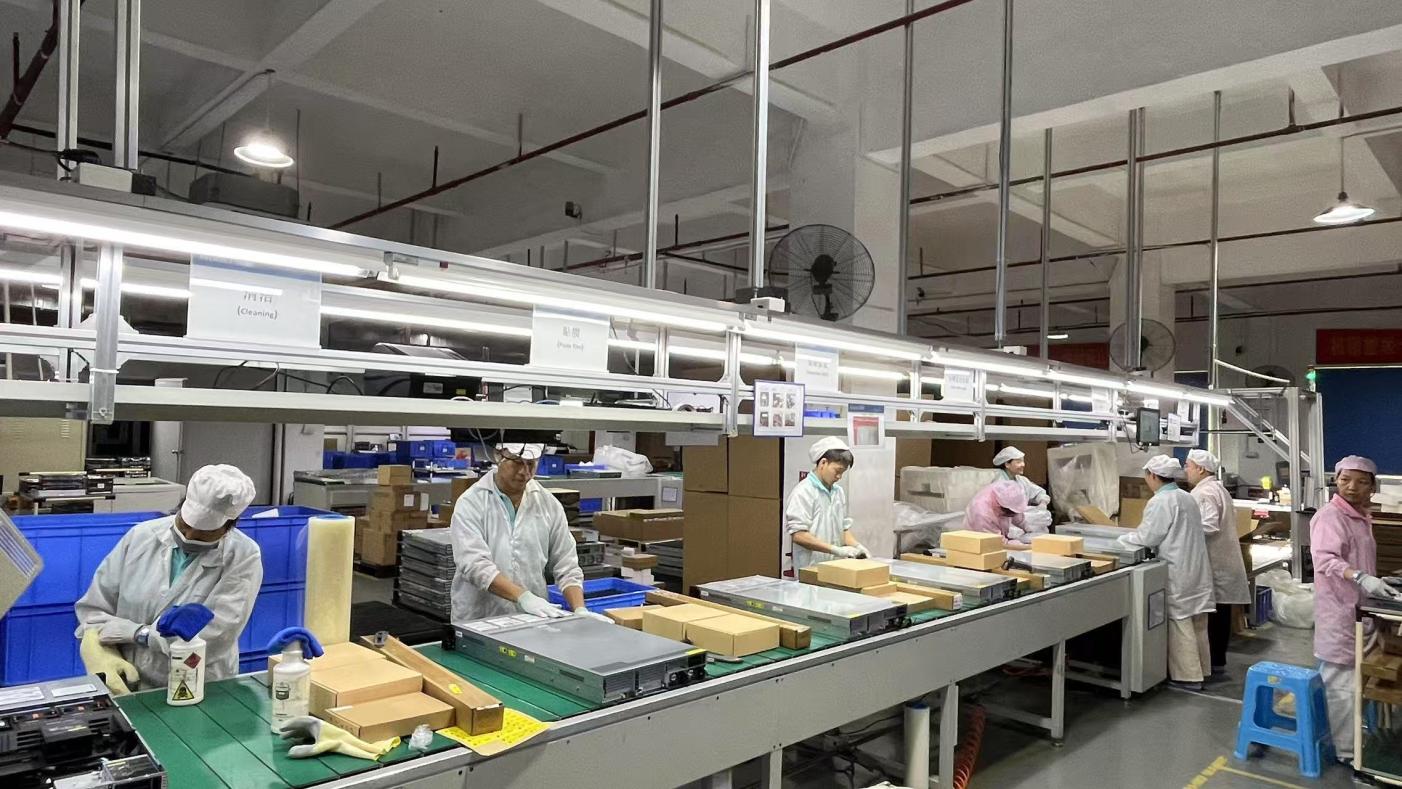
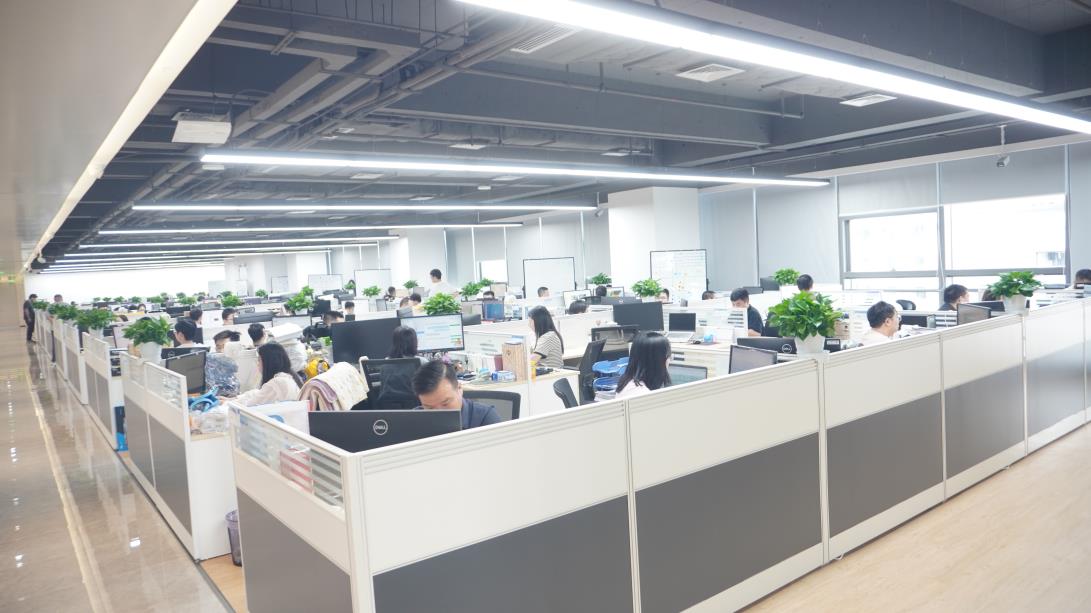
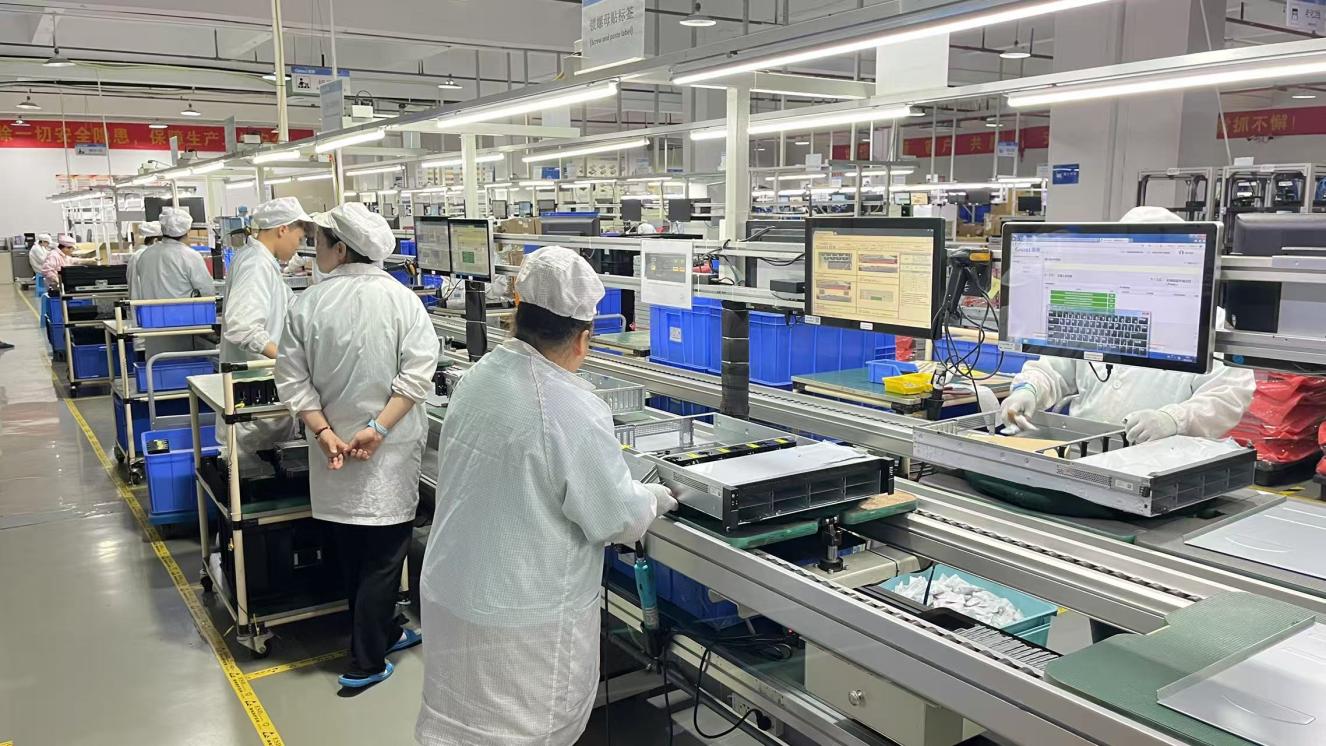
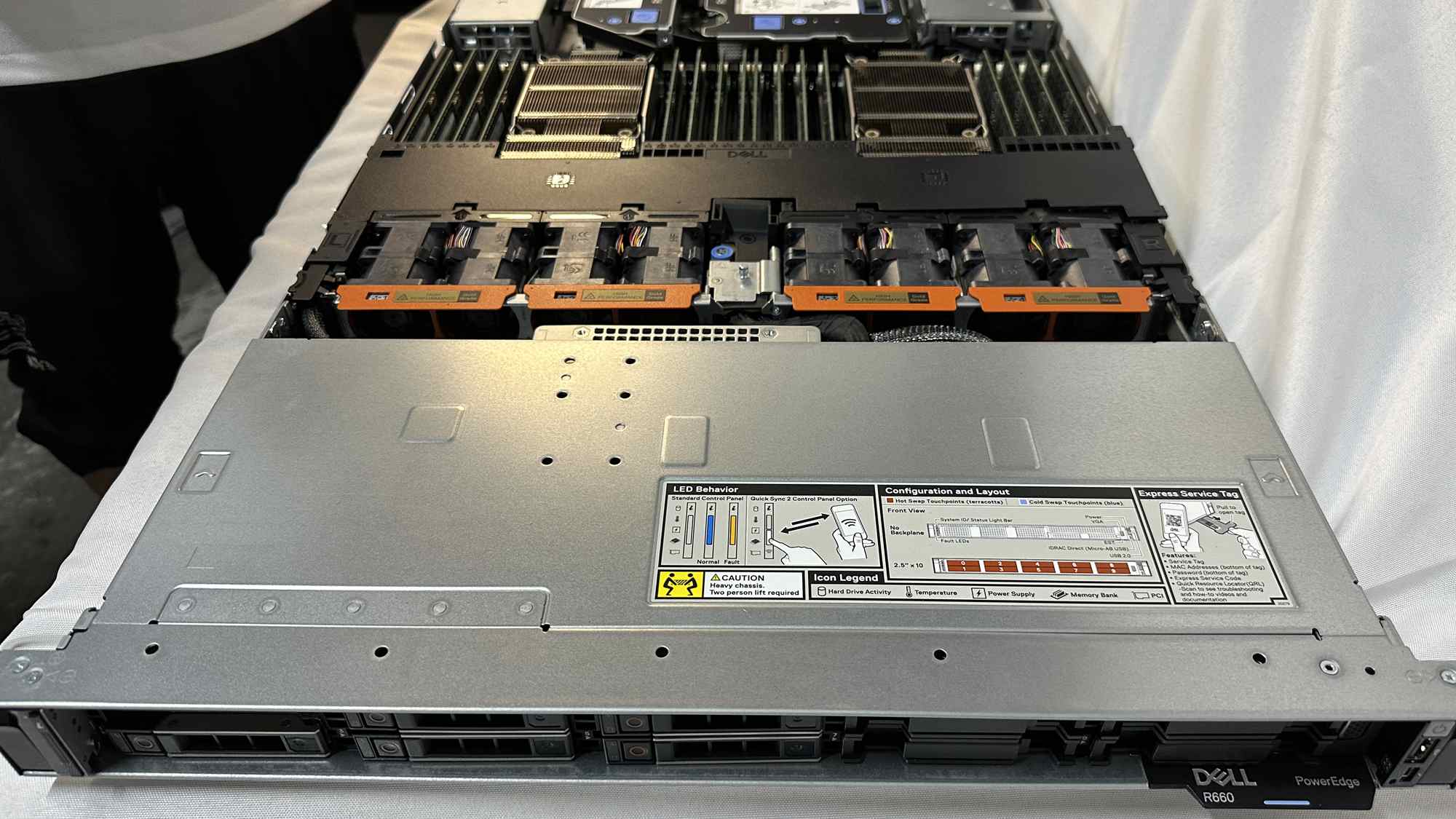
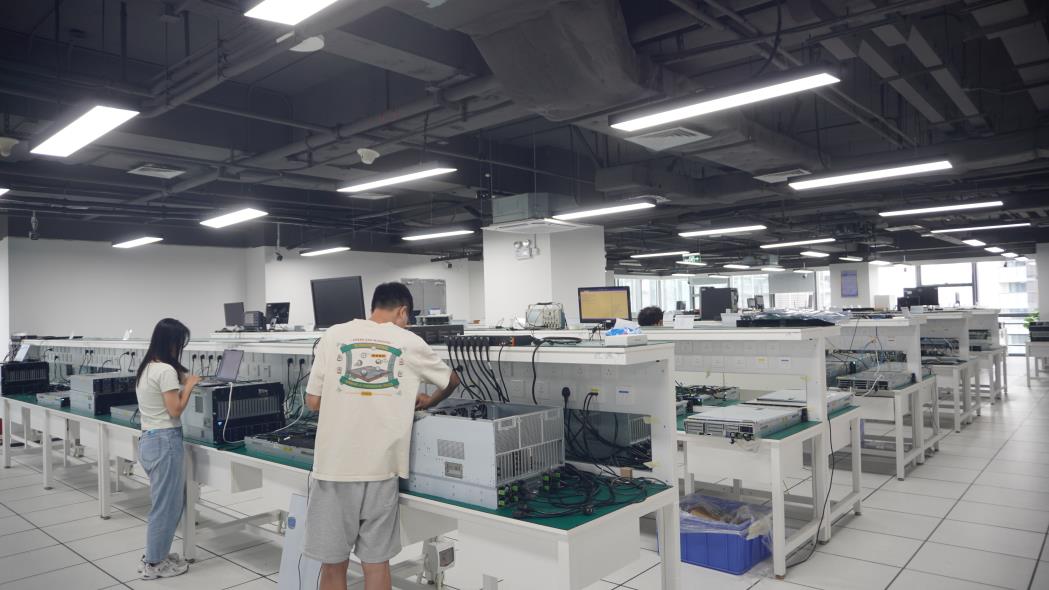
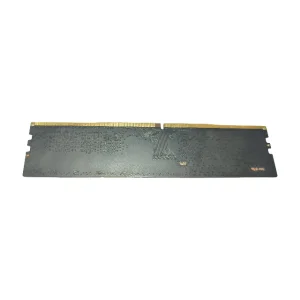
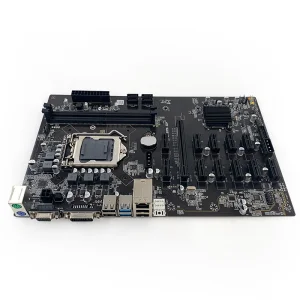
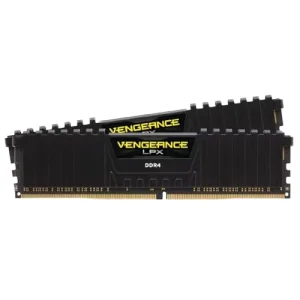
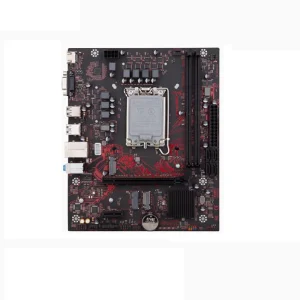
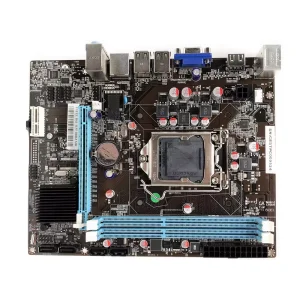
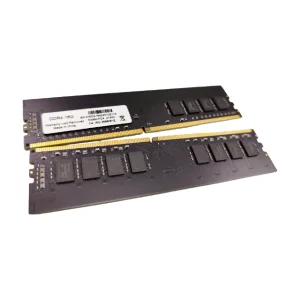
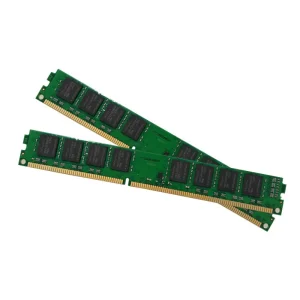
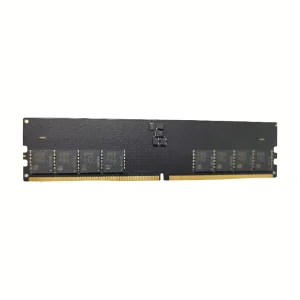
High-durability RAM memory sticks and motherboards optimized for long-term deployments in Hungary.
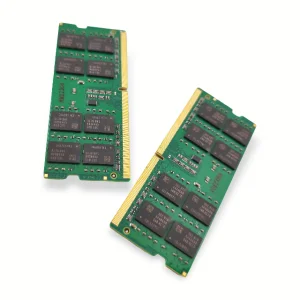
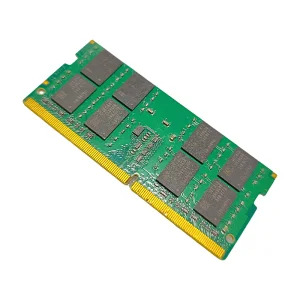
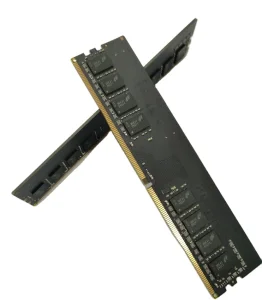
 Celtrix Memory