Tailored industrial electronic components and custom multi-layer assemblies optimized for stable performance under extreme thermal shifts in Chilean heavy-duty industries.
Decades of continuous electronics design and high-temperature board manufacturing, verified by globally recognized ISO standard protocols.
Celtrix Memory Technologies Co., Ltd. (established in 2017) provides cutting-edge hardware design, multi-layer high-TG SMT PCB assemblies, high-capacity server memory modules, and micro-electronics systems tailored to handle mechanical stresses and thermal expansion in severe climates.
Partner With Celtrix TodayA technical examination of thermal stability requirements, materials composition, and long-term hardware reliability in mining, astronomy, and solar infrastructures.
Chile is home to some of the most technologically demanding environments on Earth. From the ultra-arid, high-UV zones of the Atacama Desert to the deep geothermal pressures of underground copper mines in Escondida and El Teniente, industrial electronics face operating conditions that far exceed standard parameters. Standard printed circuit boards (FR-4) exhibit physical changes, dielectric degradation, and mechanical deformation when subjected to continuous temperatures above 130°C.
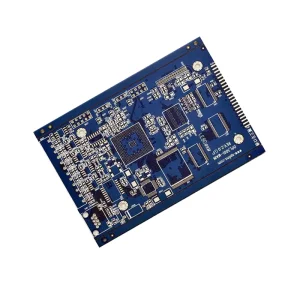
For critical telecommunications hubs, remote lithium brine processing setups, and astronomical telescopes operating at high elevations, failure is not an option. This has driven massive local demand for High Glass Transition Temperature (High-TG) PCBs. A high-TG board (typically defined as having a TG of 170°C to 180°C or higher) transitions from a rigid, glass-like state to a rubbery state at a much higher threshold than normal boards. This maintains the structural, mechanical, and electrical characteristics of the substrate during extreme thermal excursions.
When selecting a PCB manufacturer for high-stress applications in Chile, understanding the materials science behind the board is crucial. Standard TG materials typically sit at around 130°C to 140°C. Medium TG levels range from 150°C to 160°C. True High-TG (TG > 170°C) formulations provide superior heat resilience, low coefficient of thermal expansion (CTE), and high decomposition temperature (Td).
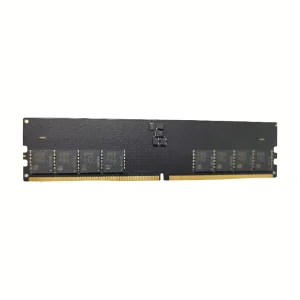
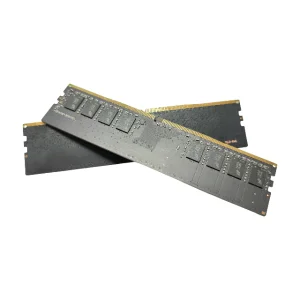
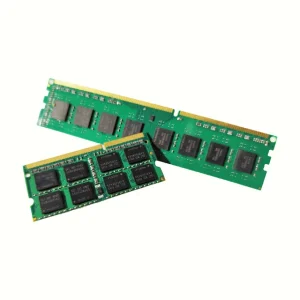
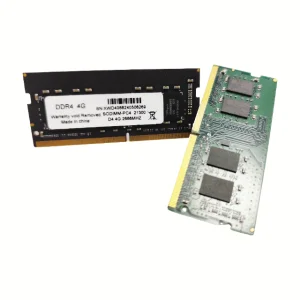
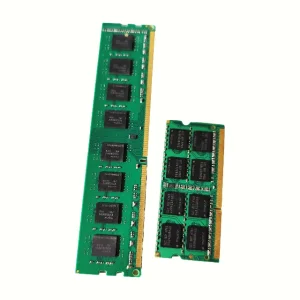
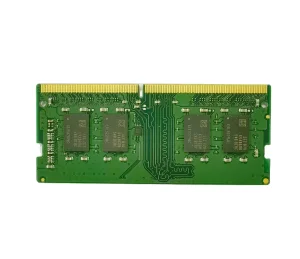
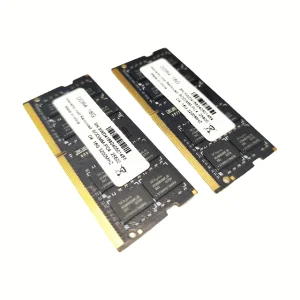
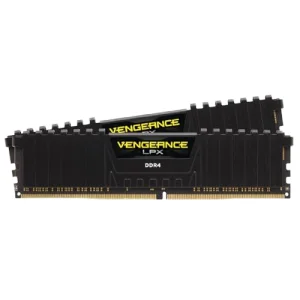
Modern industrial control, sensor arrays, and remote servers do not just require high-temperature PCBs—they rely on processing modules, DRAM configurations, and motherboards constructed to matching thermal criteria. Celtrix Memory Technologies designs and manufactures high-performance DDR5 and DDR4 ECC modules built on high-TG substrates.
By employing SMT assembly techniques featuring advanced immersion silver or ENIG finishes and incorporating high-airflow heat spreaders, our memory modules operating in Chilean data centers or high-altitude observatories minimize performance throttling and memory errors caused by ambient heat. This guarantees absolute data integrity for real-time mining logistics or planetary scientific measurements.
How our custom high-TG boards and micro-electronics systems serve core Chilean industrial sectors.
Designed for drilling telemetry, dump truck sensor hubs, and heavy-duty crusher PLC controllers. High-TG substrates resist extreme vibrations and operating temperatures that exceed 120°C inside machinery engine bays.
Atacama solar farms use industrial PV inverters that handle high currents in high ambient temperatures. Our high-TG multi-layer boards prevent delamination under cycling thermal loads, ensuring a 25-year service life.
Enabling regional telecommunication operators to deploy low-latency 5G base stations. Utilizing high-TG PCBs, DDR5 memory, and high-conductivity motherboards to reduce cooling power footprints significantly.
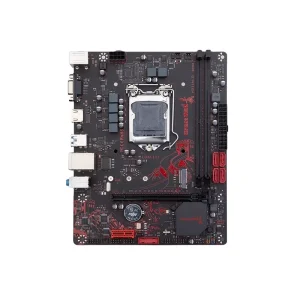
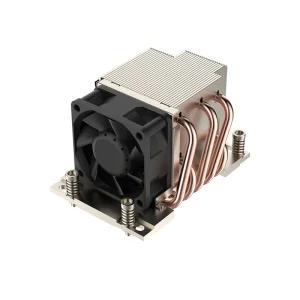
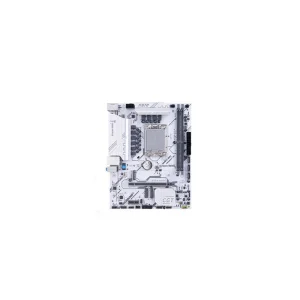
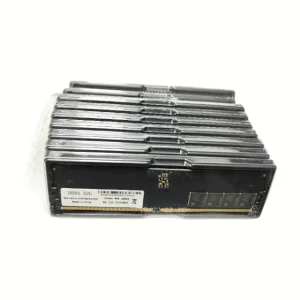
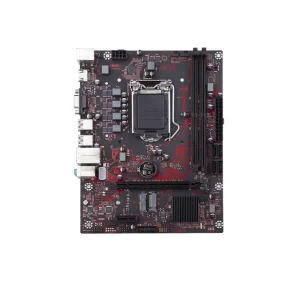
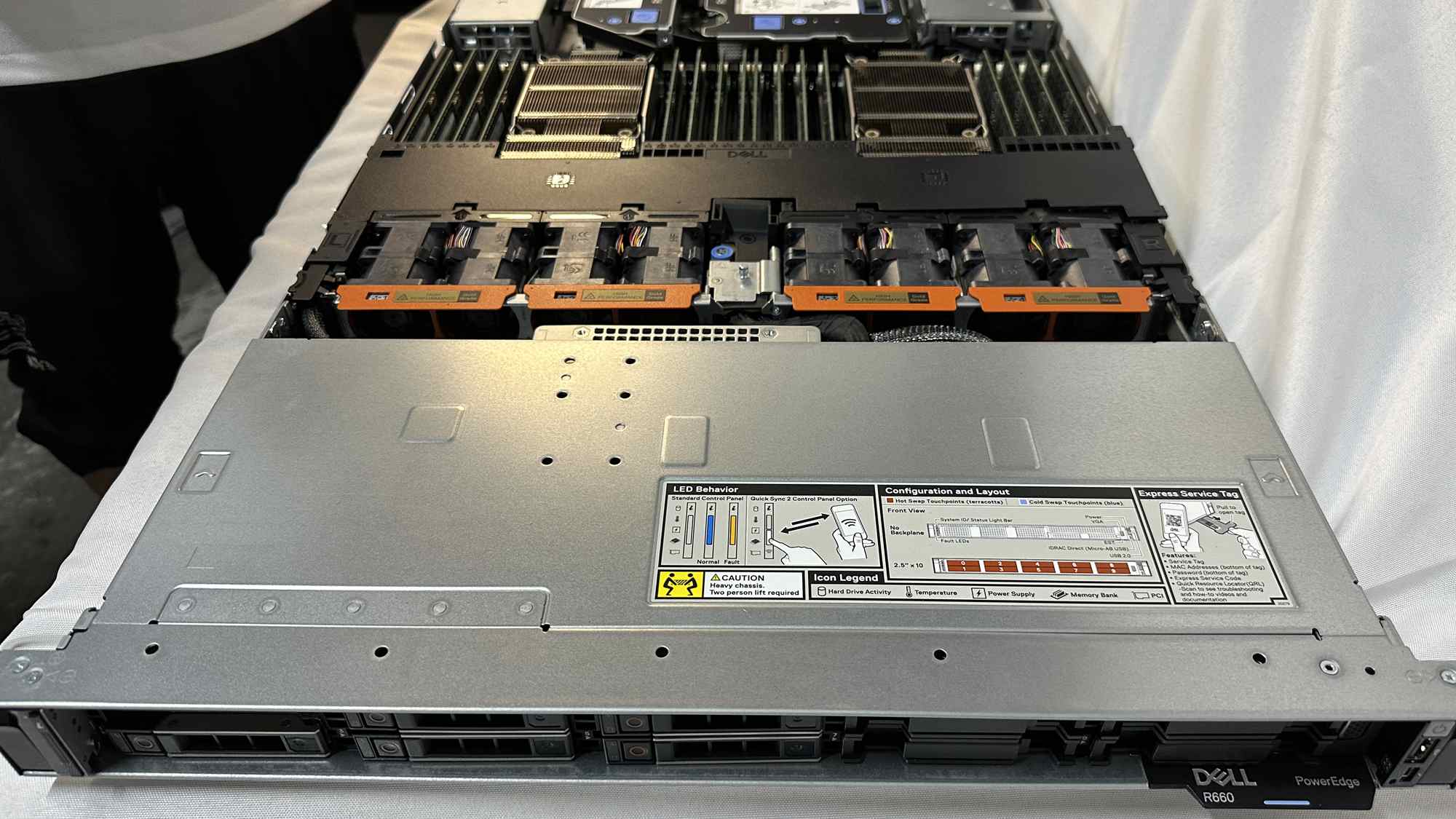
Direct manufacturer supply of DDR4/DDR5 Memory, Core Motherboards, and active cooling devices engineered for stability and reliability.
We integrate rigorous international QC pipelines into our manufacturing plants to ensure zero-defect electronics output.
Every High-TG PCB assembly and DRAM module shipped to Santiago, Antofagasta, or Valparaíso conforms to the strict ISO 9001:2015 Quality Management System. Our testing protocol comprises multiple diagnostic gates:
Retaining our full legacy component selection to deliver all-around client design integrations:
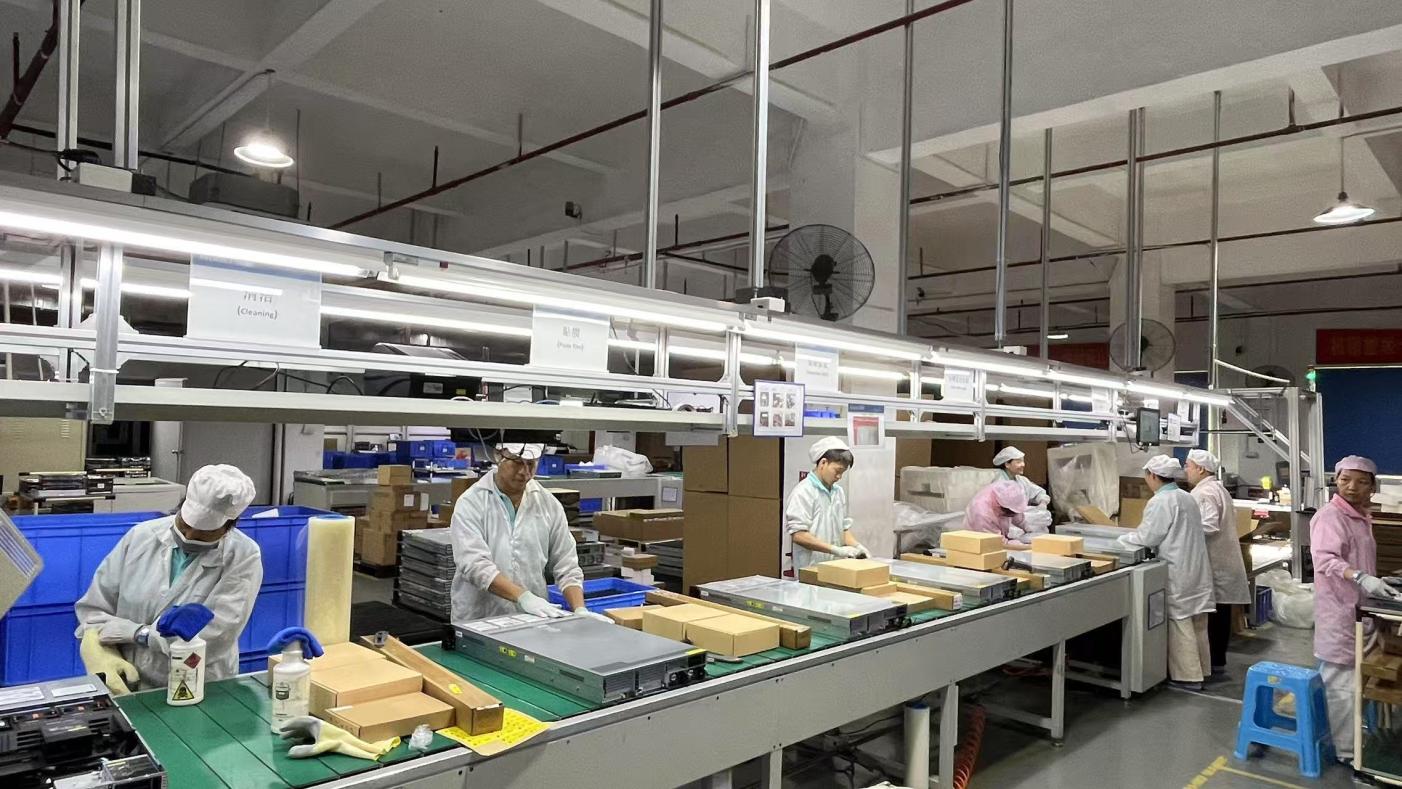
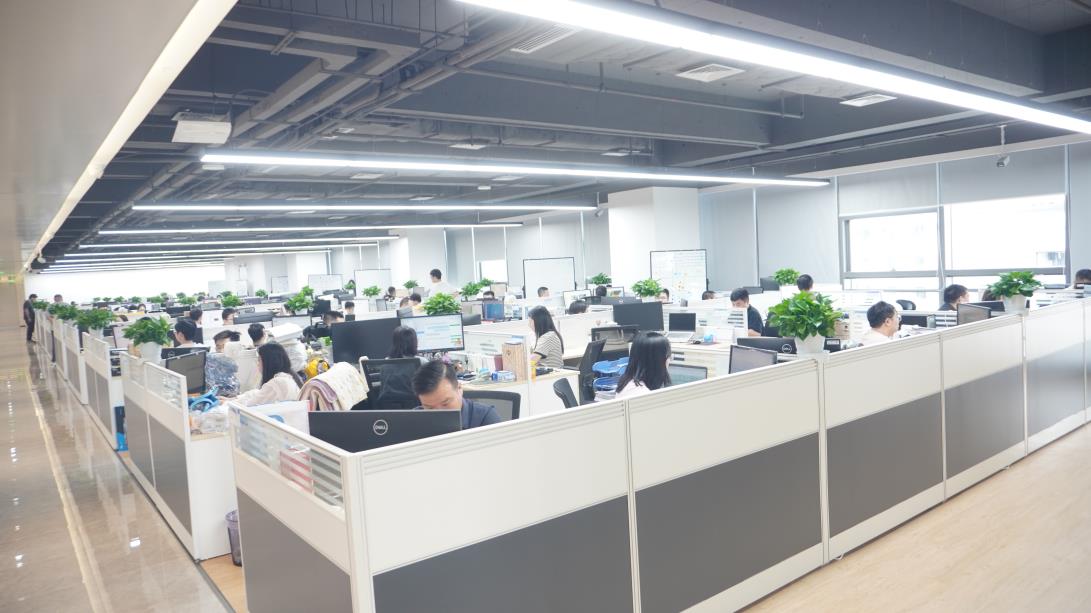
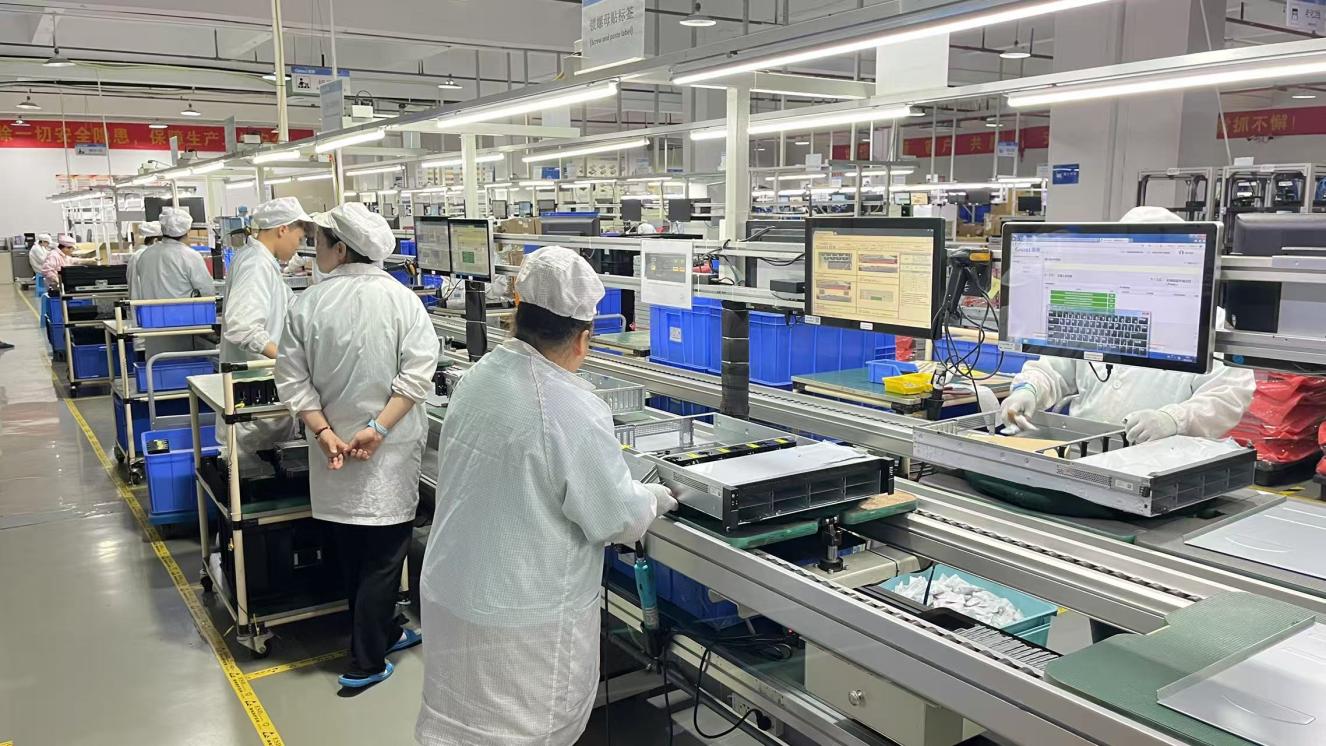
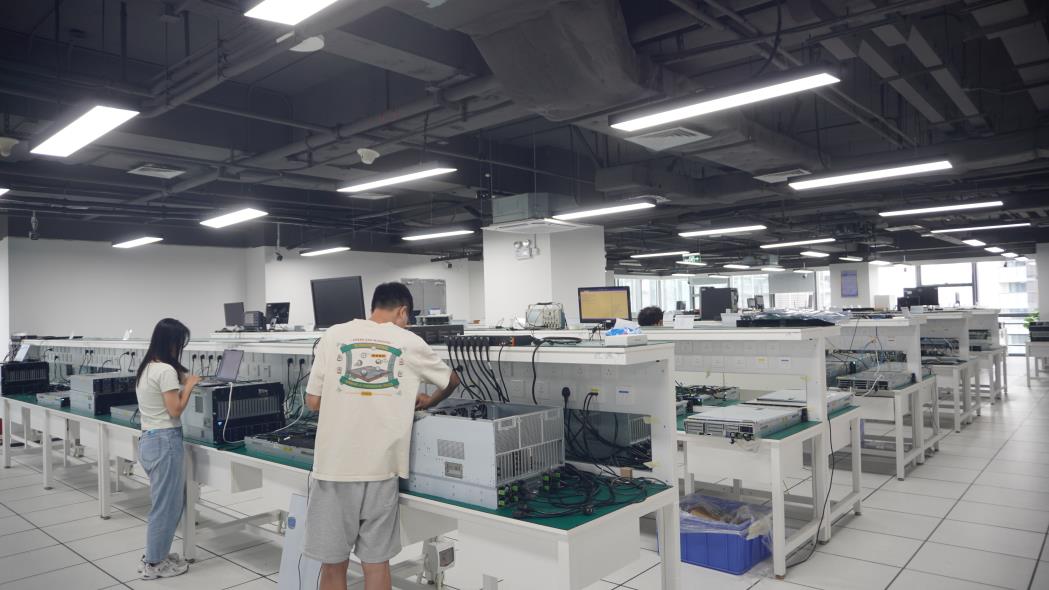
Real-time view of our 28,600 m² cleanroom workspace, automated high-speed placement machines, and packaging sections.
Expert answers regarding High-TG PCBs, SMT processing, and importing to Chile.
A High-TG (Glass Transition Temperature) PCB features a substrate material that maintains mechanical stability above 170°C. Standard boards soften at 130°C. You should specify High-TG whenever boards are deployed in harsh environments—such as mining engine controls, deep well logging, industrial power switches, or high-density multicore server systems where heat accumulation is substantial.
We run a complete quality framework under ISO 9001. We deploy Incoming Quality Control (IQC) on laminates and DRAM wafers, In-Process Quality Control (IPQC), Automated Optical Inspection (AOI) on SMT lines, and structural burn-in/aging cycles. A specialized testing team of 56 professionals ensures all exported shipments perform as designed.
We offer comprehensive OEM/ODM design and assembly integrations. This includes custom multi-layer PCB layout design, component sourcing, SMT & DIP assembly, SPD programming for memory modules, custom thermal casing/heatsinks, private labeling, and customized export logistics setups to Santiago or major Chilean ports.
Standard prototyping of High-TG PCBs takes 5 to 7 working days. High-volume SMT production and packaging require 15 to 21 working days. Shipping times to Chile via direct air freight or sea shipping lines are coordinated to suit project timelines, supported by our experienced export division.
Speak with our engineers today. We supply comprehensive engineering support and quotation sheets tailored for your next project in Chile.
Send Inquiry Now Celtrix Memory