Direct from factory floor: industrial-grade high-frequency PCBs, high-performance DRAM memory, and server cooling solutions designed for long lifecycles and extreme efficiency.
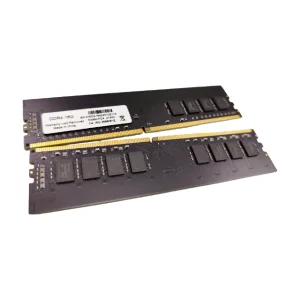
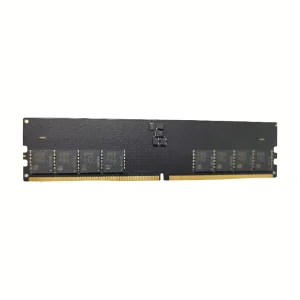
The global enterprise data infrastructure is undergoing a massive evolutionary leap. The exponential growth of Artificial Intelligence (AI), Machine Learning (ML), Big Data Analytics, and decentralized IoT applications has driven unprecedented demand for high-speed, high-density storage and DRAM systems. Solid State Drives (SSDs) and next-generation RAM modules (such as DDR5 and enterprise-level DDR4) are no longer just storage and buffer components—they are key performance enablers for modern hyperscale computing.
According to current market reports, global enterprise SSD demand is projected to increase significantly, driven by a industry-wide shift from legacy HDD architectures to NVMe (Non-Volatile Memory Express) protocols and high-layer NAND Flash tech. Within this landscape, SSD drive manufacturers and component suppliers must meet strict performance requirements, maintaining high durability (DWPD - Drive Writes Per Day), low read/write latencies, and high compatibility across various server platforms. Suppliers that combine reliable controller designs, advanced flash memory packaging, and cost-effective PCB assembly (PCBA) are leading this structural shift.
Hyperscale data centers require low latency and high bandwidth to process AI workloads. DDR5 and NVMe Gen4/Gen5 SSDs form the backbone of this computing model.
Enterprise and industrial applications require long MTBF (Mean Time Between Failures) and advanced Wear Leveling algorithms to ensure operations run without interruption.
Varying industrial setups require customizable SSD form factors (M.2, U.2, E1.S) along with tailored firmware configurations (SPD programming, power failure protection).
Celtrix Memory Technologies Co., Ltd. is a professional manufacturer dedicated to delivering high-performance DRAM solutions and high-quality storage integration services for global customers. Since its establishment in 2017, the company has focused on the research, development, manufacturing, and customization of premium memory products and components for consumer, industrial, enterprise, and embedded applications.
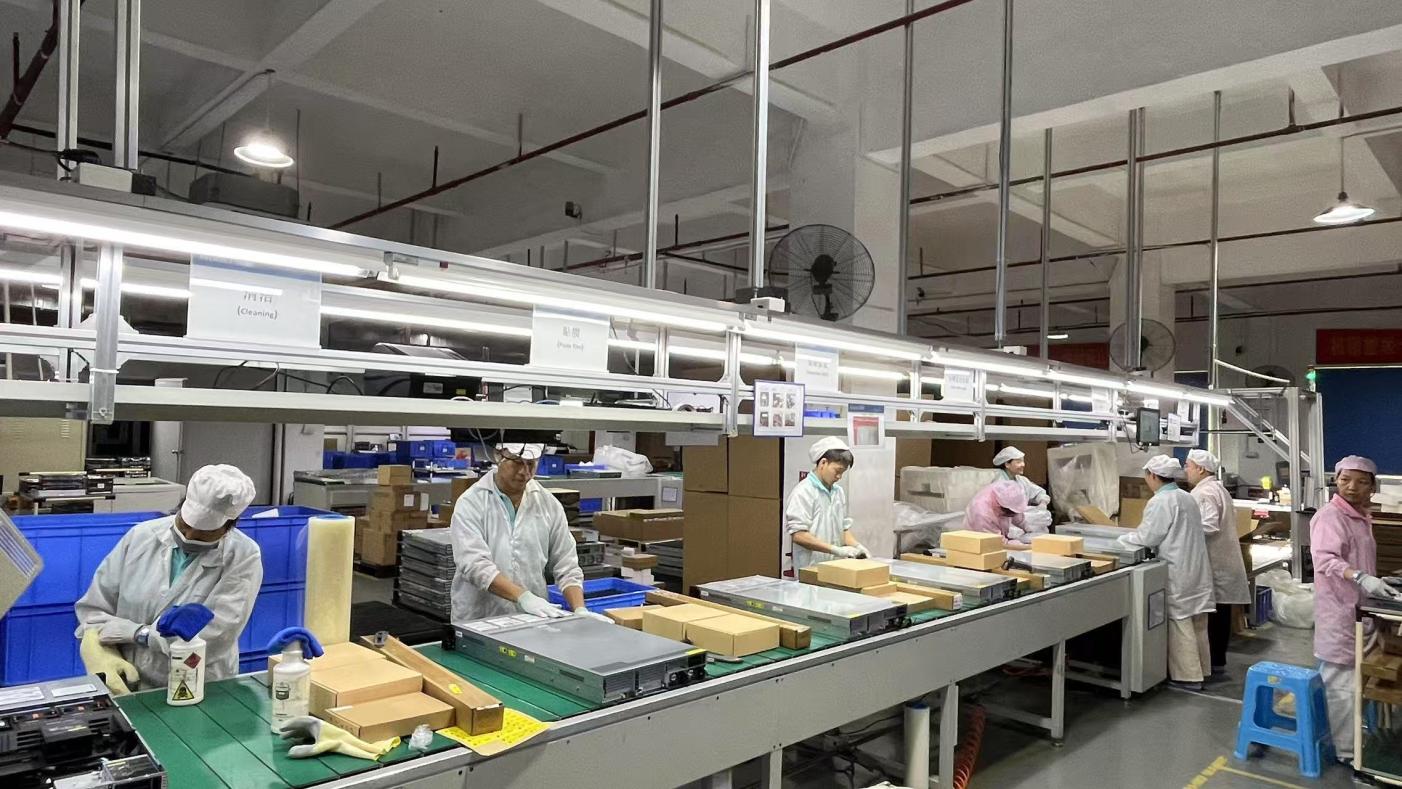
With a modern manufacturing facility covering 28,600 m², Celtrix integrates advanced production equipment, automated SMT assembly lines, and strict quality management systems to ensure reliable product performance and consistent manufacturing standards. The company has accumulated 9 years of industry experience and 7 years of export experience, serving customers across more than 50 countries. Our annual export revenue exceeds USD 23 million, supported by an efficient global logistics network and responsive customer service.
Celtrix serves a wide range of industries by supplying memory components, high-frequency PCBs, and structural cooling designs. We operate as a strategic partner to brand owners, system integrators, and distributors who require reliable supply chains. Through partnerships with top silicon fabricators, Celtrix provides high-yield products that perform reliably in demanding computing environments.
The global dominance of Chinese SSD and DRAM manufacturers stems from advanced supply chain integration, regional clustering of raw material suppliers, and specialized production efficiency. In regions like Shenzhen, Dongguan, and the broader Pearl River Delta, memory suppliers access an optimized ecosystem containing PCB substrate manufacturing, chip packaging, testing houses, and custom chassis design labs.
This ecosystem offers distinct advantages for enterprise buyers:
Industrial applications present unique demands. Celtrix's storage and memory product lines are tailored for various deployment environments, including data centers, edge computing networks, and industrial systems.
| Application Scenario | Required Technology | Key Product Alignment | Critical Criteria |
|---|---|---|---|
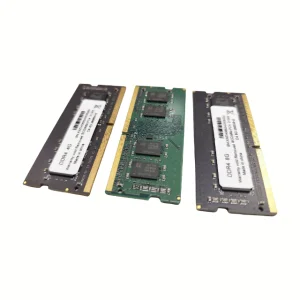
| AI Computing & HPC | DDR5 Memory & NVMe Gen5 SSDs | DDR5 32GB 5600MHz / 6000MHz Server RAM | Extreme bandwidth, ECC error correction, thermal stability |
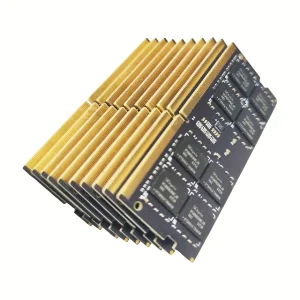
| Enterprise Cloud Storage | DDR4/DDR5 ECC modules, M.2/U.2 SSDs | Server Memory RAM 16GB/32GB DDR4 3200MHz | 24/7 uptime, hardware write protection, PLP (Power Loss Protection) |
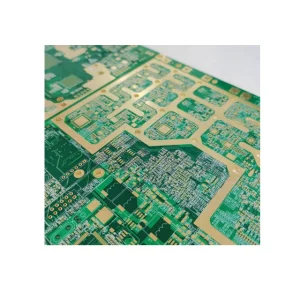
| Industrial PC / Gold Detector | High sensitivity PCBs & custom PCBA modules | Shengyi FR4 High TG170 Rogers Mixed Pressure PCB | Thermal stability, moisture resistance, precise signal routing |
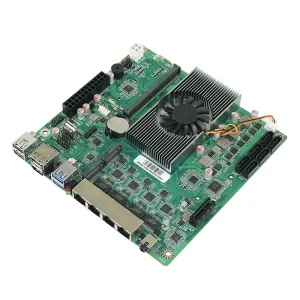
| Mini Edge Server & NAS | Embedded ITX Motherboards & small RAM | N100 Motherboard with 12SATA and Dual M.2 Ports | Compact layout, high storage density, multiple connectivity options |
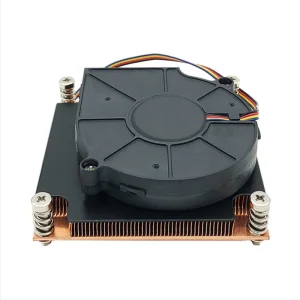
Memory modules and SSD controllers generate significant heat under sustained read/write loads. Excessive heat can trigger thermal throttling, reducing overall system performance. Celtrix addresses this through specialized thermal designs, including the LGA115X-1U3E 110W square copper heat sink. Copper heat pipes and high-fin-density structures provide efficient heat dissipation for dense 1U and 2U rack servers, ensuring continuous performance and longer hardware lifespans.
Quality is the foundation of Celtrix. Every memory module, motherboard, and PCB assembly undergoes comprehensive inspections throughout the production process to maintain low return rates and high performance in the field.
Our quality control system comprises the following steps:
We source DRAM chips and NAND flash components from reputable brands. All incoming components are tested for signal integrity, speed compliance, and physical specifications.
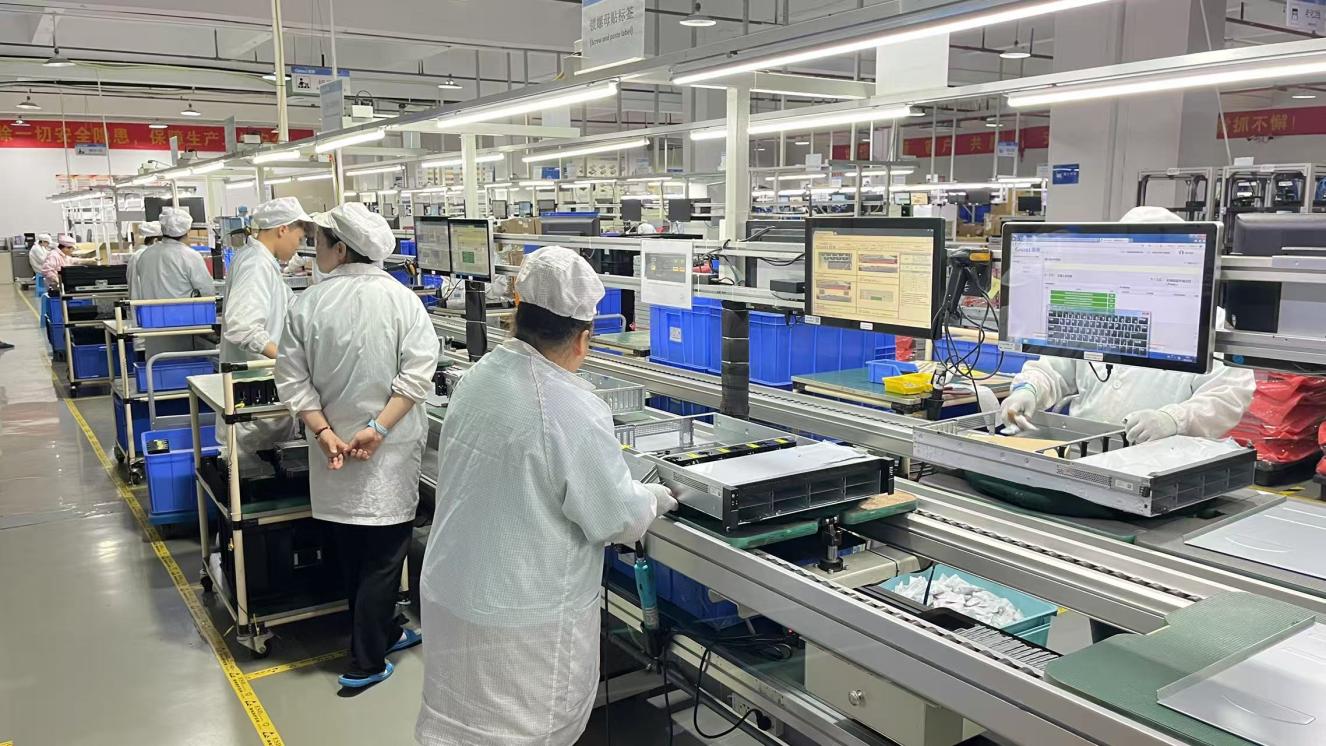
During SMT mounting, Automated Optical Inspection (AOI) scanners check solder quality and component placement, helping to prevent solder bridge defects on high-frequency lines.
Products undergo high-temperature aging chambers and burn-in testing to check stability under heavy computing workloads and long-term operating conditions.
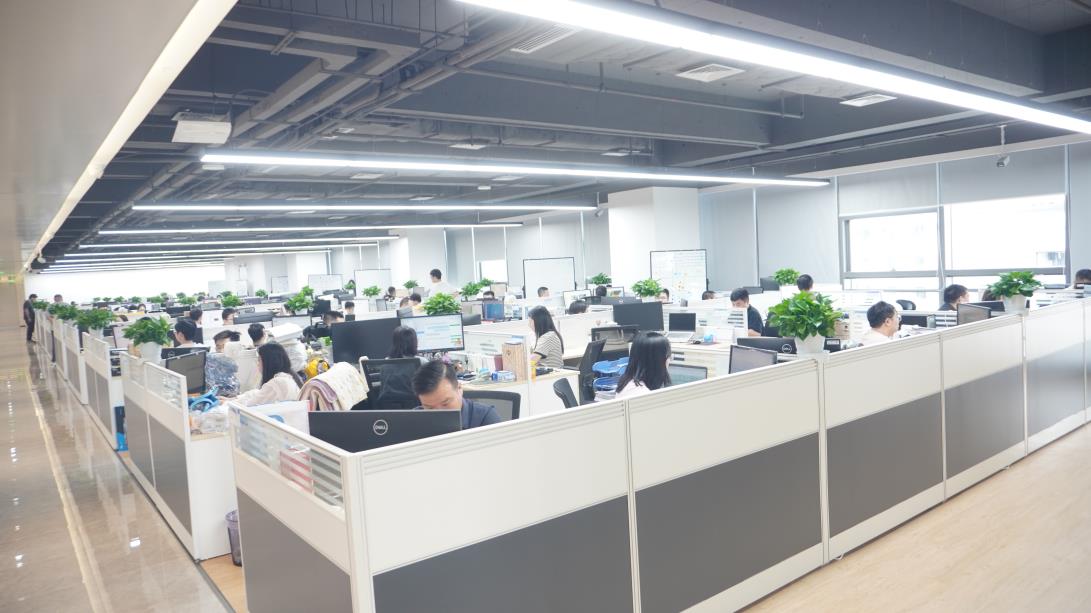
Supported by 56 QC professionals and an ISO 9001 Quality Management System, Celtrix carries out detailed testing at every stage of production. Additionally, our 142 R&D engineers work to resolve compatibility challenges between modern operating systems, high-speed interfaces, and host chipsets (Intel, AMD, ARM), keeping our hardware aligned with current industry standards.
The industry is rapidly shifting toward faster interfaces and higher storage density. The main driver of this transition is the integration of PCIe Gen 5.0 in SSD drives and the growing adoption of DDR5 DRAM. Together, these technologies double the bandwidth compared to the previous generation, helping to prevent I/O bottlenecks in data-heavy applications.
DDR5 memory modules introduce on-die Error Correction Code (ECC), dual 32-bit subchannels, and Power Management Integrated Circuits (PMIC) directly on the module board. This change moves power management from the motherboard to the module, improving signal integrity and reducing power draw. Celtrix supports this shift with high-speed DDR5 modules running at 5600MHz and 6000MHz, designed for modern enterprise server platforms.
With write and read speeds reaching up to 14,000 MB/s, PCIe 5.0 SSDs are designed to meet the high data demands of modern computing environments. These drives require robust thermal designs and high-integrity PCB substrates to prevent signal loss. Celtrix matches this trend by providing high-frequency PCBs using Rogers and high-TG FR4 materials, supporting the assembly of reliable high-speed storage components.
For system integrators, distributors, and brand owners, sourcing SSD drives and RAM modules involves evaluating several key factors to ensure long-term stability and product reliability:
Get answers to common questions about memory technology, supply chains, and custom manufacturing options.
Celtrix integrates memory module design, high-frequency PCB manufacturing, and SMT assembly under one quality management system. With a 28,600 m² factory and 142 R&D engineers, we provide custom SPD programming, tailored thermal designs, and extensive compatibility testing to ensure reliability in server and industrial environments.
We perform compatibility testing across mainstream server and desktop motherboards from brands like Intel, AMD, and Supermicro. Our engineering team designs custom SPD parameters to match specific processor and memory controller requirements, reducing integration issues on the factory floor.
We offer comprehensive customization services, including custom logo printing, heat spreader color and layout designs, capacity adjustments (4GB up to 64GB+ per module), custom SPD programming, private labeling, and tailored packaging solutions to support your brand identity.
All products undergo a strict testing flow: Incoming Quality Control (IQC) for component screening, In-Process Quality Control (IPQC) with Automated Optical Inspection (AOI) during SMT assembly, followed by functional testing, high-temperature burn-in chambers, compatibility testing, and Final Quality Control (FQC) before shipping.
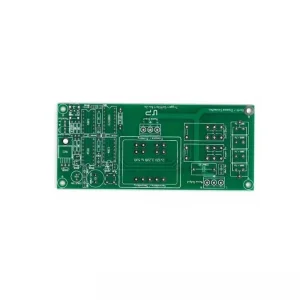
High-frequency PCBs, such as Rogers 4000 and Shengyi FR4 High TG170, minimize signal loss and electrical noise at high data rates. This makes them ideal for demanding telecommunications, high-speed storage interfaces, and radar systems.
Dense server environments (like 1U/2U racks) can trap heat, causing processors and memory to throttle. Our LGA115X copper heat sinks utilize pure copper structures to transfer heat away from key components, keeping operating temperatures within safe limits under high workloads.
Standard production cycles range from 7 to 15 working days, depending on component availability and customization requirements. Our proximity to the logistics hubs in Hong Kong and Shenzhen allows us to offer flexible shipping options and predictable transit times.
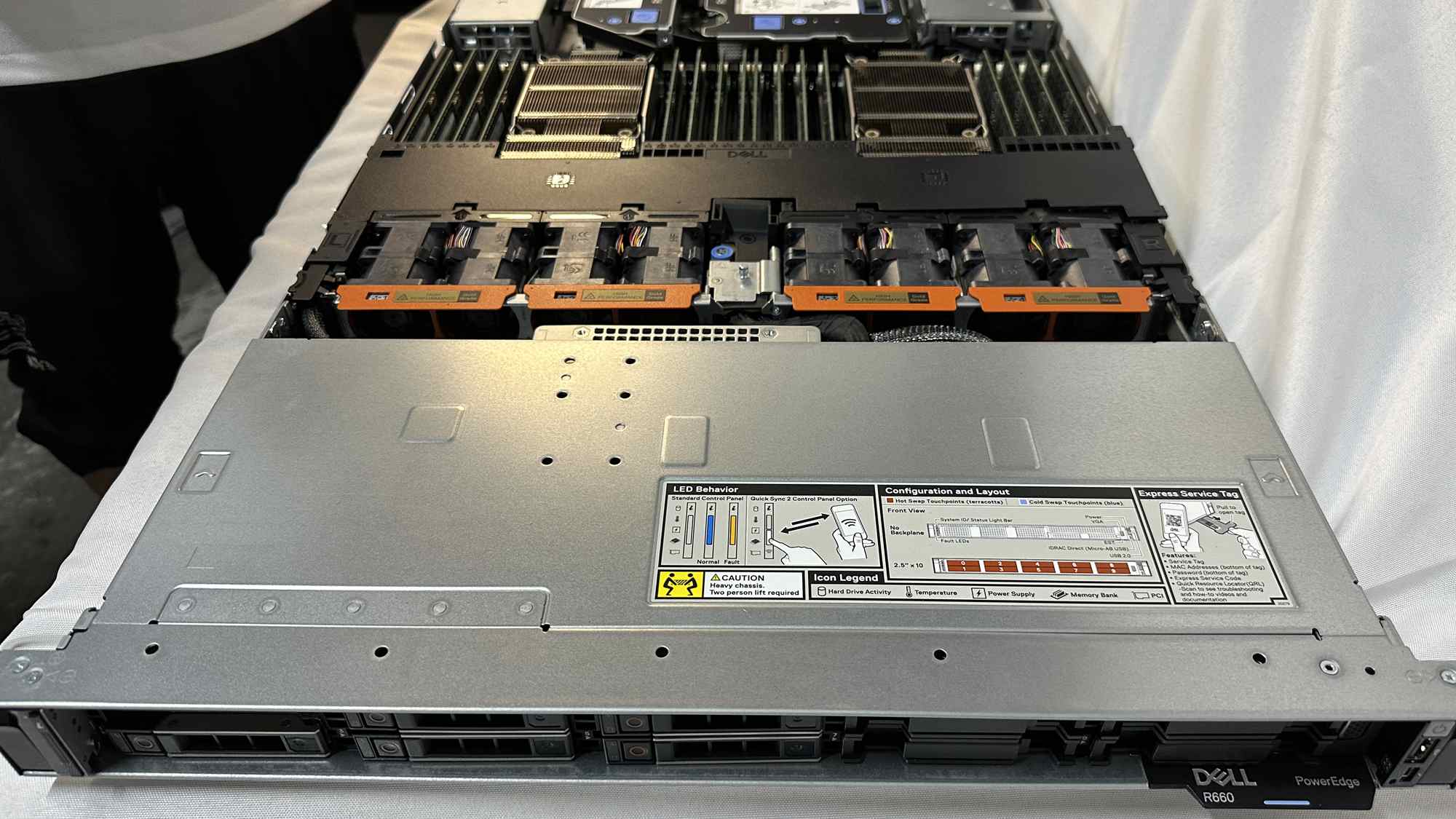
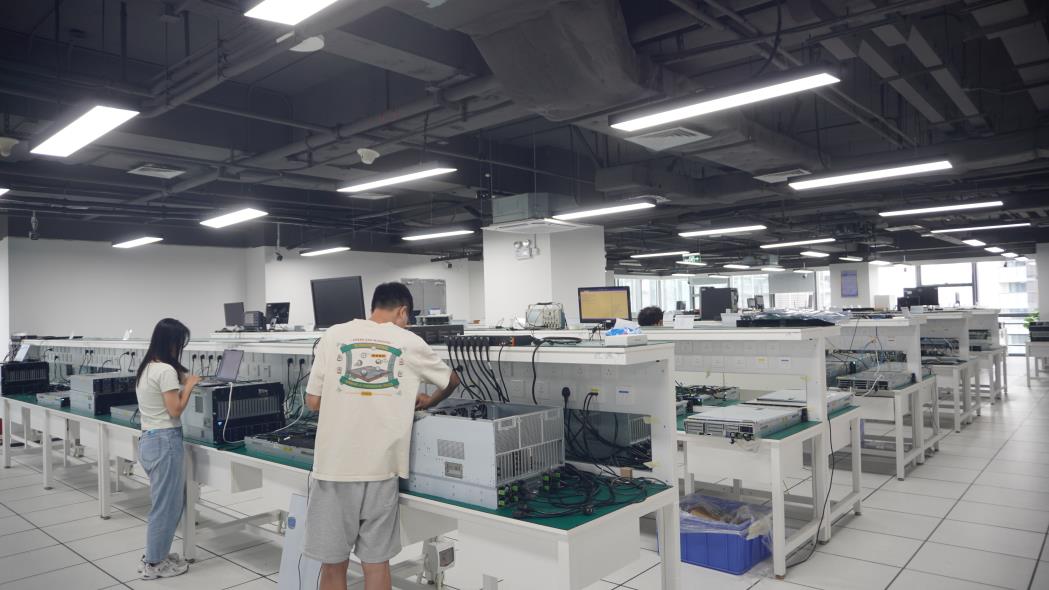
Inside our ISO 9001 certified factory: automated SMT assembly lines, cleanrooms, and testing facilities designed for producing reliable semiconductor and storage solutions.
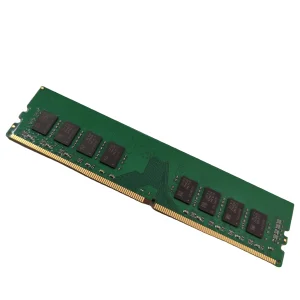
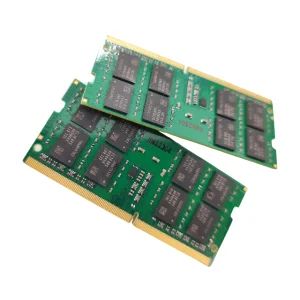
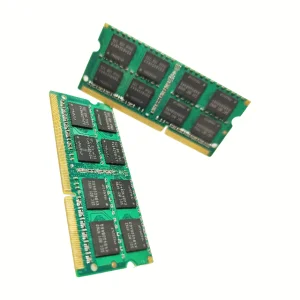
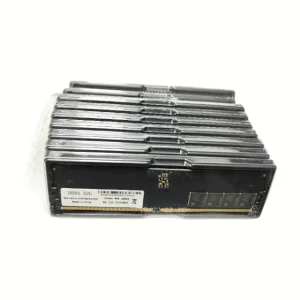
Explore our complete catalog of DDR3, DDR4, and DDR5 RAM modules, along with custom PCBA designs for consumer and industrial applications.
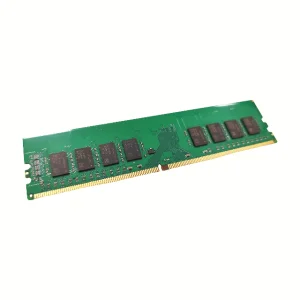
 Celtrix Memory