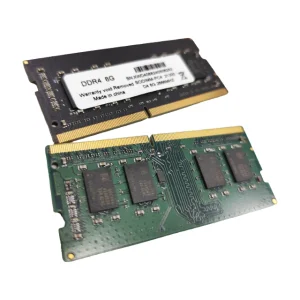
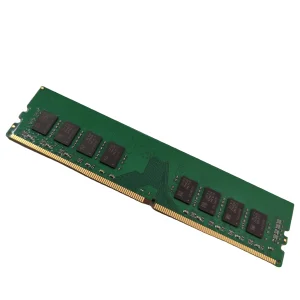
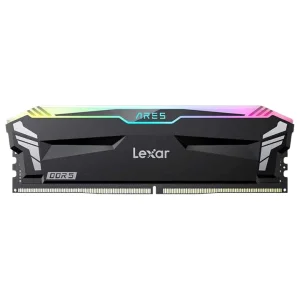
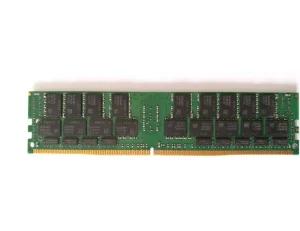
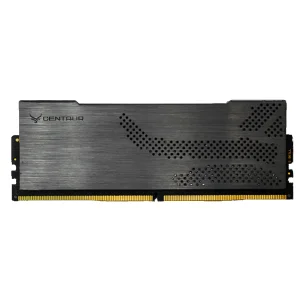
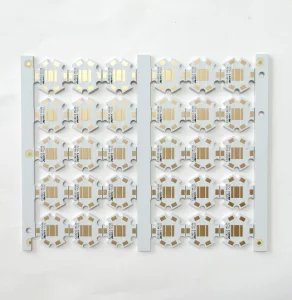
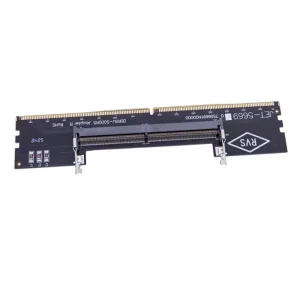
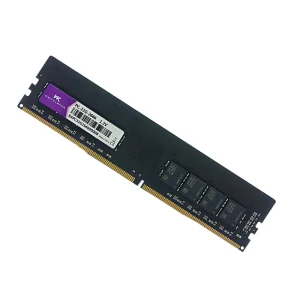
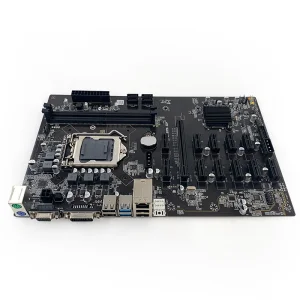
Explore our premium range of DRAM modules, customized processing PCBA circuit boards, and motherboard solutions engineered with precise thermal efficiency.
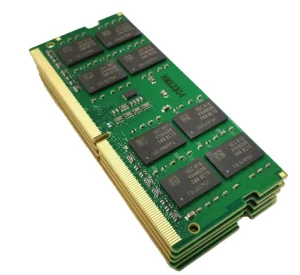
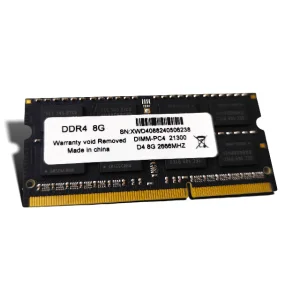
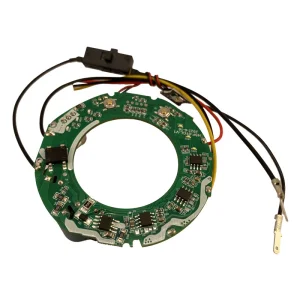
As microprocessors, high-frequency DDR5 memory, and power dense PCBAs increase in operating frequencies, thermal management has transitioned from a minor engineering concern to the primary bottleneck of system performance. In modern server modules, gaming consoles, and industrial automation assemblies, high-power silicon components generate excessive heat flux that can lead to catastrophic thermal throttling or early component failure.
Thermal Interface Materials (TIMs) are specifically formulated to displace air pockets and microscopic surface irregularities between hot semiconductor dies and adjacent heat sinks or metal spreaders. Because air exhibits extremely poor thermal conductivity (~0.026 W/m·K), introducing high-performance TIMs ensures continuous thermal paths that significantly reduce overall thermal contact resistance.
Modern TIM solutions leverage highly optimized silicone or non-silicone polymer matrices filled with conductive ceramics (such as alumina, boron nitride, or aluminum oxide) or metal particles. These compound mixtures allow materials to achieve thermal conductivity levels ranging from 1.5 W/m·K up to 15+ W/m·K, accommodating high-heat applications like DDR5 PMICs and high-speed PCBA designs.
Phase Change Materials (PCMs) represent the vanguard of thermal interfaces, transitioning from a solid state at room temperature to a high-viscosity liquid at operational temperatures. This transition ensures maximum surface wetting and thin bond lines (BLT), optimizing transient thermal response under dynamic computing loads like AI model training and intense graphic processing.
Company Name: Celtrix Memory Technologies Co., Ltd.
Celtrix Memory Technologies Co., Ltd. is a professional DDR5 memory manufacturer dedicated to delivering high-performance DRAM solutions for global customers. Since its establishment in 2017, the company has focused on the research, development, manufacturing, and customization of premium memory products for consumer, industrial, enterprise, and embedded applications.
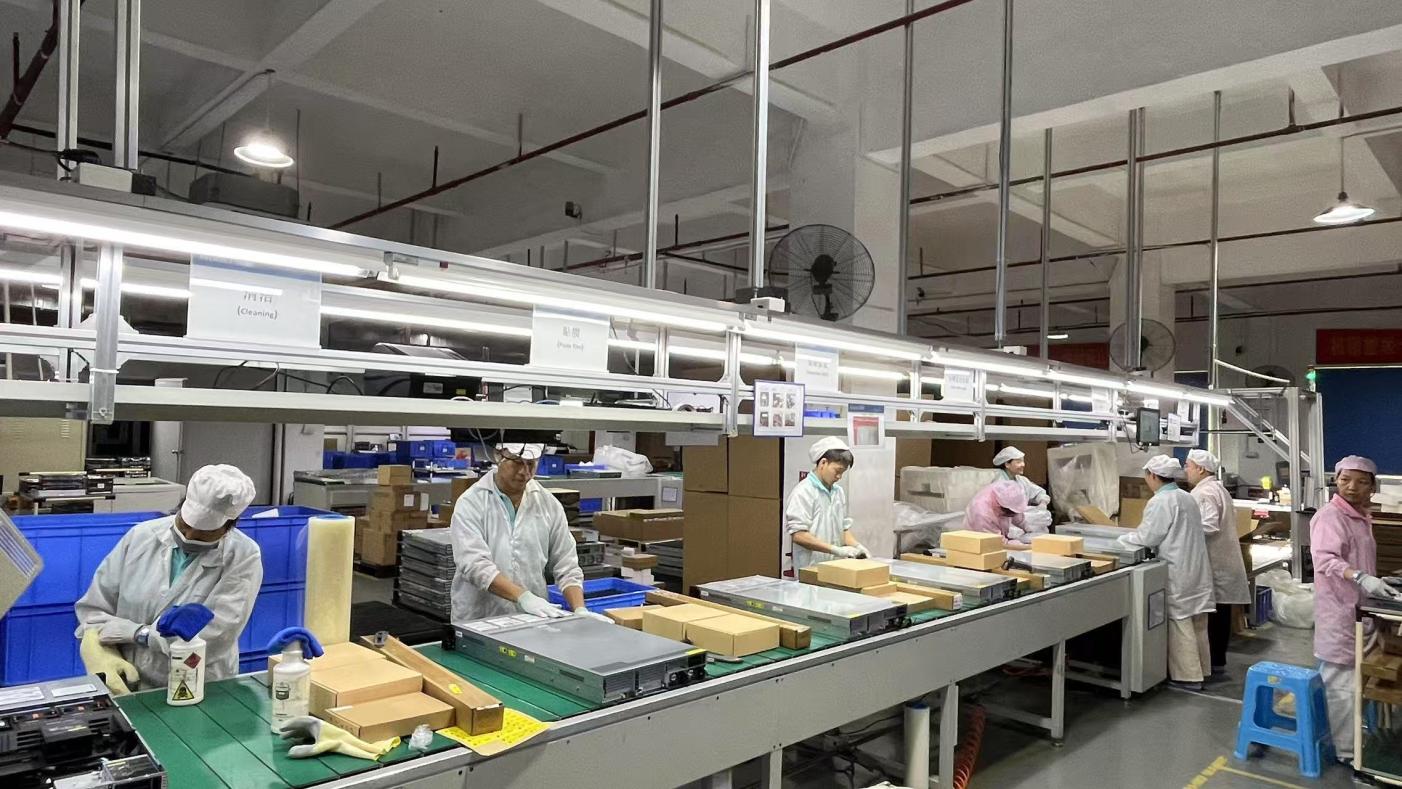
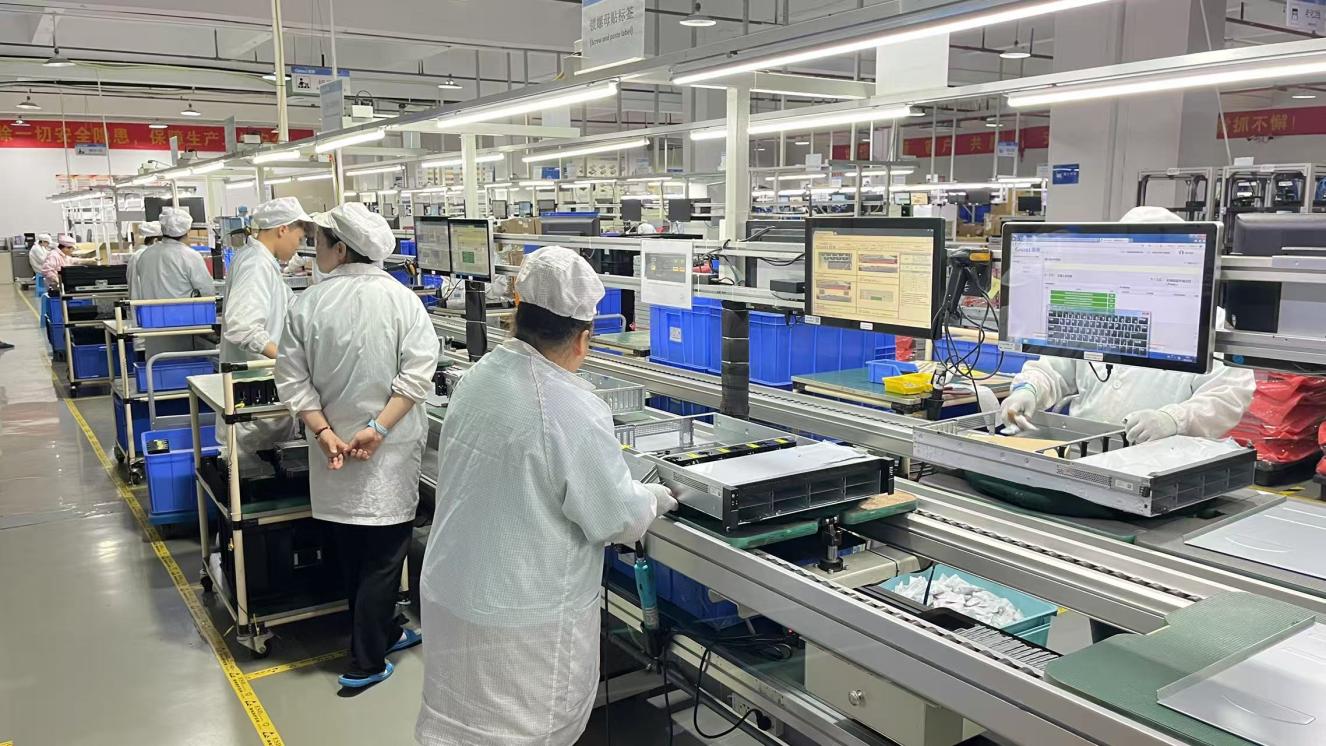
With a modern manufacturing facility covering 28,600 m², Celtrix integrates advanced production equipment, automated assembly lines, and strict quality management systems to ensure reliable product performance and consistent manufacturing standards.
The company has accumulated 9 years of industry experience and 7 years of export experience, serving customers across more than 50 countries. Our annual export revenue exceeds USD 23 million, supported by an efficient global logistics network and responsive customer service.
By integrating memory manufacturing expertise with advanced thermal interface selections, Celtrix provides high-durability hardware that resists heat-induced performance degradation. Our vertical packaging integration ensures that every module is thermally optimized from the factory floor.
As the global hub of electronics assembly and raw material processing, China-based manufacturers like Celtrix deliver incomparable supply chain stability, technical agility, and cost-to-performance optimization. Selecting a Chinese manufacturer for TIMs and integrated electronic assemblies yields distinct advantages:
Our domestic proximity to core chemical processing zones ensures immediate, cost-effective access to raw silicone bases, synthetic polymers, and highly sought-after ceramic filler agents like spherical alumina. This dramatically reduces material procurement times and shields global clients from international shipping delays.
Equipped with state-of-the-art high-speed rotary die-cutters, Celtrix delivers custom-tailored geometries with precision tolerances of ±0.1mm. This allows for the rapid generation of customized thermal pad designs matching irregular PCB layouts, memory chips, and custom PMIC positions.
Our 28,600 m² factory operates automated formulation blending, sheet calendering, and curing systems. By minimizing manual material handling, we achieve batch-to-batch consistency and a high manufacturing yield rate, ensuring highly competitive unit costs for high-volume orders.
Celtrix thermal and hardware designs address complex cooling challenges across various high-growth industries. Our customized thermal pads, phase-change matrices, and aluminum substrates are integrated in the following localized scenarios:
With the rise of dense AI model calculations, server motherboards require TIMs with ultra-low thermal resistance under high compression. Our phase-change thermal interface materials are ideal for cooling multi-chip modules (MCMs) and high-speed DDR5 ECC memory arrays.
Safety-critical automotive electronics demand extreme reliability under thermal cycling and mechanical vibration. Our high-conformability silicone thermal pads absorb shock while providing constant thermal paths from MOSFET components to the liquid-cooling cold plates.
From heavy industrial controllers to high-speed commercial consumer boards, specialized PCBA solutions need thermal dissipation paths. Our custom thermal gel and aluminum PCBs isolate heat-generating components to maintain low junction temperatures.
Smart household equipment, such as high-speed hair dryers and brushless motor controls, pack high power into space-constrained housings. Thin-bond line thermal interface tapes provide mechanical fixation and efficient thermal release.
System integrators, distributors, and OEM/ODM brands face significant roadblocks in raw material sourcing and electronics assembly. Celtrix addresses these challenges directly through a systematic, partner-oriented business strategy:
The Challenge: Lower-grade silicon thermal pads tend to separate oil under high-temperature cycles, fouling optical lenses or causing electrical shorts on adjacent PCBA traces.
Our Solution: Celtrix applies molecularly cross-linked polymers that resist oil bleed-out even at continuous temperatures up to 150°C, ensuring clean, long-term system stability.
The Challenge: Standard thermal pads are often too rigid, causing mechanical stress and bending fragile silicone wafers during assembly.
Our Solution: We customize compression profiles (low hardness down to 15 Shore 00) and scale thicknesses from 0.25mm to 10.0mm, ensuring zero-stress assembly for sensitive components.
The Challenge: Strict export markets in North America and Europe require rigorous environmental compliance, preventing the import of hazardous materials.
Our Solution: Every product from our factory is fully RoHS and REACH compliant, halogen-free, and undergoes strict certification testing before cargo departure.
Quality is the foundation of Celtrix. Every memory module and thermal assembly undergoes comprehensive inspections throughout the production process to guarantee industrial-grade reliability and zero-defect deployments.
Incoming Material Inspection (IQC), In-Process Quality Control (IPQC), Automated Optical Inspection (AOI), and Functional Testing.
Burn-in Test, Aging Test, Compatibility Test, and Final Quality Control (FQC) to confirm electrical and physical stability.
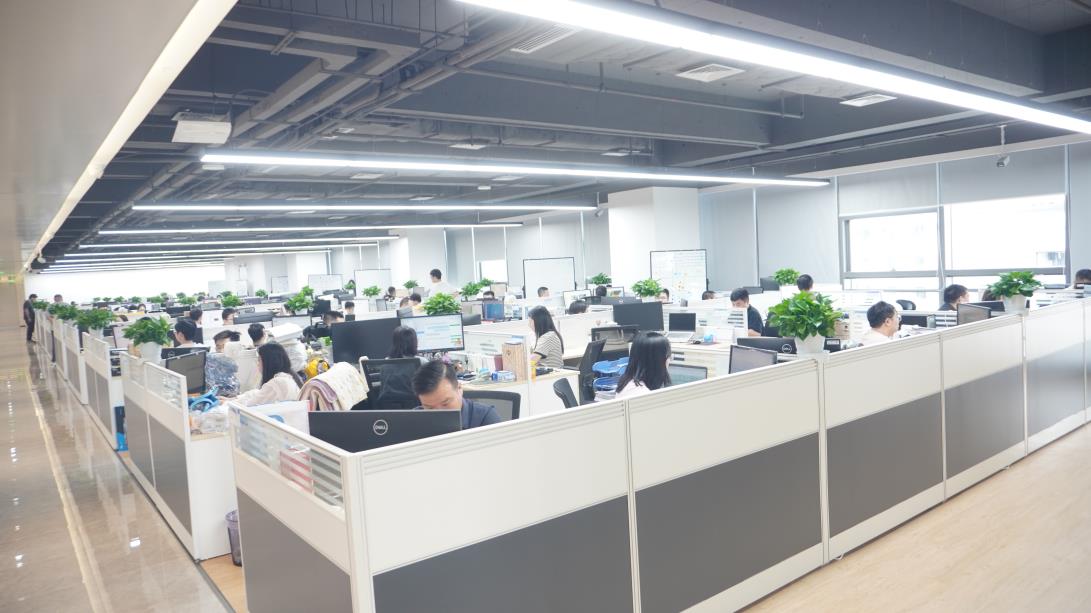
Innovation drives the core business strategy at Celtrix. Our engineering team continuously designs next-generation memory and thermal solutions to address the fast-growing processing needs of AI servers, industrial modules, and custom applications.
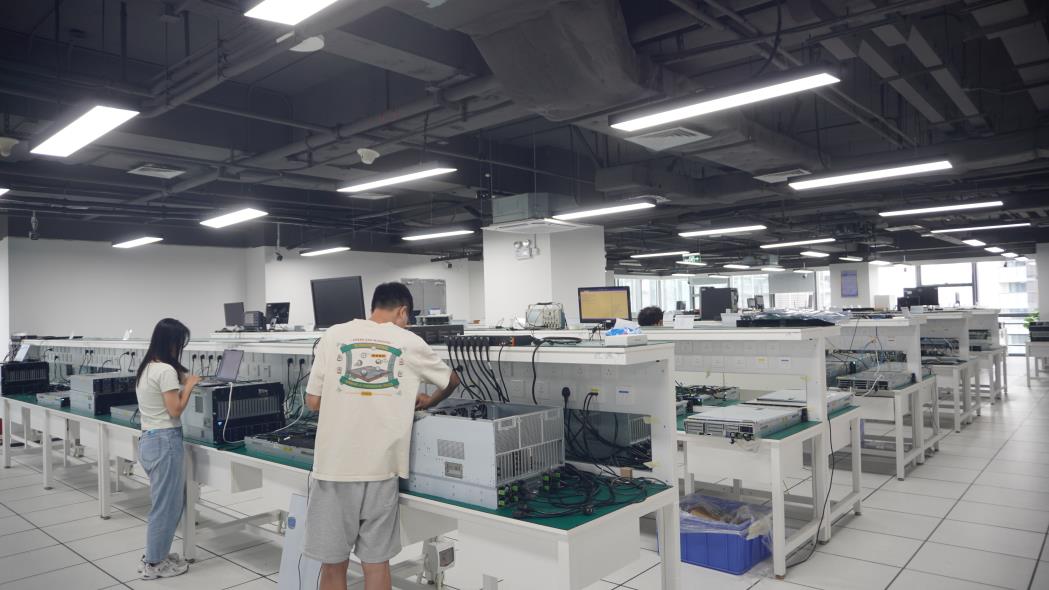
Take a tour of our cleanrooms, automated SMT lines, and testing laboratories. We operate under stringent dust-free controls to ensure semiconductor packaging integrity.
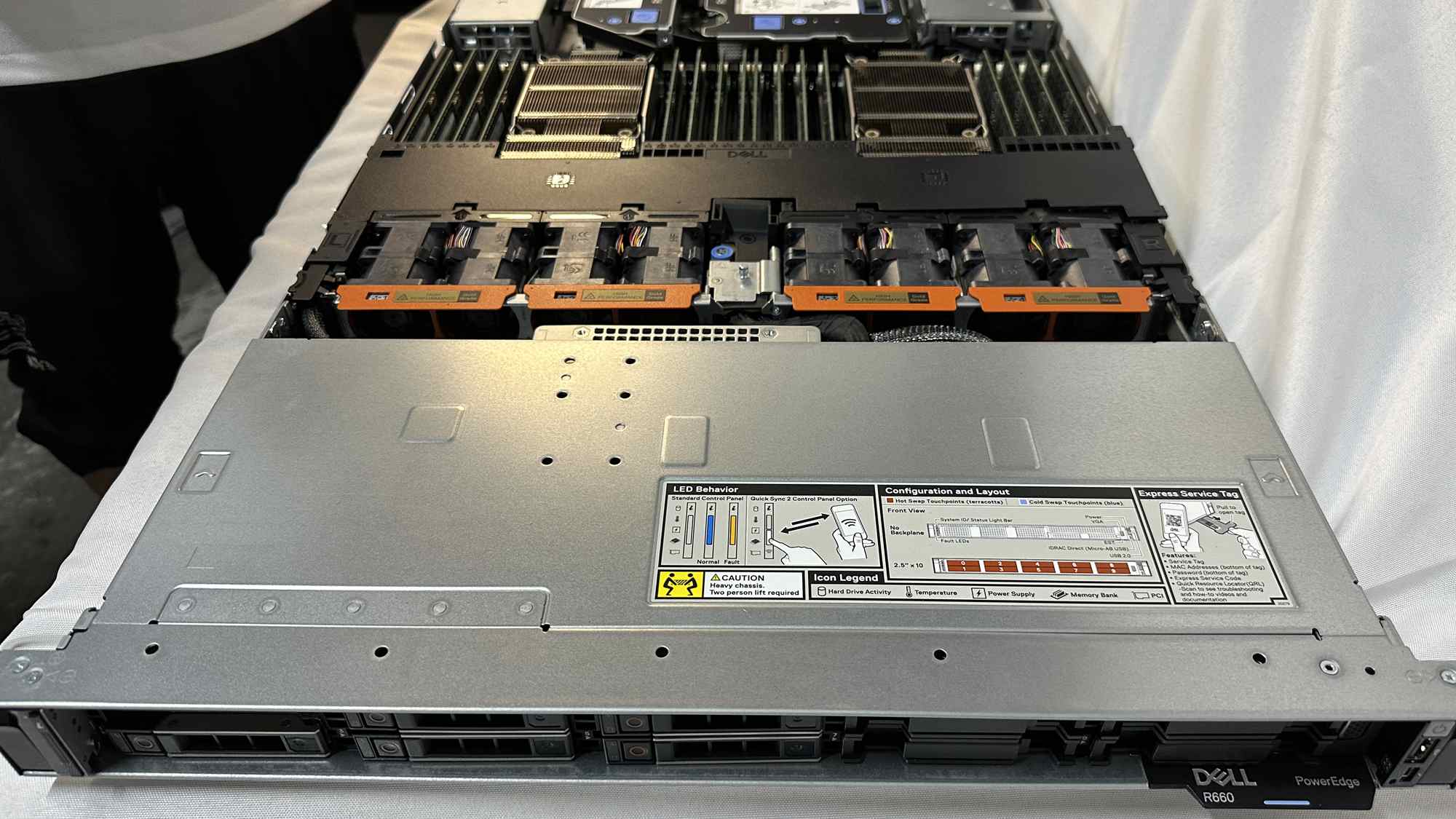
Understand the technical parameters, material selection, and installation techniques crucial for thermal system success.
Explore our additional hardware catalog covering adapter cards, high-density DRAM sticks, and industrial LED substrates.
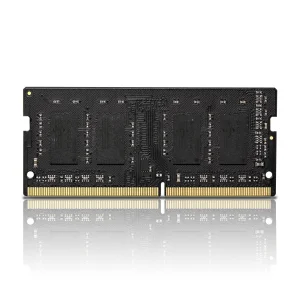
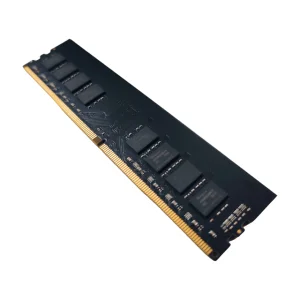
 Celtrix Memory