Explore our selection of top-performing hardware components engineered for enterprise networks, PC builders, and SMT circuit production.
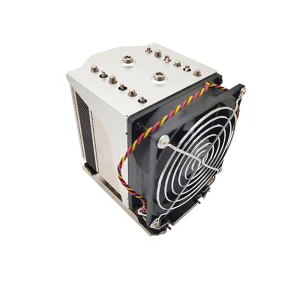
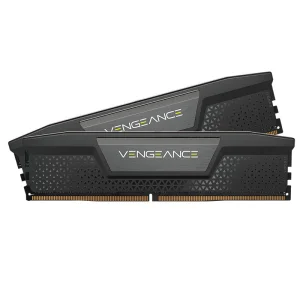
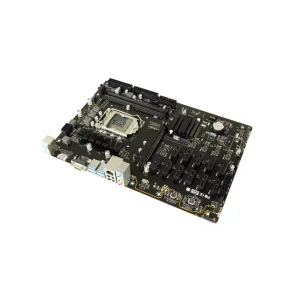
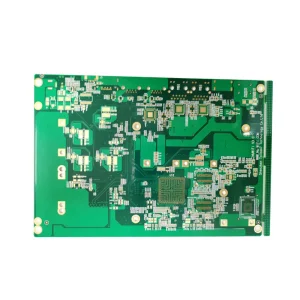
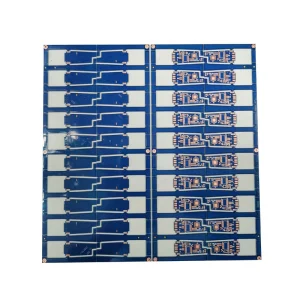
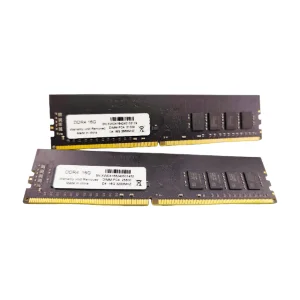
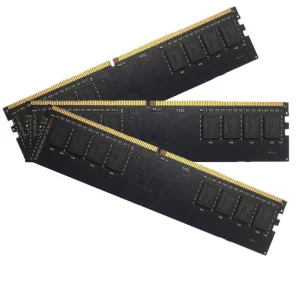
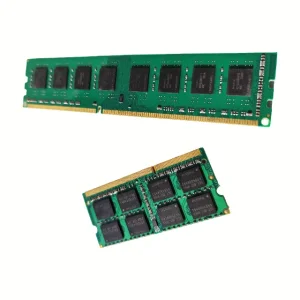
In the contemporary digital landscape, data generation, transport, and processing requirements are experiencing exponential growth. Applications such as Artificial Intelligence (AI) training models, real-time edge computing, large-scale virtualization, and ultra-high-definition graphics processing demand memory sub-systems that deliver not only massive throughput but also rock-solid signal reliability. This environment has transformed the memory module from a secondary computer peripheral into a critical component determining system performance ceiling. As primary memory architecture transitions rapidly from legacy DDR3 and standard DDR4 towards next-generation DDR5 and Compute Express Link (CXL) paradigms, server administrators, system integrators, and brand distributors face high-stakes procurement decisions.
For original equipment manufacturers (OEMs) and original design manufacturers (ODMs), engineering memory modules requires a profound balance of high-frequency design expertise, robust raw material sourcing, and comprehensive quality control. Celtrix Memory Technologies Co., Ltd. serves this exact niche, acting as a technical partner that translates silicon capabilities into localized, customized, and highly optimized DRAM products. Through this industry whitepaper, we dissect the technological landscape, design considerations, and global supply configurations required to source memory systems that support modern server and enterprise architectures.
The progression of Synchronous Dynamic Random-Access Memory (SDRAM) standards is defined by the quest for greater density, higher bandwidth, and lower energy footprints. By tracking JEDEC standard progressions, manufacturers optimize printed circuit board layout architectures to align with silicon-level enhancements.
DDR5 represents a massive leap in how memory chips operate. While DDR4 tops out around 3200 MT/s in official JEDEC specifications, DDR5 starts at 4800 MT/s and reaches past 6400 MT/s, with developmental platforms pushing targets to 8400 MT/s and above. This is made possible by key structural enhancements:
| Feature Specification | DDR3 Technology | DDR4 Technology | DDR5 Technology |
|---|---|---|---|
| Data Rates (MT/s) | 800 - 2133 | 1600 - 3200 | 4800 - 8400+ |
| Nominal Operating Voltage | 1.5V / 1.35V | 1.2V | 1.1V |
| Bus Architecture | 64-bit single channel | 64-bit single channel | 2x 32-bit independent sub-channels |
| Power Regulation Location | Motherboard Layer | Motherboard Layer | On-DIMM PMIC Circuitry |
| Standard Bank Count | 8 Banks | 16 Banks (4 bank groups) | 32 Banks (8 bank groups) |
Looking to the next decade, the industry is already aligning on DDR6 specifications, targeting speeds of up to 12800 MT/s. Concurrently, Compute Express Link (CXL) memory expansion modules are gaining traction. CXL allows hosts to pool high-performance memory over PCIe physical interfaces, breaking down traditional CPU slot boundaries and enabling elastic server scaling in hyper-scale datacenters.
Procuring memory modules at an enterprise scale is fraught with supply volatility, cost fluctuations, and quality consistency issues. Memory chips (DRAM ICs) are highly commoditized components, subject to price cycles influenced by major foundries like Samsung, SK Hynix, and Micron. To build resilience into supply chains, system integrators and tier-2 brand owners require manufacturers that offer stable logistics, structured component sourcing, and transparent lead times.
Celtrix addresses these pain points by maintaining long-term supply agreements (LTAs) with key semiconductor distributors. This allows us to secure reliable, original DRAM silicon even during global wafer shortages. Furthermore, with an established base of over 1,180 supply chain partners, we ensure that passive components, PCBs, PMICs, and thermal solutions remain steadily available to prevent production delays. By managing raw materials proactively, we mitigate sudden pricing spikes, providing our OEM partners with predictable costs and steady scheduling.
Memory modules are not one-size-fits-all. A gaming module pushed to high speeds via Intel XMP 3.0 or AMD EXPO profiles requires completely different trace engineering and thermal cooling than an enterprise server RDIMM tasked with running database cycles 24/7. Celtrix engineers modules optimized for target workloads:
Designed for multi-socket platforms using Intel Xeon and AMD EPYC processors. Features registered clock drivers (RCD) to buffer command/address signals and side-band ECC to guarantee complete reliability in mission-critical applications.
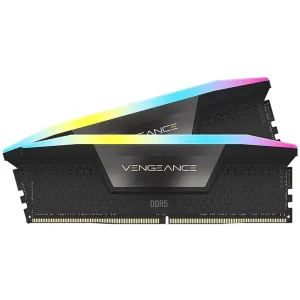
Designed for enthusiasts and gaming builds. Optimized with high-frequency IC profiles, custom PCB layout design for signal integrity, XMP 3.0/EXPO overclocking profiles, and custom aluminum heat spreaders with integrated RGB elements.
Built to operate in extreme environments. Standard with wide temperature tolerance (-40°C to 85°C), conformal coatings to resist moisture/dust, and anti-sulfuration resistors to prevent failure in harsh atmospheric conditions.
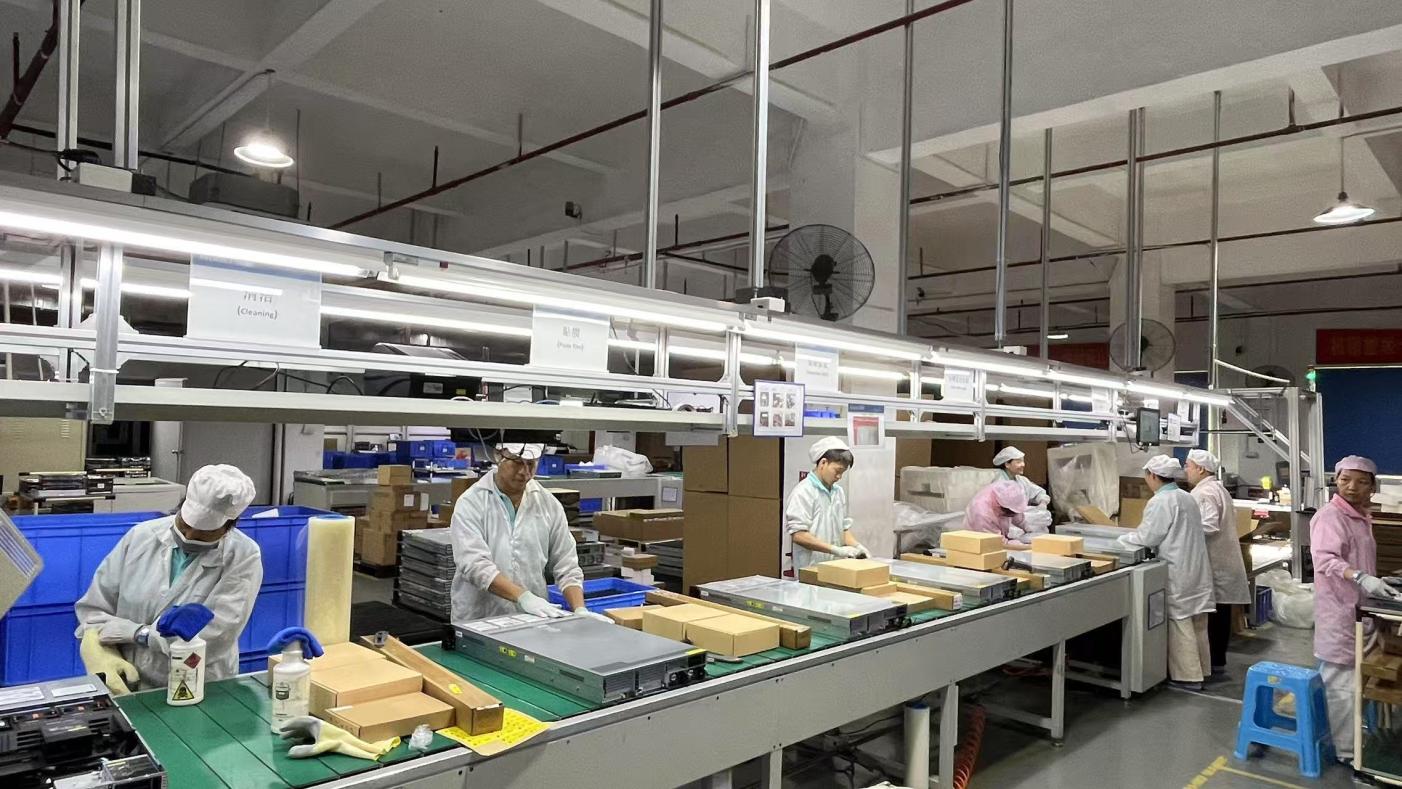
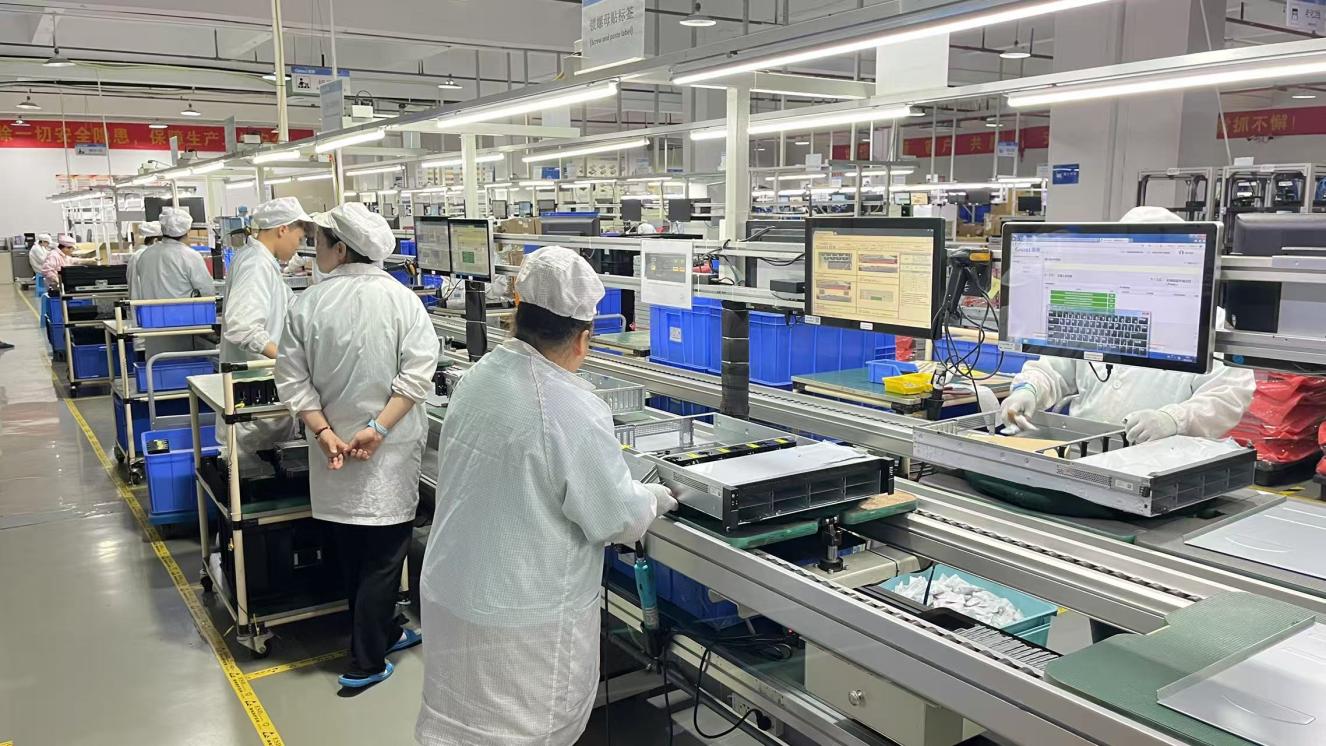
Established in 2017 and backed by 9 years of industry experience, Celtrix Memory Technologies Co., Ltd. has developed into a reliable partner for brand owners, hardware distributors, and system integrators worldwide. Operating out of a state-of-the-art 28,600 m² factory facility, we utilize automated SMT lines, advanced chip-sorting machines, and optical inspection equipment to deliver consistent, high-yield production runs.
Our OEM/ODM services go far beyond simple logo printing. We provide comprehensive design and engineering customization across several key stages:
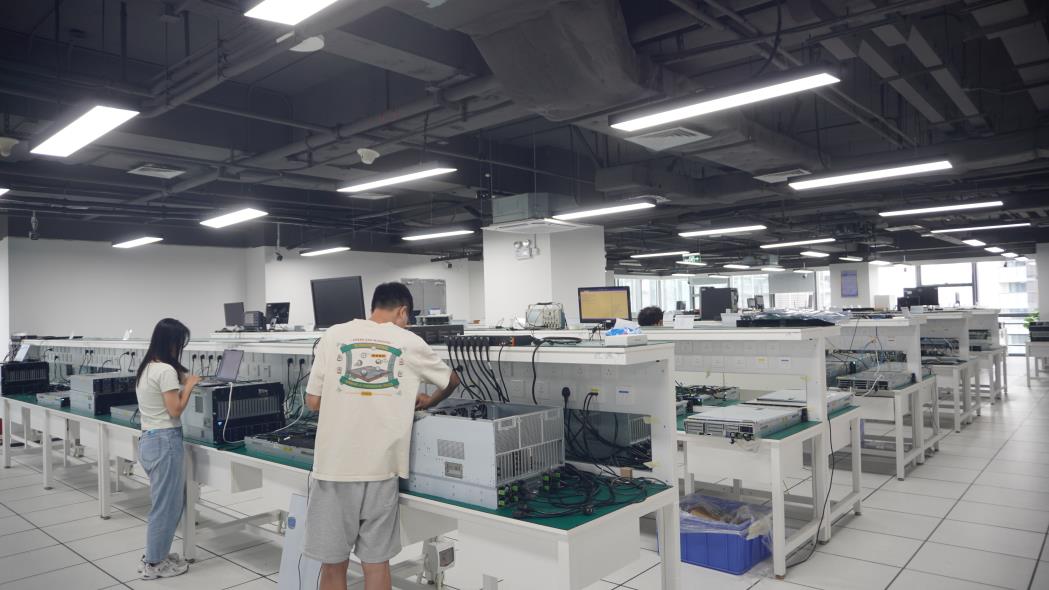
Every Celtrix memory module undergoes a strict multi-phase testing process directed by our team of 56 quality assurance specialists. We maintain an ISO 9001 certified environment, running testing cycles at every point in the manufacturing process:
Exporting high-technology products to over 50 countries requires strict compliance with international trade and environmental regulations. Celtrix products carry CE, FCC, RoHS, and REACH certifications, ensuring they meet the environmental and electrical standards required for import into European, North American, and Asian markets. This compliance simplifies customs processes and guarantees that system integrators can deploy our hardware in consumer and municipal projects alike.
Our sales and logistics teams manage door-to-door freight arrangements, custom clearance documentation, and buffer storage. With an annual export volume of USD 23 million, our team has the scale and experience to manage complex international shipments, providing our clients with predictable logistics costs and reliable delivery windows.
Our 28,600 m² production facility houses modern SMT assembly lines, automated optical inspection systems, and high-frequency testing equipment. These systems allow us to maintain high yields and scale production to meet large enterprise demands.

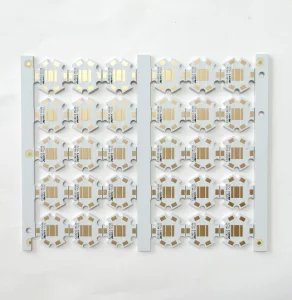
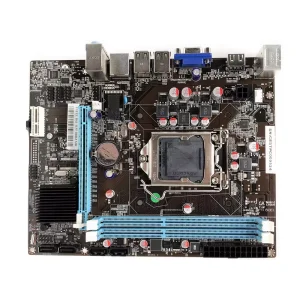
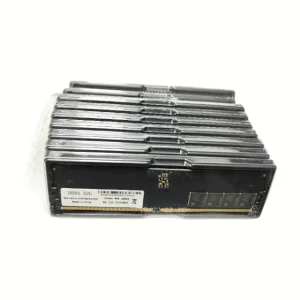
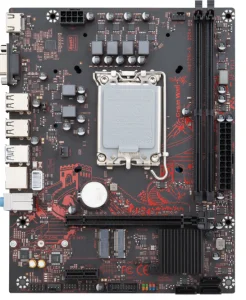
Browse our selection of specialized PCBs, desktop motherboards, legacy memory solutions, and system upgrades.
 Celtrix Memory