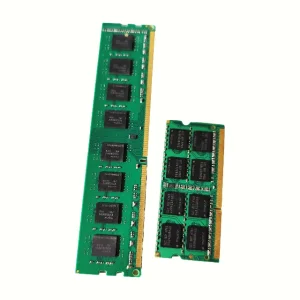
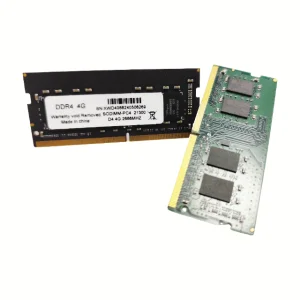
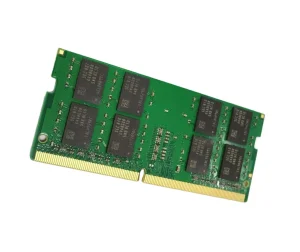
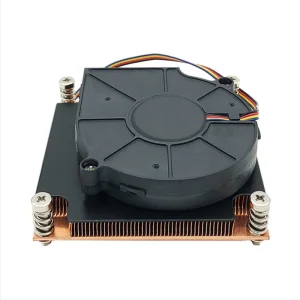
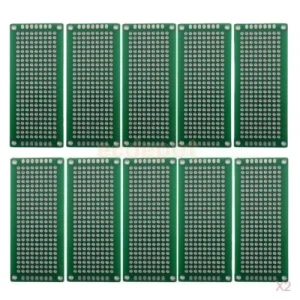
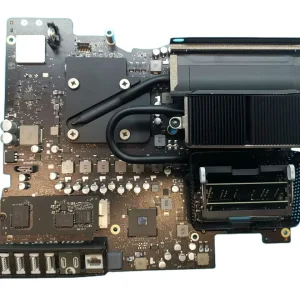
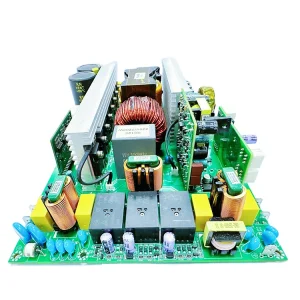
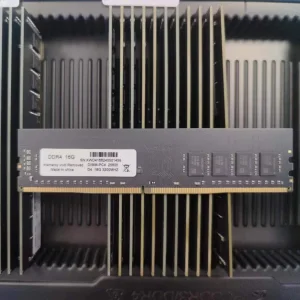
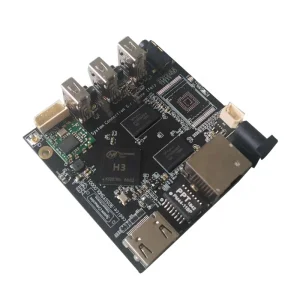
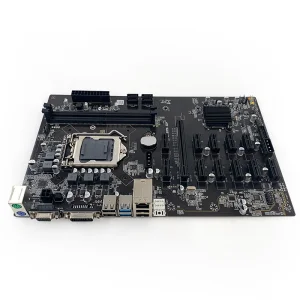
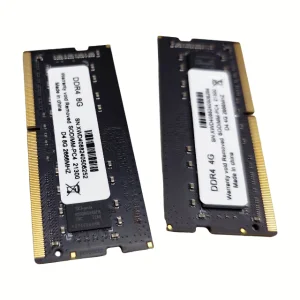
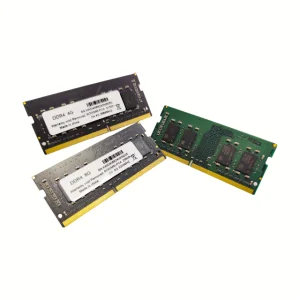
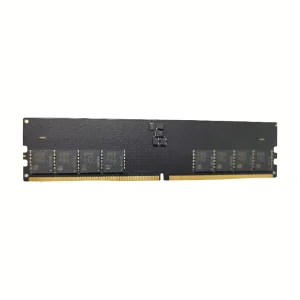
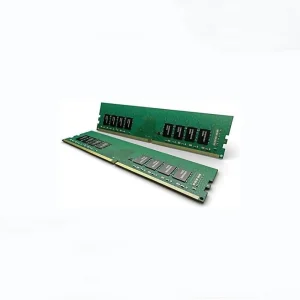
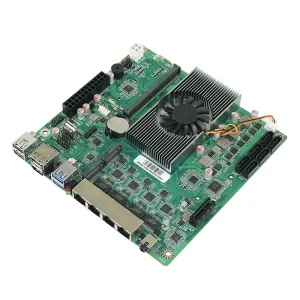
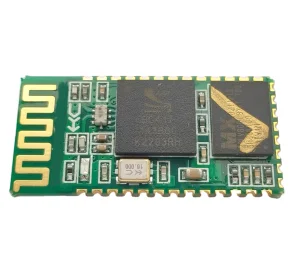
High-reliability modules, advanced PCBA setups, and server hardware integrated with optimized power distribution networks.
In modern electronic architecture, the Power Management Integrated Circuit (PMIC) acts as the central heart of the hardware ecosystem. By regulating, distributing, and monitoring voltage and current across complex semiconductor platforms, PMICs dictate the system's thermal envelope, overall lifespan, and operating efficiency. The transition to high-density server configurations, automotive electrification, and memory technologies like DDR5 has fundamentally reshaped PMIC designs.
Unlike previous architectures where power conversion was centralized on the motherboard, modern systems require localized point-of-load (PoL) regulation. For instance, in DDR5 RAM modules, the power regulation responsibilities shift directly from the mainboard to the memory module itself via integrated PMICs. This reduces signal noise, enhances transient response times, and lowers the power overhead—allowing next-generation processing platforms to achieve optimal efficiency.
Adaptive voltage supply dynamically adjusts power output to match workload demands, dropping active consumption up to 40% during low-load intervals.
Our memory and PCBA solutions strictly adhere to JEDEC PMIC guidelines, enforcing redundant safety mechanisms, thermal monitoring, and precision power telemetry.
Utilizing buck-boost and multi-phase configurations to deliver ultra-clean, ripple-free currents directly to critical compute silicon.
Engineered to operate reliably under extreme environmental factors, catering to EV control boards and solar inverter assemblies.
For over nine years, Celtrix has been a dominant force in DRAM engineering, system assembly, and custom PCBA solutions, powering clients globally.
Established Year
Factory Footprint
Annual Exports
R&D Engineers
New Products Annually
Innovation is the bedrock of Celtrix. Our in-house research teams specialize in tailoring custom layouts for DDR5 memory modules, motherboard PCBA, and photovoltaic inverters. By operating a vertically integrated factory structure, we offer extensive OEM/ODM support including logo printing, board layout modifications, heatsink structural styling, SPD programming, and complex packaging designs.
Our manufacturing capacity is calibrated to produce high-yield runs while maintaining the versatility needed for customized, short-run specialty hardware. Backed by 142 R&D engineers, we released 168 new product designs last year, demonstrating our agility and commitment to adapting to shifts in standard architectures and customer requirements.
A power delivery or memory subsystem is only as good as its reliability. Celtrix implements an ISO 9001:2015 certified quality framework, manned by 56 dedicated QA professionals. Our inspection cycle ensures that no sub-standard components enter the field, covering the following structural checkpoints:
The surging demand for localized power management systems across various business sectors.
As server clusters shift from standard DDR4 architectures to high-speed DDR5 platforms, power management becomes a local hardware design priority. Placing the PMIC on the DIMM rather than on the motherboard enables lower voltage drops and more precise voltage rail regulation, making high-quality, high-speed RAM and server-grade memory arrays essential to maintaining stability in complex computing environments.
Modern renewable platforms like photovoltaic (PV) inverters demand complex, industrial-grade power delivery boards. Our high-efficiency PCBA assemblies ensure robust energy harvesting and inversion, handling extreme current ranges and thermal variations while maintaining minimal parasitic power draw.
Consumer electronics, ranging from high-performance desktop systems and customized iMac boards to low-power set-top boxes, rely heavily on smart power scheduling. We specialize in producing versatile logic boards and custom PCBA designed to minimize standby consumption and manage heat dissipation effectively.
| Application Scenario | Typical Input Voltage Range | Integration Level Required | Primary Power Management Goal | Target Customization Options |
|---|---|---|---|---|
| DDR5 Server DRAM | 12V Local input to DIMM | Ultra-High (Sub-channel buck converters) | Minimized ripple, individual rail telemetry | SPD tailoring, high-speed compatibility validation |
| Renewable Energy PV Inverters | Wide DC Voltage range (400V - 1000V+) | Modular (Discrete high-power switches) | Maximized conversion efficiency, thermal durability | Heavy copper PCBs, custom heatsink mounting |
| Embedded Smart Terminals | 5V / 12V inputs | Single-Chip (Multi-channel buck/LDO configurations) | Standby power reduction, compact design layout | Custom form factors, pre-programmed power profiles |
| Industrial Automation Equipment | 24V Industrial standard rails | High Isolation (Galvanic isolation, protection circuits) | Long-term system stability, electrical noise defense | Conformal coating, high-reliability component sourcing |
The efficiency of manufacturing in China is built on decades of supply chain integration and optimization. At Celtrix's 28,600 m² modern factory, we leverage these advantages to deliver top-tier OEM/ODM solutions to our global clientele. By locating our operations within regional electronics ecosystems, we secure immediate access to certified silicon wafers, high-grade capacitors, and standard circuit board substrates.
This localized supply network drastically reduces shipping costs and component lead times. Our partners benefit from rapid prototyping cycles, transitioning customized PCBA designs from digital schematic stages to physical prototypes in days rather than weeks. Combined with highly automated SMT lines and high-volume test fixtures, we ensure our global partners remain highly competitive in cost-to-performance metrics.
By partnering with over 1,180 tier-one raw material suppliers, Celtrix ensures stable production schedules even during complex market supply adjustments.
Where the power management industry is heading, and how we are preparing our capabilities.
Gallium Nitride (GaN) and Silicon Carbide (SiC) are transforming high-frequency and high-voltage power regulation. Offering lower thermal profiles, significantly faster switching speeds, and reduced energy losses compared to traditional silicon, they enable smaller, more efficient PMIC configurations in high-density servers and photovoltaic systems.
The consolidation of discrete MOSFETs, gate drivers, and passive components into a single multi-chip package (MCP) or monolithic layout is accelerating. This approach minimizes trace resistance, mitigates electromagnetic interference (EMI), and allows designers to integrate complex power delivery directly onto high-density PCBs.
Modern power networks require real-time feedback. Next-generation PMICs communicate directly with host processors using standard digital bus interfaces like I2C, I3C, or PMBus. This enables precise current, voltage, and temperature monitoring, helping smart platforms mitigate failures before they occur.
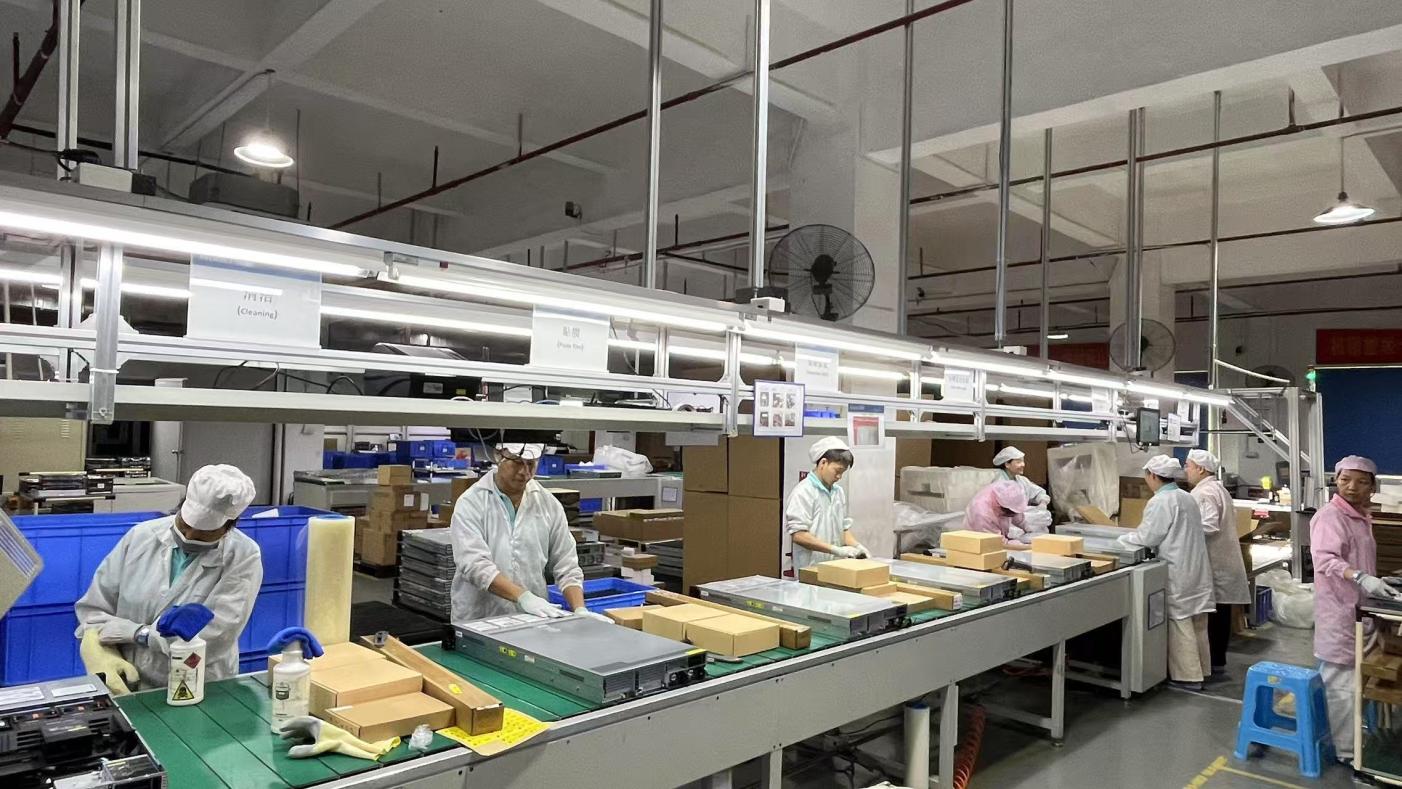
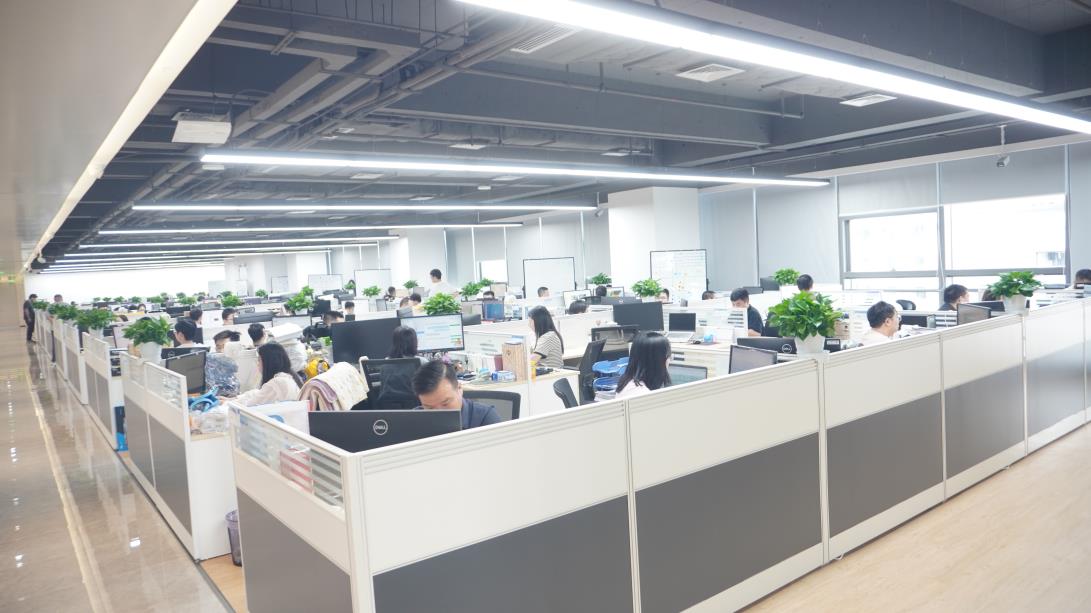
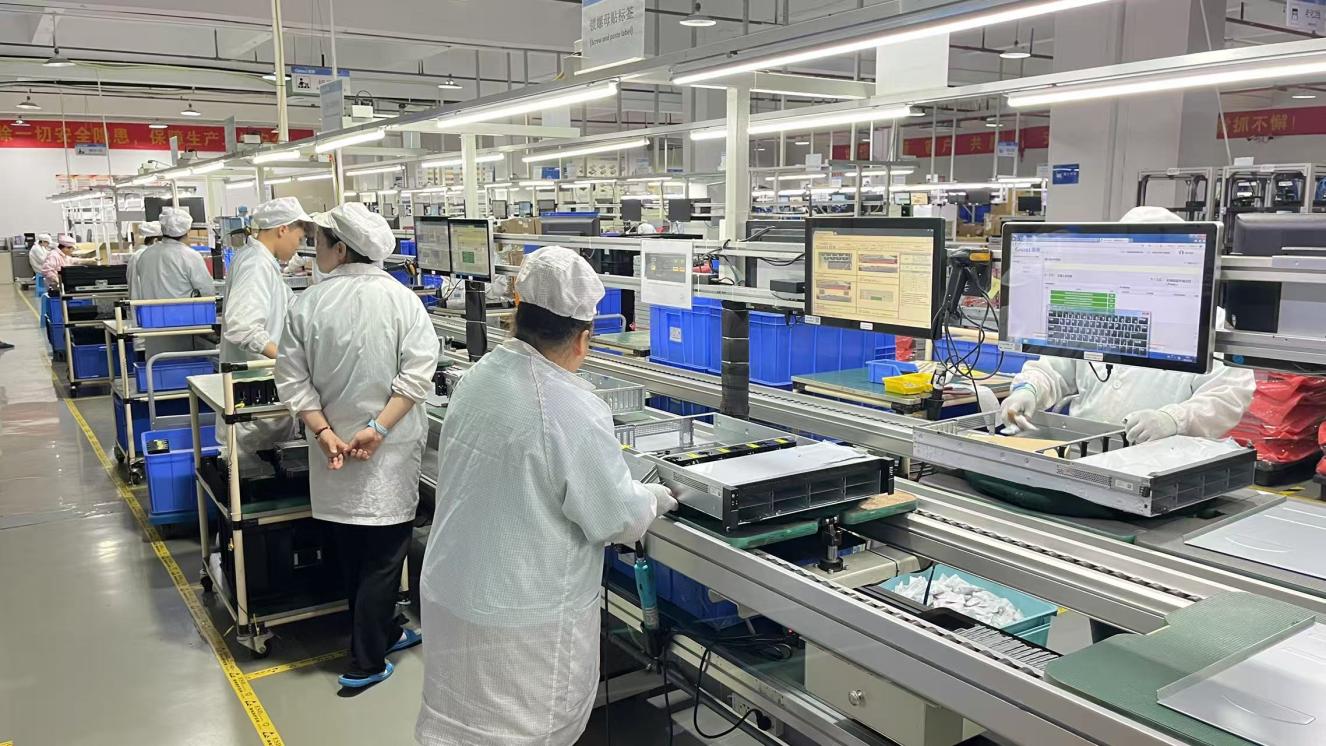
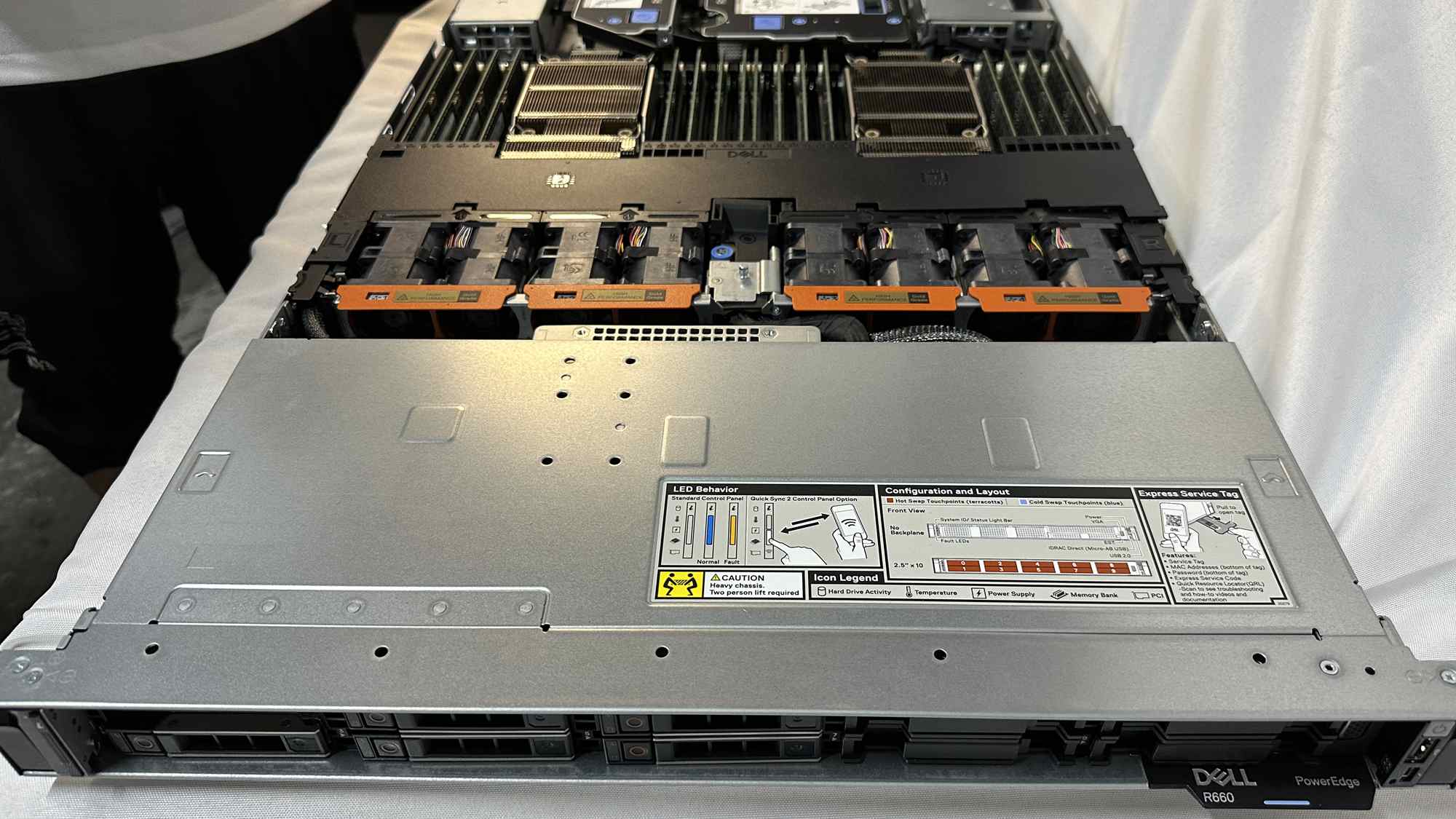
A look into our production lines, testing laboratories, and shipping hubs, showcasing the precision and control built into our products.
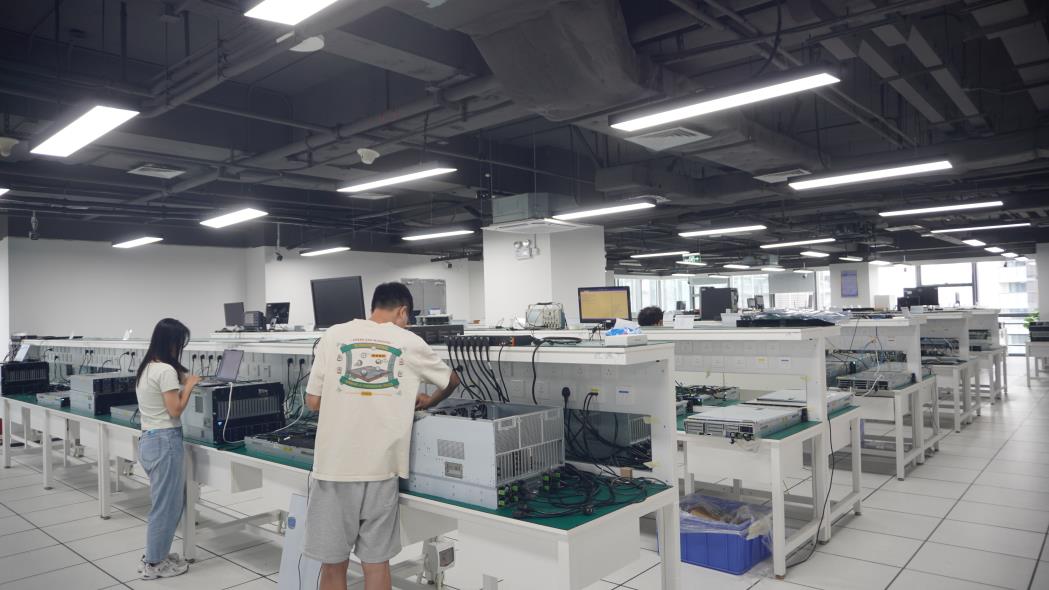
For international buyers and procurement managers, maintaining a resilient semiconductor supply chain is essential. Fluctuations in raw material availability, shipping delays, and shifting regulatory standards can quickly lead to costly line disruptions. Managing these risks requires working with established partners who offer transparent supply chains and comprehensive quality guarantees.
At Celtrix, we address these challenges by providing thorough tracking of raw materials and active supply chain management. Every production run is documented, enabling clear batch traceability. Our logistics teams handle the complexities of customs processes, export compliance, and global delivery routes, ensuring your systems arrive on schedule and in compliance with local specifications.
Expert technical insights regarding our OEM/ODM operations, technology integration, and custom manufacturing processes.
A wider selection of server components, customized PCB assemblies, and high-speed memory modules designed for industrial operations.
 Celtrix Memory