The global sanitization and disinfection market is undergoing a paradigm shift. Traditional chemical disinfectants and mercury-based ultraviolet lamps are rapidly being phased out, driven by environmental mandates such as the Minamata Convention on Mercury. In their place, solid-state Ultraviolet-C (UVC) LED technology has emerged as the definitive solution for air, water, and surface sterilization.
Operating within the germicidal wavelength band of 260nm to 280nm, UVC LEDs disrupt the DNA and RNA molecular structures of microorganisms, rendering pathogens like bacteria, viruses, and molds inactive without chemical residuals. Today, global commercial and industrial sectors are integrating UVC LEDs directly into consumer appliances, municipal water plants, commercial HVAC units, and medical devices. The scalability, instant-on capability, and architectural versatility of UVC LED chips have transformed them from niche scientific components into mainstream industrial requirements.
Dynamic air purification in HVAC systems and localized air purifiers prevents the spread of airborne pathogens in high-density corporate environments.
Flow-through modules integrated into water dispensers, municipal processing, and industrial lines deliver sterile water on demand.
Utilized in hospital settings, food processing lines, and automated packaging systems to eliminate surface bacteria rapidly.
An efficient UVC LED device is only as good as its electronic backbone and thermal management. UVC LEDs operate at low Wall-Plug Efficiency (WPE), meaning the majority of input electrical energy is converted into heat rather than light. Without advanced thermal dissipation, UVC chips degrade rapidly, suffering from shortened lifespans and drastic drop-offs in optical output power.
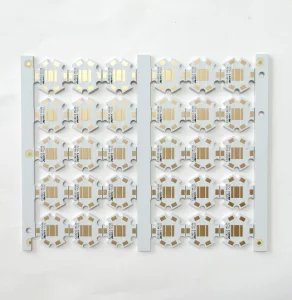
This is where the specialized manufacturing capabilities of Celtrix Memory Technologies Co., Ltd. come to the forefront. Leveraging our established 9 years of industry experience in high-precision semiconductor assembly and PCB fabrication, we manufacture premium thermal-management substrates and driver circuits essential for UVC LED modules. Our specialized Aluminum PCB T6 5050 3535 lamp bead substrates serve as the optimal high-conductivity baseboards for mounting UVC LEDs, ensuring maximum heat dissipation away from the delicate UV chip junction.
| Substrate Parameter / Component Type | Material Specification | Thermal Conductivity | Application Match |
|---|---|---|---|
| Aluminum PCB T6 5050/3535 Substrate | High-Grade Aluminum Core | 2.0 W/mK - 3.0 W/mK | UVC LED High-Power Surface Mount Packages |
| Copper-Clad Substrate (Optional) | Direct Copper Bonding (DCB) | > 380 W/mK | Ultra-High-Density Industrial Germicidal Arrays |
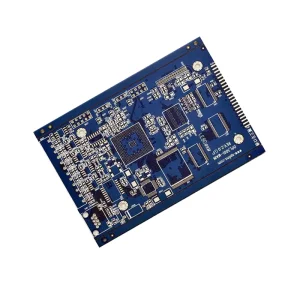
| Smart Controller PCBA Assemblies | FR4 Multi-Layer with Thermal Vias | Standard Electronic control | Automated OEM/ODM UVC Disinfection Driver Boards |
China has solidified its position as the global epicentre for optoelectronic manufacturing, and the UVC LED sector is no exception. The efficiency advantages of Chinese fabrication facilities are driven by a tightly integrated supply chain, cutting-edge automation, and an abundance of engineering expertise.
From raw semiconductor substrate crystal growth (AlN) to epitaxial wafer growth, chip dicing, packaging (SMD 3535, 5050), and final SMT driver assembly—every node of the value chain is localized. This proximity reduces transit times and allows for rapid design-in cycles.
Operating out of massive, state-of-the-art facilities enables manufacturers like Celtrix to lower unit costs while maintaining stringent quality control. This allows global distributors and system integrators to secure premium-tier hardware at highly competitive price points.
OEM/ODM customers benefit from highly flexible design pipelines. Our engineering teams can modify optical configurations, driver circuits, and outer enclosures within days, transforming customer concepts into validated prototypes at record speeds.
UVC LED technology is not a one-size-fits-all solution; it requires careful calibration based on target pathogens, ambient environment, and mechanical constraints. Below are the key localized applications where OEM/ODM integrated systems show superior performance:
Dynamic flow-cell reactors that illuminate only when water is flowing, eliminating the heat-build-up issue of traditional UV lamps and guaranteeing 99.99% pathogen reduction at the point of consumption.
Miniaturized UVC LED modules integrated into humidifiers, ice makers, and vacuum cleaners to continuously prevent biofilm formation in internal reservoirs and on high-touch surfaces.
Low-temperature resilient UVC modules designed for cargo bays and cold storage units, suppressing mold and bacterial proliferation on perishables without generating heat or ozone.
For international procurers, sourcing UVC LED components requires strict compliance verification and performance benchmarks. Because ultraviolet light is invisible and potentially hazardous, build quality and safety certifications are non-negotiable. Global buyers must pay close attention to the following procurement markers:
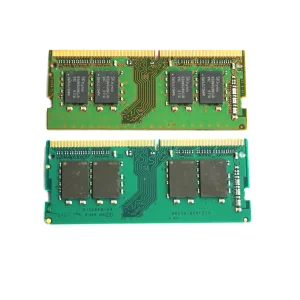
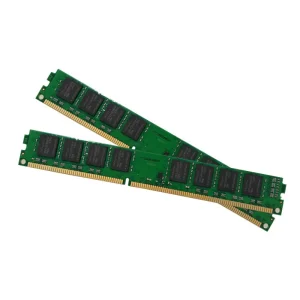
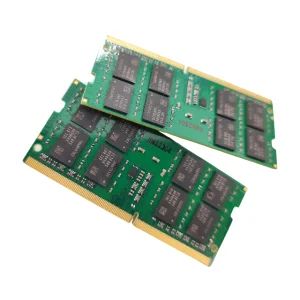
Celtrix Memory Technologies Co., Ltd. is a professional electronics and semiconductor solutions manufacturer dedicated to delivering high-performance DRAM modules, multi-layer PCBs, and advanced optoelectronic solutions for global customers. Since its establishment in 2017, the company has focused on the research, development, manufacturing, and customization of premium memory products and precision PCBA assemblies for consumer, industrial, enterprise, and embedded applications.
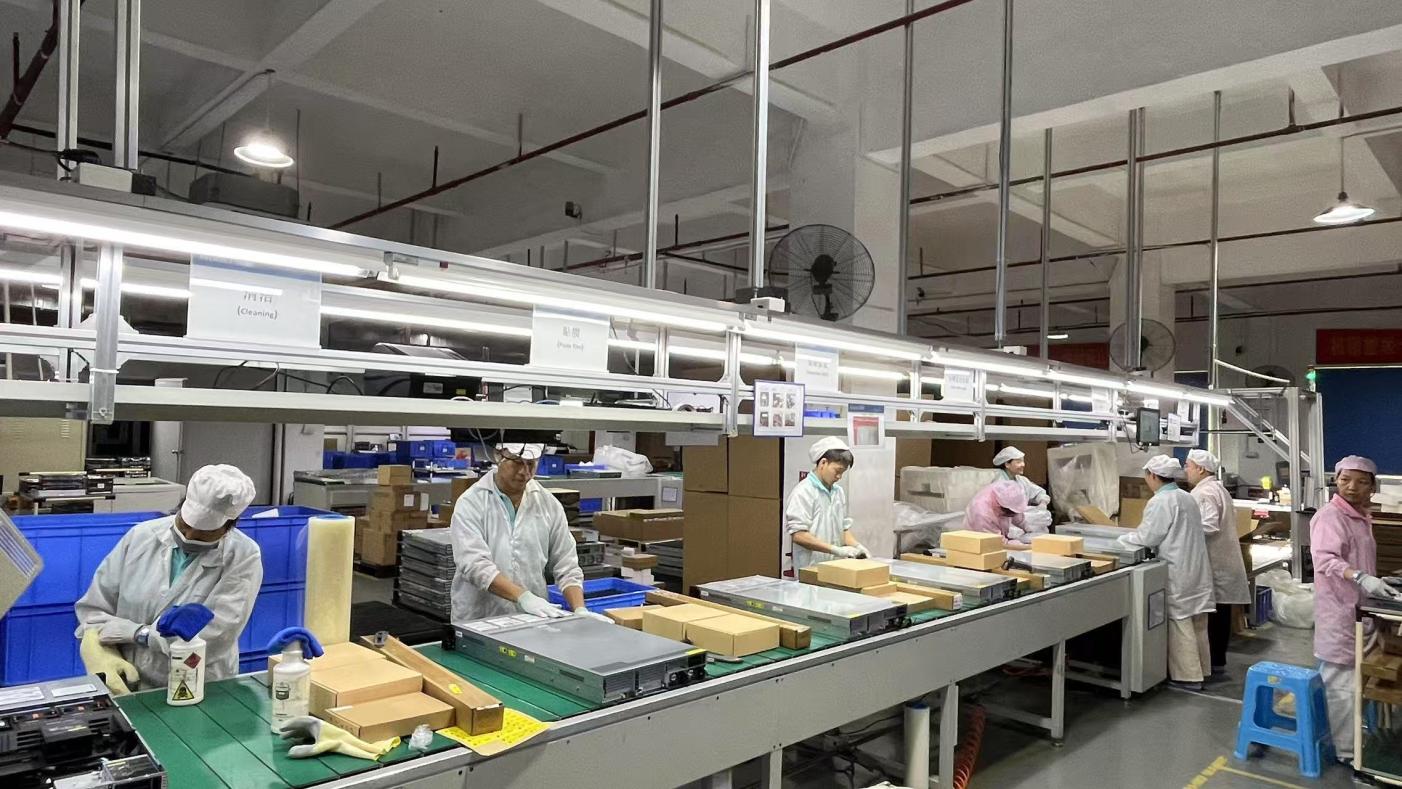
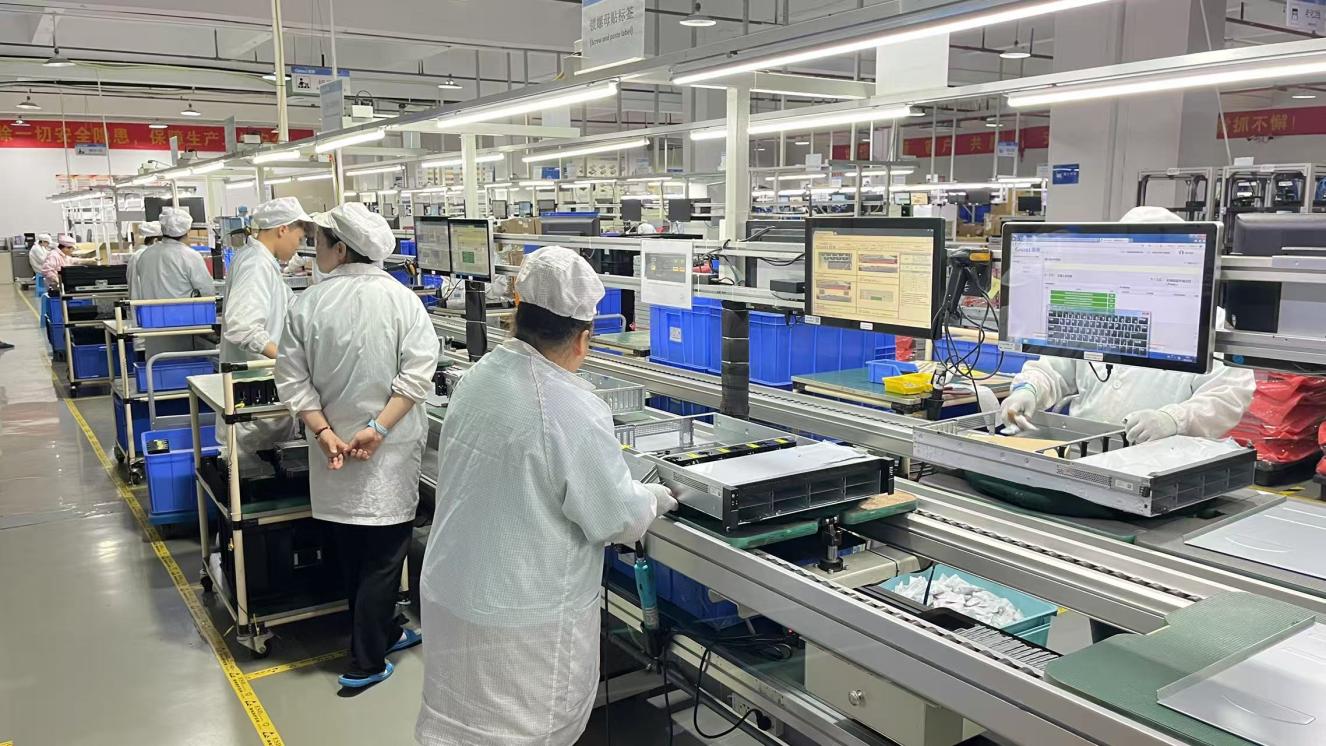
With a modern manufacturing facility covering 28,600 m², Celtrix integrates advanced SMT production equipment, automated assembly lines, and strict quality management systems to ensure reliable product performance and consistent manufacturing standards. Our 9 years of industry experience and 7 years of export experience allow us to serve customers across more than 50 countries, with annual export revenues exceeding USD 23 million.
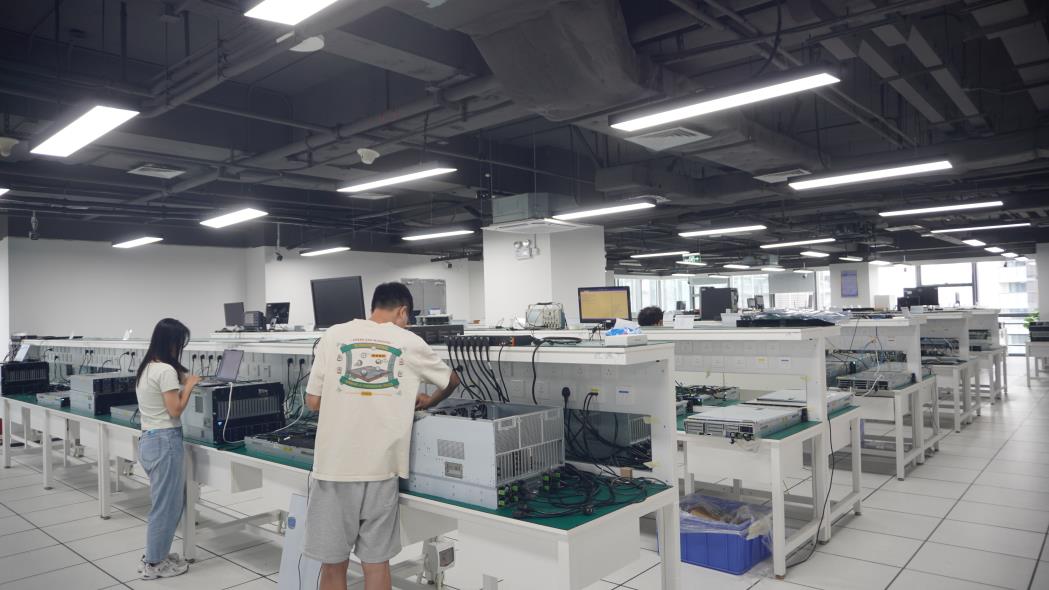
Quality is the foundation of Celtrix. Every assembly line output, whether a DDR5 memory module or a customized Aluminum PCB, undergoes comprehensive inspections throughout the production process. Our quality control team includes 56 professionals executing strict protocols:


 Celtrix Memory