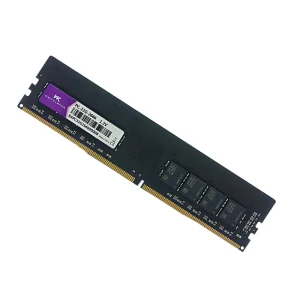
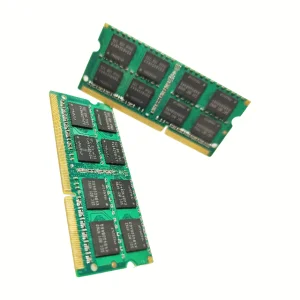
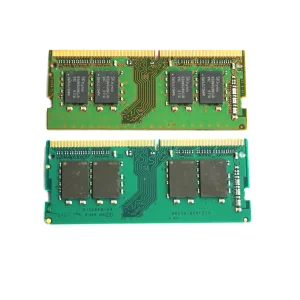
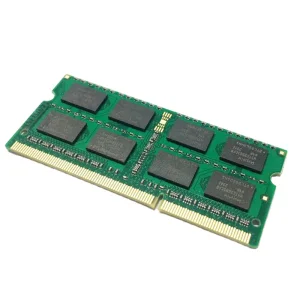
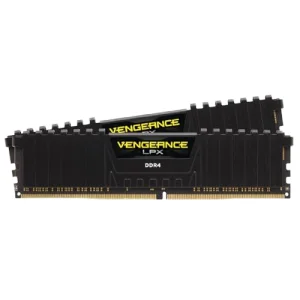
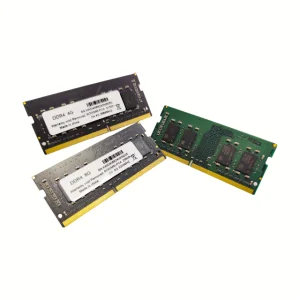
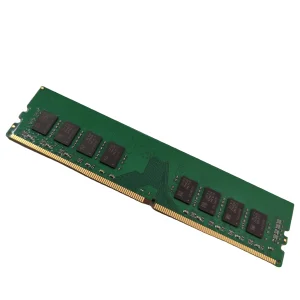
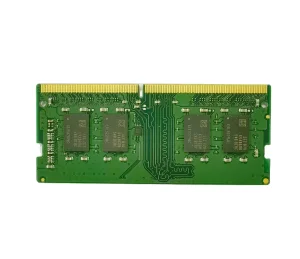
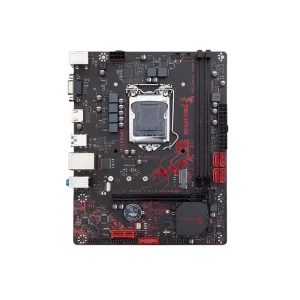
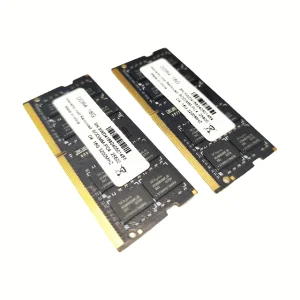
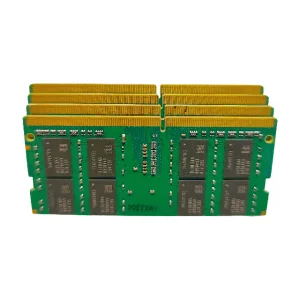
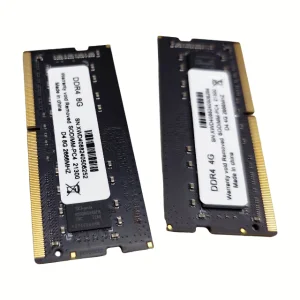
Engineered for low-latency operations, heavy rendering workloads, and zero-downtime server architectures.
Leveraging deep-tech capabilities and optimized semiconductor distribution from the heart of China.
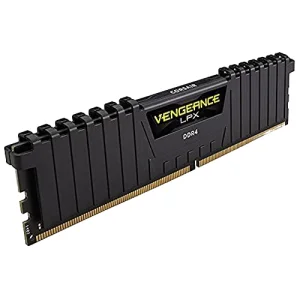
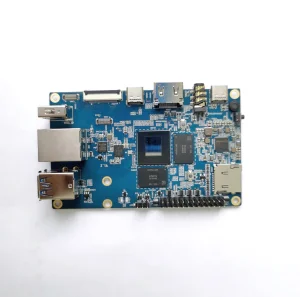
“In the era of AI computing, real-time edge processing, and multi-tenant hyper-converged architectures, volatile memory bandwidth and data storage reliability are the defining bottlenecks of digital transformation. Celtrix Memory Technologies Co., Ltd. is positioned at the technological epicenter of China’s semiconductor innovation, delivering enterprise-grade DDR4, next-gen DDR5, specialized high-frequency PCBs, and Rockchip-based SBC systems.”
The global digital infrastructure is undergoing a profound structural shift. Legacy architectures are rapidly yielding to applications that demand higher transfer speeds, reduced power consumption, and enhanced physical-layer error correction (ECC). Memory systems are no longer merely passive storage banks; they are vital highways determining the throughput of modern workloads. As hyper-scalers scale up training infrastructures and enterprise sectors look to edge analytics, memory technologies must keep pace.
In this context, the transition from DDR4 to DDR5 marks a generational leap in storage performance. DDR5 delivers twice the bandwidth of DDR4, scaling up to rates above 4800MHz and 5600MHz, while dropping operational voltages to .1V. Beyond mere raw numbers, the structural layout is radically different: DDR5 features independent dual 32-bit subchannels, on-die power management ICs (PMIC) to allow flexible motherboard configuration, and on-die Error Correcting Code (ECC) to identify and correct bit flips before they escalate into system crashes.
Celtrix Memory Technologies Co., Ltd., founded in 2017, has spent nearly a decade building a robust manufacturing and design pipeline that caters to both legacy systems and these emerging next-generation paradigms. With 9 years of industry experience and 7 years of direct export experience, Celtrix designs modules that satisfy the strict operating requirements of North American data centers, European industrial automation centers, and fast-growing enterprises across South America and Southeast Asia.
The hardware landscape is intrinsically tied to supply chain velocity. A factory’s geographical location dictates its ability to source high-grade raw components, prototype physical layouts, and ramp up production from small batches to high-volume manufacturing. Operating out of a massive 28,600 m² state-of-the-art facility, Celtrix leverages its proximity to the world’s most concentrated component packaging and raw material cluster in Southern China.
This localized supply chain ecosystem encompasses more than 1,180 vetted partners. From high-grade PCB substrate manufacturers to silicon wafer packagers and advanced passives, Celtrix maintains structured access to the highest tier of components. This depth prevents sudden disruption in production schedules, shielding international buyers from geopolitical supply chain bottlenecks.
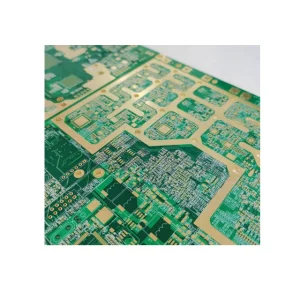
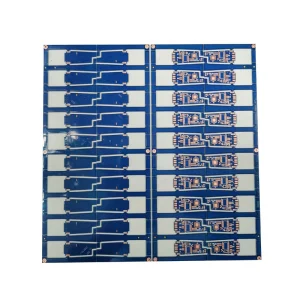
Furthermore, our manufacturing processes integrate highly specialized steps. Rather than outsourcing PCB production, our operations span advanced HDI board designs, including high-frequency PCBs utilizing Rogers 4000 materials and Shengyi FR4 High TG170 mixed-pressure technology. This integration allows Celtrix to monitor and control impedance, signal degradation, and thermal dissipation at the board level. The result is a unified manufacturing flow where silicon and substrate are tuned to run at maximum thermal efficiency and optimal electrical stability.
Celtrix memory and compute solutions are deployed across diverse applications, each requiring dedicated thermal, performance, and electrical properties:
Hardware development demands persistent iteration. Our facility houses 142 highly trained R&D engineers focused on high-frequency board layouts, signal integrity modeling, thermal performance, and SPD programming. In the past year alone, Celtrix introduced 168 new products to meet rapidly changing standardizations and customized forms.
Celtrix offers a comprehensive, vertically integrated OEM & ODM customization suite. We provide tailor-made heat spreader designs to meet the thermal and physical constraints of compact 1U server chassis, customized SPD programming to ensure compatibility with proprietary bios setups, custom PCB layering configurations, private label packaging, and regulatory branding. This adaptability ensures seamless integration into pre-existing brand lineups or system architectures.
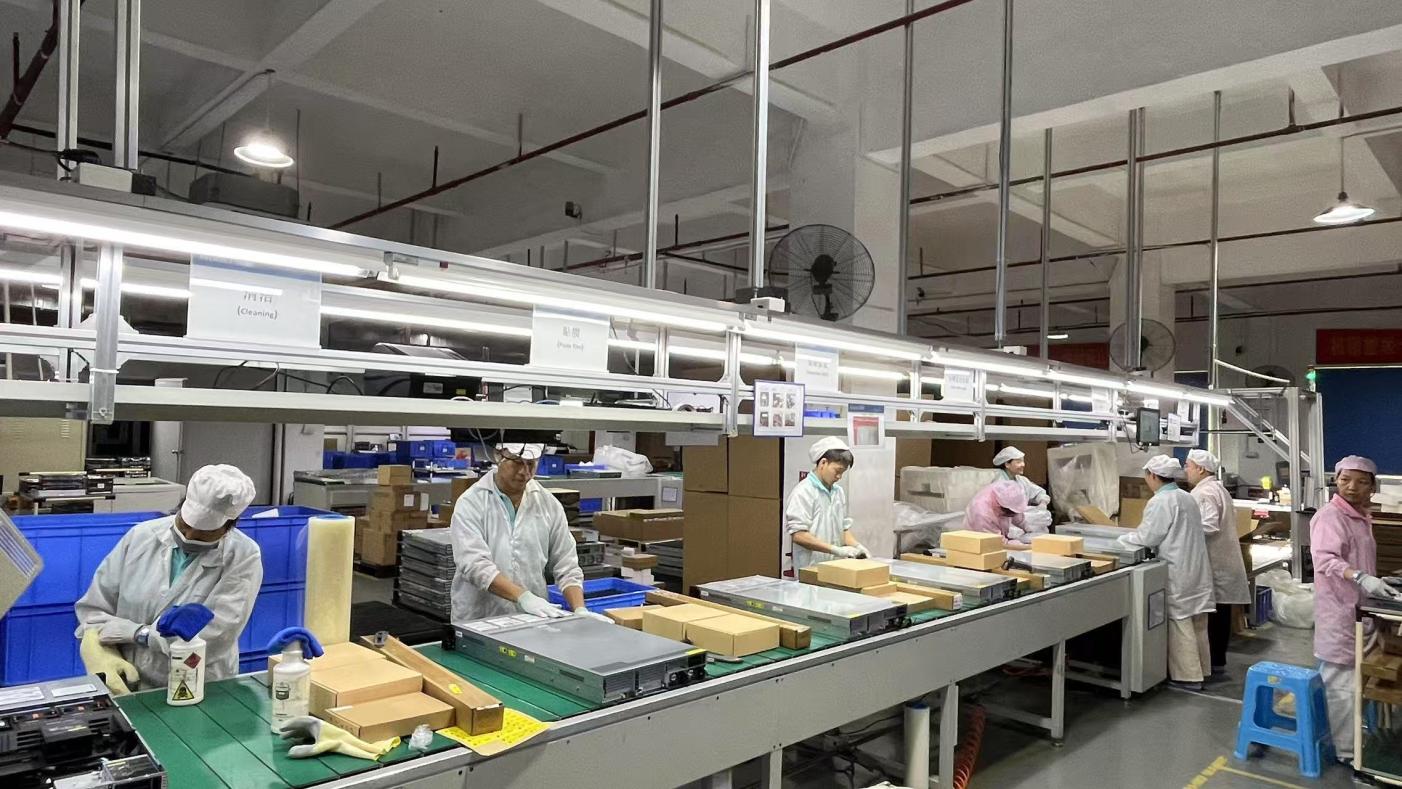
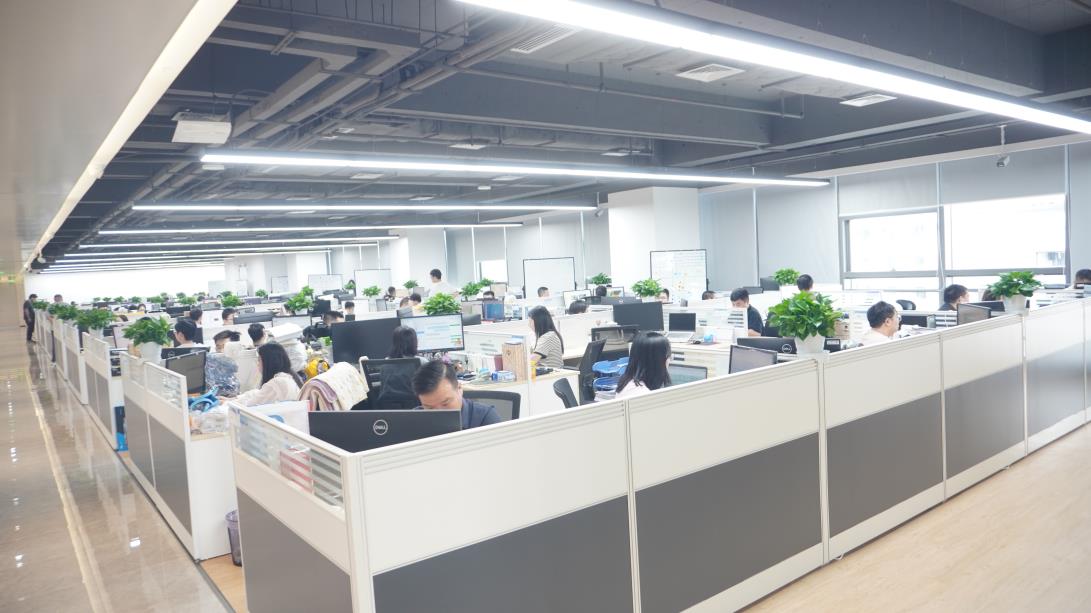
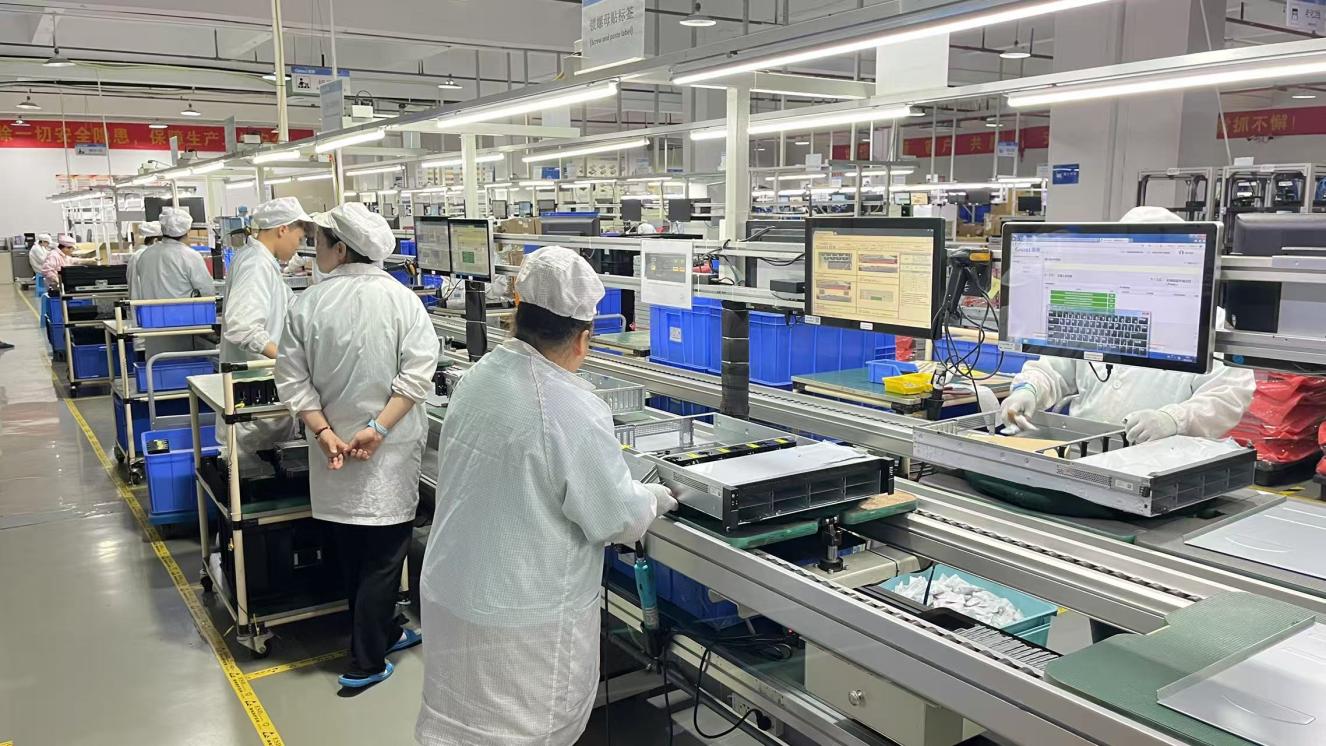
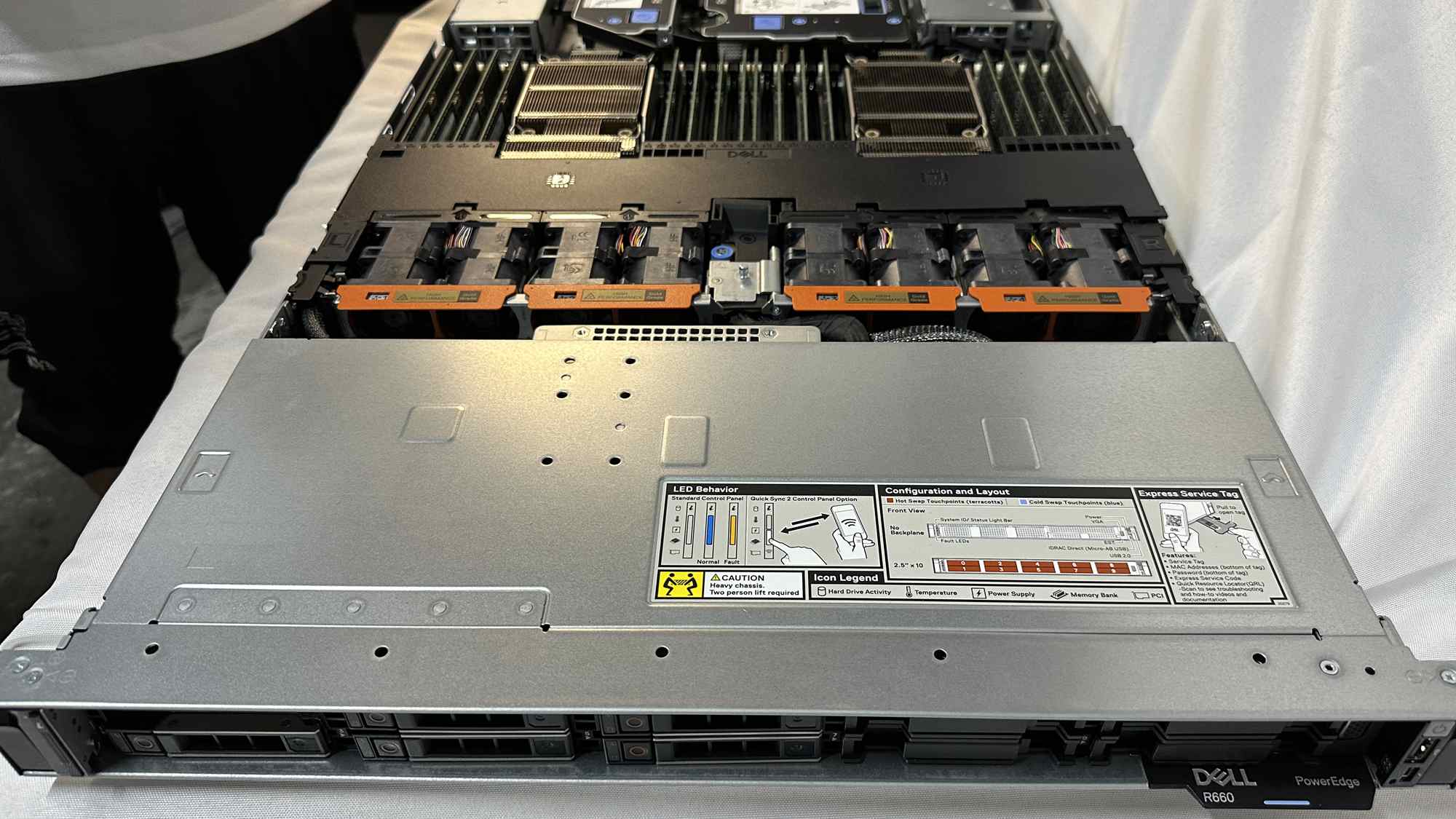
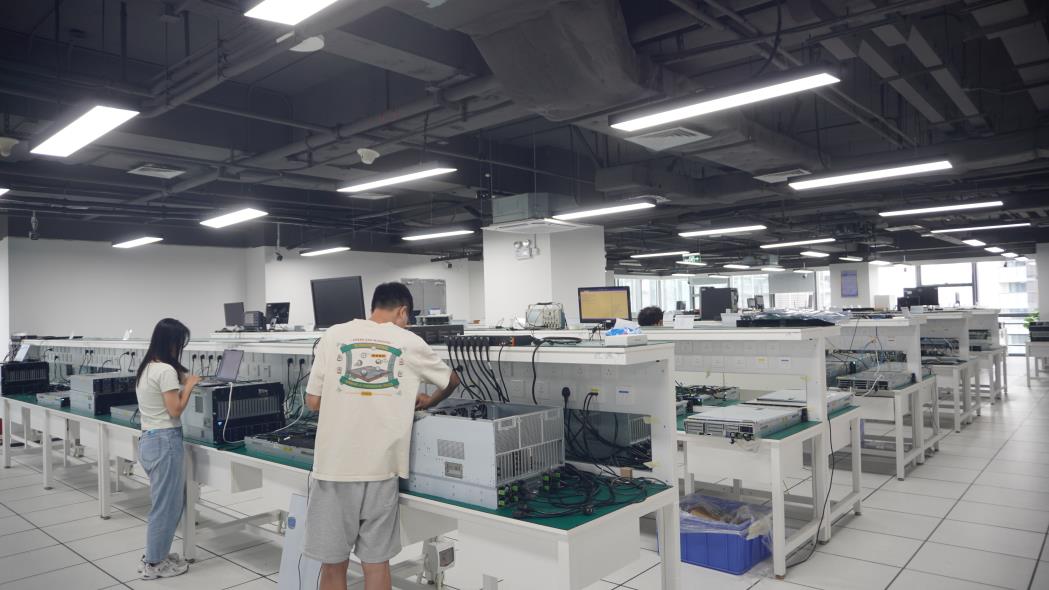
Celtrix operates under a strict **ISO 9001 Quality Management System**. To guarantee reliable signal integrity and eliminate early component failures (infant mortality) on long-distance shipments, our quality framework utilizes 56 dedicated QC inspectors running structured testing operations.
Every DRAM module, PCB board, and controller goes through a rigorous inspection sequence:
As memory architectures move towards CXL (Compute Express Link), the lines between processing nodes, high-speed system memory, and cold storage are blurring. CXL allows compute pools to access RAM dynamically across switches. Celtrix is actively preparing its product lines to integrate dynamic memory pooling capabilities, laying the groundwork for modular high-capacity nodes.
In parallel, our PCB design teams are advancing multilayer high-speed configurations. By utilizing high-dielectric, low-loss materials from Rogers and ShengYi, we are supporting higher layer-count layouts to prevent signal crosstalk in high-density installations. With over USD 23 million in annual export revenue, we reinvest a significant portion of our earnings into upgrading automated testing environments to stay aligned with DDR5 and upcoming DDR6 specifications.
Advanced engineering and quality management tailored for international business standards.
Validated across complex server environments and custom motherboard layouts, ensuring seamless integration and zero bios incompatibility issues.
Every single memory module goes through high-temperature stress cycles to detect thermal defects and eliminate initial component failure rates.
142 R&D engineers providing customized SPD programming, custom heatsinks, and specialized PCB layouts with fast turnaround times.
Expert insights on product compatibility, design parameters, and customization workflows.
Broadening your operational capacity with next-level industrial designs and dynamic motherboards.
 Celtrix Memory