High-performance DDR memory modules and expert OEM/ODM PCBA products engineered for enterprise, industrial, and consumer markets.
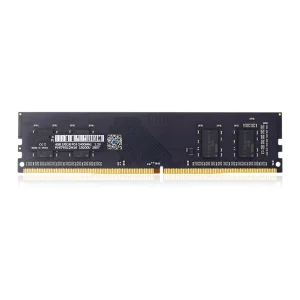
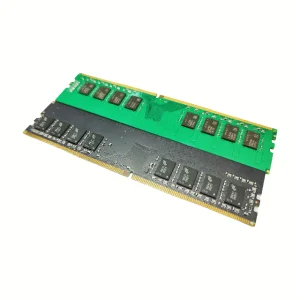
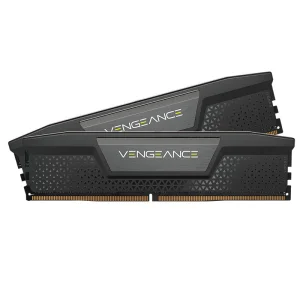
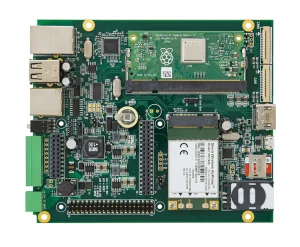
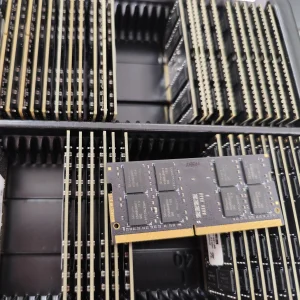
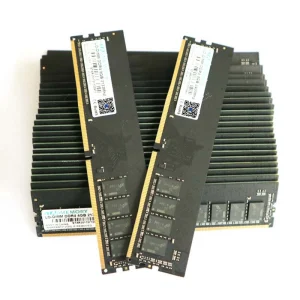
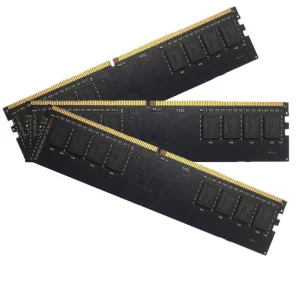
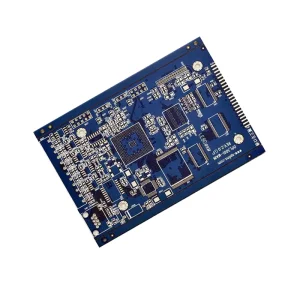
As the digital landscape evolves rapidly under the influence of Artificial Intelligence (AI), Edge Computing, and Internet of Things (IoT) ecosystems, the demand for precision Printed Circuit Board Assembly (PCBA) has reached unprecedented heights. Global hardware providers face the challenge of securing manufacturing partners who deliver not only scale, but also high signal-integrity margins, rigid quality parameters, and advanced component trace engineering. China remains the center of this electronic manufacturing evolution, offering integrated logistics networks, robust component sourcing, and unparalleled industrial engineering capacities.
At Celtrix Memory Technologies, we fuse advanced manufacturing capabilities with deep expertise in High-Density Interconnect (HDI) boards, high-speed DRAM applications (such as DDR5 and DDR4 formats), and custom controller routing. Operating from our advanced manufacturing facility, our engineering teams ensure that every assembly phase conforms to IPC-A-610 Class 2 and Class 3 criteria. Whether assembling low-latency memory hardware, complex industrial control motherboards, or consumer electronics, Celtrix delivers consistent quality that drives long-term product viability in competitive global markets.
Reliability in high-frequency circuit assembly is achieved only through standardized, repeatable validation. A single fractured solder joint, misaligned passive component, or contaminated contact pad can result in system-level failures. Our Quality Management System operates in compliance with the ISO 9001:2015 standard, and incorporates a multi-tiered inspection architecture designed to capture variations before they exit the production line.
All substrates, active components, and passive components undergo immediate verification upon arrival. We leverage component trace databases and verify packaging parameters to prevent counterfeit components from entering production. Microscopic inspections analyze pin coplanarity and check solderability.
Automated Solder Paste Inspection (SPI) monitors volume, height, and alignment prior to component placement. Post-reflow, high-speed Automated Optical Inspection (AOI) inspects placement accuracy, fillet structure, and checks for bridging, voids, or tombstoning defects.
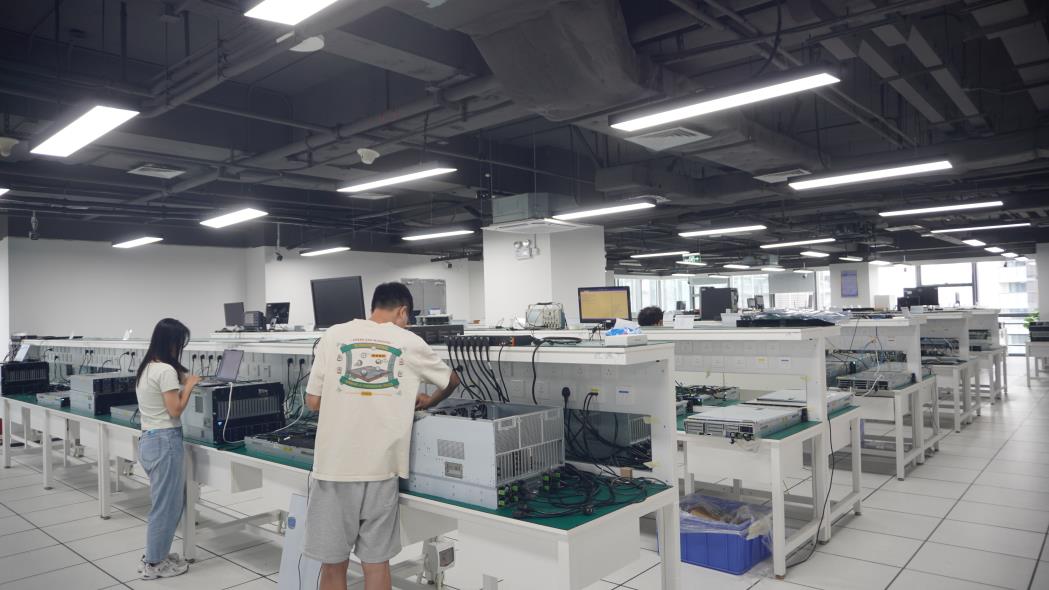
We execute rigorous burn-in tests, high-low temperature thermal cycling, vibration validation, and comprehensive system-level compatibility tests. Our 56 dedicated Quality Control (QC) specialists monitor operations to ensure compliant shipments.
| Inspection Stage | Methodology / Equipment | Critical Parameters Monitored | Defect Mitigation Target |
|---|---|---|---|
| Pre-Production | DFM (Design for Manufacturing) Analysis | Pad geometry, thermal relief, drill-to-copper clearances | Prevents physical layout clashes during production |
| Solder Stenciling | 3D Solder Paste Inspection (SPI) | Paste alignment, thickness, volumetric consistency | Prevents cold solder joints and bridges |
| Post-Reflow | 3D Automated Optical Inspection (AOI) | Solder fillet geometry, component polarization | Identifies skewed, missing, or tombstoned chips |
| BGA Verification | High-Resolution X-Ray Diagnostics | Internal void ratios, solder ball deformation | Identifies hidden cracks in array assemblies |
| Post-Assembly | In-Circuit Testing & Functional Testing | Voltage compliance, component tolerances, real-world data runs | Verifies compliance with electrical and protocol requirements |
In modern electronic manufacturing, speed to market is a critical metric for long-term viability. The concentration of component distributors, substrate fabricators, raw copper suppliers, and logistics hubs in Southern China enables Celtrix to accelerate production cycles. We minimize delays caused by global transit, material shortages, or custom clearance processes.
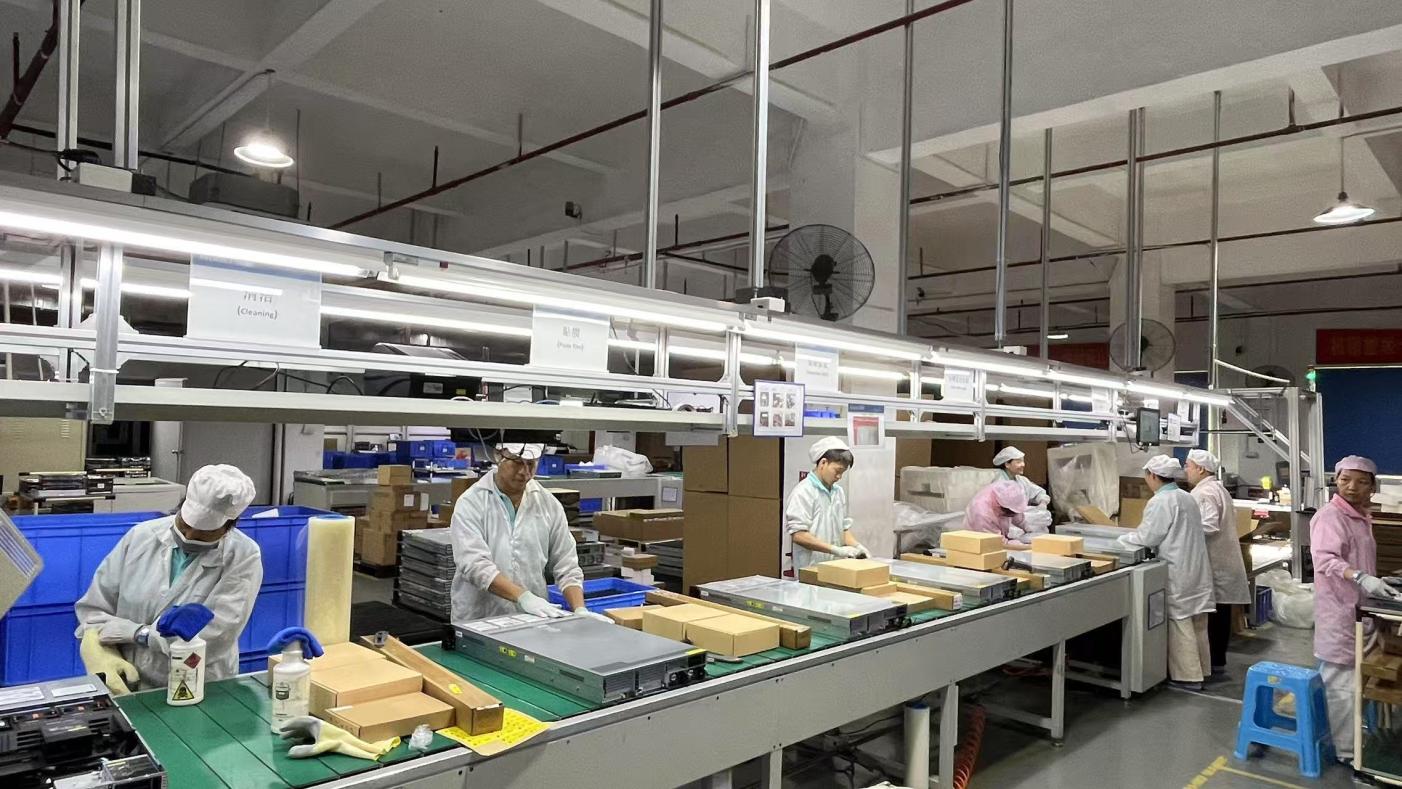
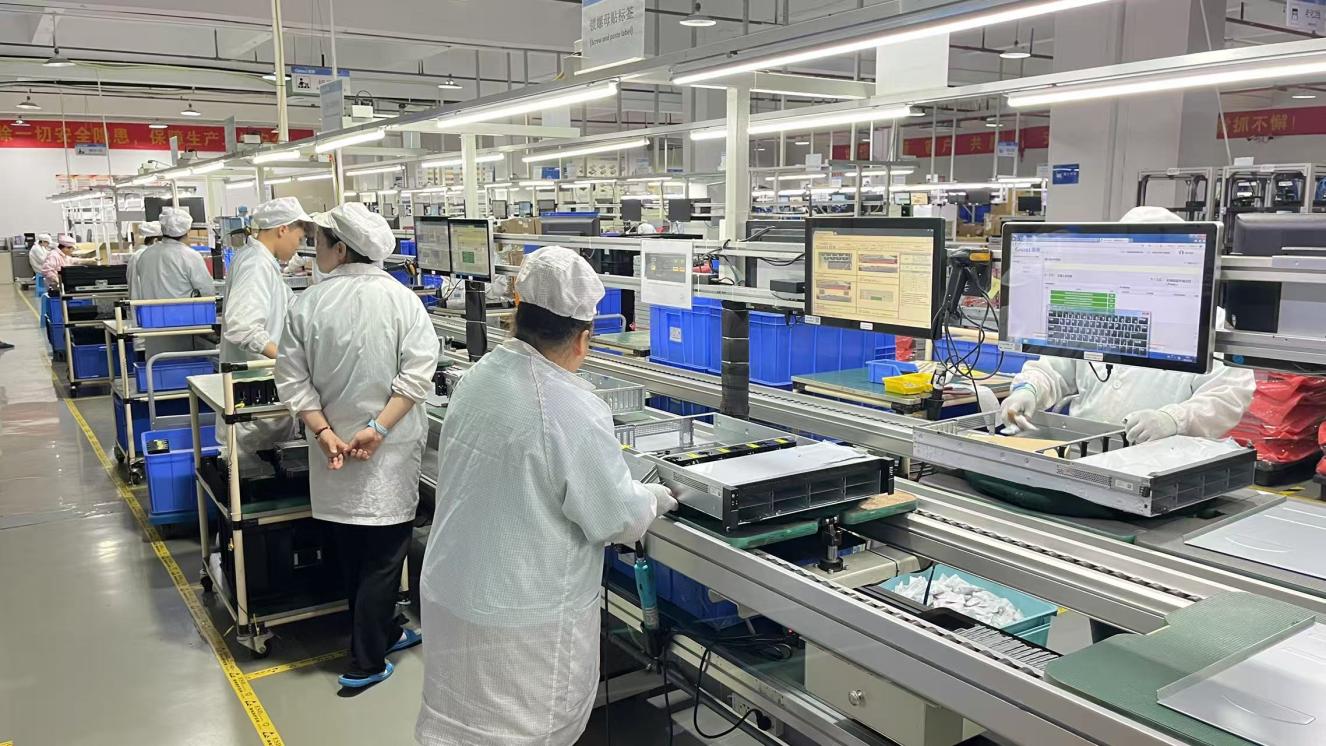
Our automated production facility integrates high-capacity SMT lines, automated insertion machines, nitrogen reflow ovens, and wave-soldering equipment. Because memory manufacturing requires precise thermal controls, our reflow profiles are tailored to the physical characteristics of lead-free, high-temperature solder alloys. This level of process control enables Celtrix to scale production efficiently while maintaining high yield rates.
Direct access to substrate manufacturers and raw silicon packing yards.
High-speed placement heads ensure placement accuracy down to 0201 passives.
ESD-safe, temperature and humidity-controlled cleanrooms protect sensitive components.
Efficient fixture changes enable transitions between small prototypes and volume runs.
Electronic assemblies operate under diverse mechanical and thermal stresses. A board designed for a consumer desktop is subject to different parameters than one deployed in an industrial processing plant or an autonomous automotive system. Celtrix develops customized solutions tailored to specific industry demands.
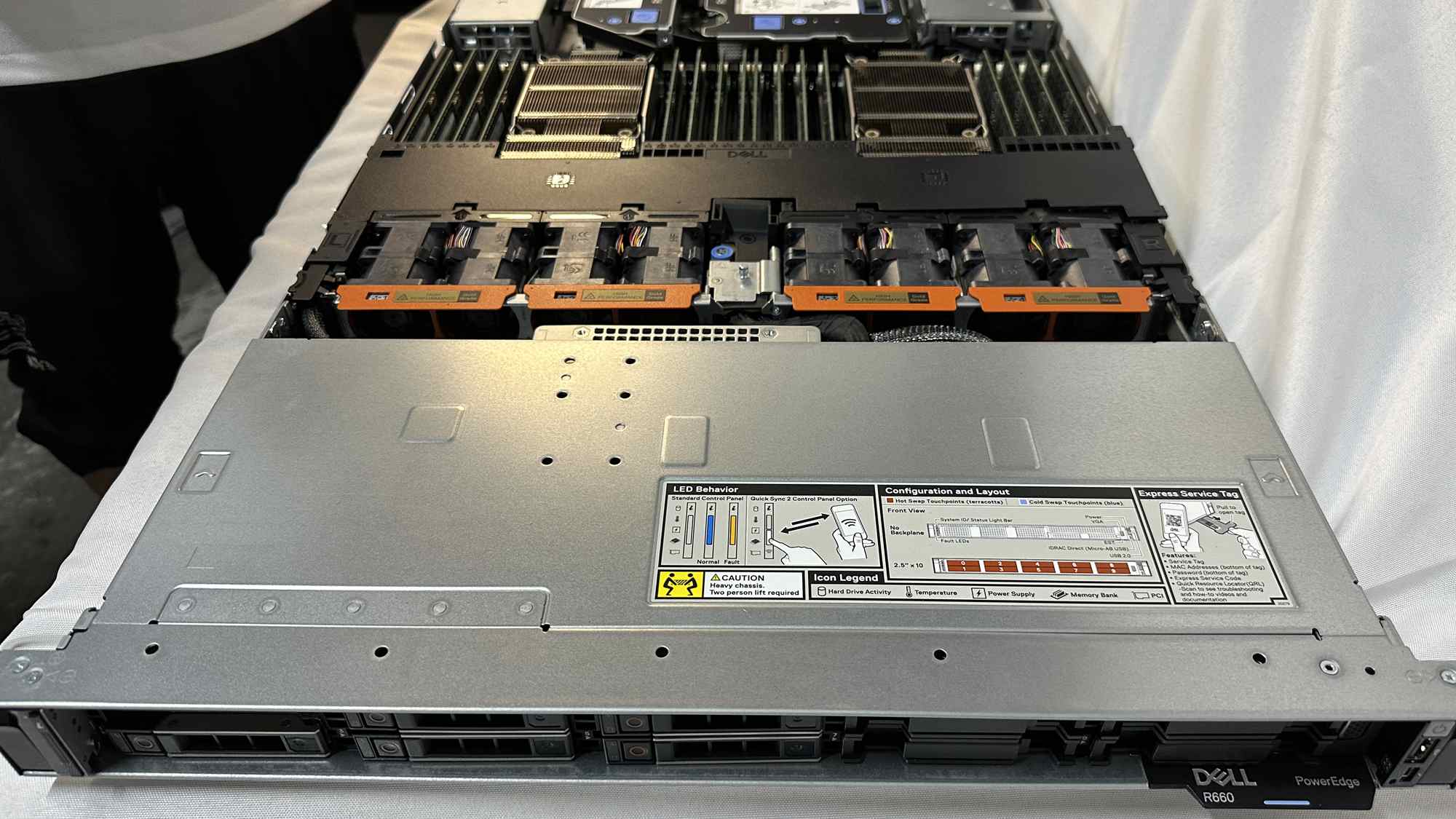
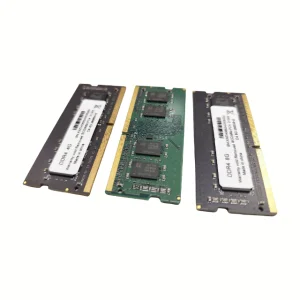
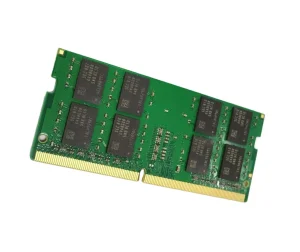
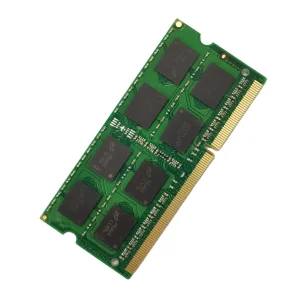
High-performance computing (HPC) demands exceptional signal integrity. We manufacture high-capacity DDR5 modules featuring on-die ECC (Error Correction Code) and power management ICs (PMICs). This architecture ensures reliable continuous operation, reducing data corruption and system crashes in intensive processing applications.
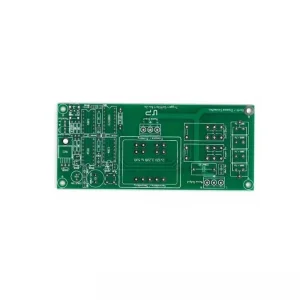
Our industrial control boards, including motherboards compatible with systems like the Raspberry Pi, are designed to withstand mechanical stress, high temperatures, and electrical noise. These designs include thick copper trace layers, optical isolation interfaces, and conformal coatings to protect assemblies from dust, moisture, and corrosive atmospheres.
For consumer hardware like laptops, smart appliances, and low-profile systems, we optimize layouts for space efficiency. We utilize high-density interconnect (HDI) boards and fine-pitch BGAs to balance thermal dissipation with functional density.
The electronics industry is transitioning toward faster data rates, denser form factors, and reduced power consumption. To support these developments, our R&D team—composed of 142 engineers—focuses on refining high-frequency routing, signal integrity (SI) simulation, and electromagnetic compatibility (EMC) testing.
In addition, the integration of Power Management ICs (PMICs) directly onto the memory module substrate presents new thermal challenges. Our engineers utilize advanced thermal simulation models to evaluate thermal paths, design copper thermal vias, and optimize heat spreaders. This enables our modules to operate stable under load, without thermal throttling.
Looking forward, Celtrix is developing embedded passive substrates, sub-0.3mm BGA mounting techniques, and exploring biodegradable, environmentally compliant halogen-free laminates. We are committed to maintaining RoHS and REACH compliance, helping our customers meet their environmental targets while maintaining high levels of electrical performance.
Procuring electronic components from overseas factories requires careful coordination of design specifications, compliance documentation, packaging, and shipping schedules. With 7 years of export experience and an annual export revenue of over USD 23 million, Celtrix has developed structured processes to support our international customers.
We offer comprehensive OEM/ODM customization services. This includes custom branding, laser marking, thermal spreader designs, and tailored SPD (Serial Presence Detect) programming to ensure system-level compatibility.
We provide all necessary export documentation, certificates of origin, and compliance proofs (including CE, FCC, RoHS, and REACH). Our team ensures shipments are prepared for seamless customs clearance.
Our close partnerships with component manufacturers and raw material suppliers allow us to secure component allocations during market shortages, helping to minimize production delays for our customers.

Answers to common technical, logistics, and quality assurance questions about our PCBA and memory module manufacturing.
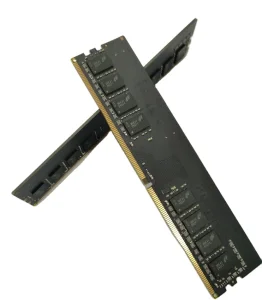
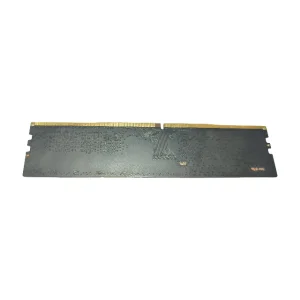
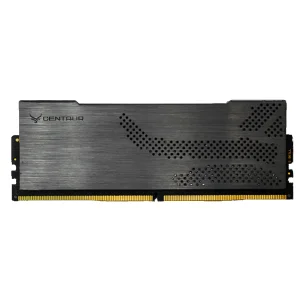
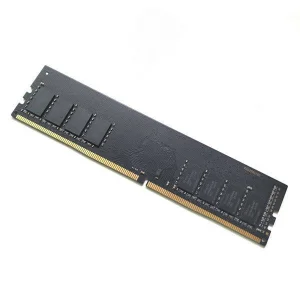
Select from our range of memory solutions and contract manufacturing options, designed for high compatibility and performance.
 Celtrix Memory