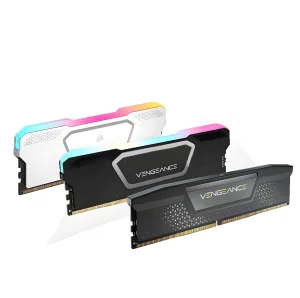
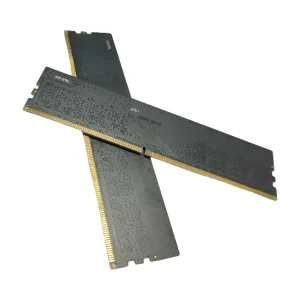
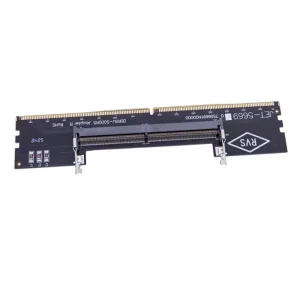
Direct from Celtrix Manufacturing Facilities: Industrial-grade reliability, severe-environment survivability, and high-bandwidth engineering for next-generation system integration.
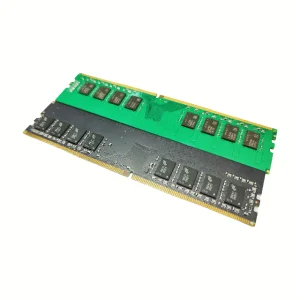
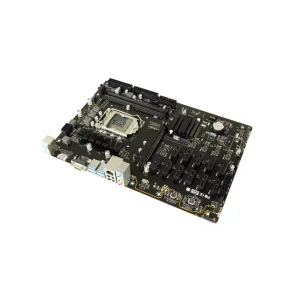
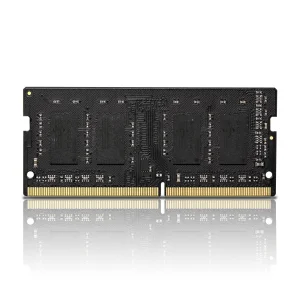
Core Insight: The convergence of artificial intelligence, high-performance computing (HPC), and localized edge processing has shifted the metrics of consumer electronics procurement from simple unit-pricing to comprehensive hardware-level security, signal integrity, and supply chain auditability.
In the modern consumer electronics landscape, procurement agents, system integrators, and product managers face a complex array of hardware challenges. Specifically, in the memory module and computing motherboard domain, the migration from legacy architectures to high-frequency interfaces requires deeper oversight of SMT line capabilities, PCB signal routing, and DRAM die grades.
This document outlines the critical operational baselines required for verifying consumer electronics manufacturers, with specialized focus on the capabilities demonstrated by market leaders like Celtrix Memory Technologies Co., Ltd.
Modern embedded applications and high-end desktops demand memory frequencies exceeding 3200MHz in DDR4 and reaching up to 6000MHz in next-generation DDR5. Under these high frequencies, signal attenuation and crosstalk present immediate engineering challenges. Trusted manufacturers must implement rigorous impedance matching on multilayer PCBs (typically 8-layer to 10-layer PCBs for DRAM modules) and design advanced thermal profiles (such as anodized aluminum heat spreaders) to prevent thermal throttling.
Beyond traditional consumer computing, today's hardware components must survive and thrive in localized industrial environments:
When evaluating a tier-1 hardware manufacturer, a simple product datasheet is insufficient. Sourcing managers must demand verification of:
An established industry leader delivering elite DRAM and PCB hardware solutions across industrial, enterprise, and high-performance gaming markets.
Established in 2017, Celtrix Memory Technologies Co., Ltd. is a specialized manufacturer dedicated to high-performance DRAM solutions, serving global enterprises, distributors, and system integrators. By combining 9 years of industry experience with 7 years of export expertise, Celtrix has developed an operational framework that bridges high-end engineering with large-scale factory production.
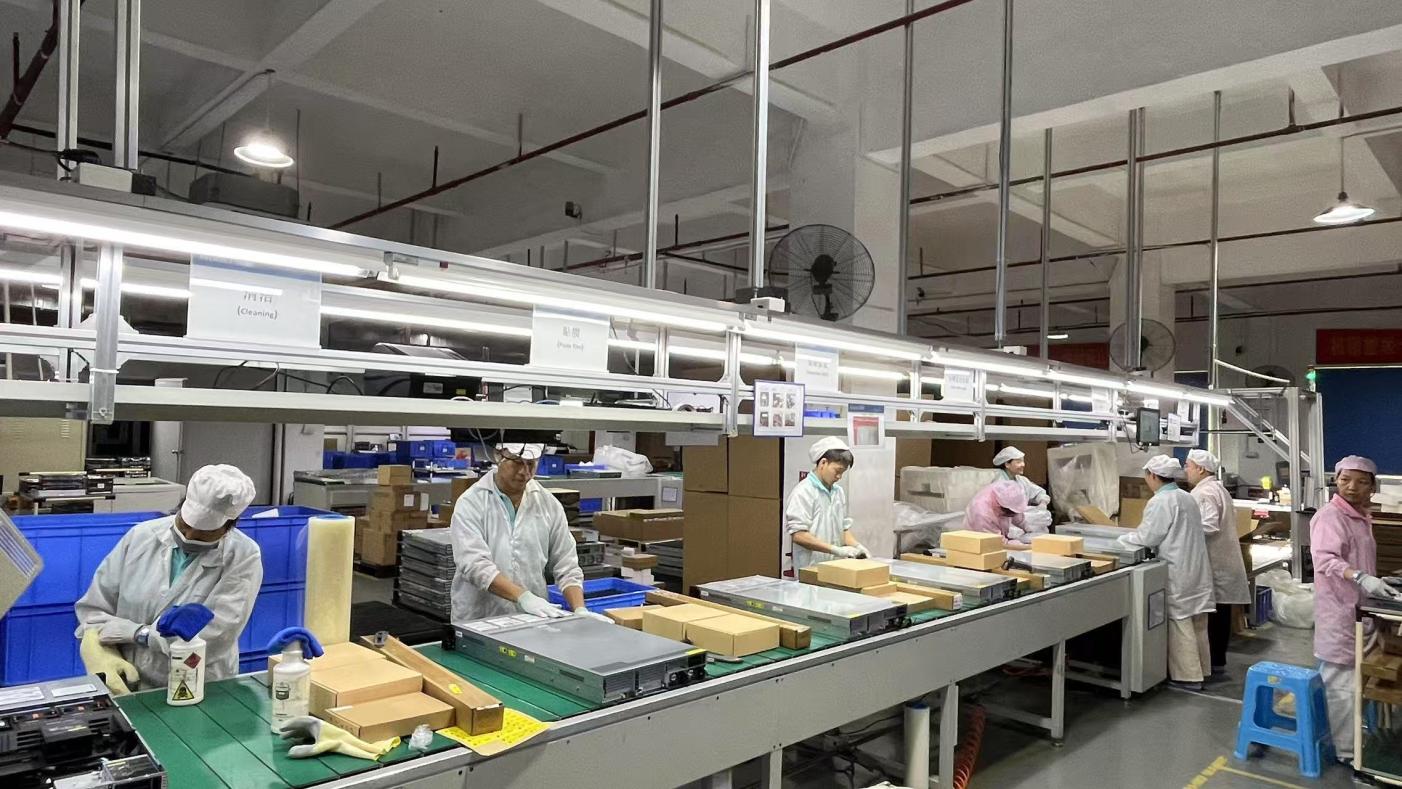
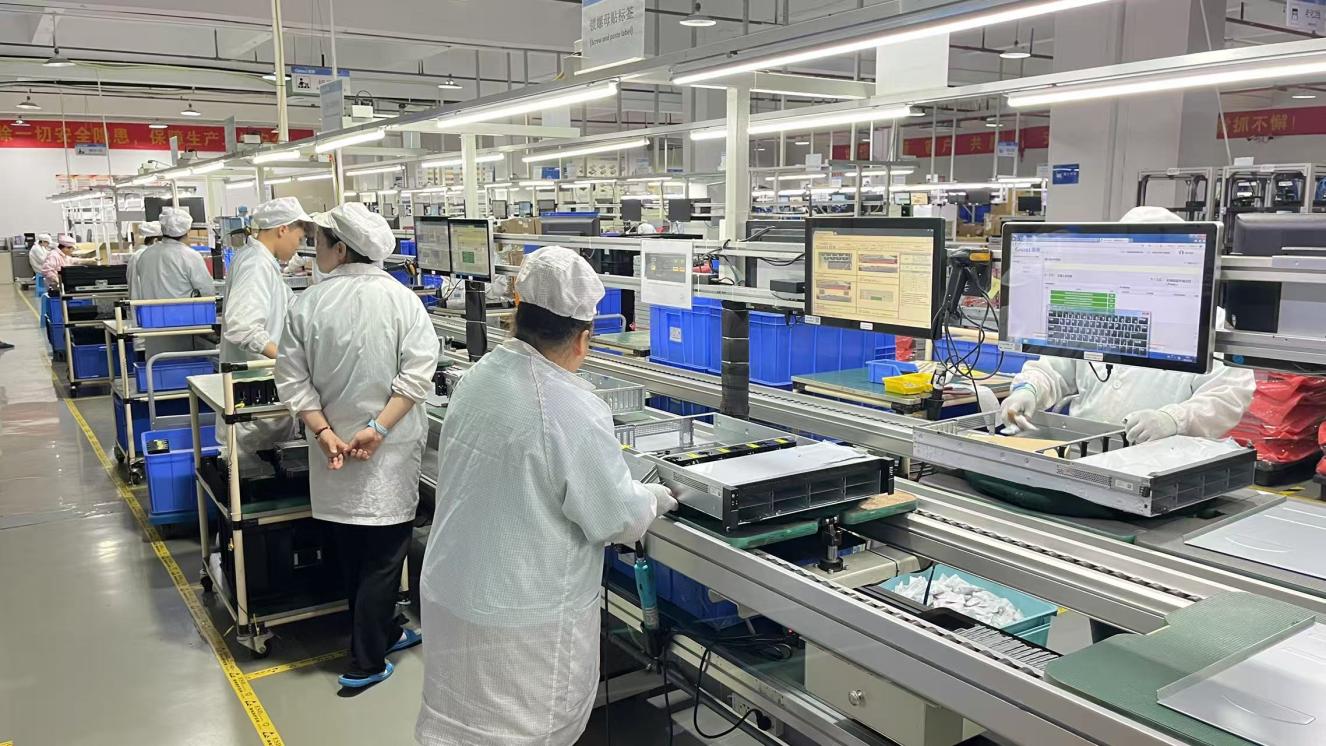
Operating from a state-of-the-art facility covering 28,600 m², the factory implements highly optimized SMT (Surface Mount Technology) production lines, clean-room environments for chip assembly, and strict ESD (Electrostatic Discharge) prevention protocols. This structural capacity enables Celtrix to maintain high yields and reliable performance standards across all product series.
With a steady annual export revenue exceeding USD 23 million, Celtrix has expanded its commercial reach to more than 50 countries, with key distribution hubs established across North America, Europe, Southeast Asia, South America, the Middle East, and Oceania.
Celtrix serves an ecosystem of 1,180+ supply chain partners, ranging from private-label consumer electronics brands and enterprise server builders to local computer hardware wholesalers and system integrators.
A breakdown of Celtrix's production capabilities, localization support, and compliance frameworks.
Celtrix benefits from the localized electronics cluster in China, guaranteeing rapid sourcing of components, optimized PCB fabrication, and streamlined logistics. This integration minimizes lead times and shields buyers from raw material cost fluctuations.
With 142 R&D engineers, Celtrix supports full-scope customization. This includes custom PCB layout design, SPD programming for customized frequency configurations, laser-etched branding, heat-spreader designs, and tailor-made packaging.
Implementing an ISO 9001 certified Quality Management System, Celtrix employs 56 QC specialists. The quality testing process integrates IQC, IPQC, AOI, high-temperature burn-in tests, compatibility arrays, and FQC.
As DRAM technologies transition from DDR4 to DDR5, Celtrix's engineering team focuses on key technical enhancements to ensure long-term architectural stability:
Exporting to global markets requires strict compliance with international regulations. Celtrix products carry full certifications including CE, FCC, RoHS, and WEEE. By providing comprehensive technical datasheets, certified test reports, and dedicated account support, Celtrix ensures international buyers experience seamless customs clearance and smooth product integration.
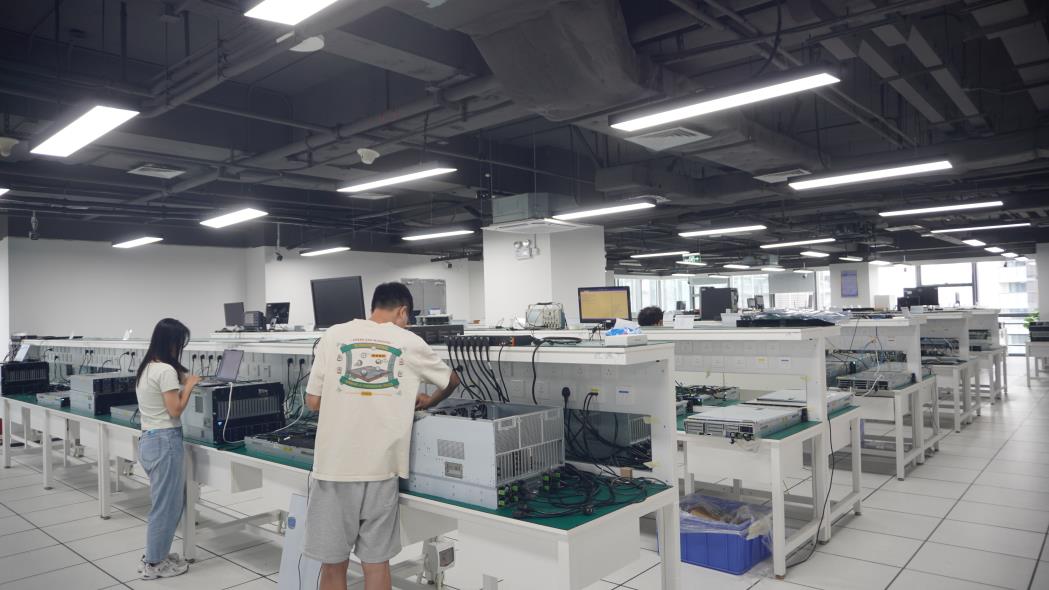
High-end SMT placement equipment, cleanroom assembly lines, and rigorous validation chambers ensuring consistent manufacturing yield.

Get instant answers regarding OEM/ODM configuration parameters, supply capacity, testing protocols, and DRAM technologies.
DDR5 represents a massive leap in memory performance. Key advantages include double the data rate (starting at 4800MHz compared to DDR4's standard 3200MHz), lower operating voltage (1.1V vs 1.2V), integrated Power Management ICs (PMIC) for better power distribution, and on-die ECC. On-die ECC manages single-bit errors inside the silicon, preventing crashes and significantly improving system uptime in data center deployment.
Compatibility is managed through systematic testing. Celtrix maintains a testing grid containing more than 200 mainstream motherboard models from major brands (ASUS, MSI, Gigabyte, ASRock) and server platforms (Intel Xeon, AMD EPYC). We program the SPD (Serial Presence Detect) to comply fully with JEDEC specifications, ensuring plug-and-play compatibility and stable boot cycles across various generations of chipsets.
Yes. Celtrix provides comprehensive OEM/ODM customization services. We can customize the SPD settings to support specific memory timings, write custom manufacturer codes, laser-print company logos directly onto the ICs or the PCB, design custom anodized aluminum heat spreaders, and manufacture retail-ready packaging. Our R&D team works closely with your engineering department to match your hardware requirements.
Every single module undergoes a multi-phase testing procedure: 1) Incoming Quality Control (IQC) for PCB board and DRAM die grading; 2) Solder paste inspection and Automated Optical Inspection (AOI) post-SMT placement; 3) Functional hardware validation; 4) Dynamic high-temperature burn-in tests to filter out early component failures; 5) Compatibility testing on target chipsets; and 6) Final Quality Control (FQC) packaging inspections.
Operating within China's premier electronics manufacturing cluster gives Celtrix direct proximity to raw material suppliers, PCB fabricators, and packaging providers. This reduces component transit times and costs. By utilizing optimized production scheduling and having immediate access to bulk component markets, Celtrix minimizes manufacturing lead times and offers highly competitive pricing even during global supply chain fluctuations.
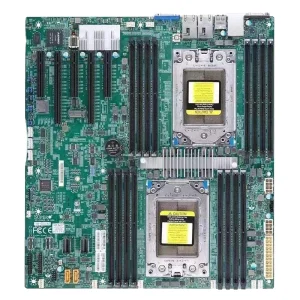
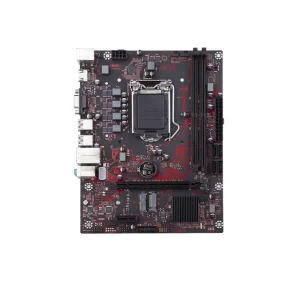
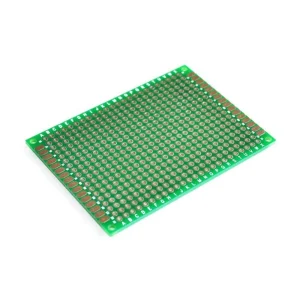
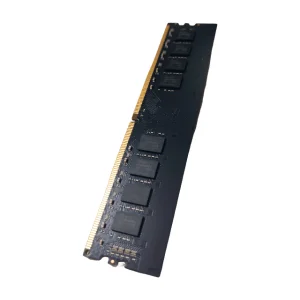
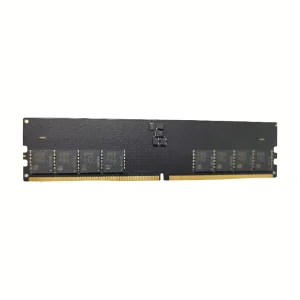
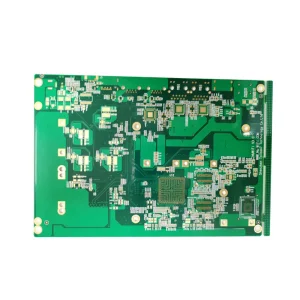
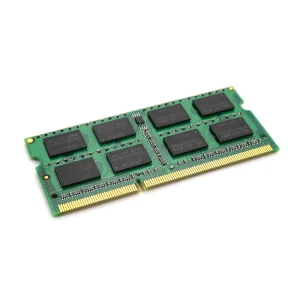
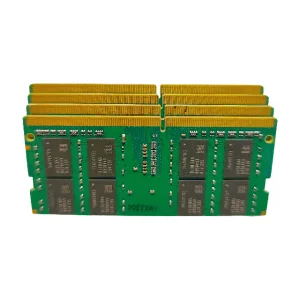
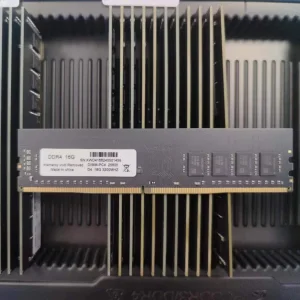
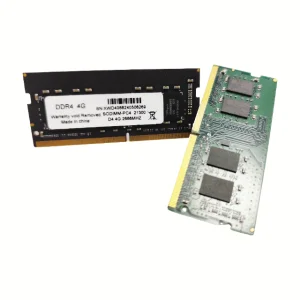
Explore our full range of enterprise memory modules, dual-socket server motherboards, multi-layer prototype PCBs, and server-grade memory kits.
 Celtrix Memory