Ethiopia, as one of the fastest-growing economies in East Africa, is undergoing a rapid industrial transformation. Under the banner of the Homegrown Economic Reform Agenda and the expansion of key industrial zones such as the Hawassa, Bole Lemi, and Adama Industrial Parks, the country is witnessing an unprecedented push toward advanced manufacturing, food processing, and high-standard textile production.
However, industrial modernization demands infrastructure stability—specifically in clean water supply, municipal waste management, and sterile healthcare environments. Water security remains a critical element for Ethiopia's industrial progression, especially along the Blue Nile basin, the Rift Valley lakes, and municipal systems in Addis Ababa, Dire Dawa, and Mekelle.
Our 270nm-280nm 3535 UVC LED packages provide a clean, chemical-free sanitization technology. Designed specifically to overcome local challenges like fluctuating electric grids and thermal stress in high-altitude environments, these optoelectronic solutions are ideal for integrating into water filtration plants, commercial air ducts, and medical sterilization units throughout Ethiopia.
Scientific research indicates that the peak absorption of UVC light by pathogen DNA/RNA occurs between 260nm and 280nm. While 265nm offers high immediate germicidal efficiency, the 270nm-280nm wavelength range strikes the optimal balance between high photon output, longer operational lifetime, and material thermal stability when packaged in the robust 3535 ceramic substrate format.
For procurement officers, hardware developers, and system designers sourcing UVC LED components for the Ethiopian market, precise electro-optical metrics are critical for ensuring system reliability. Below are the key characteristics of our industrial-grade 270nm-280nm 3535 UVC LED series.
Thermal Dissipation Notice: Due to the low electrical-to-optical conversion efficiency inherent to UVC materials (typically 2% to 4% Wall Plug Efficiency), selecting high-thermal-conductivity substrates is critical. Our 3535 UVC LED utilizes an Aluminum Nitride (AlN) ceramic submount with a high-purity eutectic gold-tin bonding layer. This design ensures thermal resistance is kept to a minimum, preventing junction temperature limits from being exceeded during continuous operation in warm East African regions.
Designing effective UVC germicidal systems requires more than purchasing raw LED chips; it demands sophisticated electronic integration, efficient drive circuitry, and high-frequency power management. Celtrix Memory Technologies Co., Ltd., leveraging 9 years of advanced microelectronics engineering, integrates PCB fabrication and precision SMT (Surface Mount Technology) assembly with UVC optoelectronic packaging.
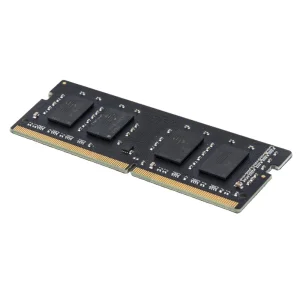
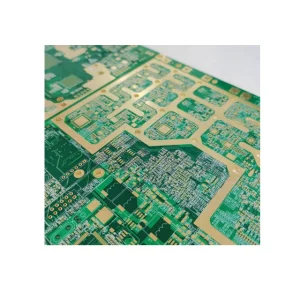
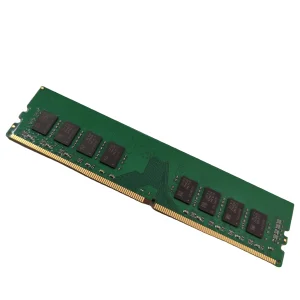
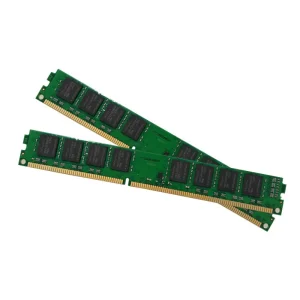
Our ISO 9001-certified factory in Shenzhen utilizes high-specification PCB fabrication (including Rogers 4000 and high-TG170 FR4 substrates) to produce optimal MCPCBs (Metal Core Printed Circuit Boards) specifically for high-power LED matrices. Our expertise in high-speed DDR4/DDR5 memory modules and multi-layer servers guarantees that the control systems, power supplies, and thermal interfaces of our UVC systems meet international industrial standards.
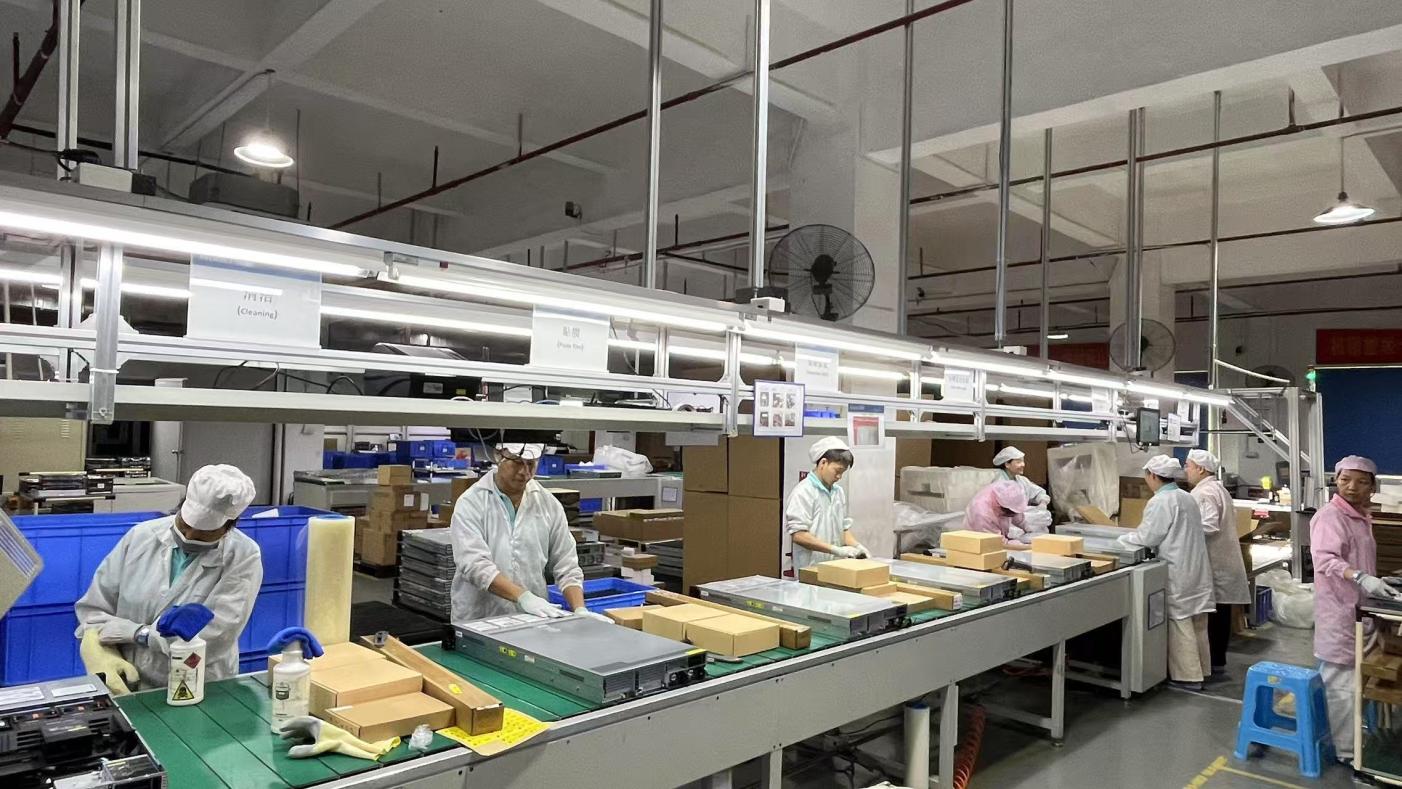

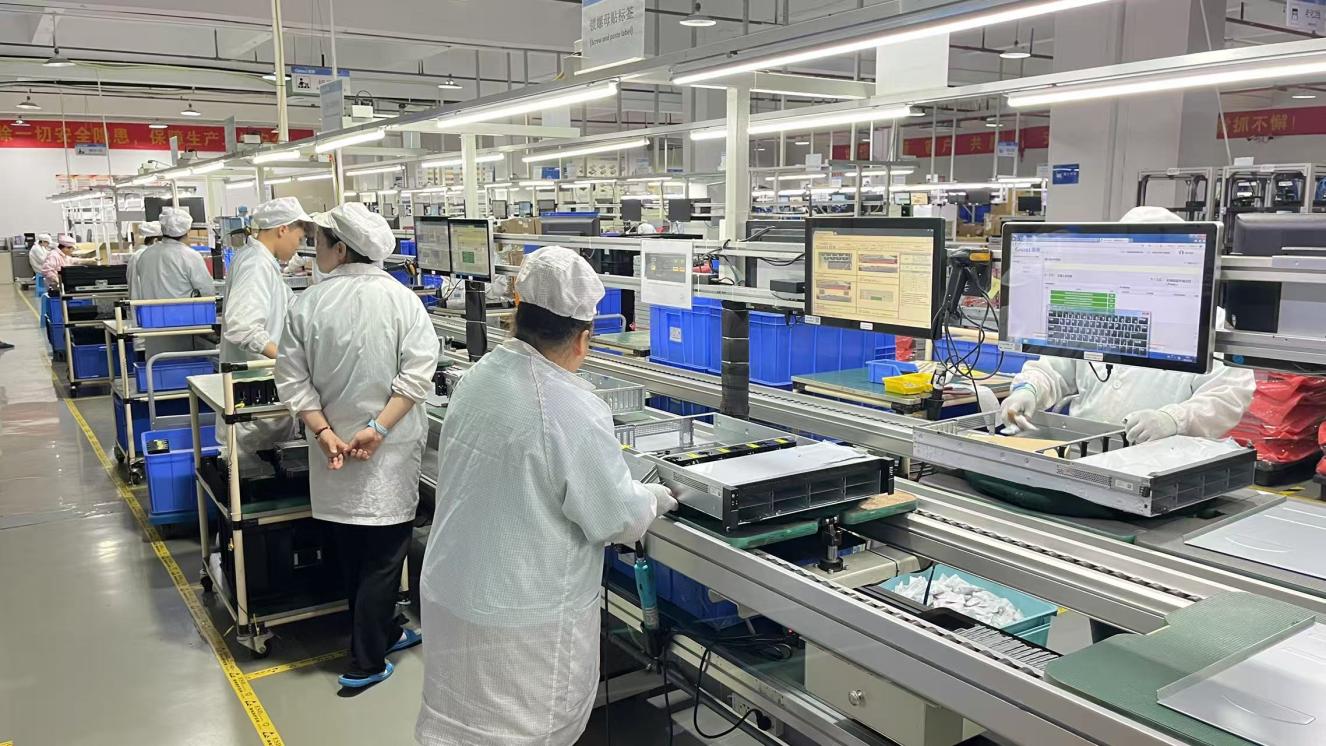

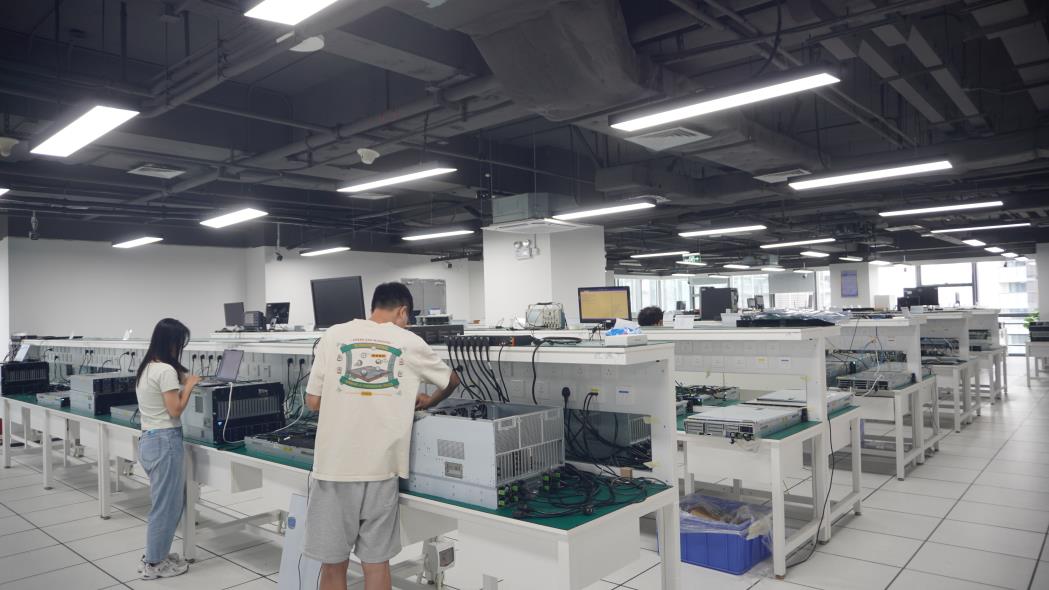
By controlling both the LED packaging process (utilizing precise eutectic bonding of 270nm-280nm dice onto AlN substrates) and the control circuitry (utilizing specialized constant current LED drivers with thermal feedback systems), we deliver complete, ready-to-integrate sub-assemblies for water purification systems, food processing conveyors, and hospital room sanitizers.
Access to clean drinking water is vital for both public health and quality assurance in Ethiopian food and beverage industries. Traditional chemical disinfection (chlorination) risks generating disinfection byproducts (DBPs) and requires ongoing chemical replenishment, presenting logistical challenges in rural areas. UVC LED disinfection systems operating at 275nm are clean, instant-on, and capable of eliminating chlorine-resistant pathogens like Cryptosporidium and Giardia.
In medical clinics and public hospitals across Addis Ababa and other regional cities, controlling hospital-acquired infections (HAIs) is a high priority. Integrating 3535 UVC LED modules directly into ceiling fixtures, high-efficiency particulate air (HEPA) filters, and portable terminal sterilizers inactivates airborne pathogens (including tuberculosis and virus particles) without producing ozone, protecting patients and staff.
Agriculture is the backbone of the Ethiopian economy, contributing over 30% to the national GDP. Post-harvest loss, particularly in fruits, vegetables, and exported flower blossoms, remains a major bottleneck. Incorporating UVC LED modules into cold storage facilities and packaging lines kills mold spores and surface bacteria on fresh produce. This chemical-free sanitization step extends product shelf-life and helps exporters meet strict European and Middle Eastern food safety standards.
Given the power supply challenges in rural parts of Ethiopia, the energy efficiency of disinfection equipment is critical. Traditional mercury lamps require high-voltage AC start-up ballast circuits. Our 3.5mm x 3.5mm UVC LEDs operate at low direct current (DC) voltages (5V–7.5V), enabling seamless integration with low-cost off-grid solar panels and 12V/24V battery systems in remote areas.
Exporting advanced optoelectronic equipment to Ethiopia requires a clear understanding of international quality metrics and local import standards. Celtrix works closely with Ethiopian distributors, procurement organizations, and engineering firms to ensure that all shipments comply with the requirements of the Ethiopian Food and Drug Authority (EFDA) and the Ethiopian Standards Agency (ESA).
Our quality control workflow includes comprehensive testing steps (IQC, IPQC, AOI, Burn-in, and final functional testing) to guarantee that all UVC LED shipments operate reliably under regional environmental conditions. We provide comprehensive import documentation, including Certificate of Origin, ISO 9001 compliance certificates, CE markings, RoHS environmental standard compliance, and detailed optical/thermal measurement datasheets to streamline customs processing at Bole International Airport and Djibouti Port corridors.
To protect LED systems from voltage fluctuations common in regional grids, we provide driver reference designs engineered to handle input fluctuations from 160V to 260V AC.
Designed for environments with high humidity and dust levels, our 3535 package features a hermetically sealed quartz lens and IP67-rated silicone casing options.
We provide a standard 3-year performance warranty and real-time remote engineering consultations for industrial customers in Addis Ababa and Hawassa.
Our commitment to R&D guides our long-term technology roadmaps. Over the next three years, our goal is to improve the wall-plug efficiency (WPE) of our 275nm UVC LED chips from 3.5% to over 6.5%. We are actively researching advanced aluminum gallium nitride (AlGaN) structures and sub-micron patterning to increase extraction efficiency.
Additionally, we are developing multi-chip 5050 and 6868 UVC packages capable of outputting over 100mW of optical power from a single package. These high-power components will streamline the design of large-scale industrial flow-through water reactors and high-velocity HVAC disinfection ducts.
For research institutes, universities (such as Addis Ababa University and Adama Science and Technology University), and industrial product developers, staying ahead of technical curves is critical for long-term investments. Our research focuses on increasing the longevity and optical density of UVC devices.
Through our engineering partnership program, we assist Ethiopian product development teams in developing local prototypes, ensuring that newly designed disinfection cabinets, hand-held sanitizers, and point-of-use water purification units utilize current solid-state lighting technology.
Traditional low-pressure mercury lamps output light at 254nm. While effective, mercury is a highly toxic environmental pollutant restricted under the Minamata Convention on Mercury, which Ethiopia has signed. Solid-state UVC LEDs (270nm-280nm) contain no mercury, require no warm-up time, turn on and off instantly without degrading lifetime, and operate at low DC voltages. This makes them safer and much easier to integrate into modern, eco-friendly industrial designs.
The 3.5mm x 3.5mm footprint (3535 package) is the industry standard for high-power optoelectronics. This format utilizes an Aluminum Nitride (AlN) ceramic substrate, which has high thermal conductivity (exceeding 180 W/mK). Because over 95% of electrical energy input is converted to heat instead of light in UVC LEDs, this submount efficiently transfers heat away from the LED junction to the heatsink. This maintains a low junction temperature, prevents thermal degradation, and extends the lifetime of the emitter.
Yes. LEDs are current-driven devices. When coupled with a dedicated constant-current driver board, our UVC systems remain protected from external voltage surges or sags. For systems installed in areas with unstable grid infrastructure, we recommend driving the LEDs with a stabilized constant-current circuit operating between 100mA and 350mA, rather than using constant-voltage configurations.
Our premium 270nm-280nm UVC LEDs are rated for an L70 lifetime of over 15,000 to 20,000 hours, depending on operating currents and heatsink efficiencies. "L70" means that after this duration of operation, the optical output of the LED will remain at 70% of its initial power. Under typical intermittent operational cycles (e.g., operating only when water flows in a purifier), the system can last for several years without requiring lamp replacement.
UVC dosage is calculated using the formula: Dosage (mJ/cm²) = Intensity (mW/cm²) × Exposure Time (seconds). For example, to neutralize 99.9% of E. coli, a target dosage of roughly 10 mJ/cm² is required. If your LED array delivers a calculated intensity of 2 mW/cm² at the target surface, the fluid or target must be exposed for at least 5 seconds. Our engineering team assists buyers in calculating the necessary optical flux, flow rate, and array configurations to match specific pathogen targets.
We provide full documentation, including CE, RoHS, and ISO 9001 certifications. We package each shipment with an optical and electrical test certificate indicating peak wavelengths, radiant flux metrics, and forward voltage ranges. This documentation assists in local compliance reviews by the Ethiopian Food and Drug Authority (EFDA) and the Ethiopian Customs Commission.
Celtrix Memory Technologies Co., Ltd. is a manufacturer dedicated to delivering high-performance optoelectronic and semiconductor memory solutions for global customers. Since our establishment in 2017, the company has focused on the research, development, manufacturing, and customization of premium products for consumer, industrial, enterprise, and embedded applications.
With a modern manufacturing facility covering 28,600 m², Celtrix integrates advanced production equipment, automated SMT assembly lines, and strict quality management systems to ensure reliable product performance and consistent manufacturing standards.
Quality is the foundation of Celtrix. Every 3535 UVC LED module and control board undergoes comprehensive inspections throughout the production process:
Our dedicated engineering team continuously develops advanced solid-state UVC systems that meet the evolving demands of industrial sanitization, air conditioning, and agricultural disinfection systems:
Partner with Celtrix to access reliable 270nm-280nm 3535 UVC LED packages, custom driver assemblies, and dedicated engineering support tailored for the Ethiopian market. Contact our design desk today for a detailed quote.
Send Inquiry Now Celtrix Memory