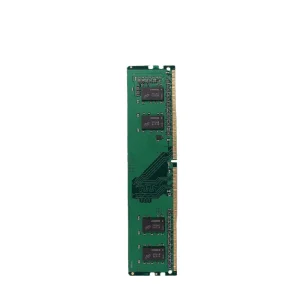
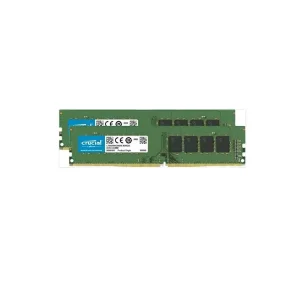
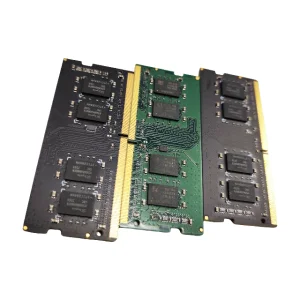
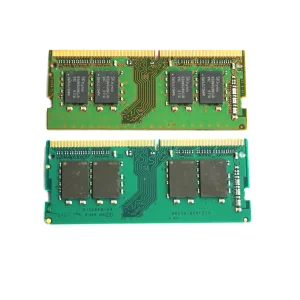
High-performance memory hardware optimized for compatibility and operating stability in critical applications.
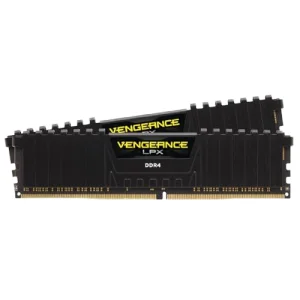
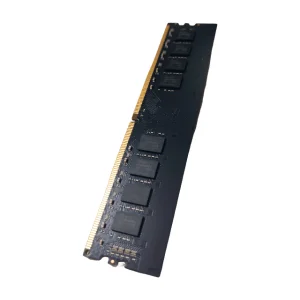
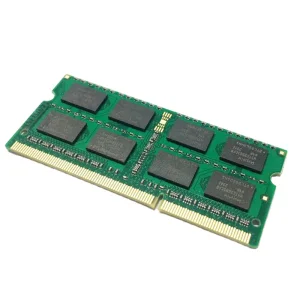 Hot Sale Memory RAM DDR4 4GB 8GB 16GB 2666MHz 3200MHz for Laptop and Desktop Computer Pc NB (Optimized for German Industrial PCs)
Send Inquiry
Hot Sale Memory RAM DDR4 4GB 8GB 16GB 2666MHz 3200MHz for Laptop and Desktop Computer Pc NB (Optimized for German Industrial PCs)
Send Inquiry
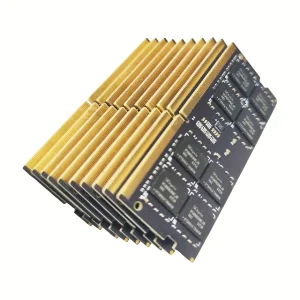
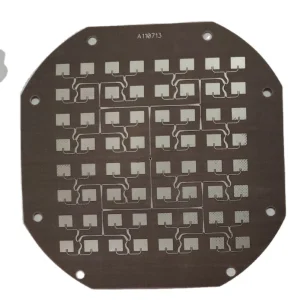 Aluminum substrate PCB circuit board aluminum TOP PCB high-frequency PCB Taconic TLY-5 thickness 0.254 millimeters (German Telecommunications Grade)
Send Inquiry
Aluminum substrate PCB circuit board aluminum TOP PCB high-frequency PCB Taconic TLY-5 thickness 0.254 millimeters (German Telecommunications Grade)
Send Inquiry
While contemporary consumer electronics have evolved toward DDR4 and DDR5 memory configurations, Germany’s powerhouse industrial landscape—rooted in Industry 4.0 automation, machine manufacturing (Maschinenbau), medical systems, and automotive control networks—continues to exhibit robust demand for legacy DRAM modules. The long-term durability of German capital assets dictates that systems designed and deployed over the past decade remain fully active and require ongoing components support.
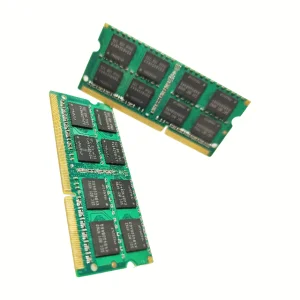
In industrial automation, Programmable Logic Controllers (PLCs), Human-Machine Interfaces (HMIs), and embedded gateway computers deployed across German automotive factories and wind energy installations are constructed around legacy chipsets, notably DDR3 SDRAM. A switch to modern architectures is often cost-prohibitive or requires extensive re-certification, thus making high-quality, long-lifespan DDR3 memory modules indispensable.
Celtrix Memory Technologies Co., Ltd. is a professional memory manufacturer dedicated to delivering high-performance DRAM solutions for global industrial and consumer ecosystems. Since our establishment in 2017, we have focused on the research, development, manufacturing, and custom modification of premium memory products, serving system integrators, OEM distributors, and enterprise clients worldwide.
With a state-of-the-art production complex covering 28,600 m², Celtrix integrates advanced surface-mount technology (SMT) lines, computerized functional testers, and automated optical inspection systems to guarantee zero-defect yields. Our manufacturing practices match the precision and structural integrity demanded by the German and broader European automation industries.
Every single DDR3 and DDR4 memory module undergoes rigorous inspection protocols including Incoming Material Inspection (IQC), In-Process Quality Control (IPQC), Automated Optical Inspection (AOI), physical Burn-in Stress testing, environmental aging, system compatibility matrices, and Final Quality Control (FQC).
How our DDR3 and DDR4 memory products fit into critical German manufacturing infrastructure.
German manufacturers rely heavily on controllers from industry giants like Siemens, Beckhoff, and Phoenix Contact. Our industrial-grade DDR3 modules feature low-power options (DDR3L running at 1.35V) that reduce heat inside sealed control cabinets, guaranteeing 24/7 uptime on the factory floor.
Germany’s automotive sector relies on ultra-durable storage and RAM. Our specialized DDR3 kits undergo thermal cycling tests from -40°C to +85°C, ensuring stability under extreme outdoor conditions in dashboards, telematics, and fleet tracking systems.
Ultrasound systems, MRI processors, and CT scanning computers require long-term compliance and system consistency. Celtrix supports custom SPD configurations, locked Bills of Materials (BOM), and long production lifecycles to prevent re-validation issues for medical equipment suppliers.
Developing scalable architecture configurations to bridge legacy hardware with future system advancements.
The transition from legacy DDR3 architectures to advanced DDR4 and high-density DDR5 RAM modules is a major trend in IT modernization. However, at Celtrix, we understand that hardware transition is a gradual process. Our technological strategy is designed around dual compatibility and long-term availability (LTA).
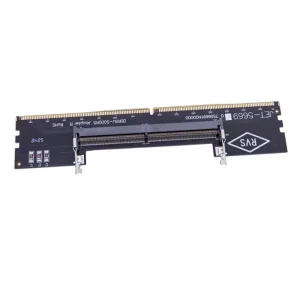
For clients running legacy platforms, we guarantee continued manufacturing availability of DDR3 and DDR3L SODIMMs and UDIMMs until 2030. At the same time, we support our partners' modernization efforts by offering conversion adapter cards, customized motherboard engineering support, and high-frequency PCB board configurations (such as Taconic TLY-5 aluminum substrate systems).
Whether you are managing a fleet of legacy systems or developing next-generation servers, Celtrix provides the engineering capability to bridge these generations. We source original high-quality IC chips from industry leaders like Samsung, Micron, and SK Hynix, combined with proprietary layout technologies to ensure signal integrity and electrical stability.
Highly automated manufacturing lines, quality-controlled testing labs, and warehouse operations.
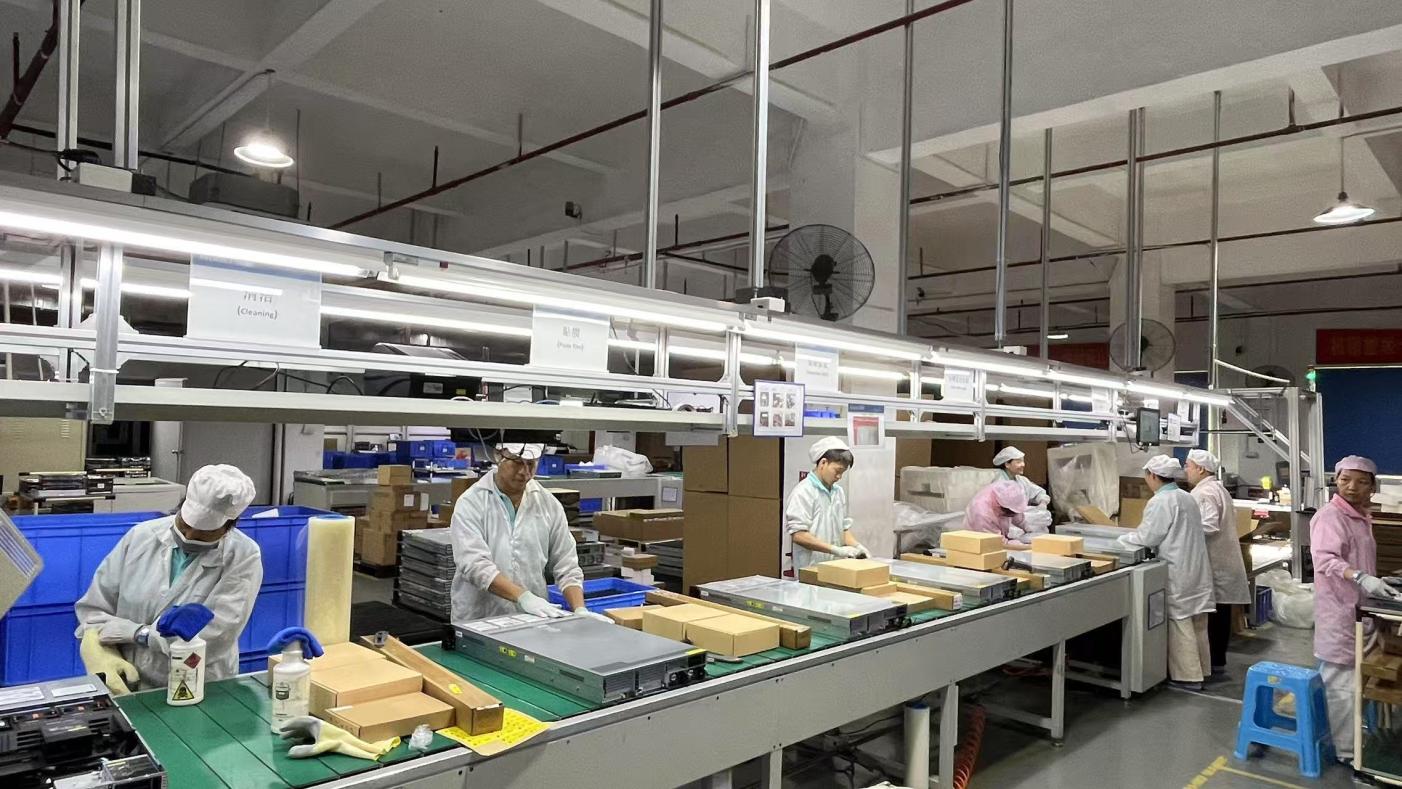
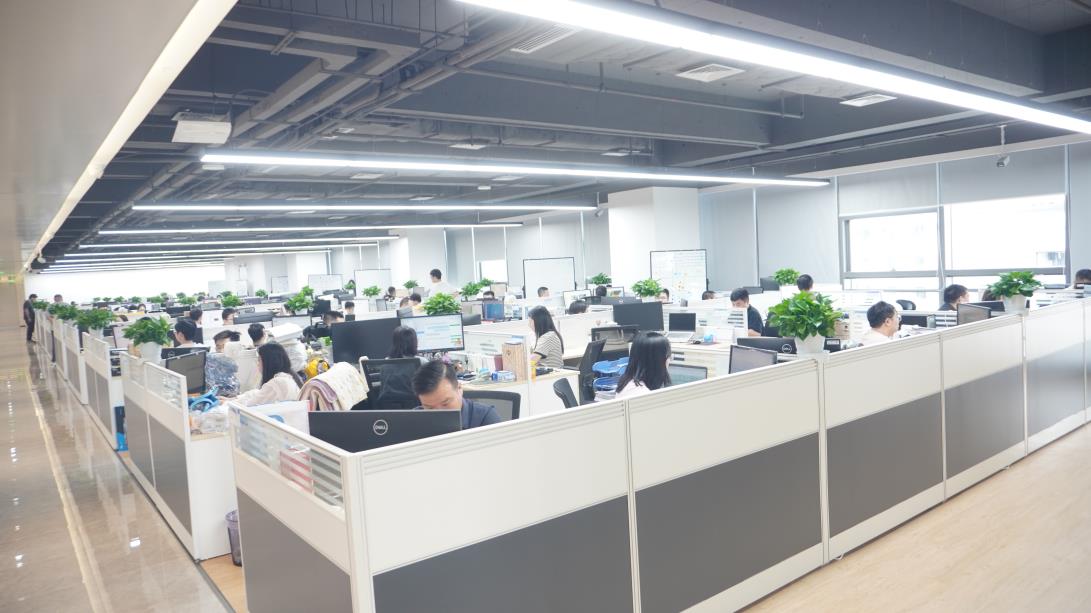
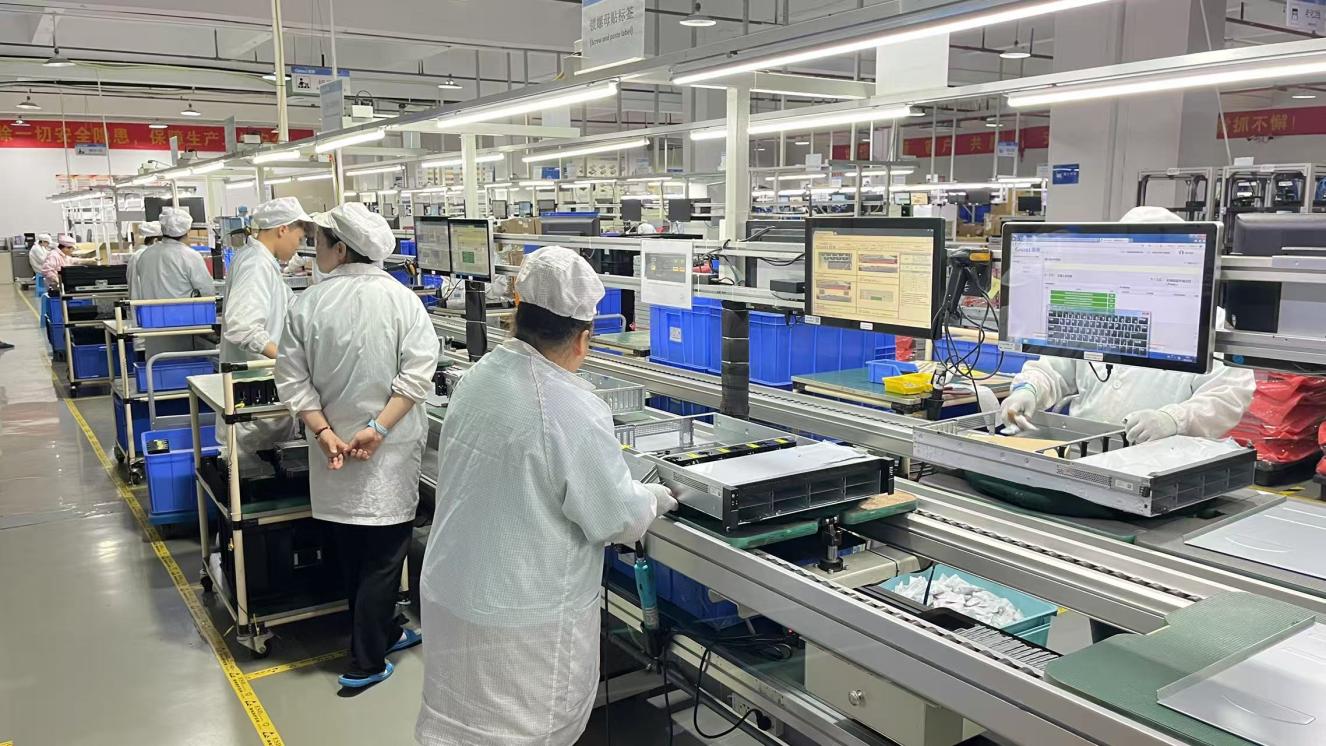
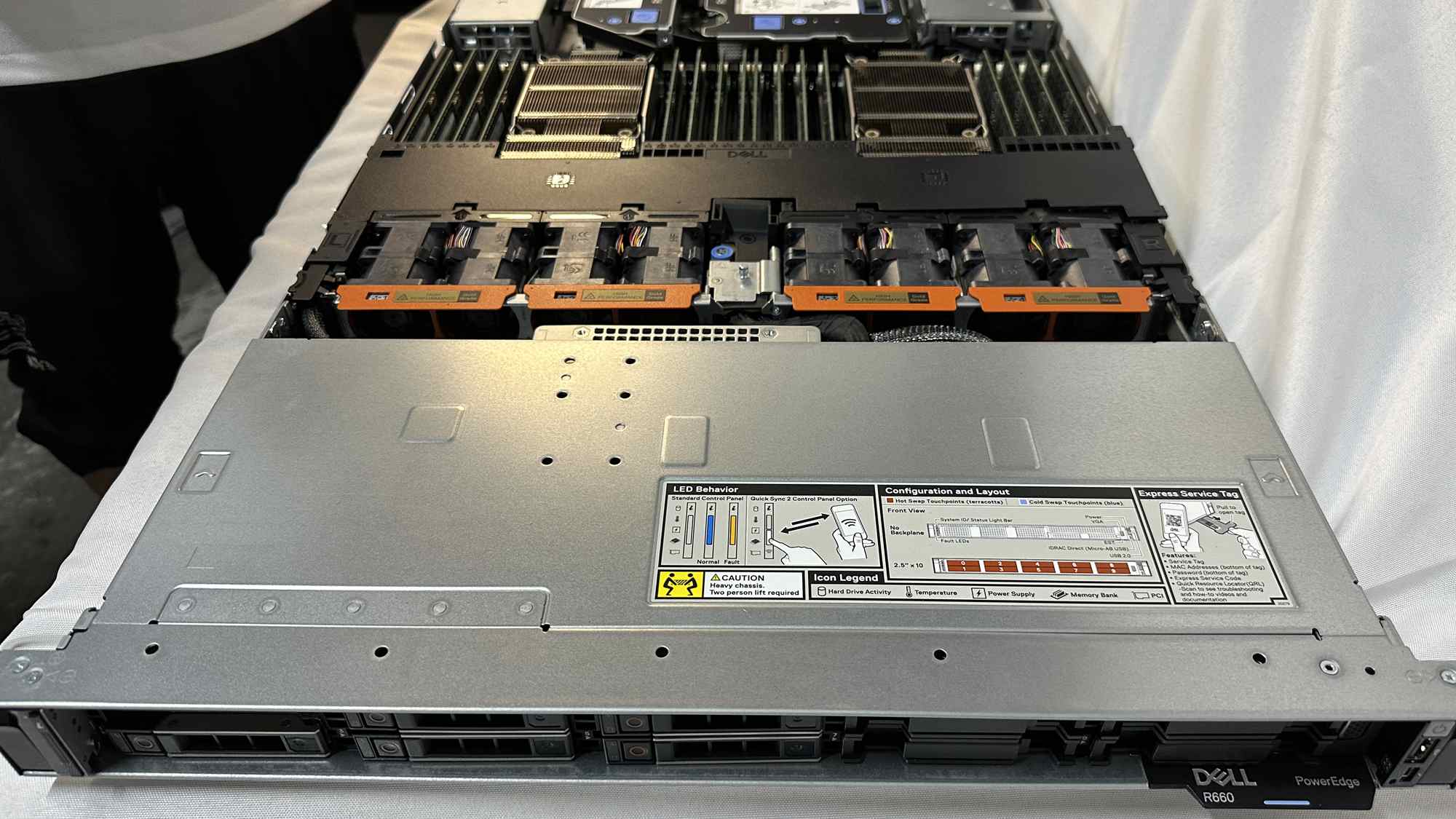
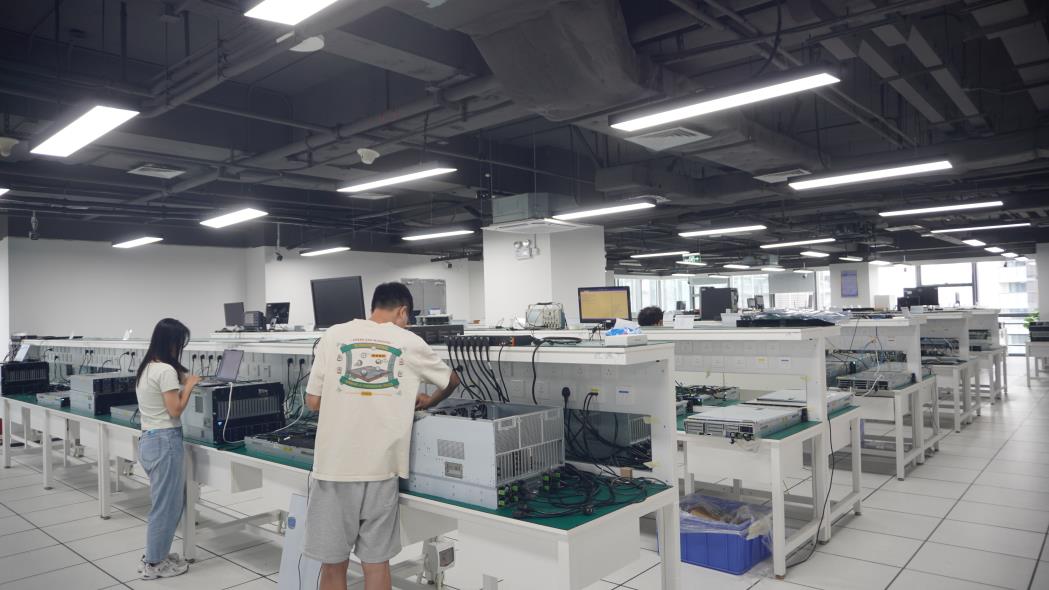
Providing smooth logistics and certified reliability for Germany and continental Europe.
Importing electronics into Germany requires navigating customs processes, VAT registration, and specific product declarations. Celtrix has 7 years of direct export experience. We offer door-to-door delivery with complete customs clearance assistance (DDP/DAP terms) to hubs in Frankfurt, Hamburg, Munich, and Dusseldorf.
We provide deep hardware customization to help brand owners, system builders, and wholesale distributors stand out in local markets:
Browse our wide selection of consumer, server, and industrial-grade memory modules.
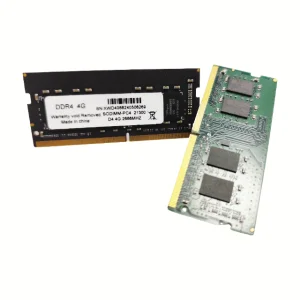 Factory Wholesale Laptop DDR4 ECC 4GB 8GB 2666MHz RAM Memory Module Intelligent Memory Kit Stock (High Reliability)
Send Inquiry
Factory Wholesale Laptop DDR4 ECC 4GB 8GB 2666MHz RAM Memory Module Intelligent Memory Kit Stock (High Reliability)
Send Inquiry
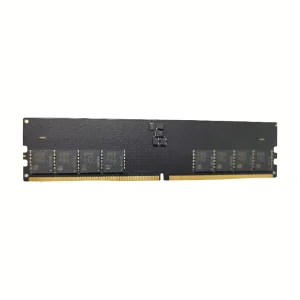 DDR5 Computer Memory RAM DDR5 4GB 8GB 16GB 32GB Server Memory RAM 14800MHz 5600MHz 6000MHz
Send Inquiry
DDR5 Computer Memory RAM DDR5 4GB 8GB 16GB 32GB Server Memory RAM 14800MHz 5600MHz 6000MHz
Send Inquiry
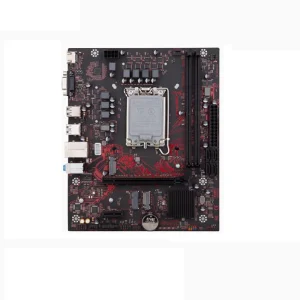
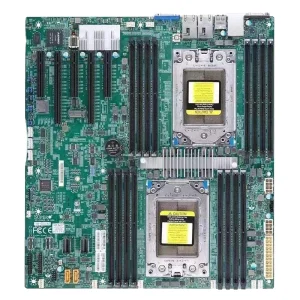 OEM/ODM Copper Aluminum Composite Material Original Brand New ultra Micro H11DSI-NT Dual Channel Server Motherboard
Send Inquiry
OEM/ODM Copper Aluminum Composite Material Original Brand New ultra Micro H11DSI-NT Dual Channel Server Motherboard
Send Inquiry
Technical support, hardware compatibility, and procurement details for German and European customers.
 Celtrix Memory