Engineered for high thermal tolerance and absolute system compatibility across Japanese industrial motherboards.
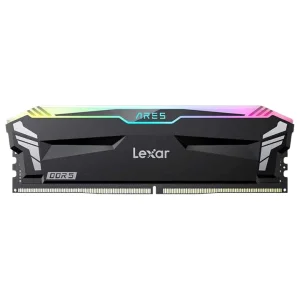
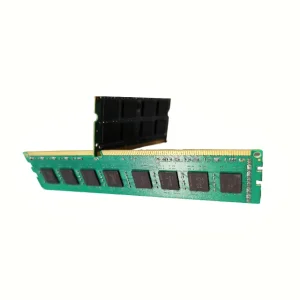
Japan’s technology landscape is defined by its deep fusion of cutting-edge innovation and long-lifecycle industrial architectures. While global consumer markets rapidly transition toward DDR5, Japan’s commercial, industrial, and infrastructure frameworks maintain a substantial, highly critical demand for DDR4 memory architectures. From the automated assembly lines in Aichi Prefecture to the financial data centers in Tokyo, DDR4 RAM modules serve as the backbone of reliable processing.
Japanese system integrators demand memory manufacturers who understand the strict qualification cycles of local industries. High reliability, JEDEC compliance, and long-term hardware availability are non-negotiable. As a premier DDR4 exporter, Celtrix Memory Technologies bridges the gap between global raw-material sourcing and Japan's precision-driven procurement requirements.
The global DRAM industry is experiencing a dynamic supply realignment. Major dynamic random-access memory IC suppliers have shifted production wafers to DDR5 and HBM (High Bandwidth Memory) to support the global AI boom. This shift has compressed the global production footprint for legacy DDR4 components, creating supply chain vulnerabilities for industries that cannot transition overnight. Celtrix strategically addresses this market challenge by maintaining robust, direct channels with major wafer fabs, ensuring a stable inventory of premium Grade-A DRAM ICs for Japanese system integrators and distributors.
In Japan, the commercial applications for high-grade DDR4 memory span several distinct segments:
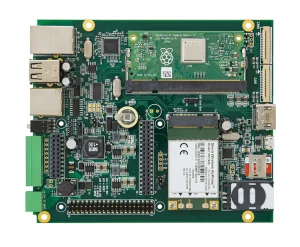
Custom-engineered system boards and memory modules for IoT gateways, industrial panels, and embedded PCs.
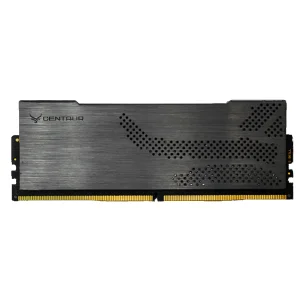
Direct Manufacturer & Reliable Global Exporter of Premium DRAM Hardware
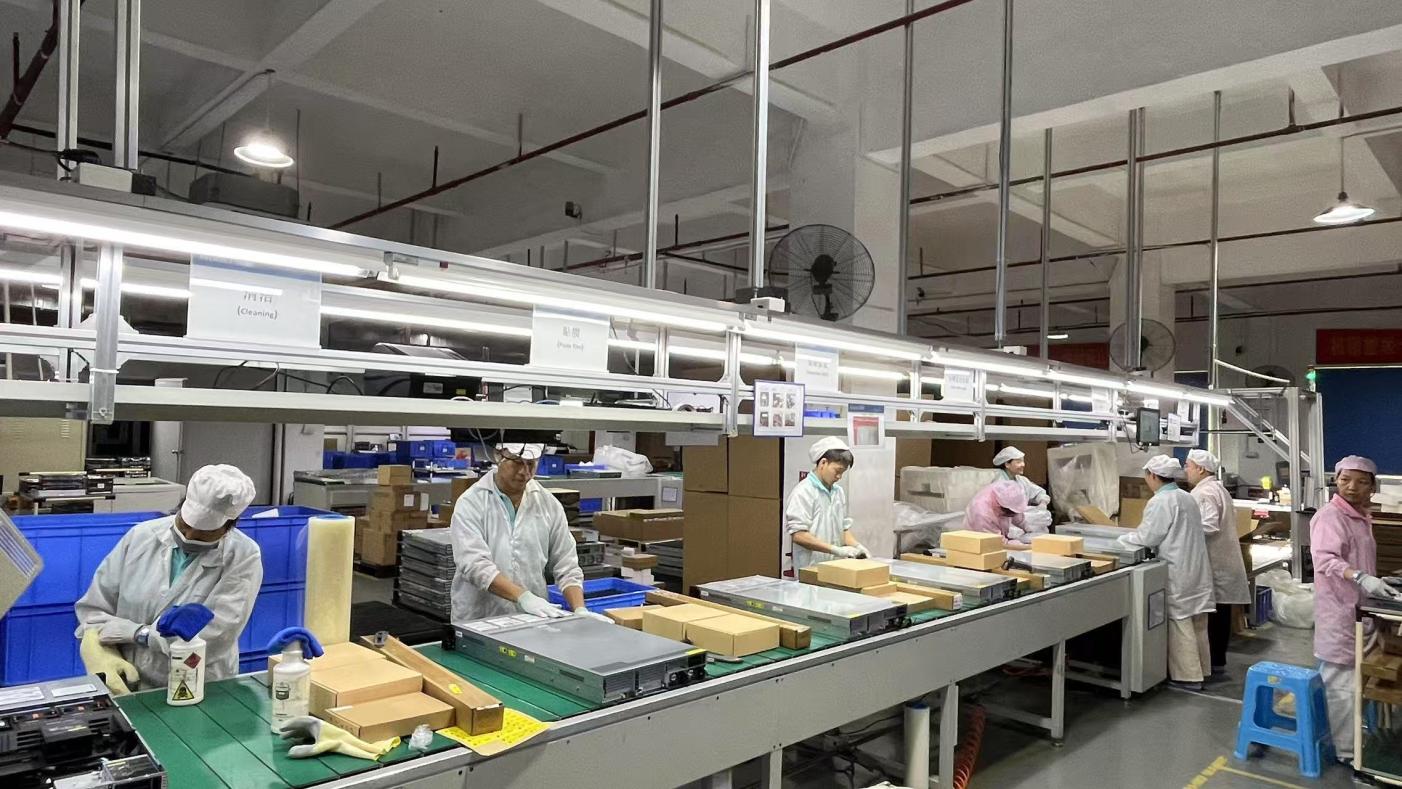
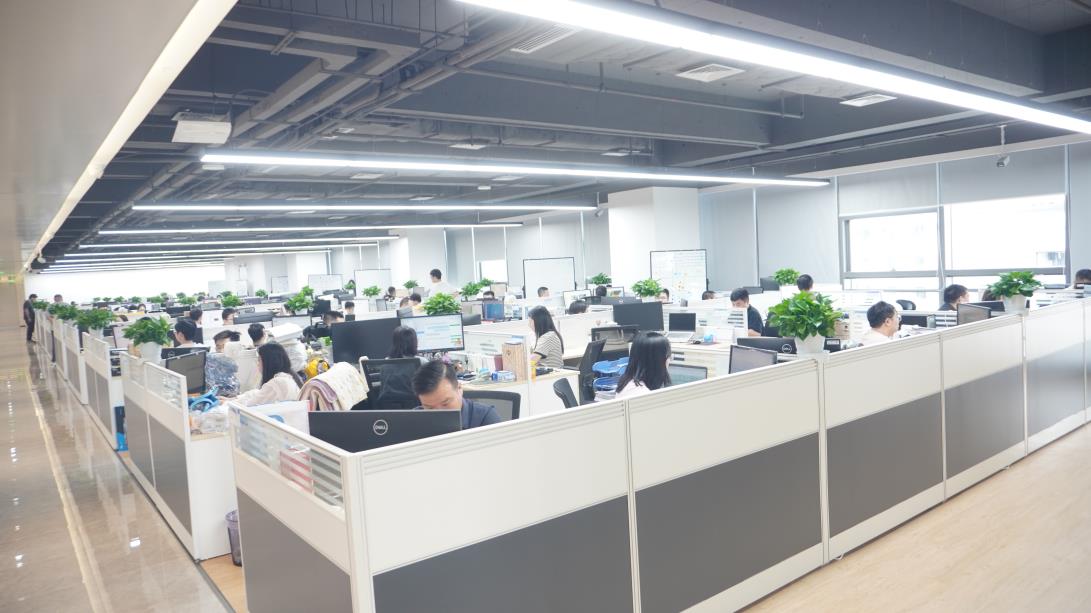
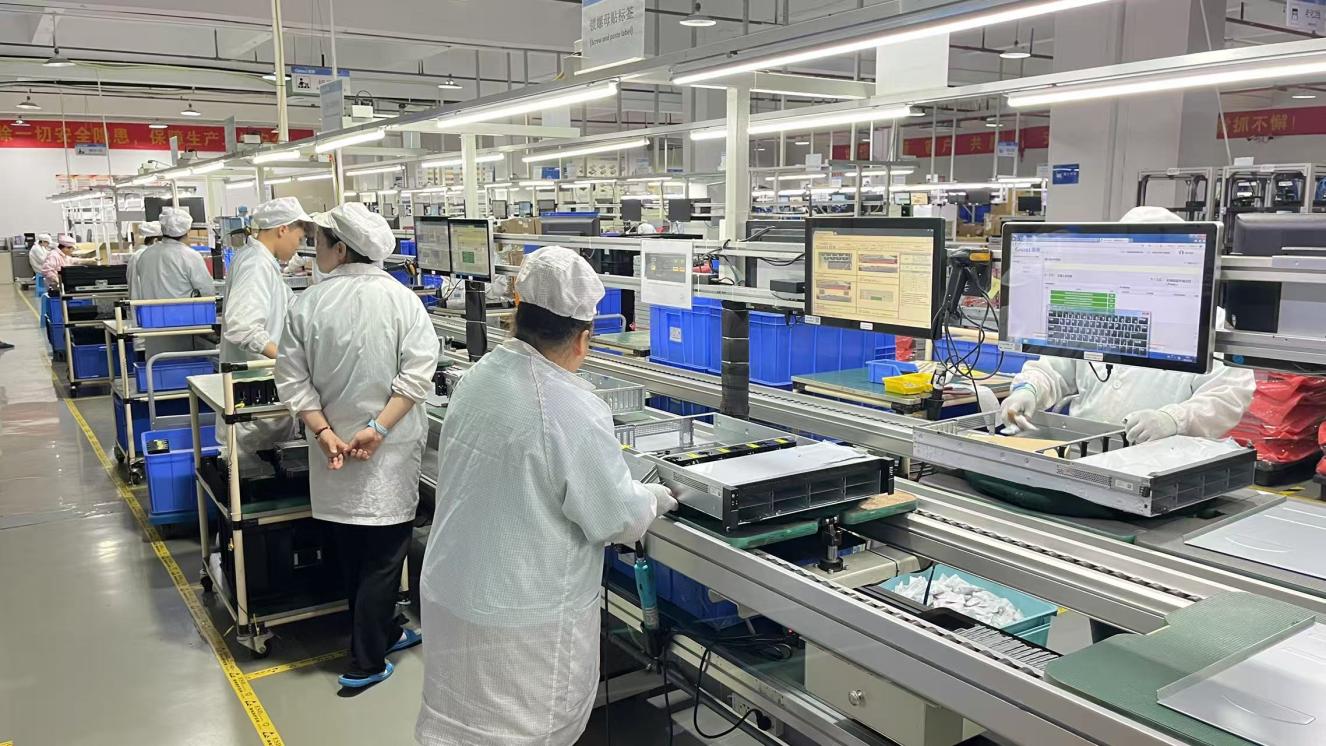
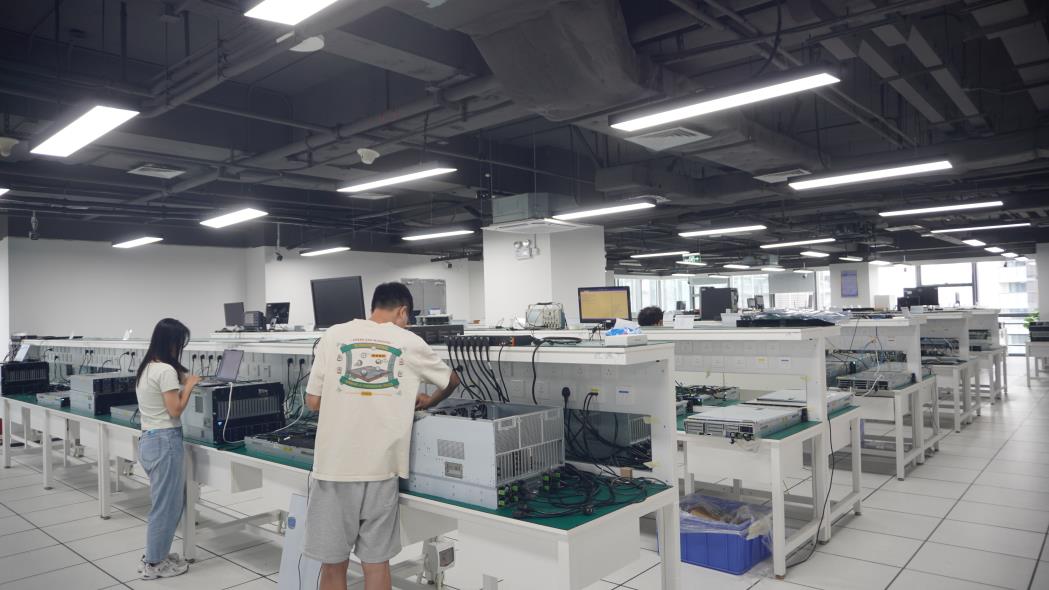
Established in 2017, Celtrix Memory Technologies Co., Ltd. has developed into a major player in the global DRAM manufacturing landscape. With a modern, highly automated facility in China spanning 28,600 square meters, we maintain a dedicated manufacturing infrastructure that serves customers across 50 countries. Backed by 9 years of industry expertise and 7 years of export history, we deliver OEM/ODM services that conform to regional compliance standards worldwide.
Our quality management workflow is ISO 9001 certified. We execute multi-stage inspections, including incoming component testing, automated optical inspection (AOI), high-temperature stress tests, system compatibility matrices, and final quality control checks. This meticulous focus on manufacturing details keeps our return-merchandise-authorization (RMA) rate consistently below 0.05%, fulfilling the strict quality benchmarks of Japanese system integrators.
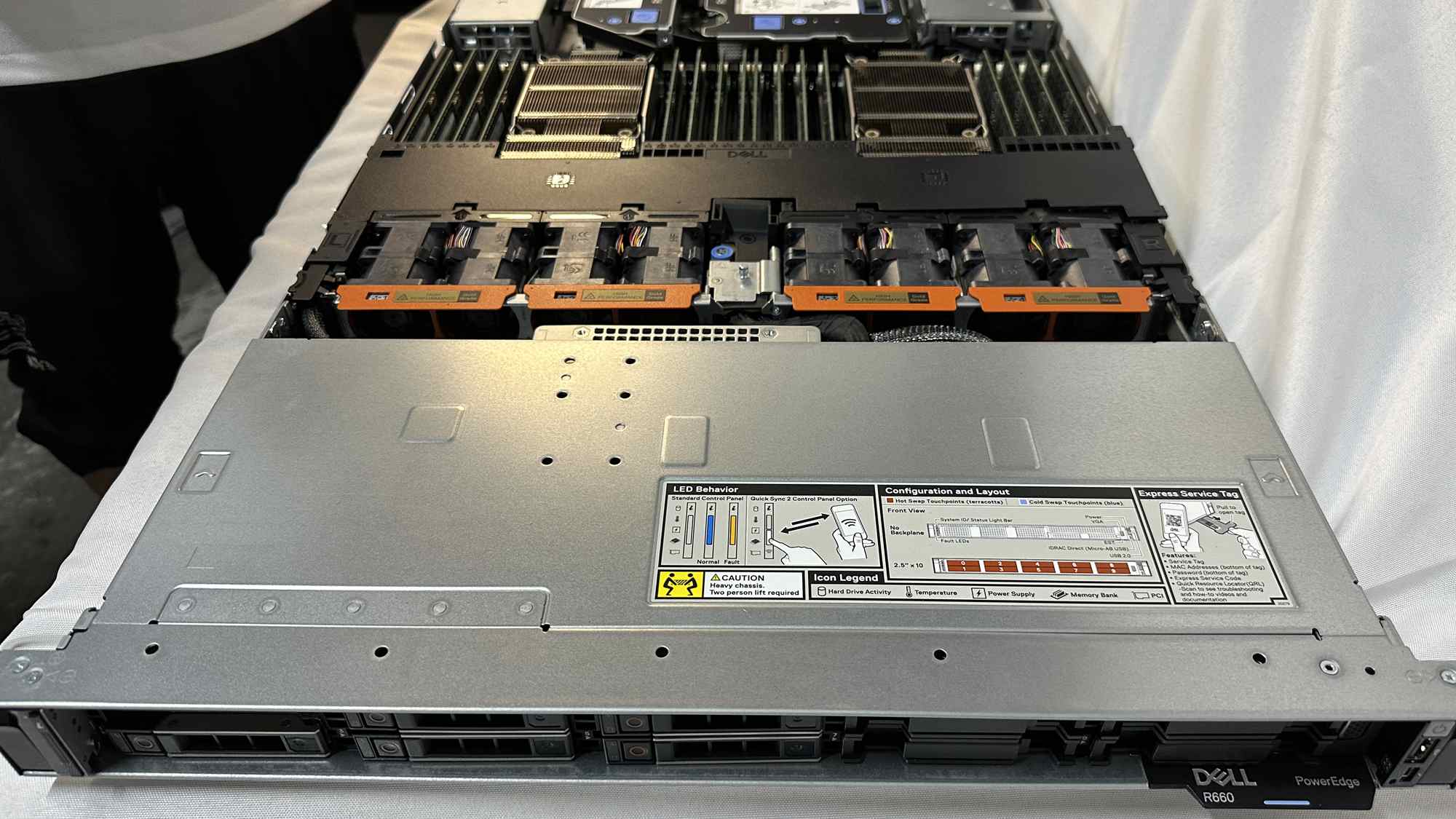
Understanding the micro-architectural differences between memory generations is vital for industrial procurement planning. The following comparison highlights key engineering vectors between DDR4 and DDR5 technologies, supporting strategic system architecture decisions.
| Specification Metric | DDR4 Specification Standards | DDR5 Specification Standards | Industrial Application Notes for Japan |
|---|---|---|---|
| Data Transfer Rate | 1600 Mbps to 3200 Mbps | 3200 Mbps to 8400+ Mbps | DDR4 speeds of 2666/3200MHz satisfy standard industrial control needs. |
| Operating Voltage | 1.2V (Vdd) | 1.1V (Vdd) | DDR5 reduces active power, but requires PMIC management on the module. |
| Power Management | Managed by Host Motherboard | On-Module PMIC | On-module PMIC improves local power distribution but changes thermal profiles. |
| Channel Architecture | Single 64-bit wide data channel | Dual independent 32-bit subchannels | DDR5's dual subchannels optimize bus utilization for multicore CPUs. |
| Error Correction Code (ECC) | Sideband ECC (Requires dedicated 8-bit bus) | On-Die ECC + Optional Sideband ECC | Industrial applications rely on full bus-level ECC to protect active storage states. |
| Lifecycle Expectation | High maturity; expected availability through 2030+ | Rapidly expanding; early production phase | DDR4 remains preferred for long-lifecycle industrial products. |
Celtrix offers structural memory configurations optimized for complex systems integration. We work directly with procurement officers to deploy memory that minimizes downtime and handles high operational stresses.
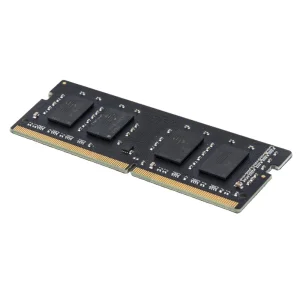
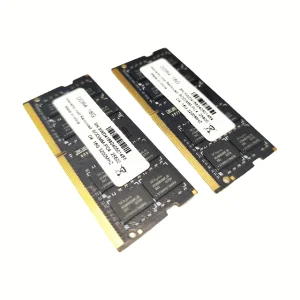
We supply low-profile, high-density SODIMMs configured for passive thermal dissipation. Ideal for Tokyo’s smart city grids and municipal transport sensor networks.
Vibration-resistant DRAM components designed for automated pick-and-place lines. These modules run on custom SPD configs to prevent clock timing drift during continuous operation.
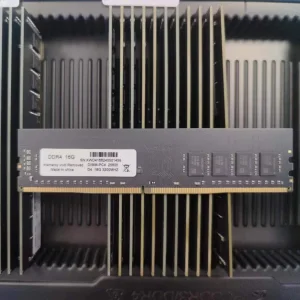
High-density registered DIMMs (RDIMMs) with advanced thermal shields, tailored for virtualization servers and high-traffic regional database centers.
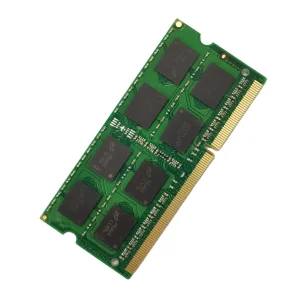
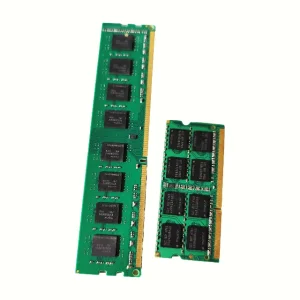
Standard and server-specific memory modules, including motherboards optimized for industrial integration.
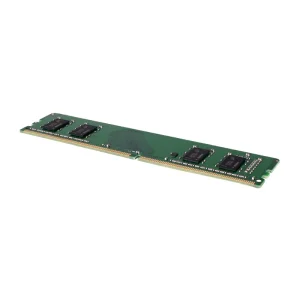
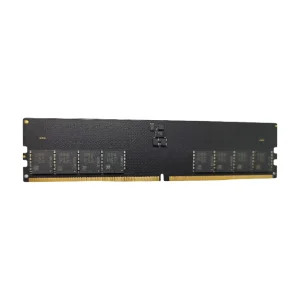
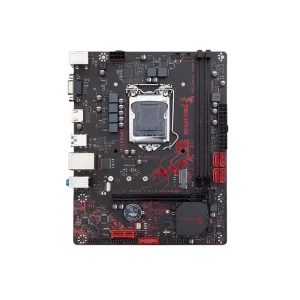
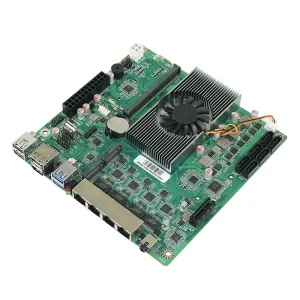
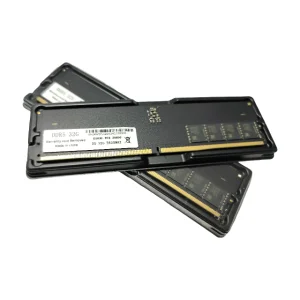
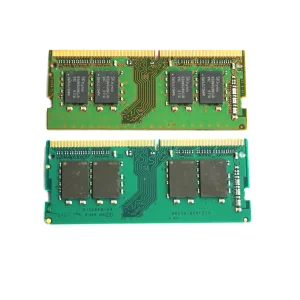
In-depth answers to key inquiries regarding procurement, industrial validation, and shipping standards to Japan.
We maintain an active compatibility matrix laboratory running extensive validation cycles on mainstream Japanese industrial system platforms (including Advantech Japan, Contec, and Interface Co. systems). Every batch of custom DDR4 RAM undergoes automated testing on identical configurations of host chipsets (e.g., Intel Q-series, H-series, and embedded core chips) to guarantee JEDEC-standard timing compliance and cold-boot consistency in various environmental conditions.
We use high-grade DRAM IC dies sourced from major global suppliers, including Samsung, SK Hynix, and Micron. This selective sourcing strategy ensures high electrical integrity, consistent signal margin, and low latency variations. For industrial grade contracts destined for Japanese ports, we provide traceability files detailing the component wafer batches used in manufacturing.
Our standard manufacturing and export workflow to Japan takes 7 to 15 business days, depending on custom requirements (e.g., custom SPD programming or specialized heat spreaders). We offer packaging configurations ranging from bulk anti-static trays (ideal for assembly lines) to customized retail boxes with custom labels and J-Code barcodes to facilitate direct distribution.
All Celtrix memory modules exported to Japan comply with international environmental protection standards, including RoHS and REACH directives. Our products are lead-free and manufactured under cleanroom conditions. Additionally, we provide CE and FCC compliance declarations. We work closely with our partners to ensure all documentation satisfies local clearance and safety requirements.
 Celtrix Memory