A premium selection of memory configurations, server chipsets, and high-frequency PCBs engineered for reliable operation in complex, electromagnetic-sensitive processing environments across Bratislava, Košice, and Western Slovakia.
Slovakia is globally recognized as an automotive powerhouse, hosting major manufacturing facilities for Volkswagen, Stellantis, Kia, and Jaguar Land Rover. This high density of automotive industrialization, coupled with a surging network of tier-1 component suppliers in centers like Nitra, Žilina, and Trnava, has propelled Slovakia into a critical hub for advanced electronic design. The integration of Autonomous Driving Assistance Systems (ADAS), collision avoidance radars, and onboard high-frequency processing units demands radio-frequency (RF) substrates that exceed standard FR4 capabilities.
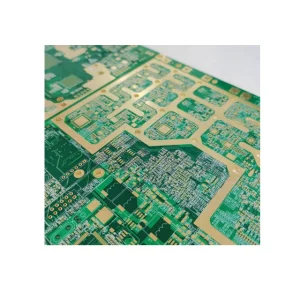
As Slovakia pivots toward Smart Mobility, Industrial Internet of Things (IIoT), and localized 5G network expansion, the deployment of high-frequency, low-loss Printed Circuit Boards (PCBs) has become crucial. Standard PCB substrates fail when processing signals in the gigahertz range due to signal dispersion and high dielectric dissipation. Rogers high-frequency materials (such as the Rogers 4000 series, including RO4350B and RO4003C) provide the precise physical properties—such as a stable Dielectric Constant (Dk), ultra-low dissipation factor (Df), and excellent thermal conductivity—required to maintain signal integrity in harsh automotive and aerospace environments.
Slovakia’s automotive supply chains demand 77-81 GHz radar sensors built on Rogers 3000 and 4000 series laminates for lower insertion loss and superior impedance stability.
Telecom infrastructures in Bratislava utilize multi-layer hybrid stack-ups combining Rogers ceramic-filled thermoset laminates with high-Tg FR-4 core sheets.
Slovakia's smart factories rely on rugged RF transceivers. Rogers PCBs withstand high operational temperatures and maintain mechanical dimension rigidity.
For engineering and design departments in Slovak enterprises, choosing the appropriate substrate is critical for cost optimization and system performance. The following table showcases the operational thresholds of Rogers high-frequency laminates compared to traditional FR-4, emphasizing why Rogers is required for high-frequency or high-reliability applications.
| Substrate Material | Dielectric Constant (Dk @ 10GHz) | Dissipation Factor (Df @ 10GHz) | Thermal Conductivity (W/m/K) | Moisture Absorption (%) | Primary Industrial Applications |
|---|---|---|---|---|---|
| Rogers RO4003C | 3.38 ± 0.05 | 0.0027 | 0.71 | 0.06 | LNBs, Automotive Radar, Cellular Base Station Antennas, RF ID |
| Rogers RO4350B | 3.48 ± 0.05 | 0.0037 | 0.69 | 0.06 | Point-to-point microwave, Power Amplifiers, RFID tags |
| Rogers RO3003 (PTFE) | 3.00 ± 0.04 | 0.0010 | 0.50 | <0.02 | 77 GHz Collision Avoidance Systems, ADAS Front-End, Millimeter Wave |
| Shengyi FR4 (High Tg170) | 4.30 - 4.60 | 0.0150 - 0.0200 | 0.35 - 0.40 | 0.15 | Standard digital microcontrollers, low-power industrial displays |
Impedance Stability and Signal Loss: At frequencies above 2 GHz, the electrical loss of FR-4 rises exponentially, resulting in severe attenuation of the signal path. Rogers laminates minimize insertion loss, maintaining consistent signal-to-noise ratios (SNR). Additionally, the thermal coefficient of Dk in Rogers materials is exceptionally low, ensuring the dielectric properties do not swing radically across Slovakia’s sub-zero winter temperatures or inside hot automotive engine compartments.
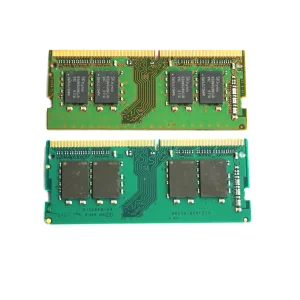
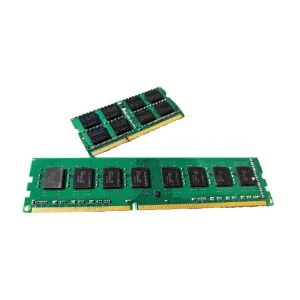
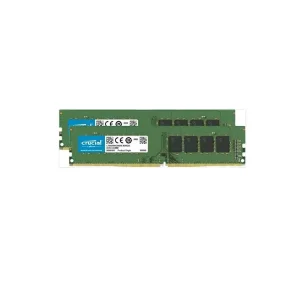
As a premier manufacturing partner, Celtrix Memory Technologies Co., Ltd. (established in 2017) has expanded its initial core specialization in high-performance DDR5 and DDR4 memory modules to include advanced high-frequency multi-layer PCB supply chains. Catering to the demanding European market, particularly in industrial clusters in Slovakia, we provide optimized logistics and engineering support designed to bridge the gap between design and volume distribution.
Every memory module, motherboard, and high-frequency hybrid Rogers PCB manufactured at the Celtrix facility undergoes a rigorous quality regimen. Guided by our ISO 9001 Quality Management System, the manufacturing sequence includes: Incoming Material Inspection (IQC), In-Process Quality Control (IPQC), Automated Optical Inspection (AOI), high-frequency vector network analysis (VNA) for impedance evaluation, Thermal Shock Chamber aging, functional testing, and Final Quality Control (FQC). This comprehensive testing ensures that all components delivered to Slovakia comply with strict European Union standards (CE, RoHS, and WEEE regulations).
Consult with Celtrix engineers today for tailored PCB stack-up design reviews, impedance matching calculations, and high-speed DDR4/DDR5 system integration support.
Send Inquiry NowNavigating the Slovak electronics market requires a deep understanding of localized deployment scenarios. Our export team focuses on three key domestic applications:
With EV fabrication scaling across Western Slovakia, the demand for high-reliability radar frontend boards is surging. Using hybrid stackups—specifically laminating Rogers RO3003 or RO4350B directly to FR-4 ground cores—allows engineers to secure excellent microwave signal response at 77 GHz while optimizing production costs.
Industrial smart factories in Košice and Žilina utilize local IoT nodes to monitor robotic assembly arms. These devices require small form-factor computing modules. By combining high-speed, temperature-stable DDR4/DDR5 memory layers with RF sections on a single Rogers-hybrid motherboard, system designers can prevent data transfer bottlenecks and reduce device footprints.
High-frequency transceivers deployed in Central European telecom networks require extreme climate resilience. Our Rogers-based designs resist ambient moisture and exhibit low outgassing properties, making them suitable for long-term outdoor base stations.
As hardware requirements shift toward higher data rates and smaller footprints, our R&D roadmap focuses on: Multi-layer Hybrid Stack-Ups, Embedded Passive Components, and High-Density Interconnect (HDI) integration. The convergence of ultra-high-speed DRAM modules (DDR5 5200MHz and beyond) with high-frequency antenna layers poses challenging signal routing issues. Celtrix R&D works directly on electromagnetic simulation to ensure signal integrity across the interfaces between high-speed processor sockets and low-loss RF feedlines.
In addition, thermal management has become a critical challenge. Modern computing systems generate substantial thermal dissipation. By leveraging Rogers ceramic-filled laminates, which offer up to twice the thermal conductivity of standard FR-4, and integrating thick copper cores or thermal vias, we help our Slovak clients maintain optimal chip temperatures even under heavy computational loads.
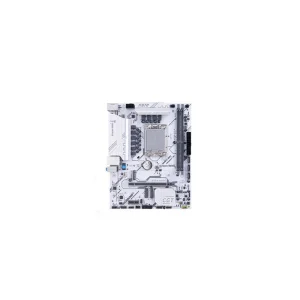
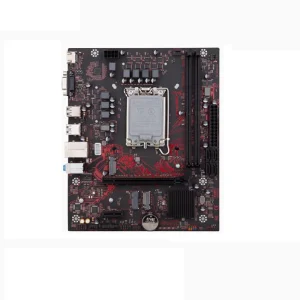
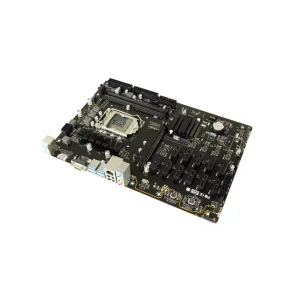
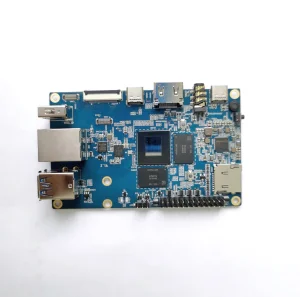
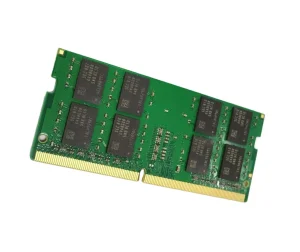
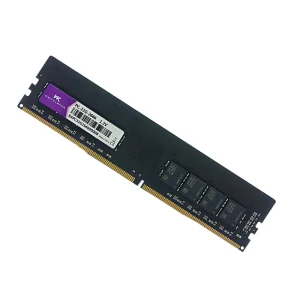
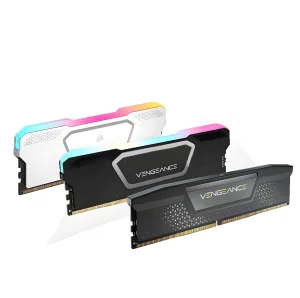
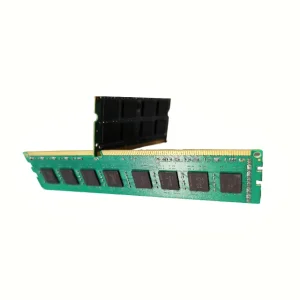
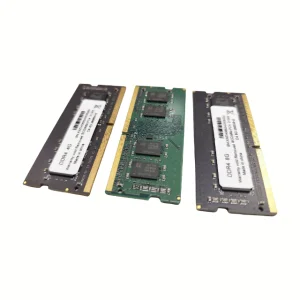
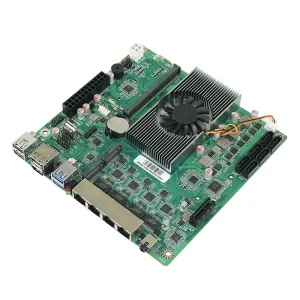
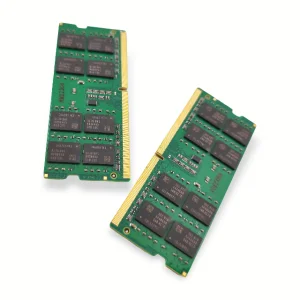
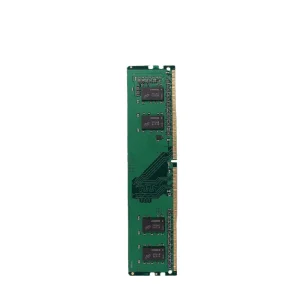
Explore our complete portfolio, including industrial-grade RAM modules, specialized multi-slot test motherboards, high-frequency Rogers PCB stack-ups, and embedded processor cards, all engineered for optimal performance in Slovak telecommunications and automotive setups.
Here are answers to key questions from design engineers and supply chain managers in the Slovak electronics sector regarding high-frequency Rogers PCBs and integration compatibility.
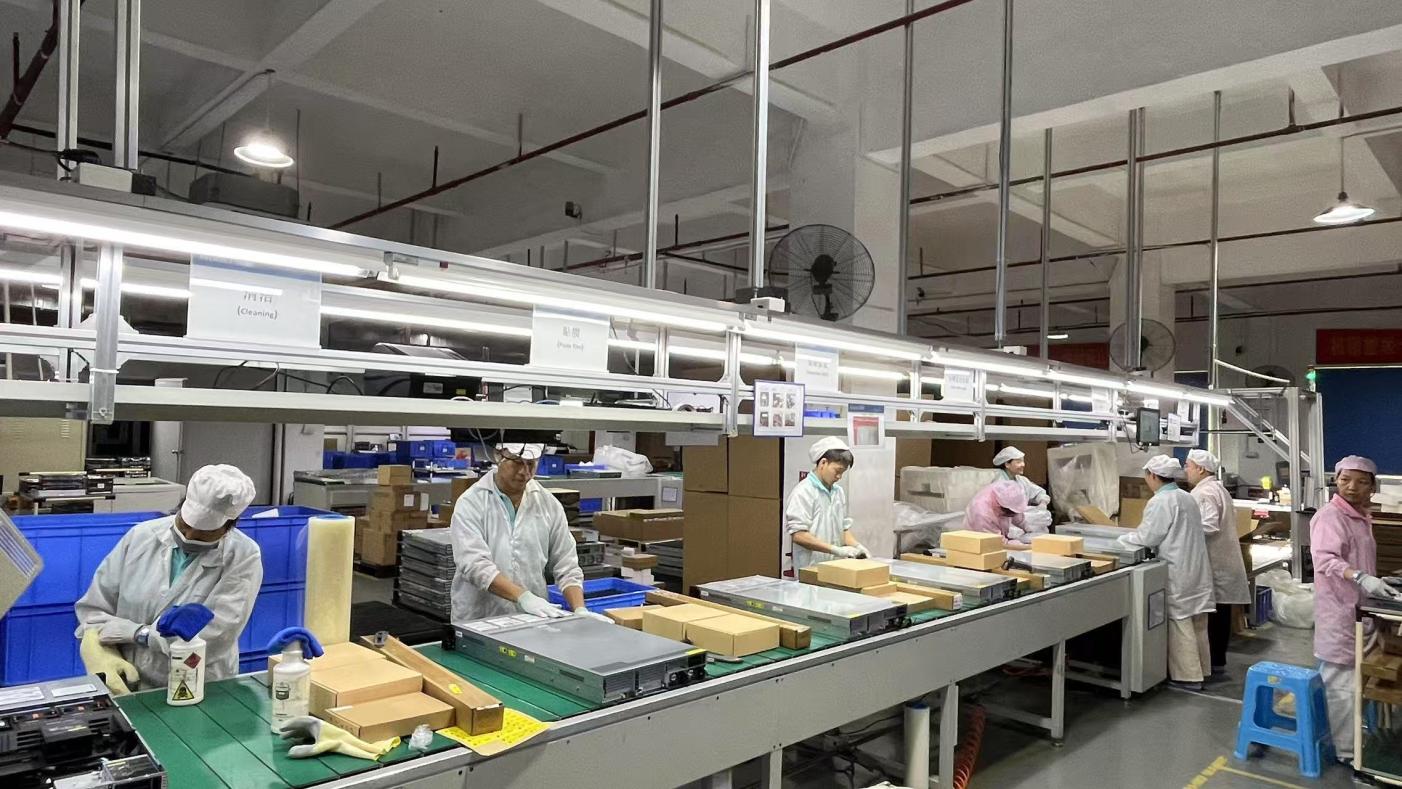
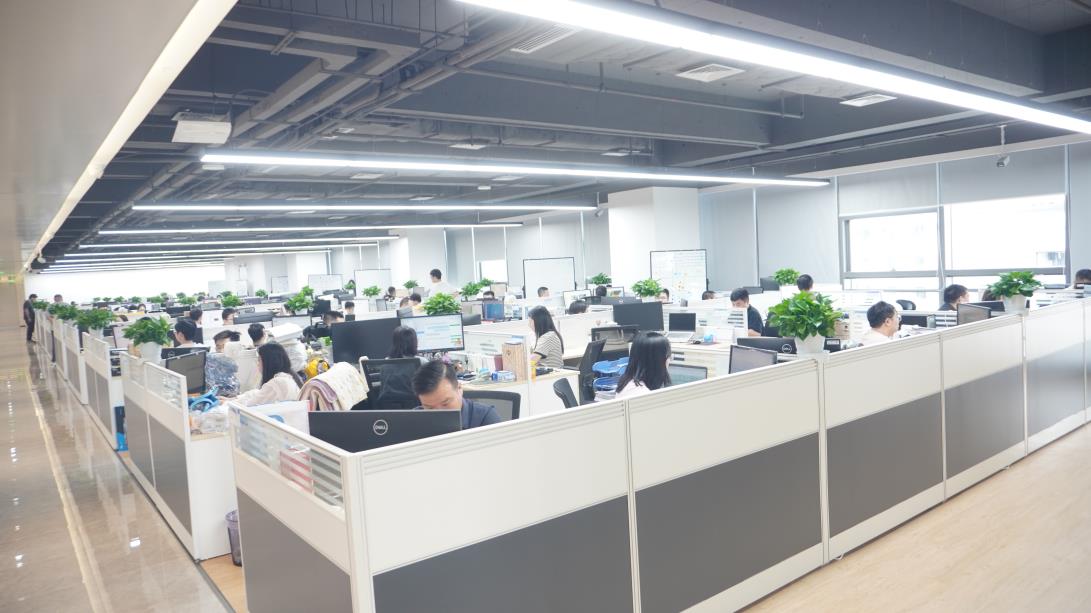
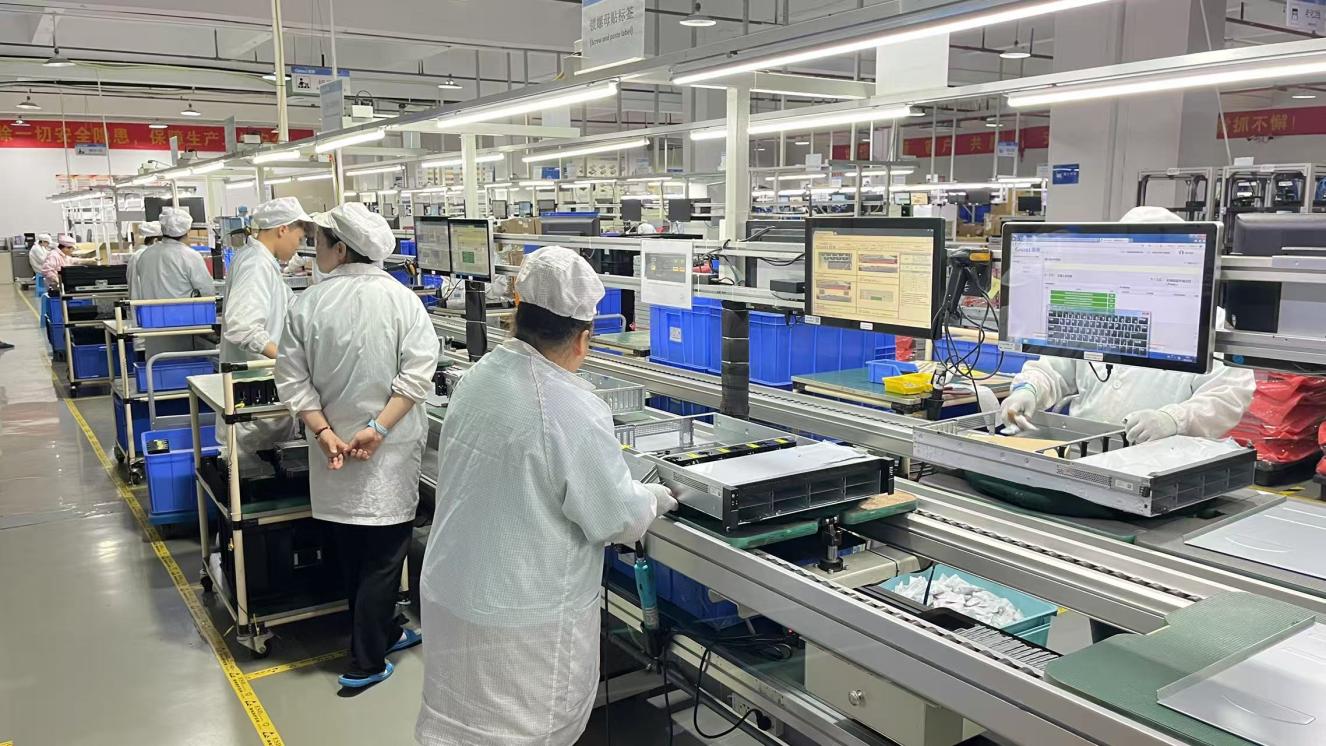
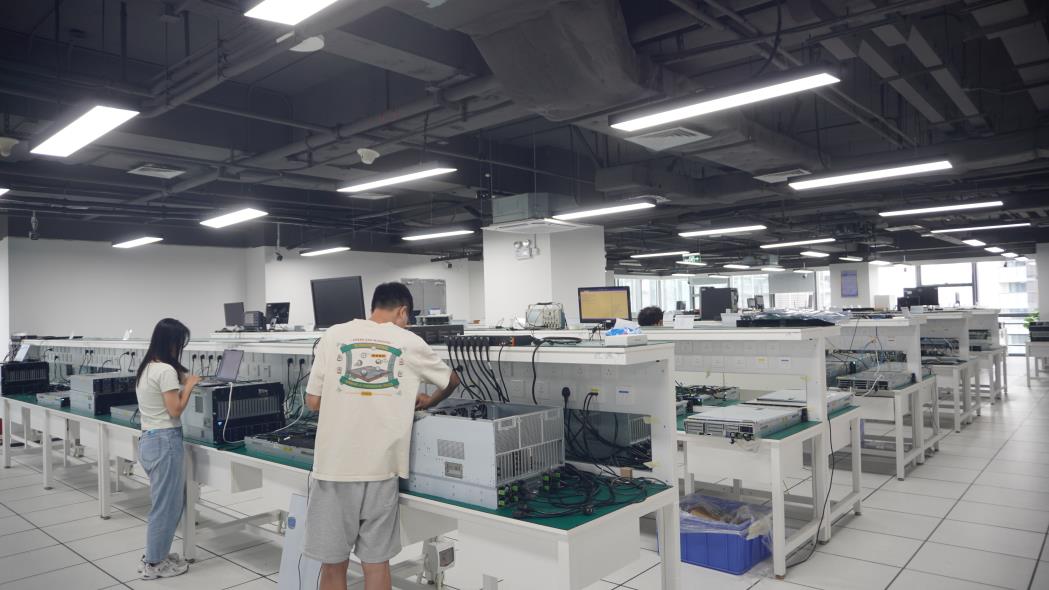
Our production lines integrate high-precision automated assembly, multi-axis inspection systems, and advanced cleanroom areas to support the manufacturing of high-frequency PCBs and high-speed memory systems.
 Celtrix Memory