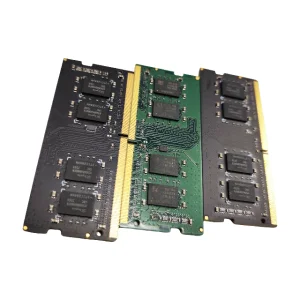
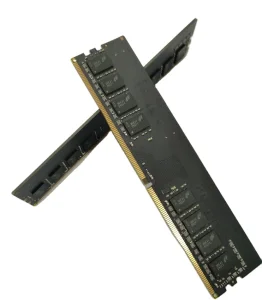
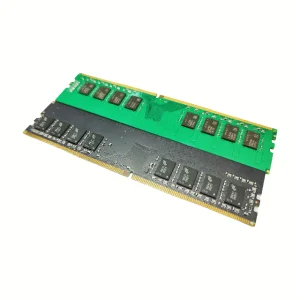
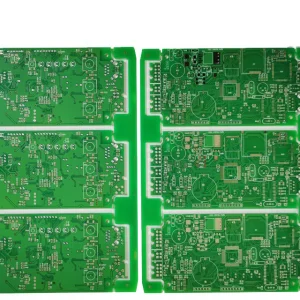
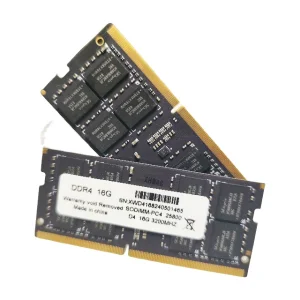
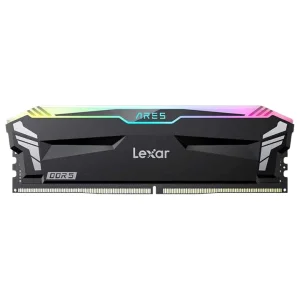
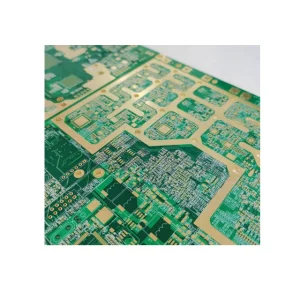
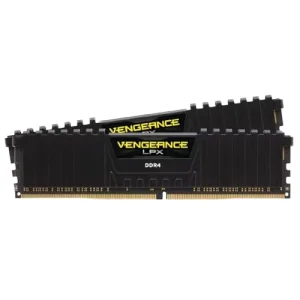
In the modern computing era, environmental resilience is as critical as computational raw speed. As server infrastructures push the limits of performance in data centers, industrial automation, and mobile platforms, the hardware components driving this transformation are increasingly subjected to thermal, chemical, and humidity stresses. Traditional conformal coatings—while historically sufficient—often add excessive thickness, restrict critical heat dissipation, and struggle with coverage uniformity over high-density DRAM architectures.
Enter CE Certified Nano Coating Technology. Operating at molecular scales (typically ranging from 10 to 100 nanometers), modern nano coatings deposit hydrophobic and oleophobic barriers that protect underlying circuits without modifying their physical clearance dimensions or compromising thermal dissipation profiles. Whether preventing electrochemical migration (dendritic growth) on modern DDR5 memory modules or mitigating moisture invasion in multi-layered, high-frequency PCBs, nano coating delivers reliable, lifetime-enhancing protection for mission-critical hardware.
For industrial systems integrators and enterprise hardware developers, partnering with a certified manufacturer of nano coating components is not just about raw specification sheets—it is a vital pillar of supply chain reliability and risk mitigation.
As an industry-leading player in high-performance hardware and semiconductor systems, Celtrix Memory Technologies Co., Ltd. has pioneered the convergence of high-density DRAM packaging and advanced protective nano-coating technology. Founded in 2017, Celtrix operates out of a state-of-the-art facility covering 28,600 m². The company has dedicated itself to the production, optimization, and international delivery of high-speed memory and circuit boards designed to meet stringent global standards.
With over 9 years of industry experience and 7 years of export history, Celtrix bridges the gap between raw hardware assembly and environmental durability. By integrating proprietary, CE-certified chemical vapor deposition (CVD) and plasma-polymerized nano-coating workflows directly into our cleanrooms, we supply distributors, system integrators, and OEM partners across 50+ countries with components optimized for maximum lifespan.
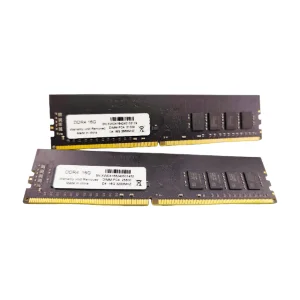
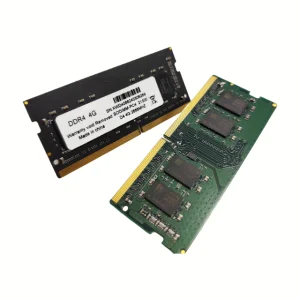
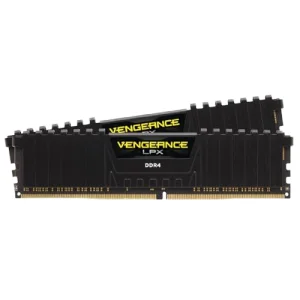
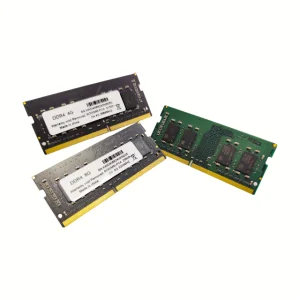
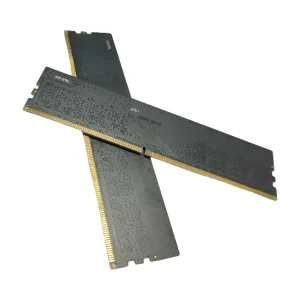
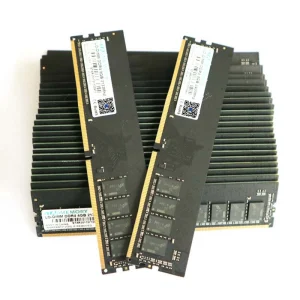
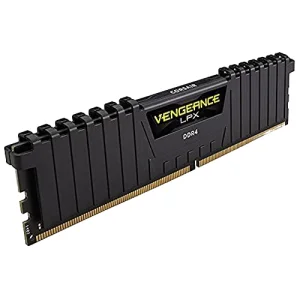
By maintaining high-level capabilities in OEM/ODM product customization (including custom heat spreaders, SPD programming, and private labels), Celtrix integrates specialized protective barrier applications directly during the board fabrication process. This ensures that every high-frequency PCB, DDR4, or DDR5 memory strip exported by Celtrix possesses robust protection against environmental failure points right from the assembly line.
Achieving reliable protection at the nanometer scale requires strict adherence to precise technological pathways. Depending on target use cases—whether in servers, marine electronics, or high-performance automotive systems—different coating methodologies are deployed to achieve optimum performance metrics.
Plasma-Enhanced Chemical Vapor Deposition (PECVD) represents the gold standard in nanotech coatings. Under low-pressure gas plasma, gas precursors are ionized, reacting at the substrate's surface to construct an ultra-thin, highly dense fluoropolymer coating. This provides supreme hydrophobic properties with near-zero weight accumulation.
Deposited through a specialized vapor deposition polymerization process, Parylene-C provides a truly pinhole-free, uniform protective layer. Extremely beneficial for multi-layer high-frequency Rogers/Shengyi boards, this material exhibits excellent dielectric strength and stands up to direct fluid immersion.
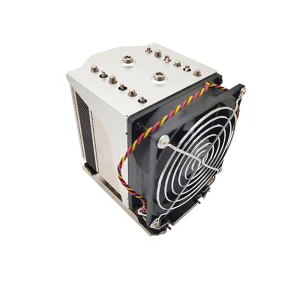
Focusing on inorganic silica networks, the Sol-Gel process provides thermal and chemical resistance that organic coatings cannot match. Often applied to server heatsinks and structural metal housings, this coating resists abrasion and shields high-temperature systems from corrosive atmospheres.
The development of protective coatings is transitioning toward intelligent, self-healing surfaces and multi-functional nano-hybrids. At Celtrix, our R&D roadmap focuses on three critical vectors for the future of server hardware protection:
Integrating lotus-leaf surface micro-textures with plasma polymer deposition to achieve contact angles exceeding 150°, preventing fluid droplet accumulation entirely.
Developing boron-nitride-infused nanocoatings that simultaneously act as dielectric protectors and heat transfer bridges, reducing thermal hotspots in enterprise server RAM.
Introducing nanostructured smart materials containing micro-capsules that rupture and seal physical abrasions or cracks automatically, retaining IP68 rating integrity indefinitely.
Globally, the market for nano coating solutions is accelerating rapidly, driven by the expansion of hyperscale cloud data centers, autonomous automotive architectures, and harsh-environment telemetry setups. Conventional physical enclosures are no longer sufficient to secure electronic infrastructure, given that air cooling still forces ambient air (along with its dust, moisture, and chemical pollutants) through the internal boards.
Regionally, the market requirements have diverged significantly:
In Western markets, strict regulatory frameworks like RoHS, REACH, and Waste Electrical and Electronic Equipment (WEEE) guidelines govern manufacturing materials. These markets demand green, non-toxic chemical formulations. Furthermore, the growth of localized edge-computing data nodes in cold climates (relying on outdoor air economizers) has made condensation protection critical, prompting a surge in demand for CE certified PECVD nano coatings.
APAC and the Middle East represent some of the most challenging operating environments in the world. High relative humidity and saline atmospheres in Southeast Asian coastal areas rapidly degrade unprotected copper traces. In the Middle East, fine dust ingress and high ambient temperatures threaten servers and industrial control units. Nano-coated components prevent the accumulation of static-charged dust particles and seal active elements against humidity, significantly lowering total cost of ownership (TCO) in these growth hubs.
Operating within China's premier electronics manufacturing cluster provides Celtrix with unprecedented supply chain resilience, agile custom manufacturing potential, and massive cost advantages. The proximity to raw chemical components, high-grade glass substrates, and semiconductor foundry partners reduces logistical lead times from weeks to hours.
This localized SMT-to-coating pipeline is a crucial differentiator:
The value of CE certified nano coating technology becomes evident when analyzed in localized, real-world deployment scenarios:
For industrial marine computers and offshore wind turbine controls, saline humidity presents a constant corrosion threat. Our nano-coated PCBs and heatsinks resist salt spray corrosion (ASTM B117 tested), preventing trace shorts and preserving hardware lifespan under constant exposure to coastal air.
Data centers using direct-air economizers in cold regions experience rapid condensation during shifts in external temperatures. Traditional RAM fails under moisture drops. Our CE certified hydrophobic memory modules shed water instantly, preventing micro-shorts and keeping critical hardware operational.
In heavy industrial mining sites and desert telemetry setups, static-charged dust particles adhere to electronic boards, causing thermal choking and ESD failures. Celtrix's anti-static nano coatings reduce surface energy, keeping dust from clinging to critical electrical paths.
Compliance is the foundation of global hardware distribution. Selling memory components and PCBs into international markets requires strict adherence to localized standard structures. Celtrix products are fully CE certified, assuring compliance with European electrical safety, electromagnetic compatibility, and environmental restrictions.
Our quality assurance framework is backed by an ISO 9001 quality management system, operated under the supervision of 56 dedicated quality control professionals. Our validation pipeline is split into rigorous phases:
Get technical insights regarding CE certified nano coating implementations on electronic and memory assemblies.
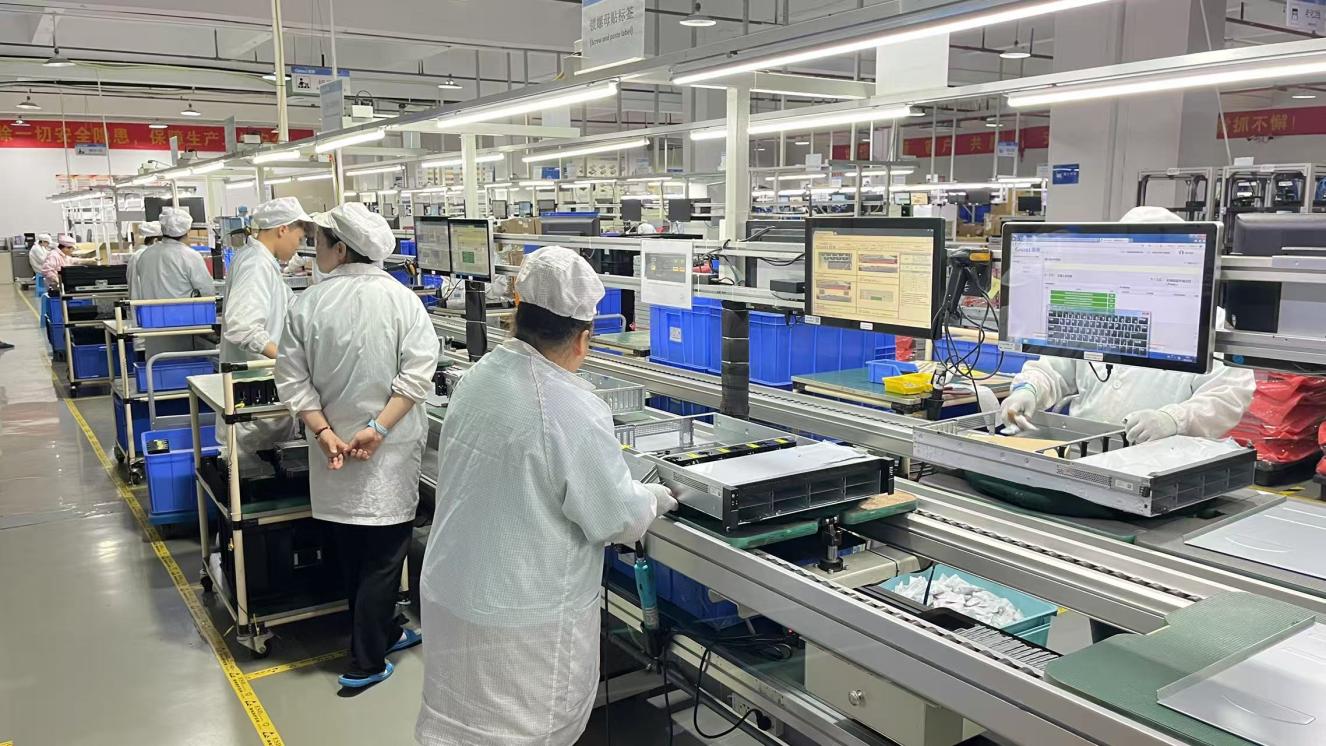
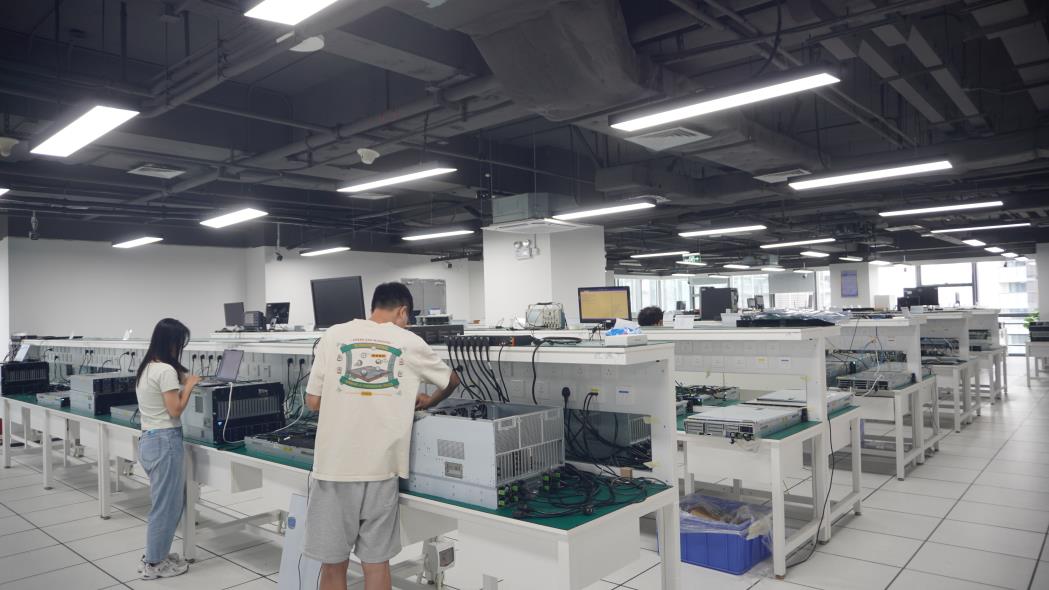
Take a look inside our 28,600 m² modern manufacturing facility. We enforce strict cleanliness controls and automated testing protocols to guarantee consistent coating quality across all of our memory modules, heat sinks, and multi-layer PCBs.



 Celtrix Memory