To support high-bandwidth wireless edge nodes and advanced industrial computing arrays, we manufacture and supply a comprehensive suite of hardware options including high-speed motherboards, thermal coolers, and system memory buffers.
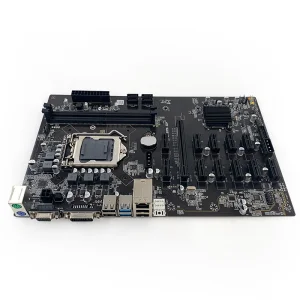
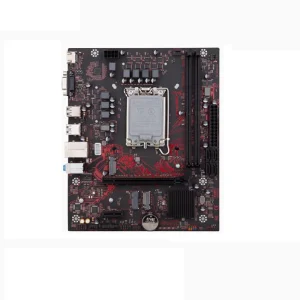
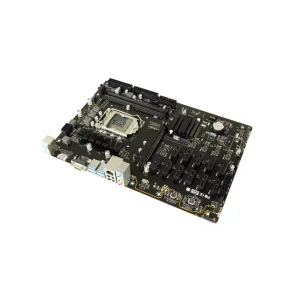
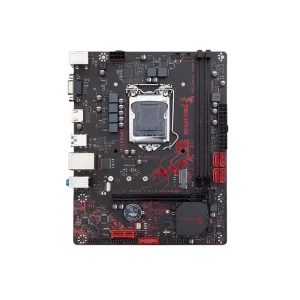
As digital transformation accelerates across global industrial fields, wireless communication modules serve as the key hardware engine bridging edge data to cloud endpoints. Modern IoT design requires more than just standard RF transceivers. Today's commercial, infrastructure, and automotive deployments demand ultra-reliable cellular connections, high processing capabilities, robust thermal management, and flawless signal integrity.
The complexity of developing advanced wireless hardware ecosystems has highlighted China's manufacturing ecosystem as the premier choice for sourcing. Suppliers in China deliver a complete vertical integration from raw PCB fabrication to precision surface mount technology (SMT) and comprehensive functional testing. When sourcing modules, global OEMs look closely at how memory configurations, core processing architectures, and communication interfaces operate in high-density environments. This whitepaper analyzes these elements, detailing what makes a reliable manufacturing partnership in the modern telecommunications landscape.
Global procurement teams evaluating high-volume IoT devices focus on structural criteria to ensure reliable operations and avoid project delays. Understanding these criteria helps minimize risk across long-term device lifecycles.
Successful projects depend on using chipsets from established industry leaders like Qualcomm, MediaTek, Unisoc, and Nordic. Selecting modules built on proven silicon guarantees long-term supply stability, ongoing firmware updates, and comprehensive technical support.
Entering international markets requires strict compliance. Enterprise buyers look for suppliers who provide hardware that is already pre-certified with global benchmarks, including FCC (US), CE (Europe), PTCRB, GCF, and carrier-specific certifications like AT&T or T-Mobile.
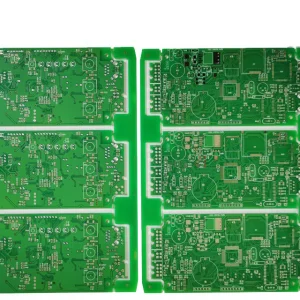
RF circuits require precise multi-layer PCB design to maintain clean signal paths. Using high-quality substrate materials (such as standard FR4 or high-Tg variants) with tight impedance controls helps avoid signal loss and interference at high frequencies.
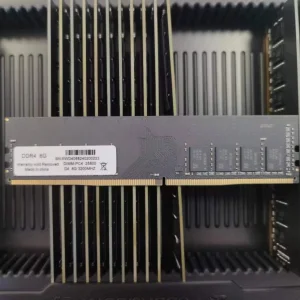
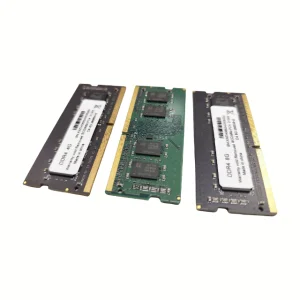
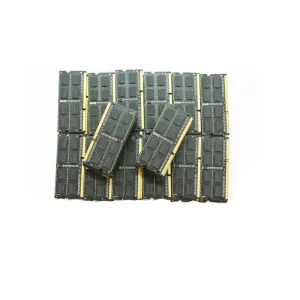
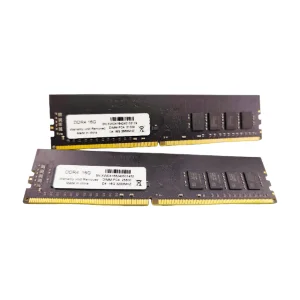
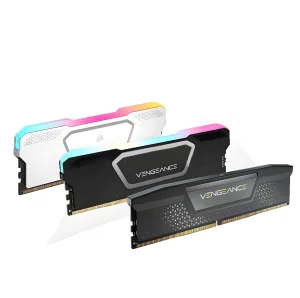
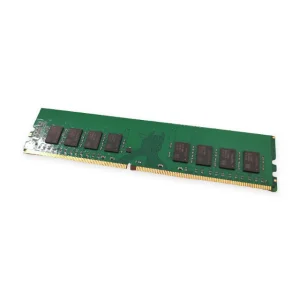
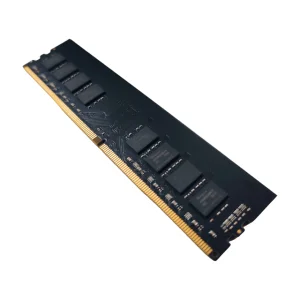
Operating edge computing logic, running complex protocols, and managing over-the-air (OTA) firmware updates require dependable onboard memory. Using high-performance DDR4 and DDR5 memory modules prevents system latency and ensures stability under heavy data loads.
Industrial applications expect deployments to last 10 to 15 years. Manufacturers must commit to long-term component availability, offering drop-in replacements and backward compatibility to protect initial hardware investments.
Standard modules do not fit every scenario. Enterprises value suppliers who offer custom PCBA assembly, customized heat spreader designs, private-label packaging, and unique layout designs tailored to specific physical enclosures.
Modern wireless modules operate as part of an integrated hardware stack. High-efficiency modules need to communicate reliably with host motherboards, high-frequency RAM, and dedicated power management systems to keep systems online in demanding industrial environments.
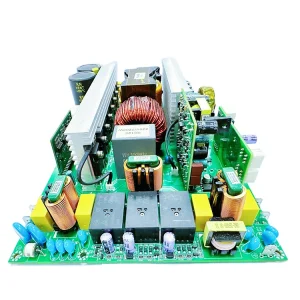
In renewable systems like solar photovoltaic (PV) installations, communication modules send real-time diagnostic telemetry from inverters to central operations hubs. Operating reliably around high-voltage equipment requires custom photovoltaic inverter PCBAs that feature isolation barriers, high electromagnetic immunity, and stable industrial memory units to resist data corruption from thermal stress.
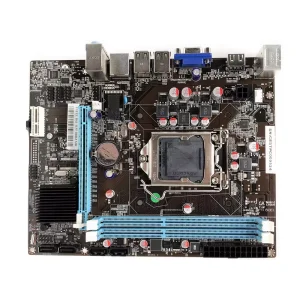
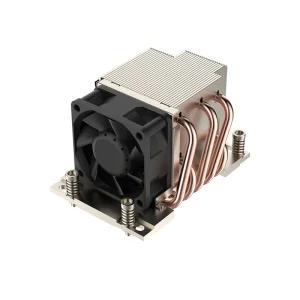
Industrial smart gateways handle local data aggregation, video analysis, and machine learning at the edge. These systems require pairing high-capacity 5G modules with stable processing boards (like the Intel LGA 1151 or LGA 1700 architectures) and high-speed DDR4/DDR5 system memory. Reliable active cooling solutions are also necessary to maintain stable operation under continuous processing loads.
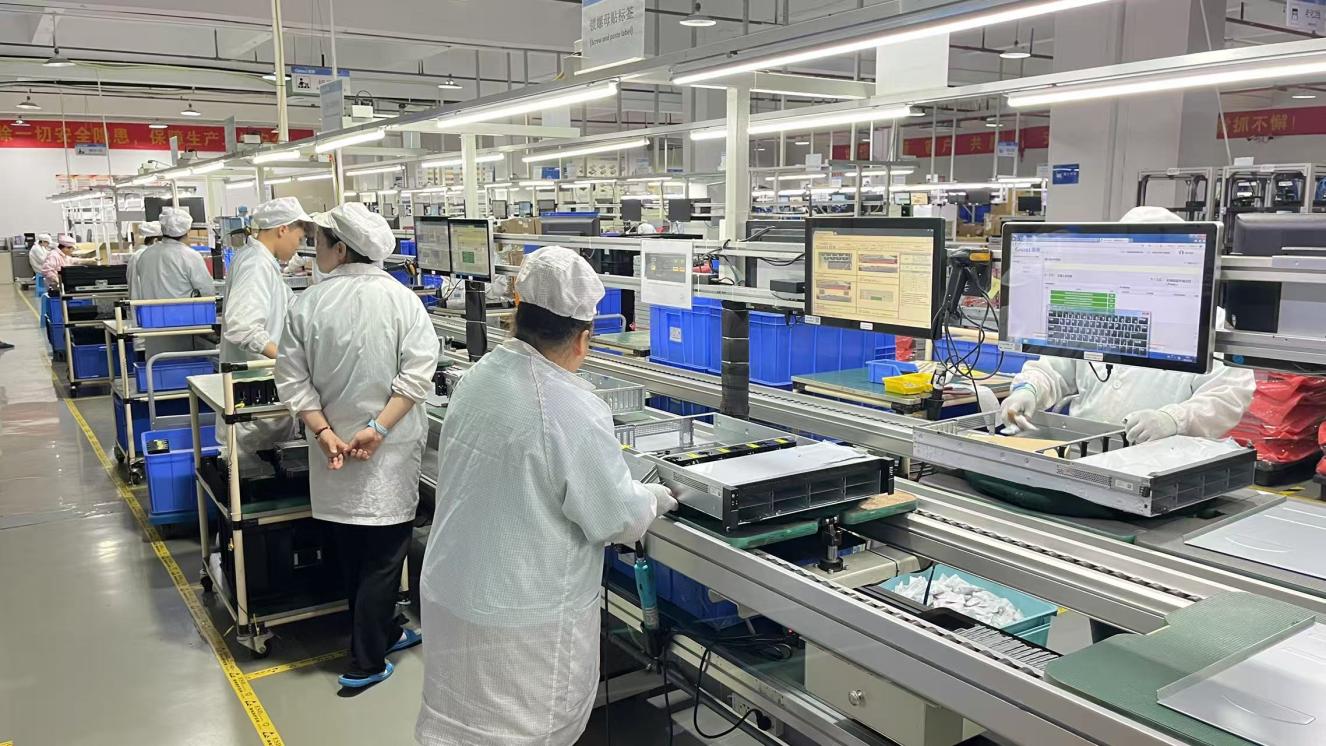
Backed by decades of electronic manufacturing expertise, our production infrastructure delivers reliable, high-speed hardware solutions to clients around the world. We combine high-speed assembly line capabilities with strict quality management to ensure product durability.
The IoT space is transitioning toward higher throughput, reduced power consumption, and direct satellite connectivity. Keeping hardware designs prepared for future network standards requires monitoring key technological shifts:
5G RedCap bridges the gap between high-speed 5G networks and low-power LPWANs. It offers a balanced choice for applications like smart wearables, industrial sensors, and surveillance cameras, providing 5G capabilities at a lower module cost and power requirement.
Next-generation wireless modules integrate neural processing cores directly onto the module chipset. This design allows devices to process data locally, which saves bandwidth and reduces transmission latency in critical applications.
Dual-mode cellular and satellite modules ensure uninterrupted connectivity in remote areas. By automatically switching to satellite networks when cellular coverage is lost, they provide a reliable option for global logistics, shipping, and remote environmental monitoring.
Celtrix Memory Technologies Co., Ltd. is a professional manufacturer and exporter specializing in high-performance memory, PCB, and PCBA solutions. Founded in 2017, the company focuses on the development, manufacturing, and customization of premium hardware products for consumer, industrial, enterprise, and embedded applications worldwide.
Operating a modern 28,600 m² manufacturing facility, Celtrix integrates automated assembly lines with comprehensive quality control systems to ensure reliable product performance. With 9 years of industry experience and 7 years of export history, Celtrix serves clients across more than 50 countries, generating an annual export revenue that exceeds USD 23 million.
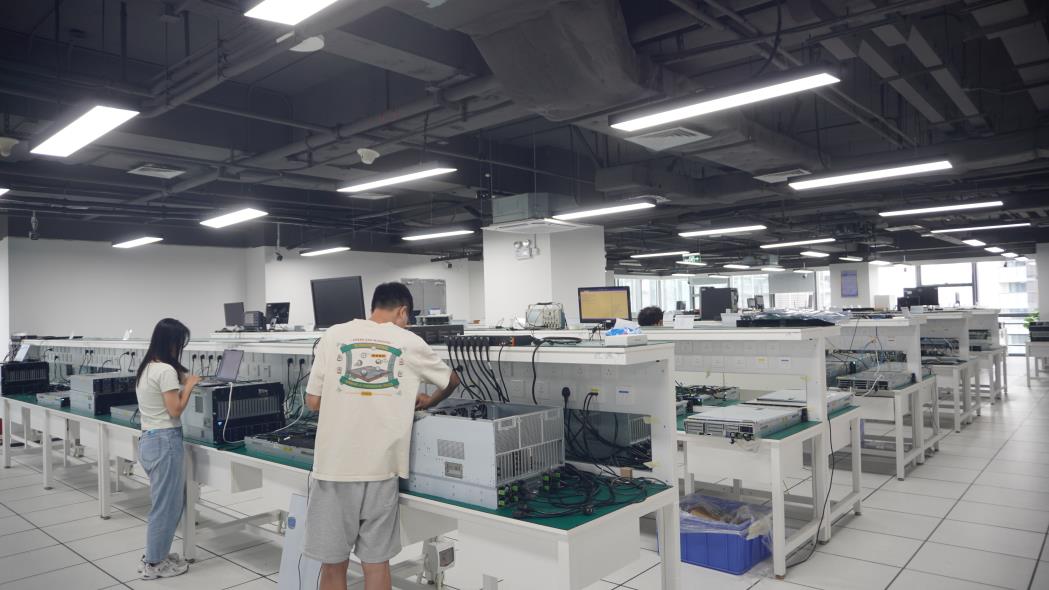
Quality forms the base of Celtrix’s production process. Supported by a dedicated team of 56 QC specialists, the facility operates under the ISO 9001 Quality Management System, utilizing a multi-stage testing workflow:
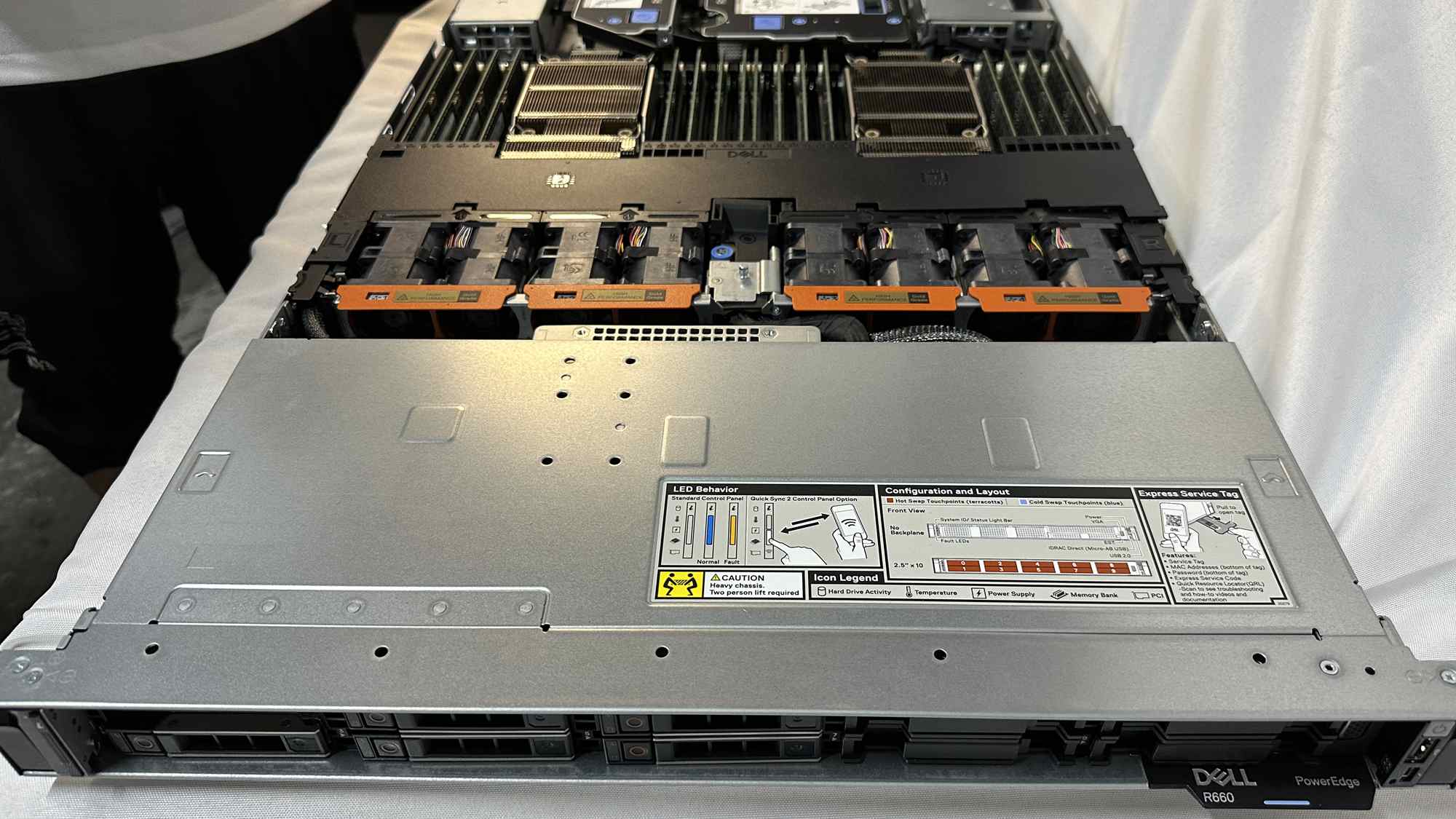
Innovation is key to supporting modern client requirements. The 142 R&D engineers at Celtrix design advanced PCB, PCBA, and memory solutions. Over the past year, our team launched 168 new products, offering comprehensive OEM/ODM customization services:
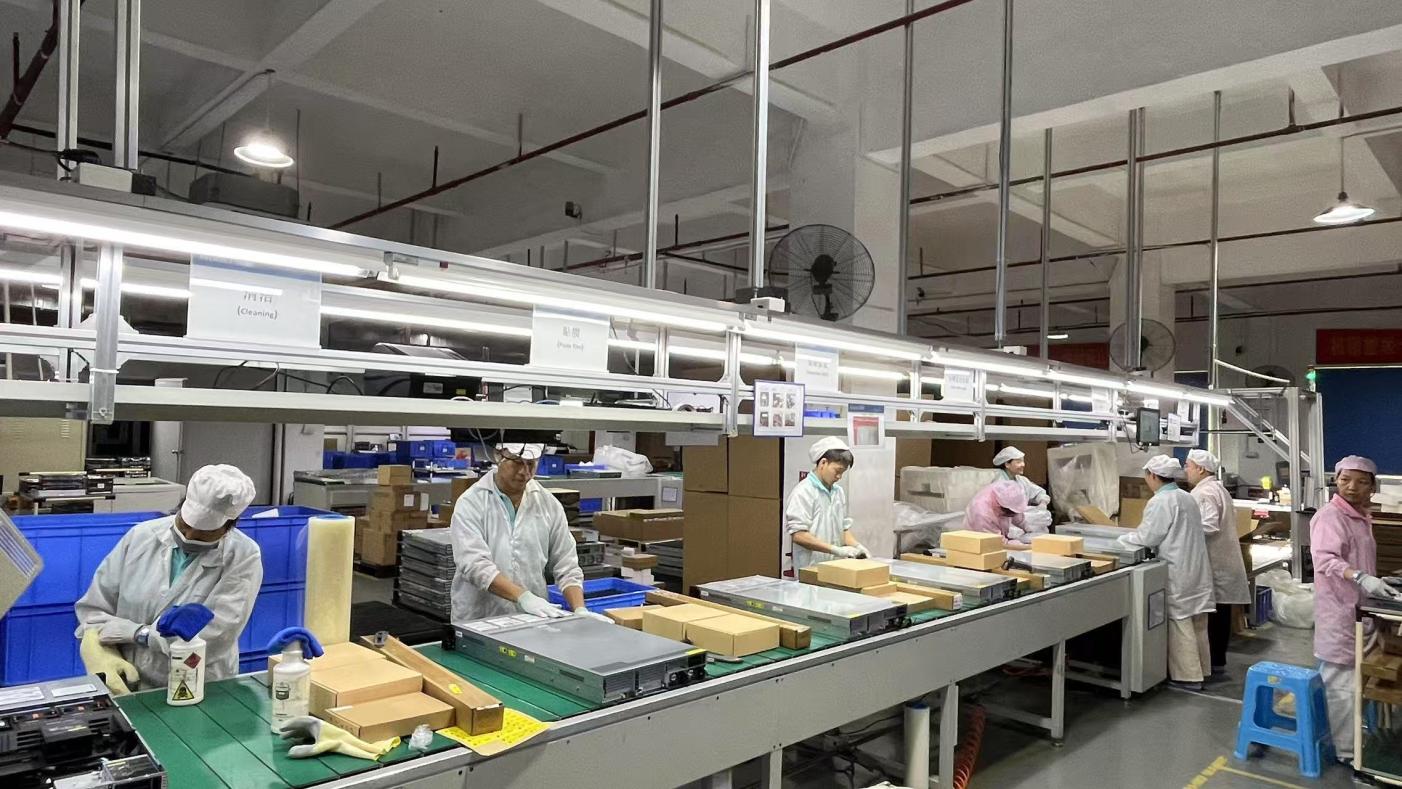

Exporting to more than 50 countries requires an experienced compliance and logistics framework. To keep global deployments running smoothly, we focus on providing consistent localized support and reliable supply chains.
We provide full documentation support, including Certificate of Origin, HS code classification, and export compliance paperwork, ensuring smooth customs processing at major European, American, and Asian ports.
We work with international logistics providers to offer ocean, air, and express shipping options. Our flexible scheduling helps clients manage fluctuating demands and keep inventory levels optimized.
Our engineering support team helps resolve technical challenges remotely. We assist clients with PCB trace routing, RF impedance matching, antenna placement, and firmware debugging during product integration.
Browse our answers to common questions about wireless communication hardware, PCB assembly, customization, and deployment compliance.
A: We use controlled impedance calculations (typically 50-ohm traces for RF antenna feeds) and isolate RF lines with ground planes. We run pre-production simulations for SI (Signal Integrity) and PI (Power Integrity) and use AOI and high-precision testing after assembly to verify that trace widths match design specifications exactly.
A: Yes. We customize layout patterns to mount DDR4, DDR5, and LPDDR memory chips directly onto target PCBAs. This design provides high-speed memory buffers directly next to cellular processors or microcontrollers, ensuring stable performance in data-heavy edge environments.
A: Our materials comply with CE, FCC, RoHS, and REACH requirements. When customized PCBA designs are required, we work with third-party testing houses to help clients obtain regional cellular certifications (like PTCRB) and carrier approvals.
A: Standard component samples are usually delivered within 7 to 10 working days. Custom multi-layer PCBs and specialized PCBA assemblies take 3 to 5 weeks for production, depending on component availability and functional testing requirements.
A: We use a multi-stage testing process under our ISO 9001 quality system. In addition to AOI, every batch undergoes functional tests and thermal aging. This step ensures that solder points, memory controllers, and copper traces remain stable through temperature changes and vibration.
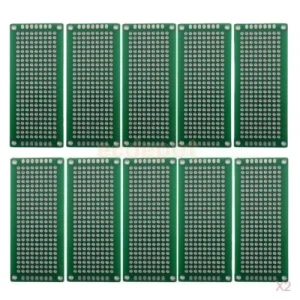
A: Yes. We offer small-batch assembly services to support prototype testing and pilot stages. Our facility provides flexible component sourcing and custom PCB finishes (such as lead-free HASL or ENIG) to match industrial specifications.
We supply high-speed DDR5 laptop and desktop RAM, custom multilayer PCBs, and advanced energy-system PCBAs to keep complex electronics connected and stable.
 Celtrix Memory