As the global demand for automated disinfection escalates, we provide turnkey OEM/ODM engineering services for intelligent, safe, and highly efficient UVC lighting solutions.
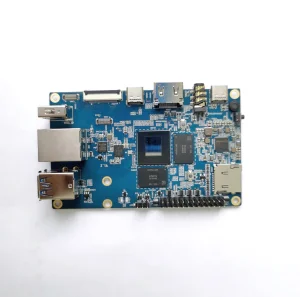
Integrating advanced processors like Rockchip RK3588S with built-in NPUs allows UVC sterilization systems to execute real-time human detection. This guarantees immediate shutdown protocols to prevent accidental UV-C exposure, ensuring absolute regulatory safety compliance.
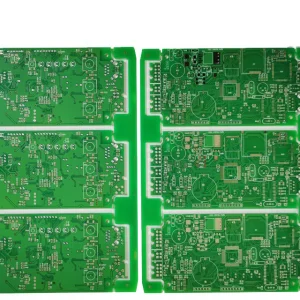
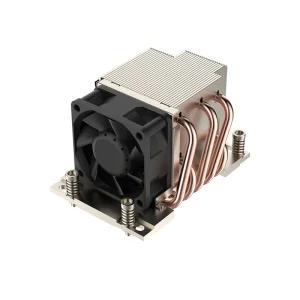
UVC LEDs and discharge lamps exhibit extreme sensitivity to heat. Leveraging our proprietary thermal cooling technologies, including industrial CPU-fan level cooling kits and high-performance metal-clad PCBA, we sustain optimum irradiance levels and maximize module lifespan.
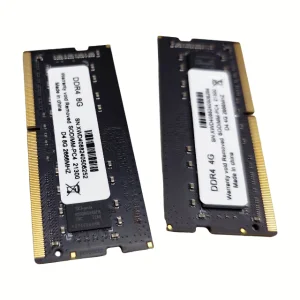
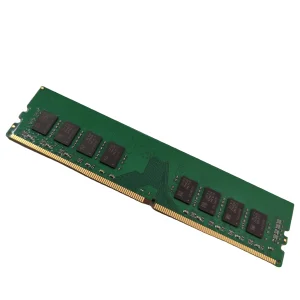
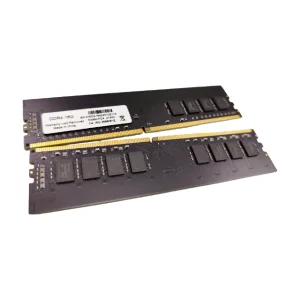
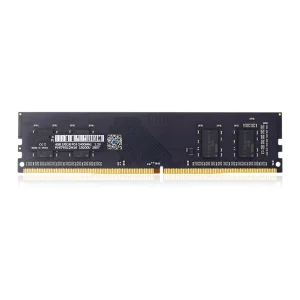
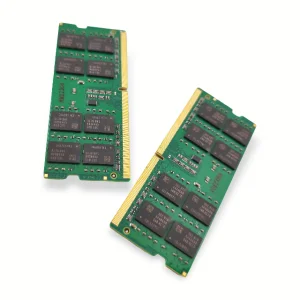
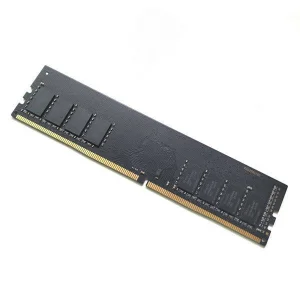
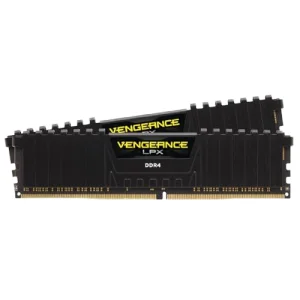
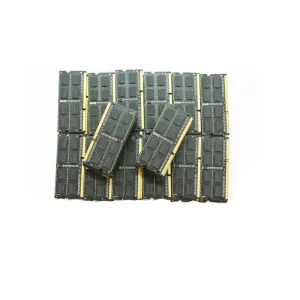
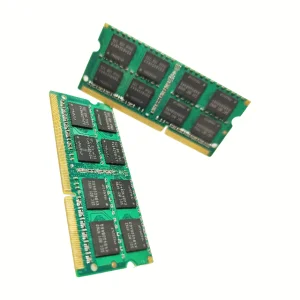
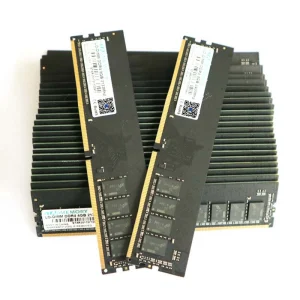
Industrial-grade motherboards running custom firmware require stable, high-capacity system memory. Our high-reliability DDR4 & DDR5 ECC memory modules empower sterilization units to operate 24/7 in demanding settings like hospitals, subways, and factories without data corruption.
Ultraviolet Germicidal Irradiation (UVGI) is a mature disinfection method that utilizes short-wavelength ultraviolet (UV-C) light to destroy nucleic acids and disrupt the DNA of pathogens, leaving them unable to perform vital cellular functions. With the global transition from traditional chemical disinfection to automated electromagnetic decontamination, the role of a specialized OEM/ODM factory is critical in delivering certified, safe, and electrically stable systems.
Effective biological inactivation requires exact spectral targeting. Traditional low-pressure mercury lamps operate at 254 nm, where they output concentrated monochromatic radiation close to the peak absorption spectrum of DNA (approximately 260-265 nm). In contrast, the market is rapidly embracing solid-state UVC LEDs (ranging from 265 nm to 285 nm) and Far-UVC 222 nm Excimer technology. Far-UVC excimer lamps represent a major technological milestone: because 222 nm light cannot penetrate the human stratum corneum (dead outer skin layer) or ocular tear layer, it offers the unique advantage of continuous disinfection in occupied spaces.
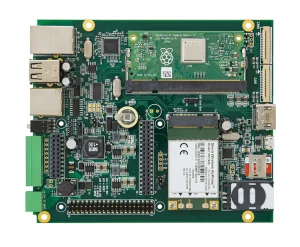
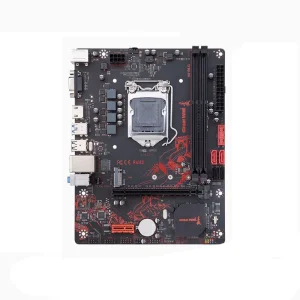
As a leading hardware platform supplier, Celtrix supports system integrators by manufacturing the core computer motherboards and high-speed memory architectures required for the complex control networks that run these multi-wavelength fixtures. From custom SMT patches on lead-free PCBs to advanced Rockchip-based processor platforms, we ensure that power delivery and communication interfaces are built to withstand high levels of electromagnetic interference (EMI) typical in high-voltage UVC lamp ballasts.
Because exposure to 254 nm light causes photokeratitis and skin erythema in humans, fail-safe mechanisms are not optional—they are strictly mandated. A comprehensive OEM/ODM UVC design must incorporate:
From an international compliance perspective, systems must be validated under rigorous standards. Our manufacturing workflow adheres strictly to the ISO 9001:2015 quality management system. The end products we support are engineered to achieve certifications such as UL 1598 (luminaires), UL 867 (electrostatic air cleaners / air purifiers), CE, FCC, RoHS, and registration with the US EPA (Environmental Protection Agency) for pesticide device compliance.
The success of an OEM/ODM partnership in the UVC sector depends heavily on rapid prototyping and supply chain resilience. China, specifically the Shenzhen industrial cluster, offers unmatched structural advantages:
For global enterprises, procuring raw hardware components requires transparent logistical coordination and robust Field Application Engineering (FAE) support. Celtrix maintains a robust network of over 1,180 supply chain partners, exporting high-performance memory, control boards, and electronic subsystems to over 50 countries, including North America, Europe, South America, and the Middle East.
Our localization approach focuses on minimizing transit risk and providing local warehousing capabilities. Whether you are an industrial brand owner, an HVAC system integrator, or a medical distributor, we provide comprehensive SPD programming, customized packaging design, and private-label firmware branding to integrate seamlessly into your regional compliance frameworks.
Technical and operational insights regarding UVC hardware design, sourcing, and system safety.
Company Name: Celtrix Memory Technologies Co., Ltd.
Celtrix Memory Technologies Co., Ltd. is a professional manufacturer dedicated to delivering high-performance DRAM solutions, embedded systems, and industrial PCBA controllers for global customers. Since its establishment in 2017, the company has focused on the research, development, manufacturing, and customization of premium hardware configurations for consumer, industrial, enterprise, and embedded applications.
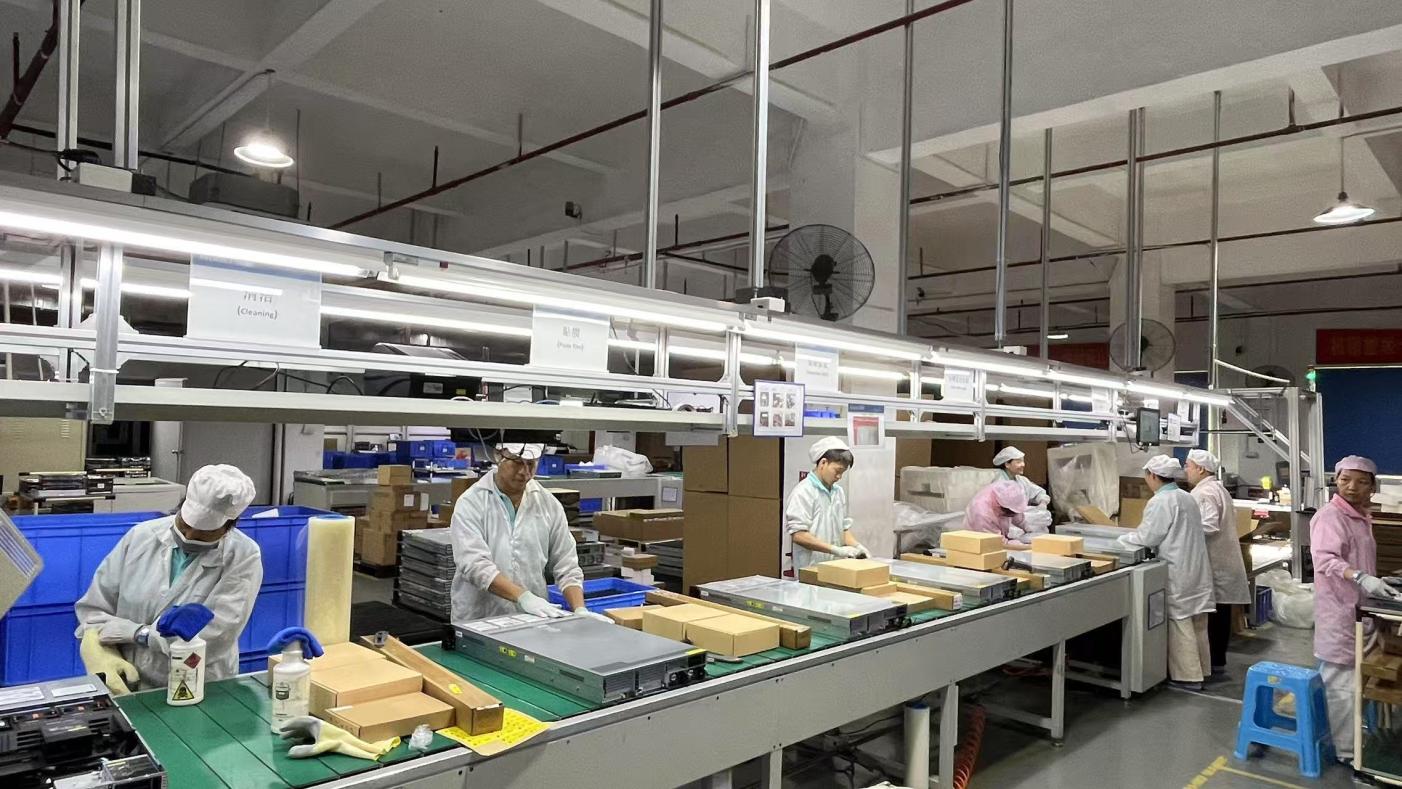
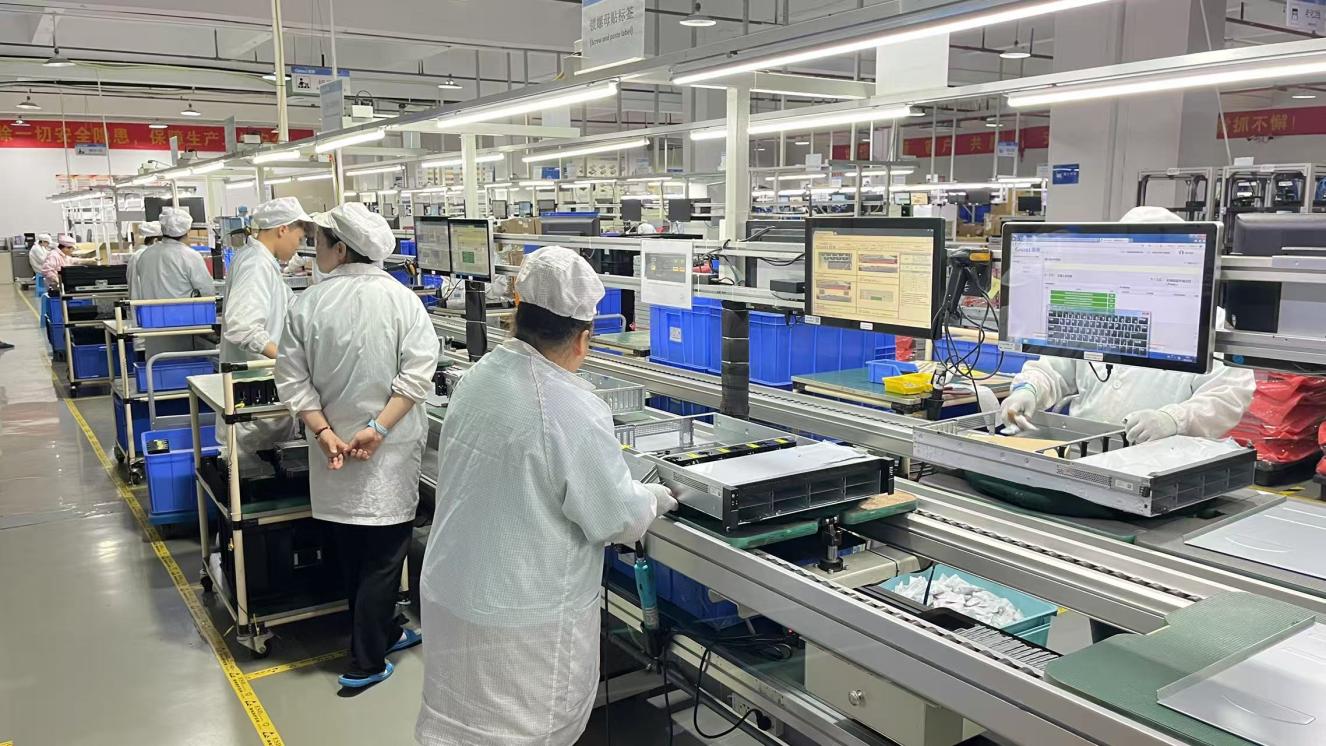
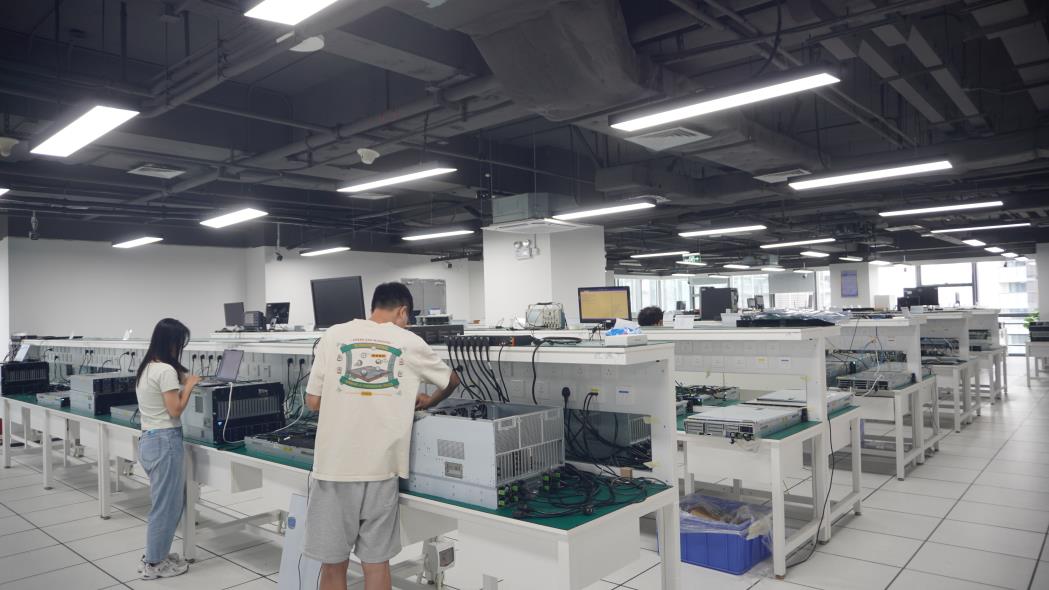
With a modern manufacturing facility covering 28,600 m², Celtrix integrates advanced production equipment, automated SMT lines, and strict quality management systems to ensure reliable product performance and consistent manufacturing standards.
The company has accumulated 9 years of industry experience and 7 years of export experience, serving customers across more than 50 countries. Our annual export revenue exceeds USD 23 million, supported by an efficient global logistics network and responsive technical support.

 Celtrix Memory