Digital Signal Processors (DSPs) are the heartbeat of modern electronic systems, enabling real-time mathematical operations on digitized signals. As of 2024, the global DSP market is witnessing a tectonic shift driven by Edge AI and 5G Telecommunications. Suppliers are no longer just chip makers; they are solution providers integrating hardware with complex algorithms.
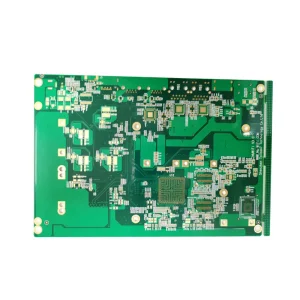
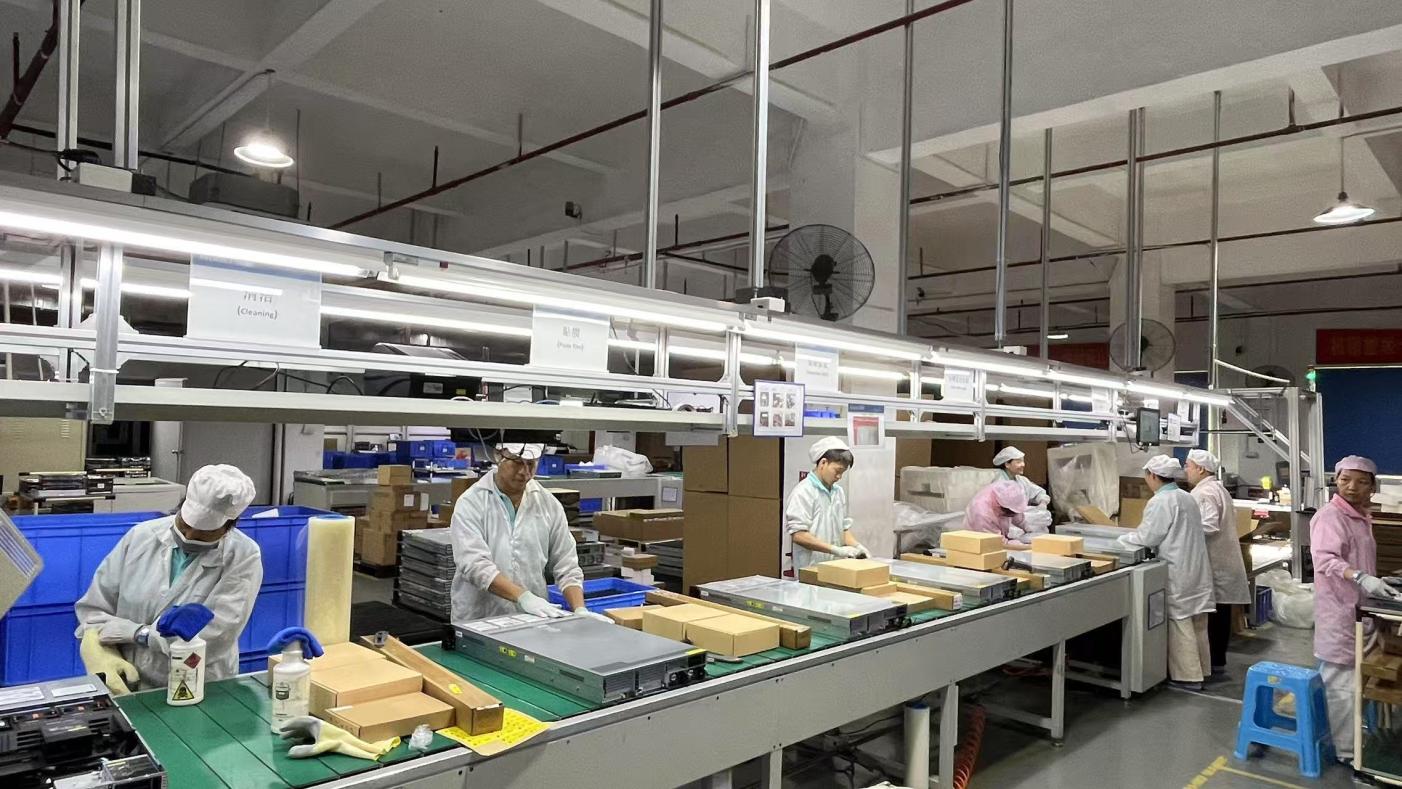
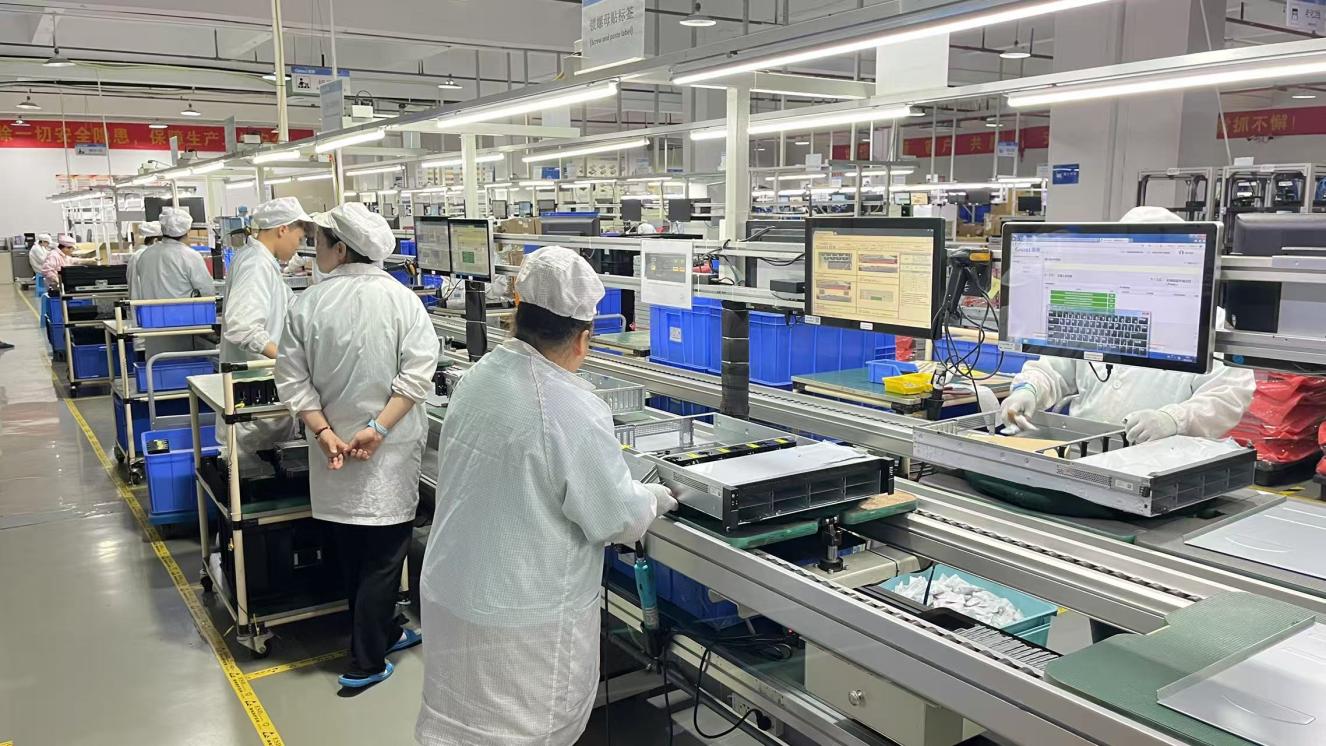
China has emerged as a powerhouse for DSP-related manufacturing and PCBA assembly. Factories like Celtrix Memory Technologies demonstrate how vertical integration—from raw wafer sourcing to final functional testing—reduces lead times by up to 40% compared to fragmented international models.
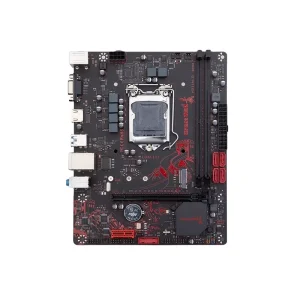
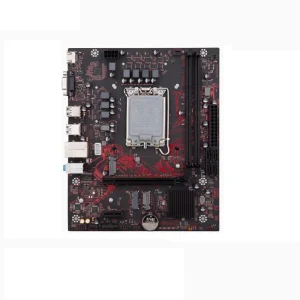
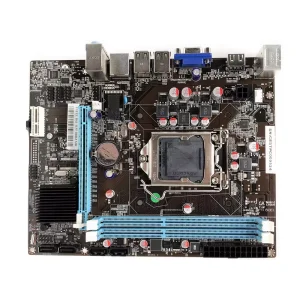
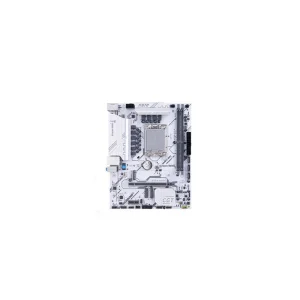
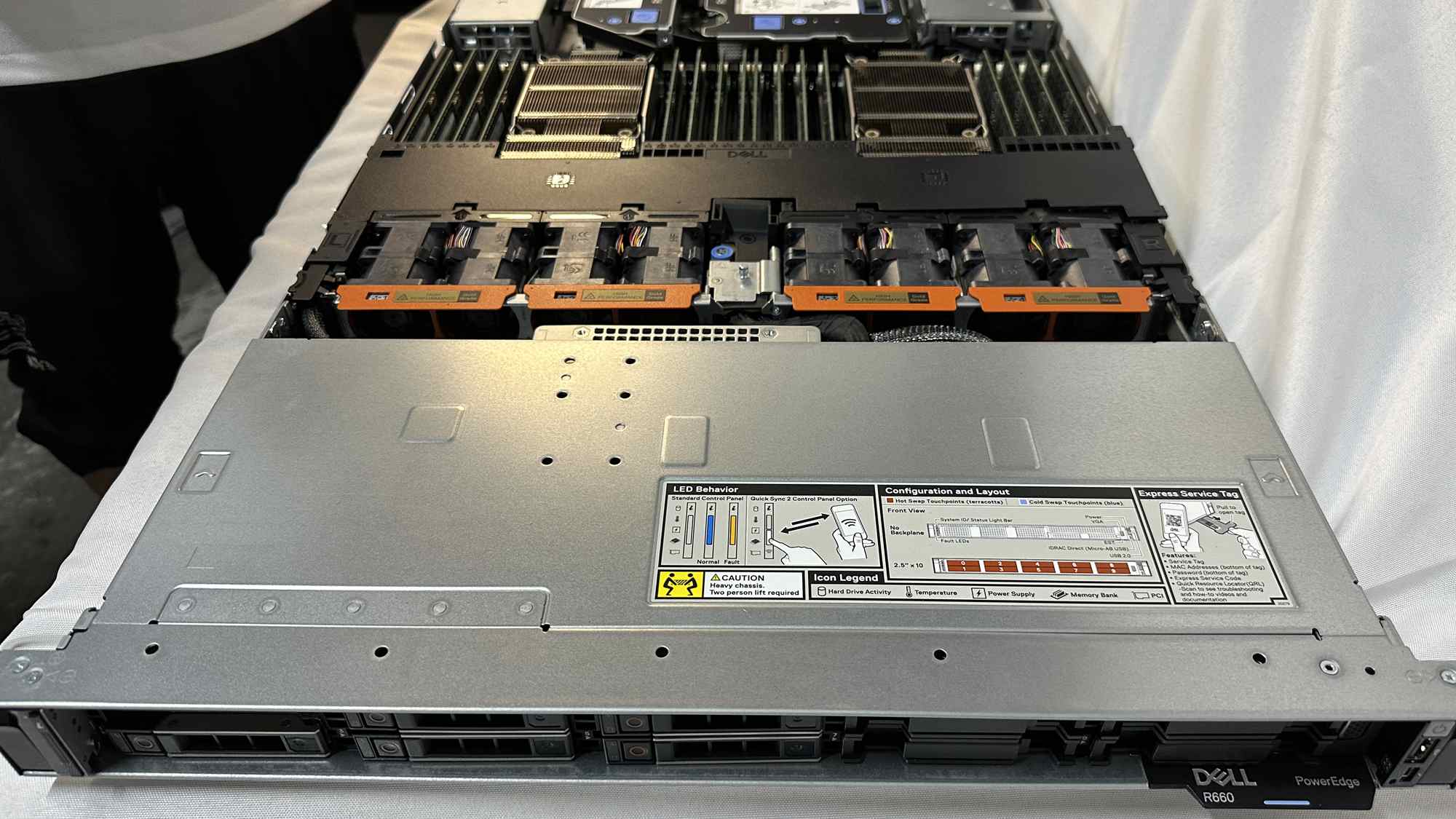
Modern buyers look beyond specs. They seek Thermal Efficiency, I/O Versatility, and Long-term Lifecycle Support. Our analysis dives into how top-tier factories utilize AI-driven AOI (Automated Optical Inspection) to ensure zero-defect throughput in DSP-heavy motherboards.
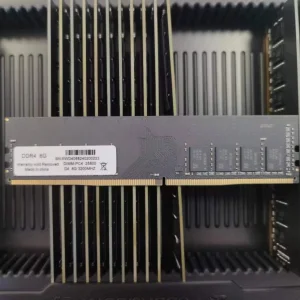
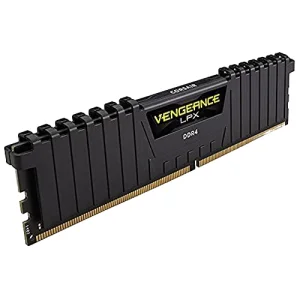
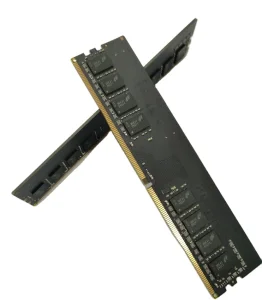
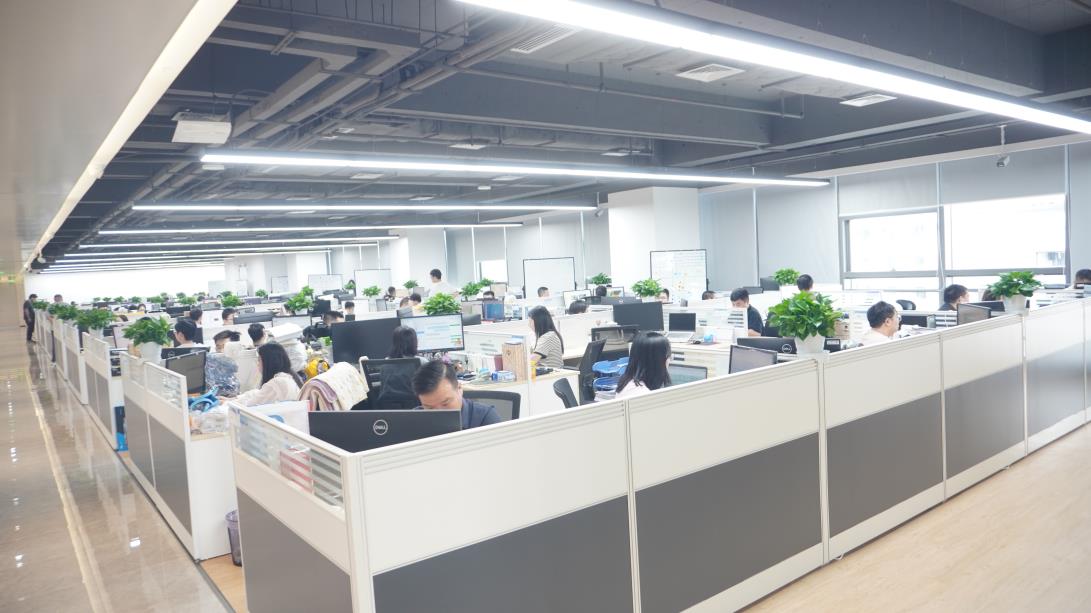
Founded in 2017, Celtrix represents the pinnacle of professional DRAM and DSP-integration manufacturing. With a focus on high-performance DDR5 and specialized PCBA customization, we serve as a critical node in the global electronics supply chain.
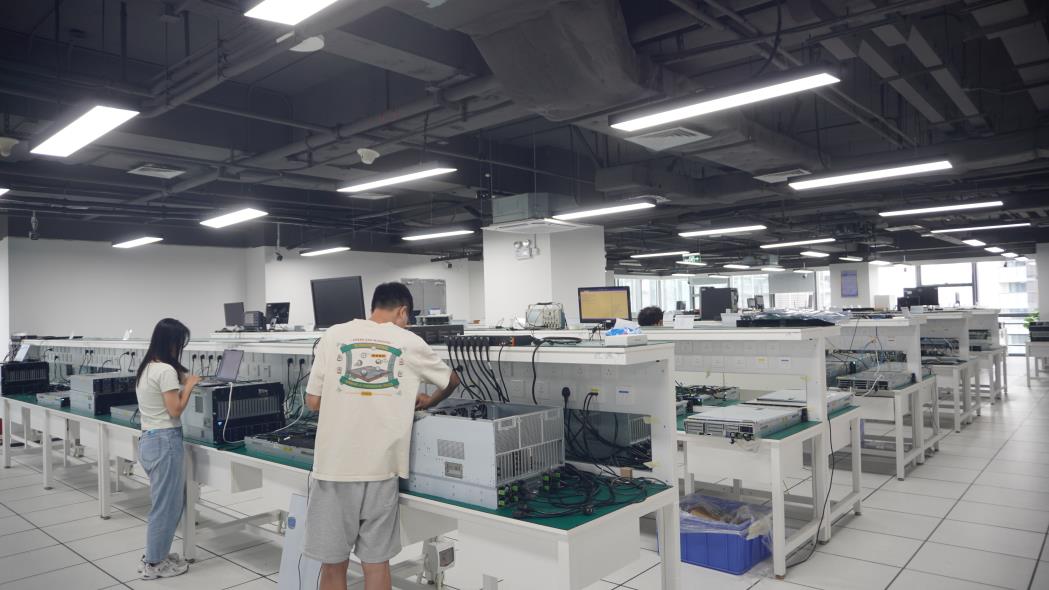
Our facility integrates ISO 9001 standards with a 56-member QC team. We employ IQC, IPQC, and Burn-in tests to ensure every DSP-related module handles high-frequency data without latency. Our 168 new products released last year testify to our agility.
With exports to over 50 countries across North America and Europe, we adhere to strict international compliance (CE, RoHS, FCC). We provide localized support for OEM/ODM partners, ensuring that "China Efficiency" meets "Global Quality Standards."
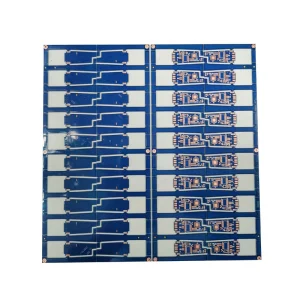
DSPs are critical in Advanced Driver Assistance Systems (ADAS) for LiDAR and Radar processing. Our localized support in the Shenzhen/Dongguan tech hub allows for rapid prototyping of automotive-grade PCBA solutions that withstand extreme thermal fluctuations.
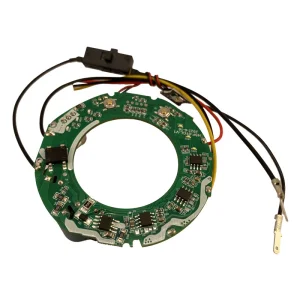
From smart speakers to high-speed hair dryers (utilizing our custom PCBA), DSPs enable Active Noise Cancellation (ANC) and motor control. The integration of neural processing units (NPU) with DSP architectures is the current trend we are pioneering.
We are transitioning towards RISC-V based DSP architectures and Chiplet technology. This reduces power consumption while increasing the FLOPs (Floating-point Operations Per Second) required for on-device AI inference.
Choosing a top-10 supplier in the DSP space requires understanding the "Clusters of Innovation." Our factory's location provides us with:
 Celtrix Memory