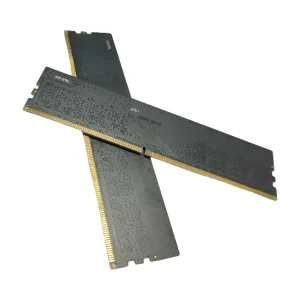
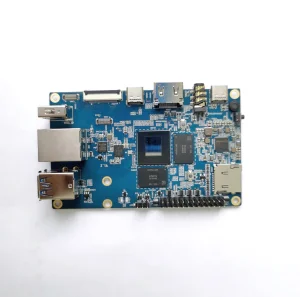
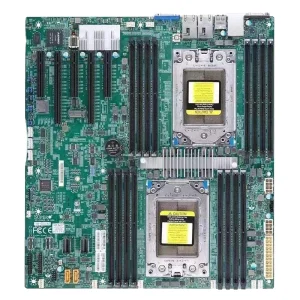
Industrial-grade motherboards, memory architecture modules, and bespoke PCBA designs tailored for modern hardware deployment.
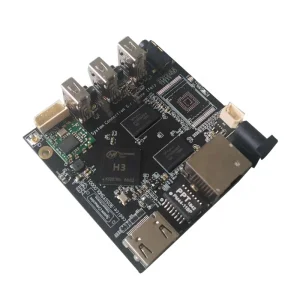
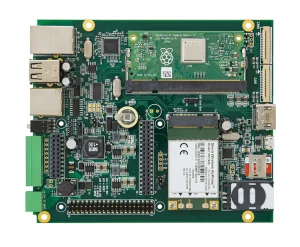
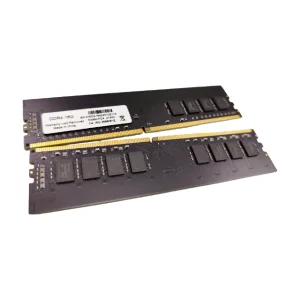
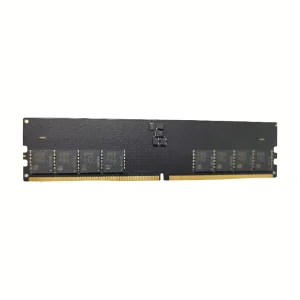
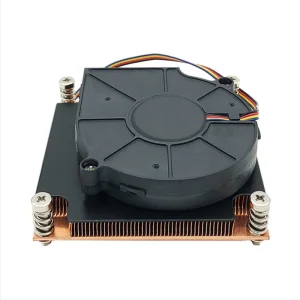
An authoritative analysis of power management ICs (PMICs), switching regulators, and high-frequency thermal strategies.
Voltage regulation stands as the absolute foundation of reliable digital electronics. From hyperscale AI data centers powered by cutting-edge CPUs and GPUs to embedded IoT nodes and automotive ECUs (Electronic Control Units), maintaining stable voltage levels under dynamic load transitions determines system efficiency, longevity, and thermal profiles. Modern microprocessors operate on sub-1V rails with transient current steps exceeding 100A per microsecond, rendering traditional low-dropout (LDO) regulators obsolete in favor of advanced multi-phase Buck topologies, smart power stages, and high-frequency Power Management ICs (PMICs).
The global shift toward Wide Bandgap (WBG) materials such as Gallium Nitride (GaN) and Silicon Carbide (SiC) has completely revolutionized the power density paradigm. These technologies allow switching frequencies to cross the MHz threshold, dramatically reducing the physical footprint of magnetic components (inductors and transformers) while improving conversion efficiencies beyond 95%. Consequently, industrial OEMs are looking for supply chain partners who combine deep semiconductor level IP with robust motherboard PCB design, ensuring thermal Dissipation Paths (TDP) and Electromagnetic Interference (EMI) shielding are modeled concurrently.
An assessment of key market players, their technological advantages, core production capabilities, and localized engineering support infrastructure.
Primary Focus: Industry-standard Buck, Boost, and multi-rail PMICs for industrial, automotive, and personal computing applications.
Primary Focus: Precision signal conditioning and ultra-low noise linear regulators (LDOs) for high-frequency telecommunications and medical diagnostics.
Primary Focus: Automotive-grade power stages and high-power digital multiphase controllers designed for server motherboards and drive systems.
Primary Focus: Wide input voltage regulators, automotive linear controllers, and highly integrated power management units for mobile platforms.
Primary Focus: Highly integrated power ICs and monolithic modules featuring proprietary BCD (Bipolar-CMOS-DMOS) process technology.
Primary Focus: High-performance memory subsystem PMICs, industrial control motherboard designs, and custom PCB assembly integration services.
Primary Focus: Power conversion architectures, high-current switching regulators, and silicon carbine modules optimized for traction inverters.
Primary Focus: Smart digital multiphase controllers and dual-output regulators for space, defense, and high-performance server architectures.
Primary Focus: LDOs, linear/switching regulators with integrated digital control interfaces (PMBus) and highly durable MCU companion chips.
Primary Focus: High-safety automotive power management controllers and battery monitoring systems with integrated functional safety (ASIL D).
Exploring how advanced voltage regulation systems operate across modern macro applications.
Modern servers require high-density, multi-phase VRMs (Voltage Regulator Modules) positioned adjacent to the processor. Integrating high-performance PMICs in server memory arrays (such as DDR5 systems) reduces distribution path losses and provides localized, microsecond-accurate voltage changes under load spikes.
Modern EV power distribution links 800V drive systems to 12V low-voltage auxiliary networks. Wide Bandgap (SiC/GaN) buck converters and high-efficiency linear regulators are critical to maintaining control board power integrity even during sudden regenerative braking surges.
Factory environments feature massive electrical transients from heavy industrial loads. Robust power architecture utilizes galvanic isolation, high-voltage step-down buck regulators, and diagnostic interfaces (like PMBus) to continuously monitor chip temperature, output currents, and line fluctuations.
Celtrix Memory Technologies Co., Ltd. is a professional DDR5 memory manufacturer dedicated to delivering high-performance DRAM solutions for global customers. Since its establishment in 2017, the company has focused on the research, development, manufacturing, and customization of premium memory products for consumer, industrial, enterprise, and embedded applications.
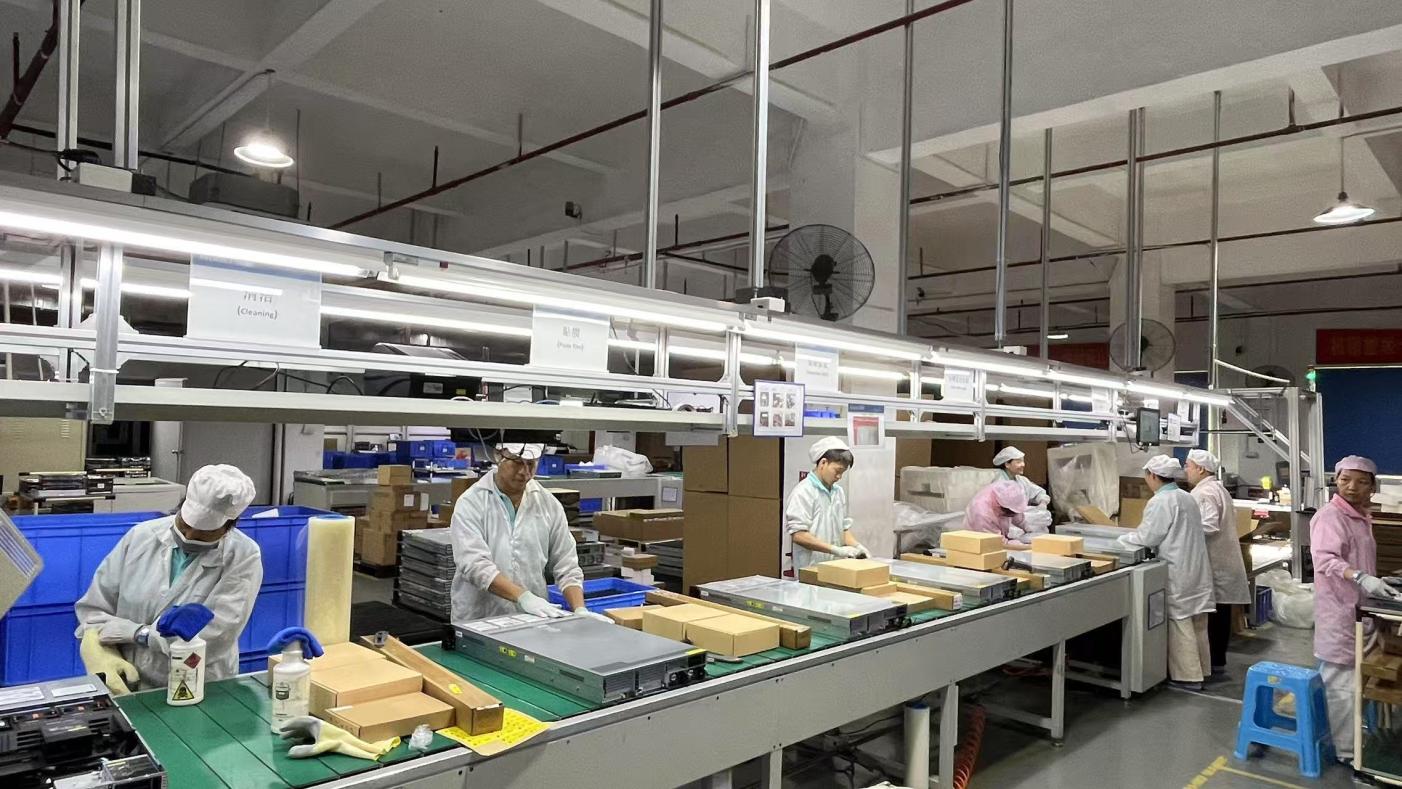
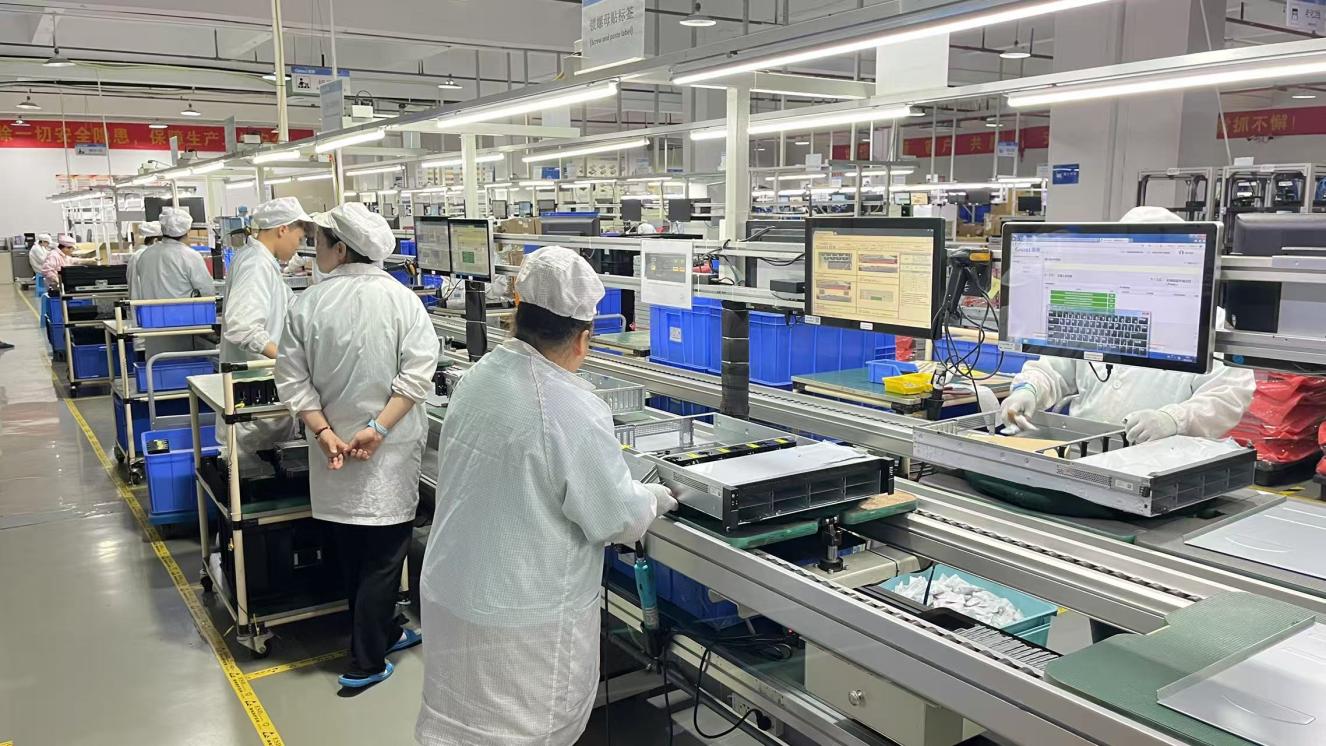
With a modern manufacturing facility covering 28,600 m², Celtrix integrates advanced production equipment, automated assembly lines, and strict quality management systems to ensure reliable product performance and consistent manufacturing standards.
The company has accumulated 9 years of industry experience and 7 years of export experience, serving customers across more than 50 countries. Our annual export revenue exceeds USD 23 million, supported by an efficient global logistics network and responsive customer service.
Ensuring hardware reliability, signal integrity, and strict conformance to international standards.
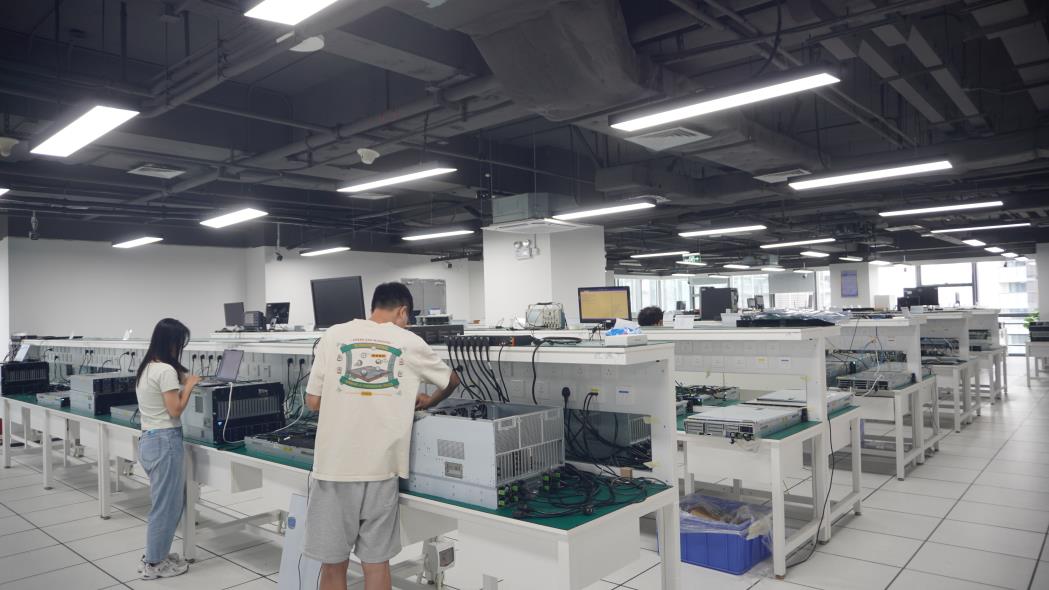
At Celtrix, quality is the fundamental pillar of our design and manufacturing operations. Every single DDR5 memory module, custom control board, and system circuit assembly undergoes a multi-layer evaluation regimen. Our facility operates under the ISO 9001 Quality Management System, utilizing state-of-the-art diagnostic machinery.
Modern system design requires an adaptive approach to integration. As processors scale down, the power supply must be located closer to the logic gates to combat transmission line parasitic resistance. Celtrix's engineering team provides comprehensive customization options to meet these challenges:
Expert technical answers to assist sourcing managers and electronics engineers.
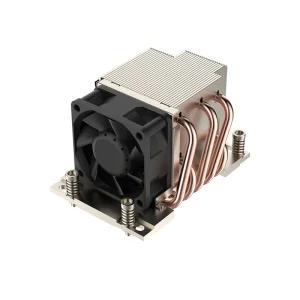
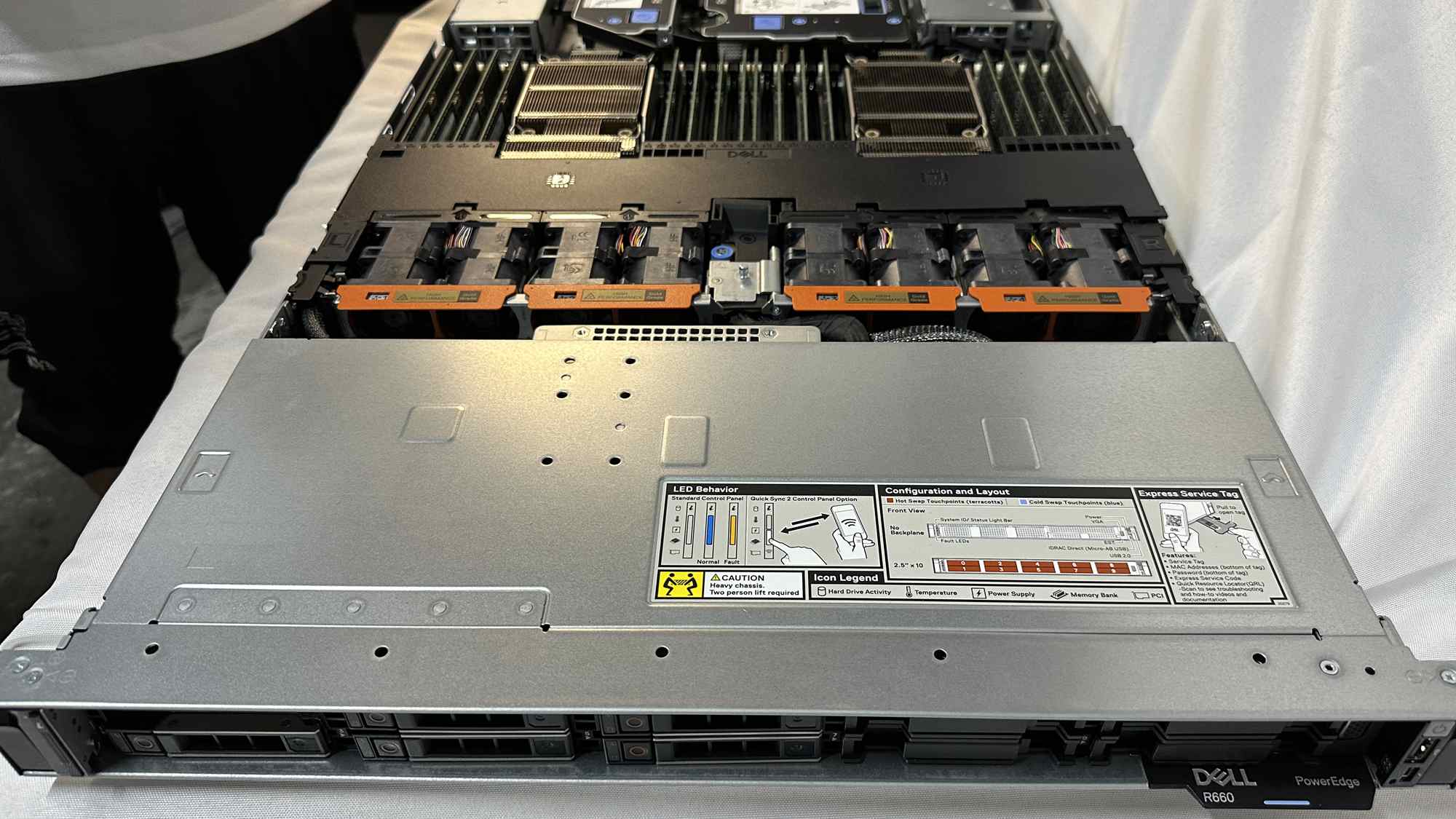
Explore our production line covering advanced computing components, double-sided prototype boards, and server-grade cooling systems.
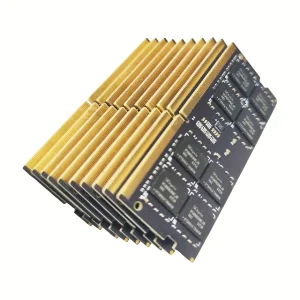
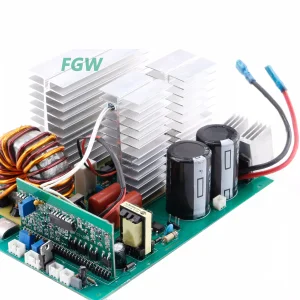
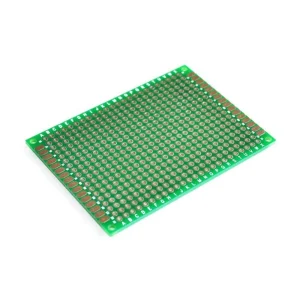
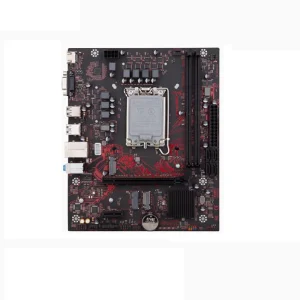
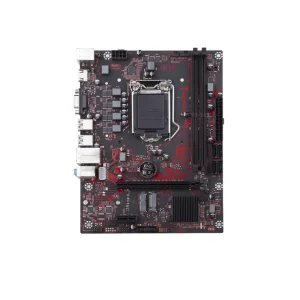
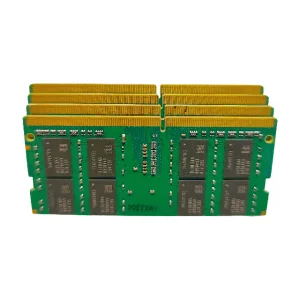
Take a virtual tour of our 28,600 m² state-of-the-art production floors, SMT patch lines, and validation labs.

 Celtrix Memory