Top China Power Supplies & High-Performance Hardware Solutions Manufacturer & Exporter

Pioneering High-Efficiency Power Conversion, OEM/ODM Power Modules, Inverter Boards, and Enterprise Computing Infrastructure for Global Industrial Systems.

Industry Trends: The Converging Ecosystem of Power Delivery & Computing

In the modern era of high-frequency switching and AI workloads, the hardware boundaries between industrial power supply architectures and memory/computation systems have dissolved. Industrial systems no longer view power supplies as passive units; they are active, dynamic nodes in the network that demand real-time power regulation, transient load management, and efficient heat mitigation.

Key technological shifts reshaping the power supply and computation ecosystem include:

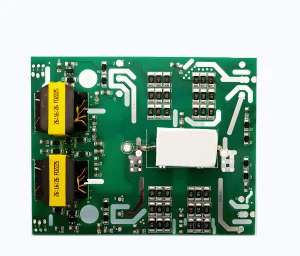
  • Wide Bandgap Semiconductors (GaN & SiC): Industrial driver boards are progressively transitioning from silicon to Silicon Carbide (SiC) and Gallium Nitride (GaN) substrates. This evolution enables higher switching frequencies, minimal thermal dissipation, and compact system footprints, as demonstrated in modern IGBT driver boards.
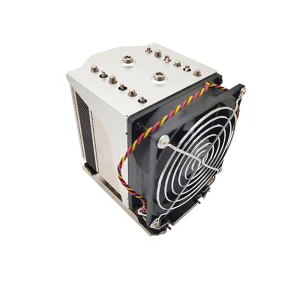
  • Thermal Density Management: High-performance servers running multi-phase voltage regulator modules (VRMs) generate intense localized heat. Effective 320W+ CPU heat sinks and specialized thermal transfer systems are crucial for preventing thermal throttling and maintaining stable electrical impedance.
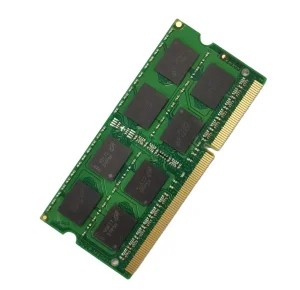
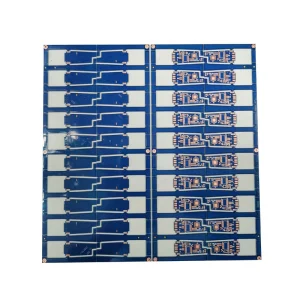
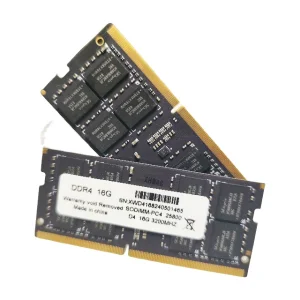
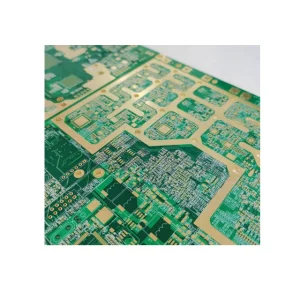
  • Power Decoupling & Signal Integrity: As computing modules transition from DDR4 to high-speed DDR5, high-frequency signal integrity becomes critical. This shift demands mixed-pressure multi-layer PCBs and optimized Power Distribution Networks (PDNs) that minimize voltage drop and transient ripples directly adjacent to the processing cores.

Celtrix Memory Technologies: Enterprise Scale & Track Record

Formed as a high-density semiconductor assembly and electronic component manufacturer, Celtrix integrates state-of-the-art automated manufacturing with globally trusted quality management structures.

28,600m²
Modern Facility Area
9+ Years
Industrial R&D Experience
$23M+
Annual Export Revenue
142
R&D Engineers on Staff
1,180+
Supply Chain Partners

Comprehensive Quality Assurance

  • ISO 9001:2015 Quality Management compliance across all assembly lines.
  • Multi-tier inspection protocols: IQC (Incoming material), IPQC (In-process control), and FQC (Final control).
  • Automated Optical Inspection (AOI) coupled with real-time functional and electrical characterization.
  • Extended thermal burn-in, hardware stress testing, and hardware compatibility validation.
  • 56 dedicated quality control personnel monitoring failure rates down to the parts-per-million (PPM) scale.

OEM/ODM & System Integration

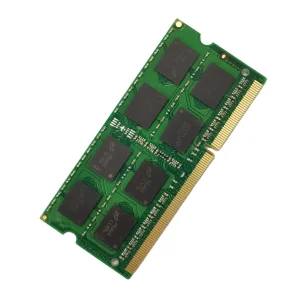
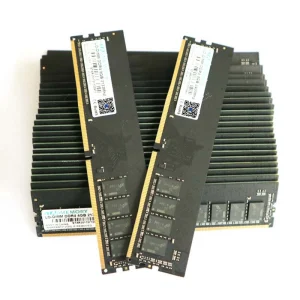
  • Capacity, thermal spreader design, and SPD customization for high-density DRAM.
  • Custom layout design for multi-layer PCBs and Rogers high-frequency mixed-dielectric boards.
  • Turnkey driver board modification, component sourcing, and PCB printing systems.
  • Dedicated labelling, private label packaging, and global logistics optimization.
  • 168 new product designs introduced to global markets last fiscal year.

Global Sourcing Requirements & Macro Industry Solutions

1. Enterprise Server Power & Computing Infrastructure

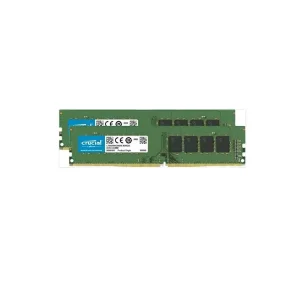
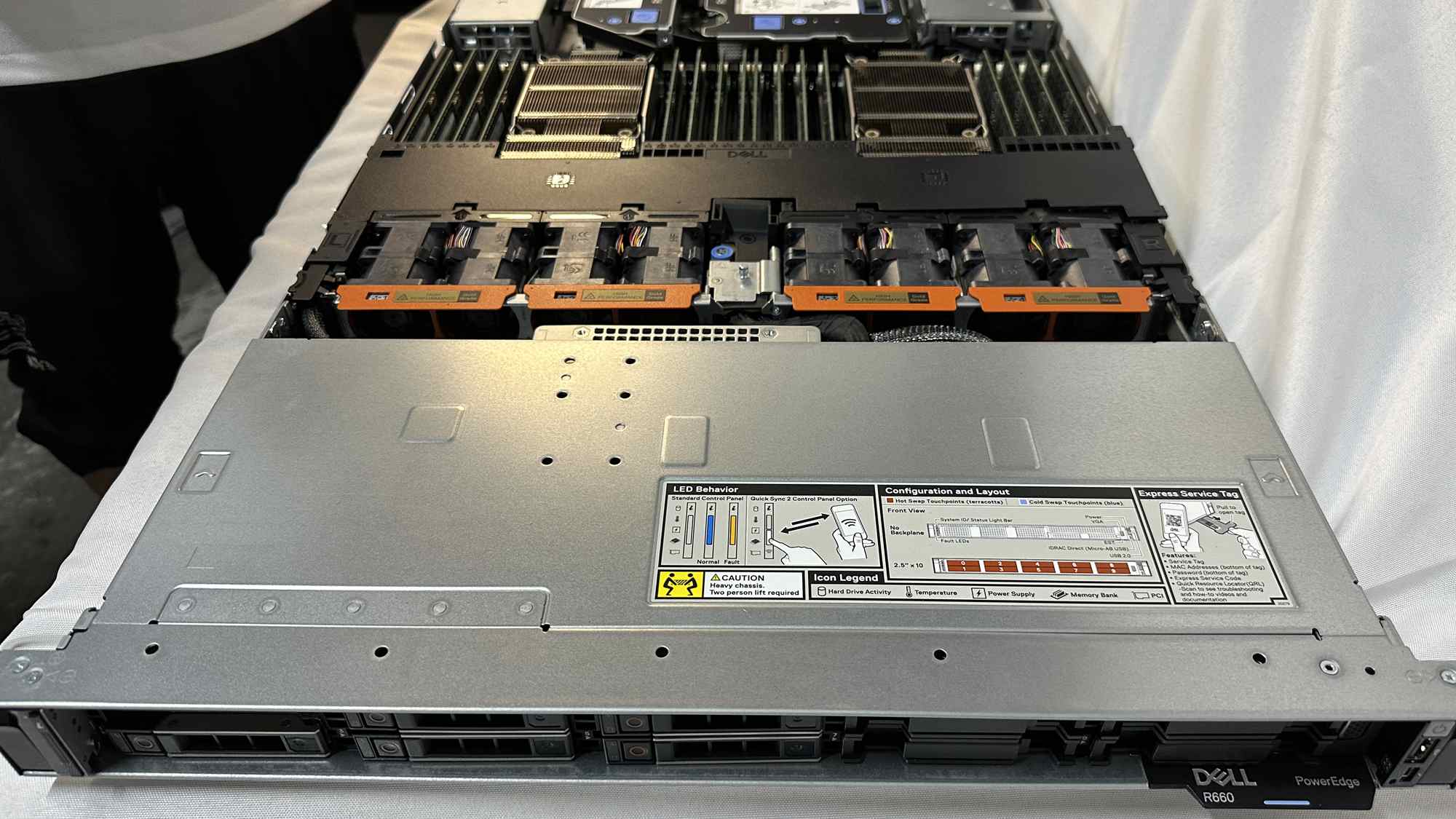
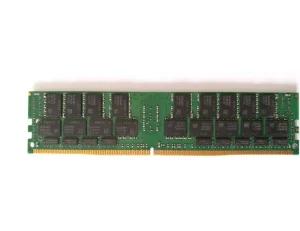
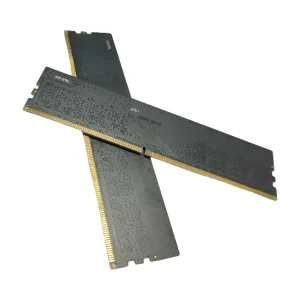
Global hyperscalers and data centers face the persistent challenge of optimizing power usage effectiveness (PUE). The efficiency of internal voltage regulators, signal pathways, and high-density memory arrays impacts energy overhead. By sourcing our integrated server hardware, high-frequency Rogers PCBs, and high-performance server memory modules (including DDR4 and DDR5 ECC RAM), operators achieve lower parasitic resistance and lower heat generation at the server rack level. Paired with our 320W LGA4189-N96 cooling systems, thermal limits are extended, allowing for maximum computing density.

2. Industrial Inverter Systems & Heavy Duty Electronics

Heavy industry relies on stable power conversion under harsh operational conditions. Our IGBT driver and inverter board arrays (such as the ZX7-315-400 platform) are designed to isolate high-voltage power components from sensitive control logic. Implementing robust isolation transformers, high-temperature components, and thick copper tracks ensures resistance to voltage fluctuations, thermal shock, and electromagnetic interference (EMI). This system reliability reduces equipment downtime in manufacturing, metal fabrication, and power generation environments.

3. Embedded Edge Computing & Automation Platforms

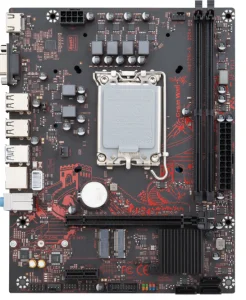
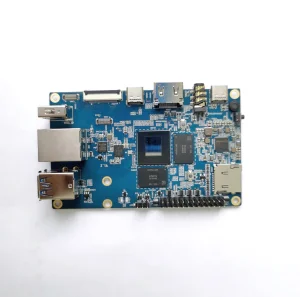
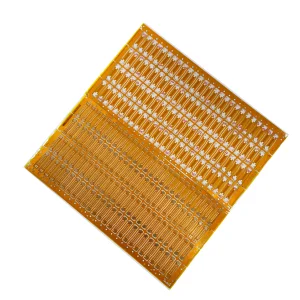
Smart factories and modern automation demand localized computing power combined with energy-efficient operation. Through platforms like the Rockchip RK3588S development motherboard (equipped with an integrated NPU), industrial system integrators can deploy low-latency automation algorithms, localized AI models, and real-time sensor processing. These motherboard solutions are paired with custom-engineered FPC (Flexible PCB) keyboard and membrane modules, enabling resilient control interfaces capable of operating in dust, moisture, and high-vibration conditions.

Technological Roadmap & Future Outlook

As industrial and computational systems scale towards higher efficiencies, Celtrix is developing and validating hardware architectures designed for next-generation deployments. Our technology roadmap focuses on three main sectors:

I. Smart Power Delivery Systems (PMIC Integration)

Modern memory systems (such as DDR5 DRAM) have migrated power management functionality directly onto the module via Power Management Integrated Circuits (PMICs). We are applying this decentralized power model to other industrial hardware components, optimizing power efficiency, reducing trace length power losses, and ensuring clean DC voltage delivery.

II. Advanced High-Frequency Materials & Substrates

With data transfer rates scaling to DDR5 6000MHz and telecom hardware entering high GHz ranges, traditional FR4 laminates face physical transmission limits. Our R&D division is expanding capabilities in mixed-pressure multi-layer Rogers and Shengyi High-TG substrates, ensuring minimal dielectric loss, controlled impedance, and reliable performance at elevated temperatures.

III. Green Manufacturing & Low-Carbon Footprint

In step with global sustainability initiatives, our manufacturing processes are reducing volatile compound emissions, implementing lead-free RoHS-compliant solder processes, and optimizing energy recovery systems across our 28,600m² facility. Choosing sustainable components helps global partners meet scope 3 carbon reduction targets.

Supply Chain Resilience & Regulatory Compliance

Navigating global semiconductor and electronics sourcing requires reliable lead times and strict regulatory compliance. Celtrix maintains deep partnerships with Tier-1 component fabricators, securing priority silicon wafer allocations during market disruptions. We provide comprehensive export documentation, custom packaging, and compliance certificates (including CE, FCC, RoHS, and REACH) to ensure seamless importation across North America, Europe, Southeast Asia, South America, the Middle East, and Oceania.

Technical Q&A / Frequently Asked Questions

Why is thermal dissipation critical in high-frequency hardware systems?
High-frequency components like DDR5 RAM modules, advanced processors, and switching IGBT driver boards generate localized thermal pockets. Without efficient thermal mitigation (such as copper heat pipes or 320W heatsinks), high operating temperatures increase electrical resistance and signal degradation. Sustained heat also degrades silicon junctions, leading to thermal throttling, instability, and premature hardware failure.
What are the advantages of combining Rogers materials with FR4 in high-frequency mixed-pressure PCBs?
Pure Rogers substrates deliver low dielectric loss and high signal propagation speeds, but they carry a higher material cost. A mixed-pressure design fuses Rogers laminates on the critical high-frequency signal layers with cost-effective FR4 substrates on the structural/power layers. This hybrid approach optimizes signal integrity, reduces transmission loss, and maintains cost-effective manufacturing for industrial designs.
How does an IGBT inverter driver board handle voltage spikes in industrial environments?
Industrial inverter boards (such as the ZX7 series) use optocouplers or magnetic isolation barriers to separate low-voltage control circuits from high-power IGBT gates. Active snubber circuits, transient voltage suppressors (TVS), and integrated filtering capacitors absorb inductive spike feedback, protecting control logic and preventing power faults.
What distinguishes DDR5 memory technology from older DDR4 configurations?
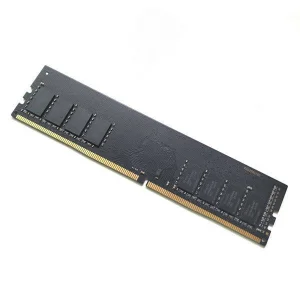
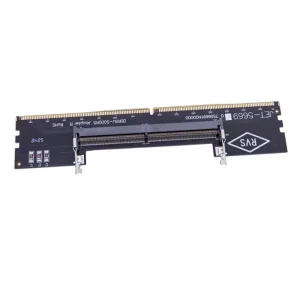
DDR5 doubles the burst length and bank groups compared to DDR4, significantly increasing data throughput. Additionally, DDR5 shifts power management from the motherboard to an on-module PMIC (Power Management Integrated Circuit), ensuring cleaner DC voltage delivery, reduced noise, and better power efficiency at operating voltages down to 1.1V.
How does the integrated NPU on the Rockchip RK3588S benefit edge automation?
The integrated Neural Processing Unit (NPU) handles complex machine learning computations (like object detection and real-time sensor processing) locally on the edge device. This offloads tasks from the main CPU, resulting in fast execution times, low power consumption, and operation independent of cloud connectivity.
What customization services do you offer for OEM/ODM hardware orders?
We provide full hardware custom manufacturing services. This includes custom memory capacity configurations, custom heat spreader colors and designs, SPD configuration programming, custom multi-layer PCB design (double-layer, multi-layer, and high-frequency Rogers hybrid boards), specialized industrial keyboards, custom labeling, and retail/OEM packaging design.

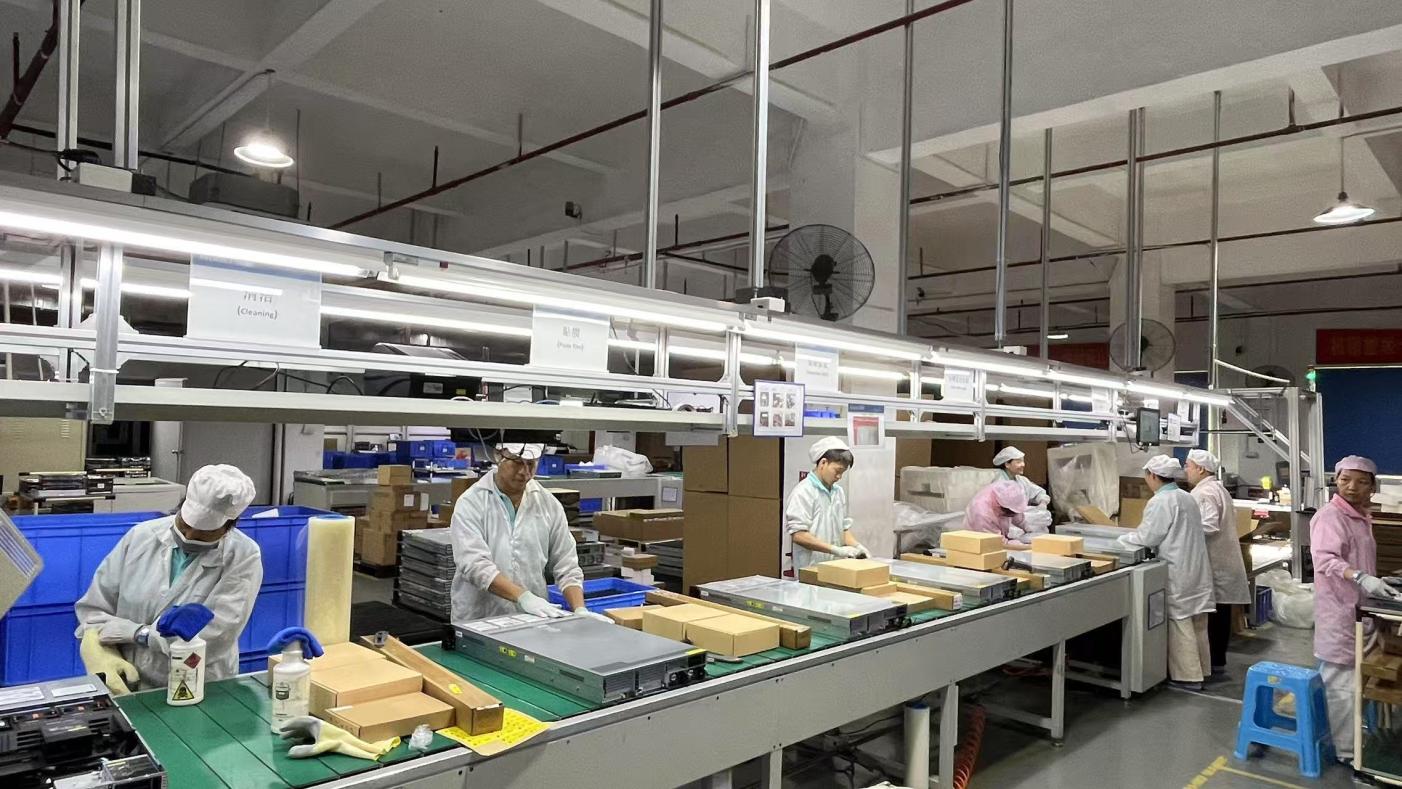
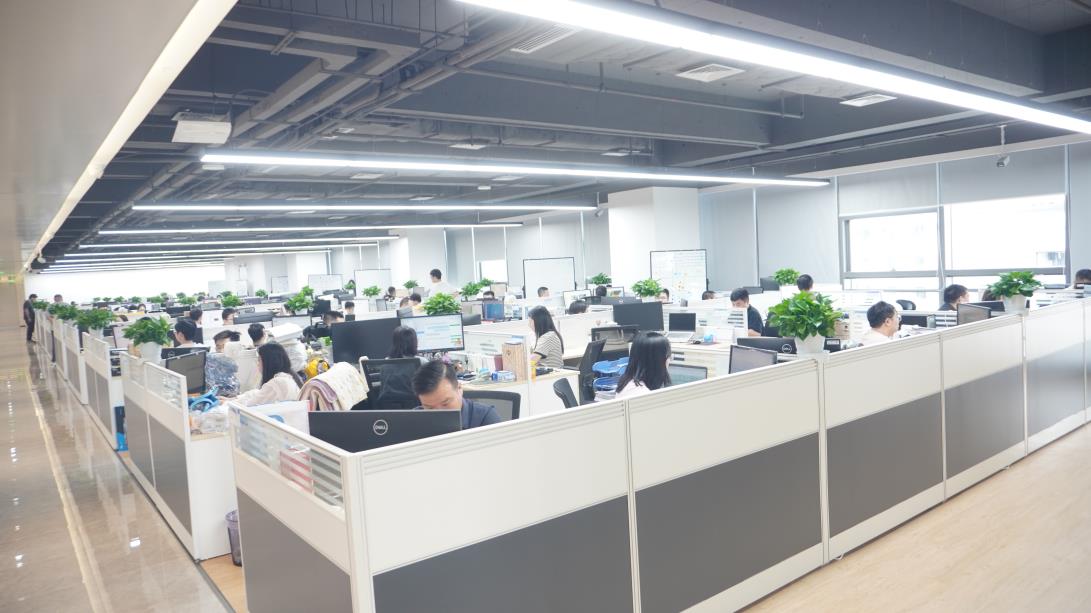
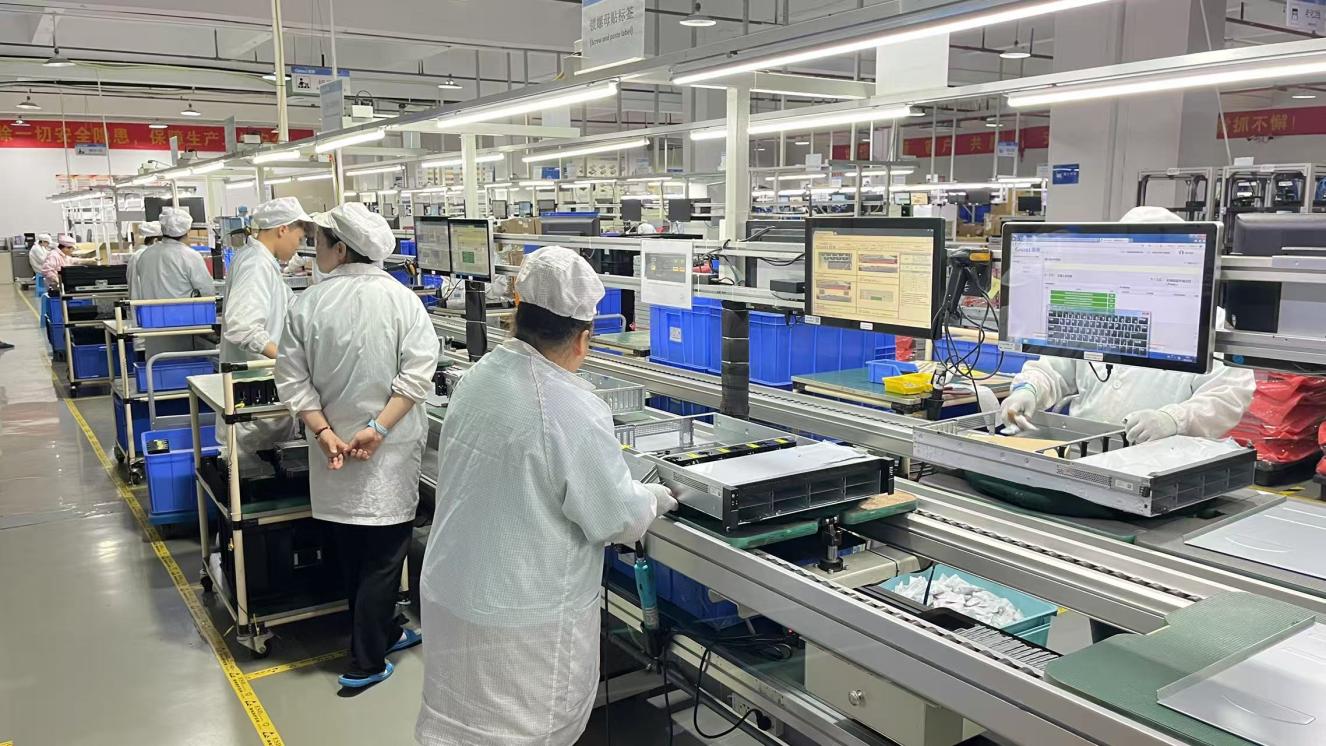
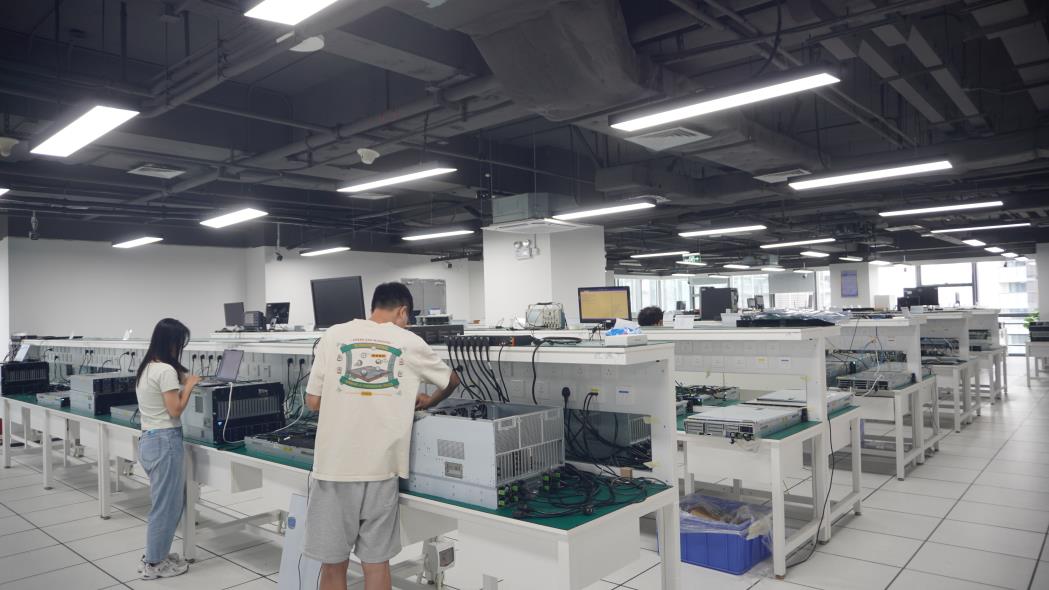
Inside Our Advanced Production Facilities

Take a look inside our 28,600m² state-of-the-art facility featuring automated production systems, precision SMT assembly, and rigorous hardware test setups.